
Watching your balcony plants struggle can be disheartening, but every thriving urban garden you admire began with lessons learned the hard way. This guide will walk you through reviving your balcony garden step by step—from reassessing your setup to nurturing your plants back to vibrant health.
1. Begin with a Fresh Start
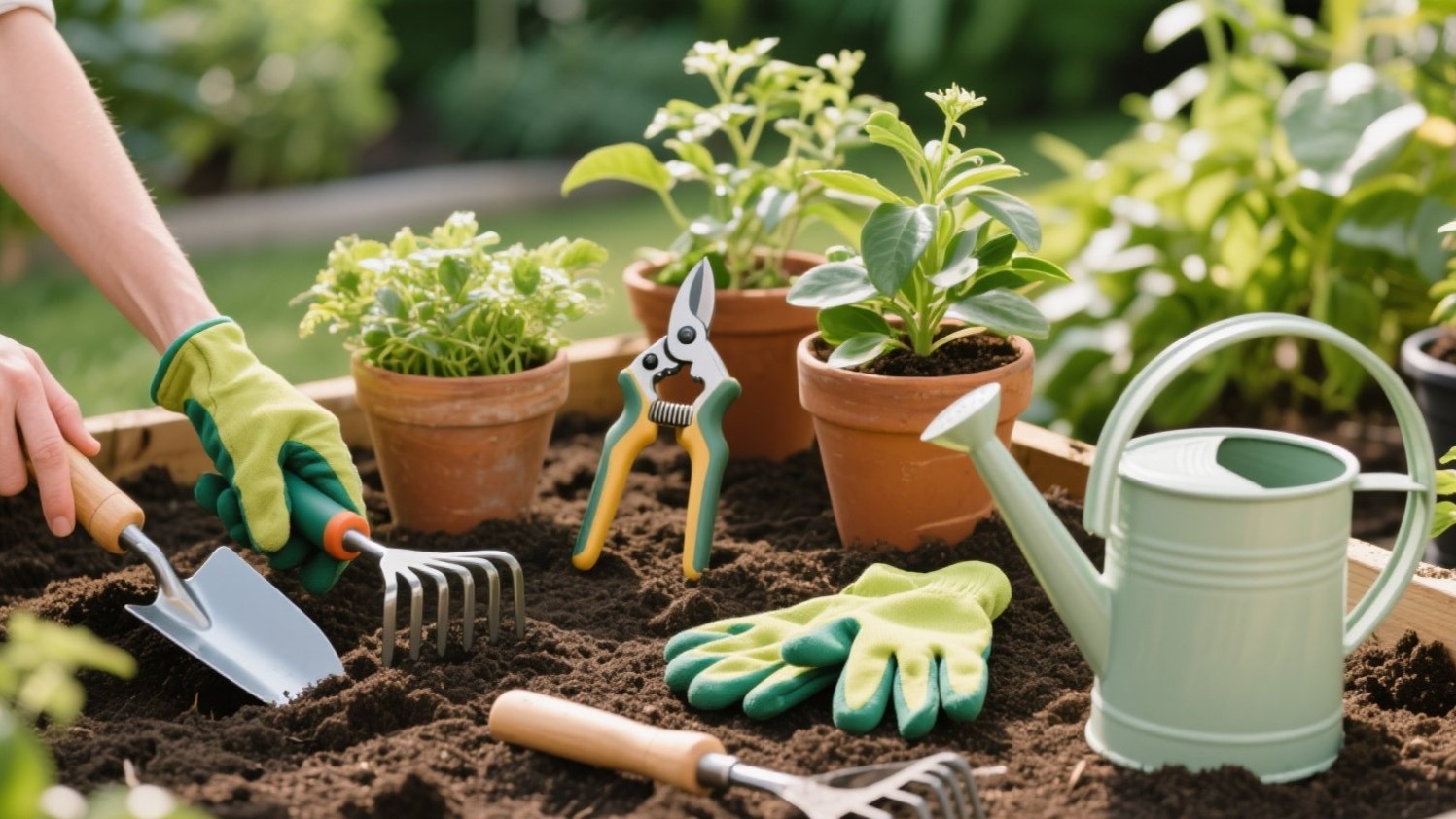
If you’ve lost plants, avoid reusing the same soil without refreshing it. Old potting mix can harbor diseases, pests, or excess salts. Empty your containers, scrub them with mild soap, and let them sun-dry for a few hours to sterilize.
Fill them with a fresh, high-quality potting soil blended with 20–30% compost to restore vitality from the start.

2. Rebuild Your Foundation: Drainage and Insulation
Poor drainage kills balcony plants faster than drought. Ensure every container has sufficient drainage holes. Add a layer of perlite, gravel, or broken pottery at the base to improve water flow.
If your balcony gets intense sun, wrap pots in breathable materials like jute or place them inside slightly larger decorative pots to buffer temperature swings and protect roots from overheating.
3. Match Plants to Your Conditions
Take time to observe your balcony’s unique environment: Is it windy, shaded, or sun-baked? Choose plants suited to those conditions:
- Sunny & windy: lavender, rosemary, sedum, succulents
- Shady & cool: ferns, English ivy, peace lilies, hostas
- Mixed or partial light: mint, parsley, begonias, coleus
Picking the right plants for your microclimate dramatically boosts your chances of success.
4. Set Up a Smart Watering System
Inconsistent watering is a common cause of failure. Consider using self-watering pots or making a simple wicking system: place a water reservoir below a mesh platform so soil draws moisture as needed.
This helps maintain even hydration and reduces the risk of over- or under-watering.
5. Feed Regularly—but Gently
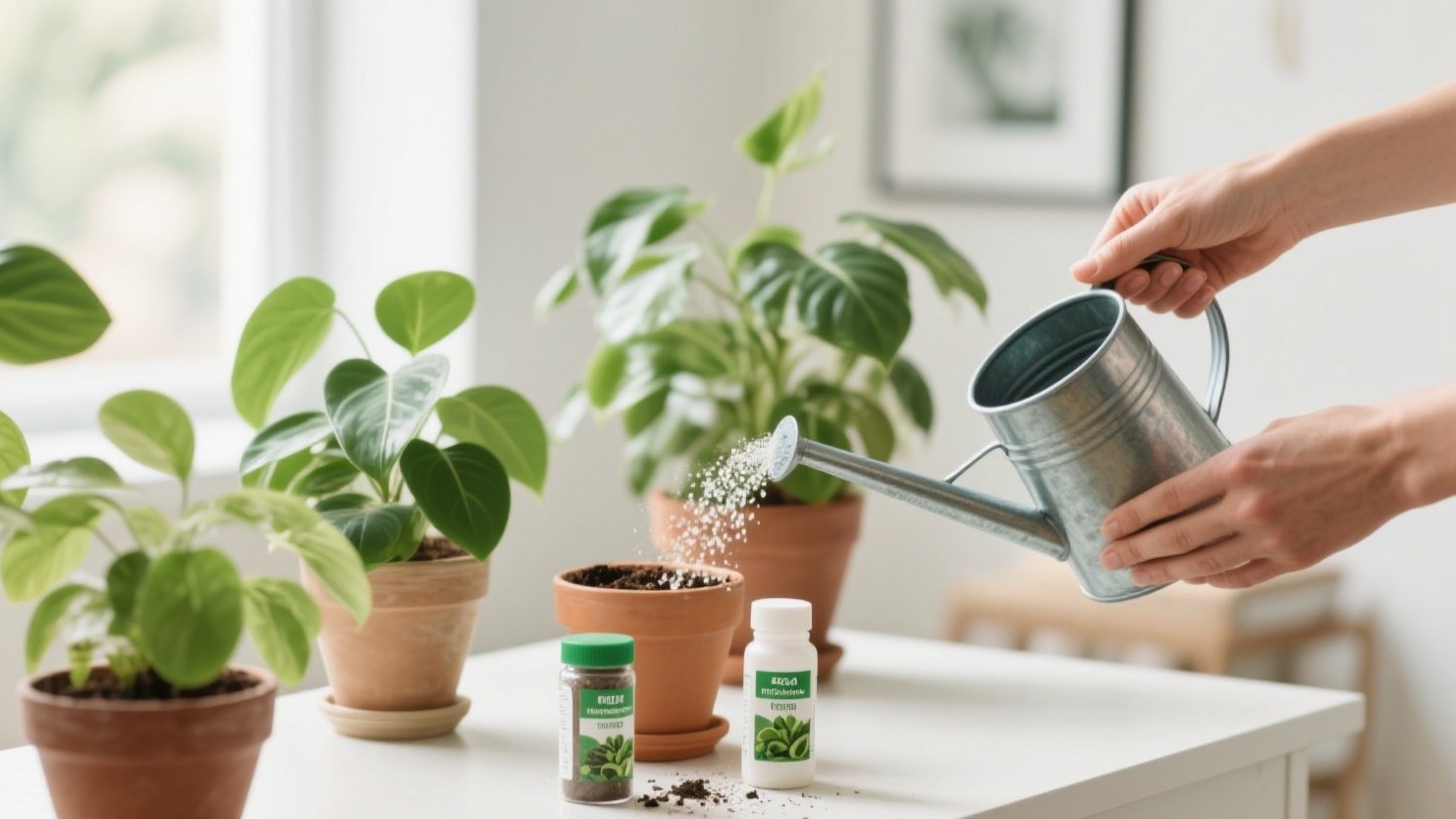
Potted plants exhaust nutrients quickly. Use a slow-release organic fertilizer at the start of the season, and supplement every few weeks with a diluted liquid feed like compost tea or seaweed extract.
Mid-season, top up with compost to replenish organic matter and support sustained growth.

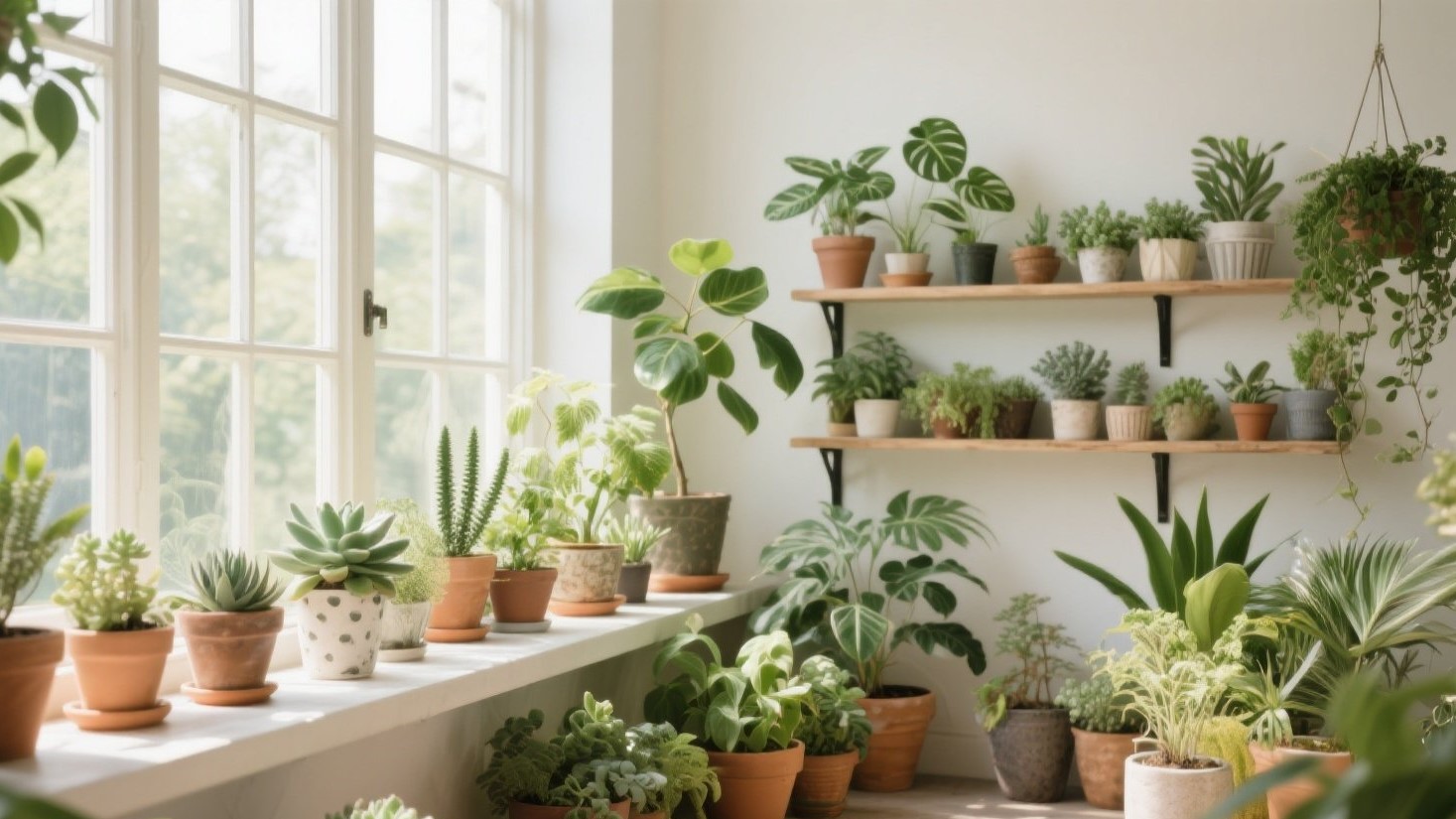
6. Grow Upward with Vertical Layers
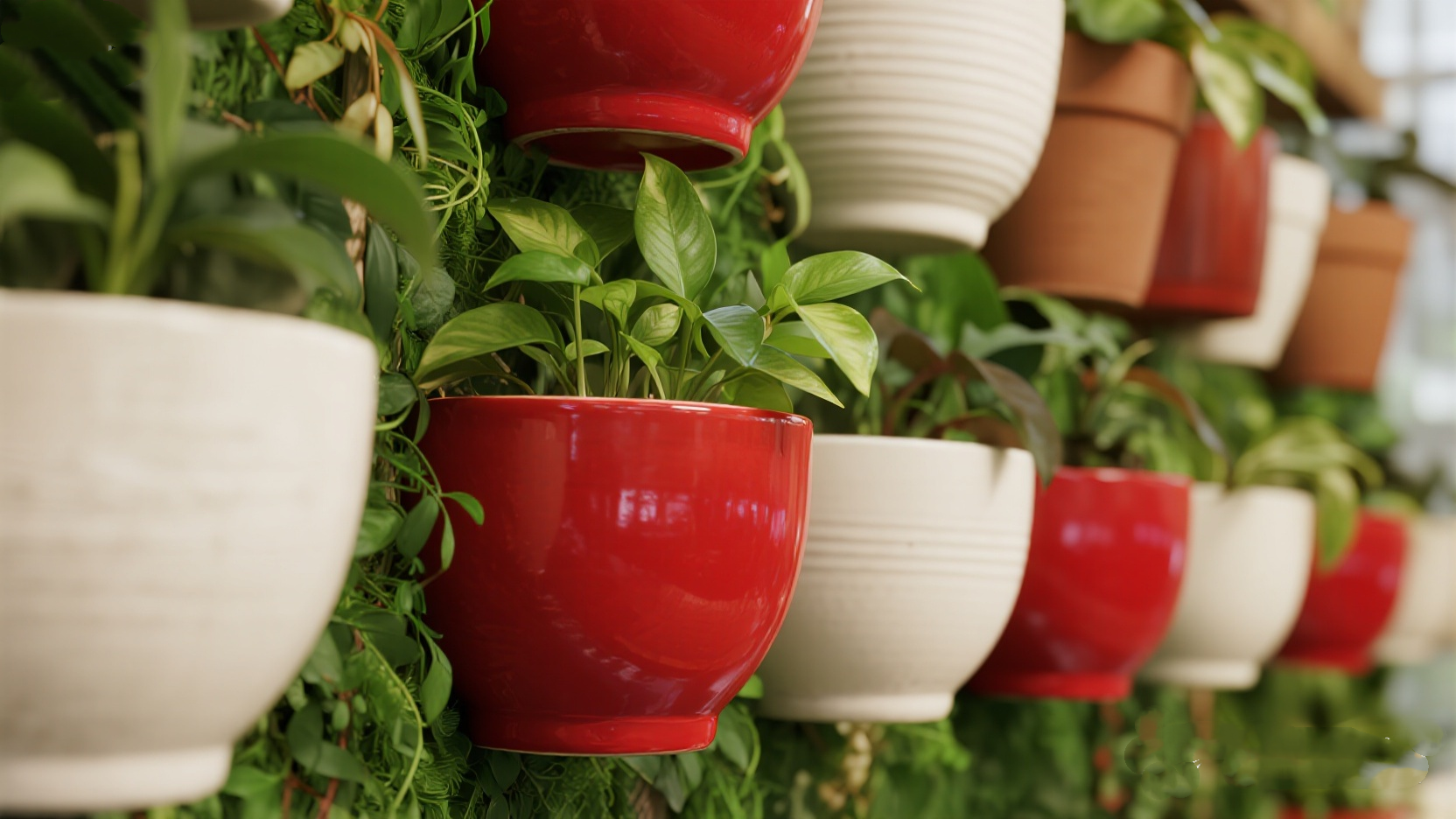
When floor space is limited, think vertically. Install wall planters, hanging baskets, or tiered shelves to grow herbs, strawberries, or trailing flowers.
Layering plants not only maximizes space—it also creates microclimates, with taller plants offering shade and shelter to those below.
7. Shield Plants from Heat and Wind
Balcony railings can reflect heat and intensify sunlight. During heatwaves, use shade cloth or position sensitive plants slightly back from the rail. A bamboo screen or trellis can break the wind, reduce evaporation, and create a more stable growing environment.

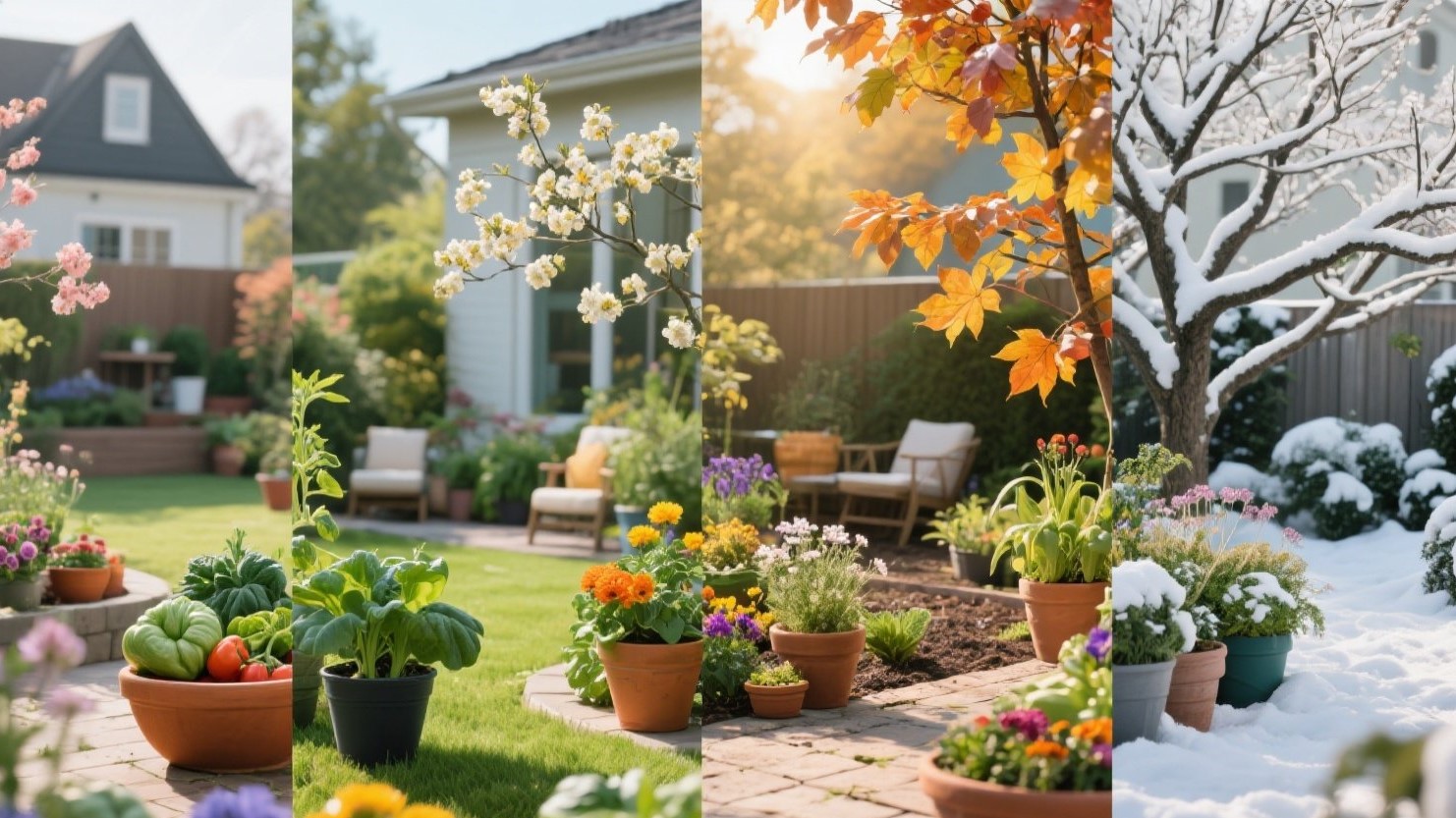
8. Rotate with the Seasons
Don’t grow the same plants in the same pots all year. Cool-weather crops like lettuce and spinach do well in spring and fall; heat-lovers like peppers and basil excel in summer.
Seasonal rotation prevents soil depletion and disrupts pest cycles, keeping your garden healthy year-round.
9. Build a Simple Maintenance Routine
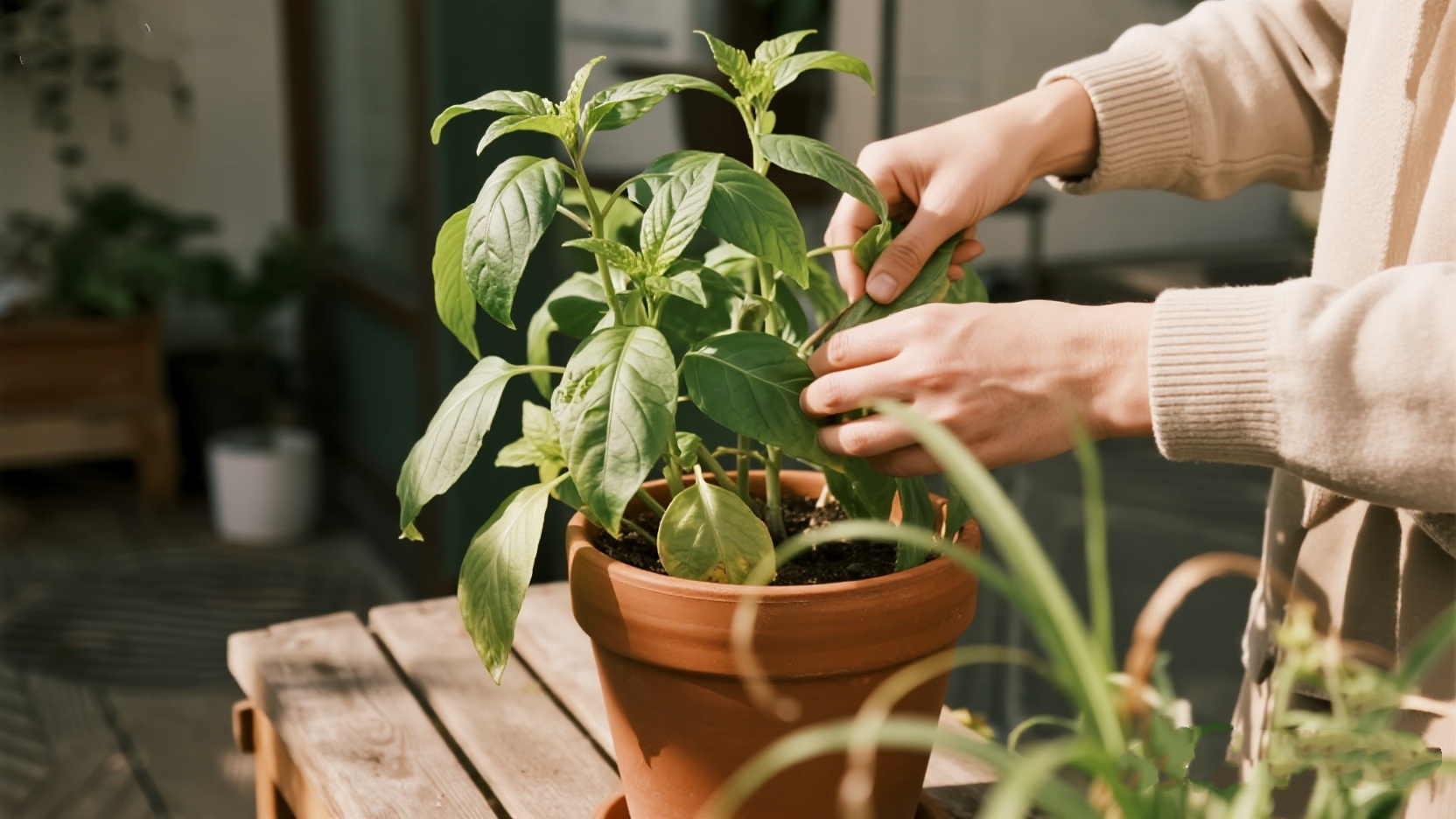
Consistency is key. Water early in the morning to reduce evaporation. Deadhead spent blooms and trim overgrown stems weekly.
Keep a gardening journal—digital or handwritten—to track watering, feeding, and plant responses. You’ll start noticing patterns and can adjust care before problems arise.

10. Infuse Personality and Comfort
A balcony garden should be a place you love spending time in. Add string lights, colorful cushions, a small stool, or handmade touches to make it inviting.
When your balcony feels like a retreat, you’re more likely to care for it regularly—and that daily attention is what brings a garden to life.
Conclusion
Reviving a struggling balcony garden isn’t about having a green thumb—it’s about thoughtful strategy. Watch, learn, and adapt to what your space offers. With patience and these practical steps, you can turn a failing balcony into a lush, life-filled oasis that nourishes you as much as your plants.