Introduction: Why Plant Nutrition Matters 🌞🍃
Plants, like humans, need a balanced diet to grow strong, healthy, and vibrant. But with so many fertilizer options, it’s easy for beginner gardeners to feel overwhelmed.
This guide simplifies plant nutrition and explains what nutrients your plants truly need, when to feed them, and how to do it safely. Following these principles helps your indoor or outdoor garden thrive without stress or mistakes.
By understanding the essentials, you can save money, reduce waste, and avoid overfertilization — a common pitfall shared by many home gardeners on Reddit and plant forums. 🌱
Step 1: The Three Core Nutrients (N-P-K) 🌿🔑
Plants primarily need three macronutrients, often shown as N-P-K on fertilizer labels:
1. Nitrogen (N)
- Purpose: Promotes leafy, green growth
- Plants that need it most: Leafy vegetables (lettuce, spinach), houseplants with lots of foliage
- Signs of deficiency: Yellowing leaves, slow growth
2. Phosphorus (P)
- Purpose: Supports root development, flower production, and fruiting
- Plants that need it most: Flowering plants, fruit trees, bulbs
- Signs of deficiency: Poor blooms, weak roots, stunted growth
3. Potassium (K)
- Purpose: Strengthens overall plant health, improves disease resistance, and aids water regulation
- Plants that need it most: Vegetables and fruits, plants exposed to stress
- Signs of deficiency: Browning leaf edges, weak stems, low fruit yield
Step 2: Secondary and Micronutrients 🌱✨
Beyond N-P-K, plants need smaller amounts of other nutrients for healthy growth:
- Calcium (Ca): Strengthens cell walls; deficiency can cause blossom-end rot in tomatoes.
- Magnesium (Mg): Essential for photosynthesis; deficiency shows as yellow leaves with green veins.
- Sulfur (S): Important for protein formation; deficiency leads to pale leaves.
- Iron, Zinc, Manganese, Boron: Needed in tiny amounts but critical for enzymatic processes and healthy growth.
A balanced fertilizer or occasional micronutrient supplement can address these needs.
Step 3: Types of Fertilizers 🪴💡
1. Synthetic Fertilizers
- Fast-acting and concentrated
- Examples: All-purpose NPK fertilizers, liquid fertilizers
- Pros: Immediate results
- Cons: Overuse can burn plants, leach nutrients from soil
2. Organic Fertilizers
- Derived from natural sources: compost, manure, bone meal, seaweed extract
- Pros: Slowly release nutrients, improve soil health
- Cons: Slower to act, nutrients less predictable
3. Liquid vs. Granular
- Liquid: Quick absorption; great for foliar feeding or fast growth
- Granular: Slow-release; good for long-term feeding
Step 4: How to Feed Your Plants Safely 🌿💦
1. Read the Label Carefully
- Check N-P-K ratios and recommended dosage.
- Less is often more; overfertilizing can harm plants.
2. Timing Matters
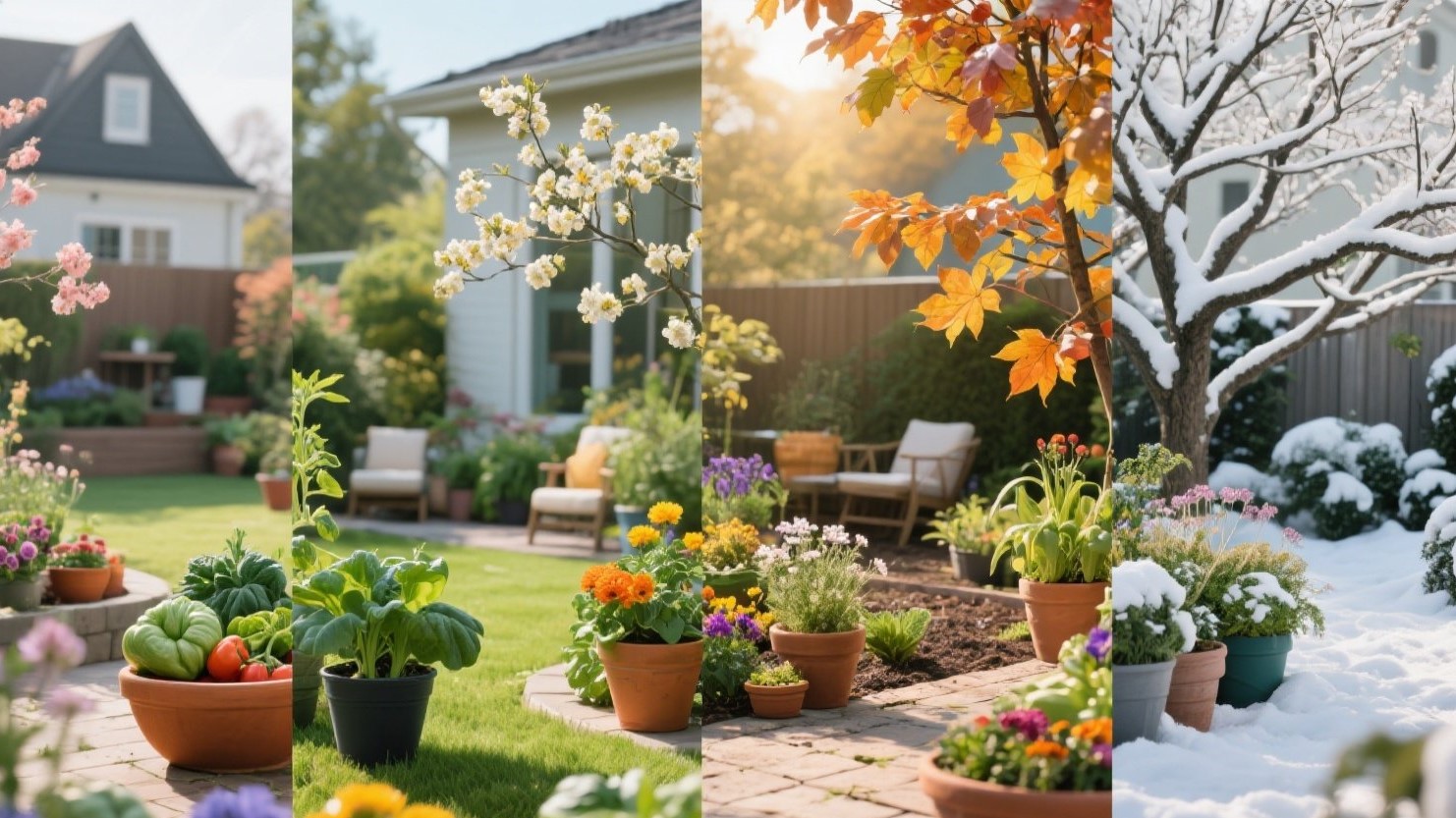
- Most plants benefit from fertilizing during active growth (spring and summer for many species).
- Reduce or stop fertilization during dormant periods (fall/winter for many houseplants).
3. Water Before and After Fertilizing
- Moist soil reduces the risk of burning roots.
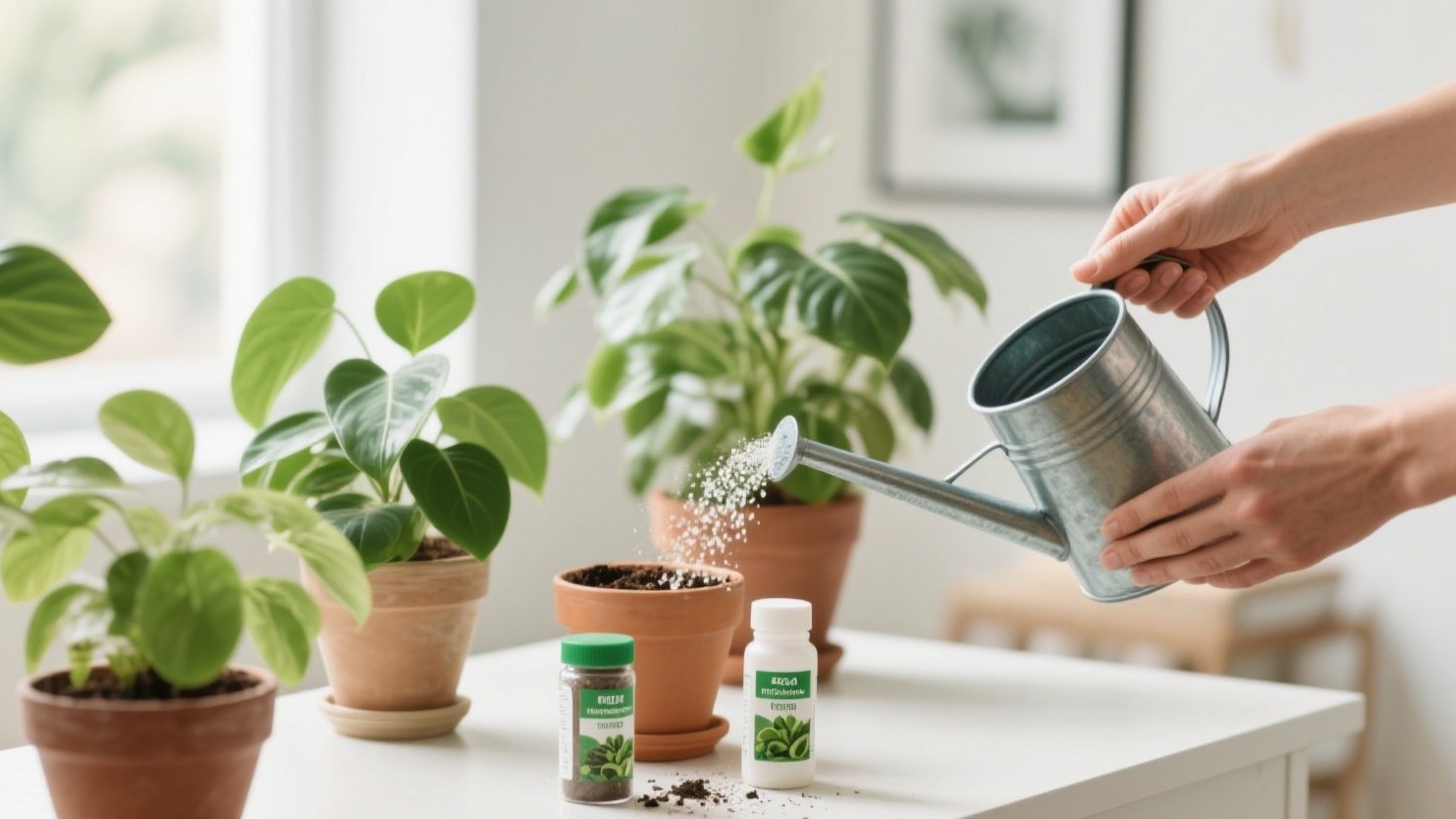
- For granular fertilizers, water in thoroughly to distribute nutrients.
4. Start Small
- Especially for seedlings or young plants, begin with half the recommended dose and adjust as the plant grows.
5. Observe and Adjust
- Look for signs of deficiency (yellow leaves, slow growth) or overfertilization (brown leaf edges, wilting).
Step 5: Practical Feeding Schedule Example 🗓️
Indoor Houseplants:
- Liquid fertilizer: once every 2–4 weeks during growing season
- Slow-release granules: once every 3–6 months
Vegetables:
- Nitrogen-heavy fertilizer every 3–4 weeks for leafy greens
- Balanced NPK for flowering/fruiting plants
Ornamentals/Flowers:
- High phosphorus during flowering
- Balanced NPK at the start of growth season
Step 6: Bonus Tips for Healthy Plant Nutrition 🌱✨
- Rotate Fertilizer Types – Organic and synthetic can complement each other.
- Compost and Mulch – Improve soil structure and feed microbes naturally.
- Container Plants – Use slow-release fertilizers to maintain nutrients between waterings.
- Check pH Levels – Nutrients are best absorbed when soil pH is appropriate for the plant.
- Observe Your Plants – Adjust feeding based on real-time growth and appearance.
Final Thoughts: Feed with Care, Watch Your Plants Thrive 🌿💛
Fertilization isn’t about applying as much as possible — it’s about understanding what your plants need and providing it thoughtfully.
By focusing on the right nutrients, timing, and safe application, even beginners can grow lush houseplants, productive vegetables, and vibrant flowers. With patience and observation, every feed becomes an opportunity to help your plants flourish and bring life, color, and joy into your home. 🌱✨
Remember: Healthy plants start with proper nutrition — not overfertilization. Feed smart, watch them thrive!