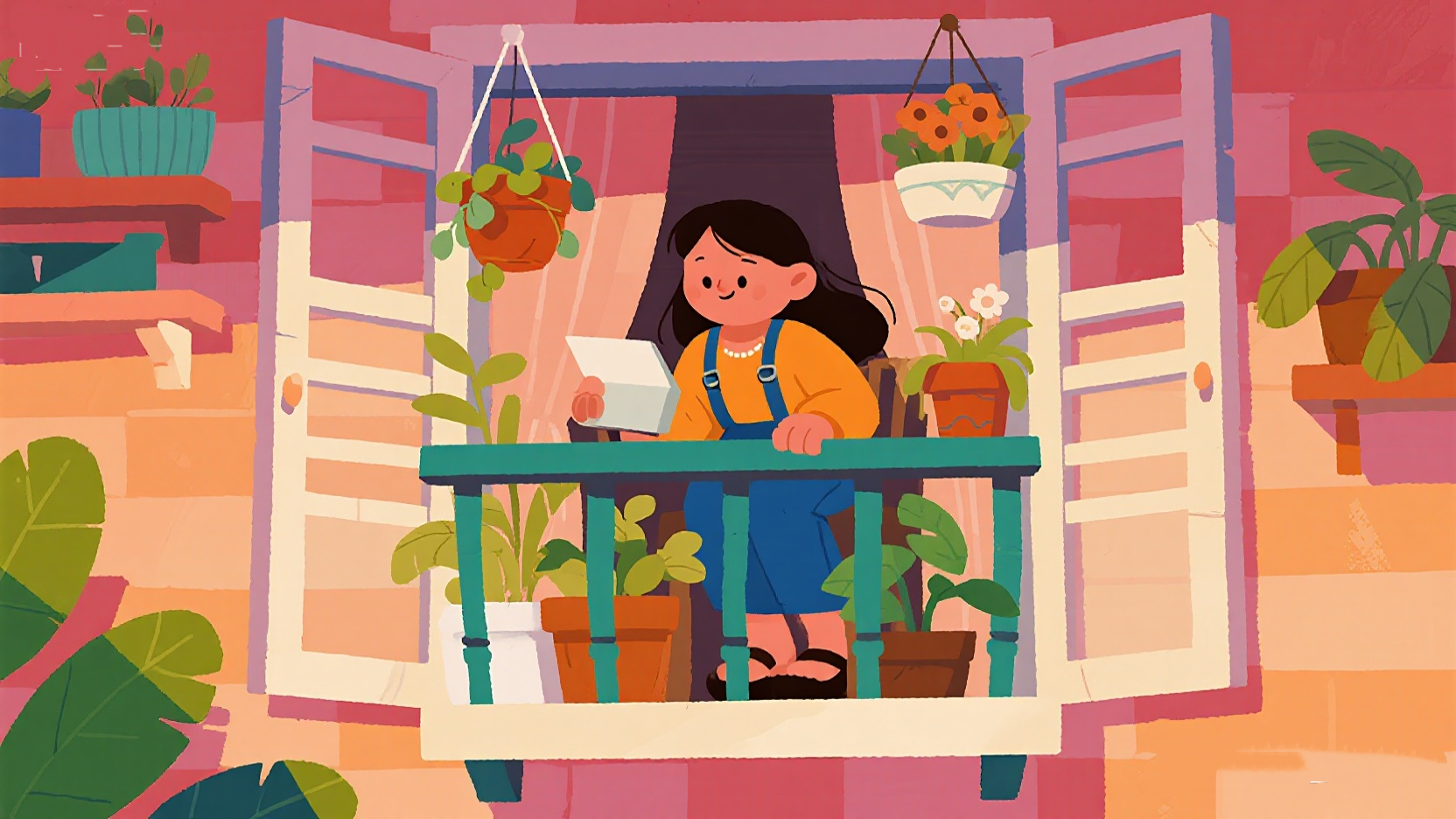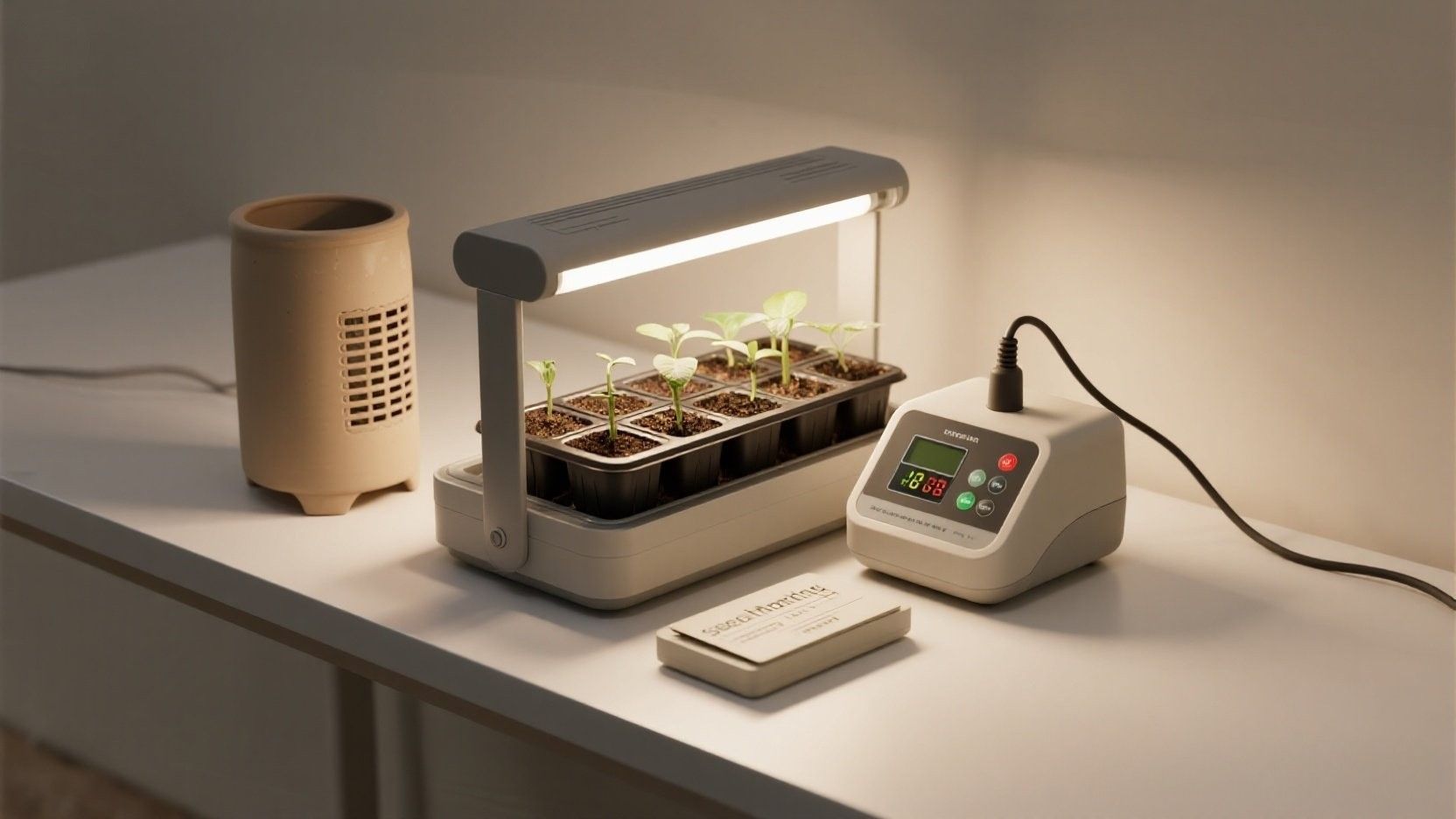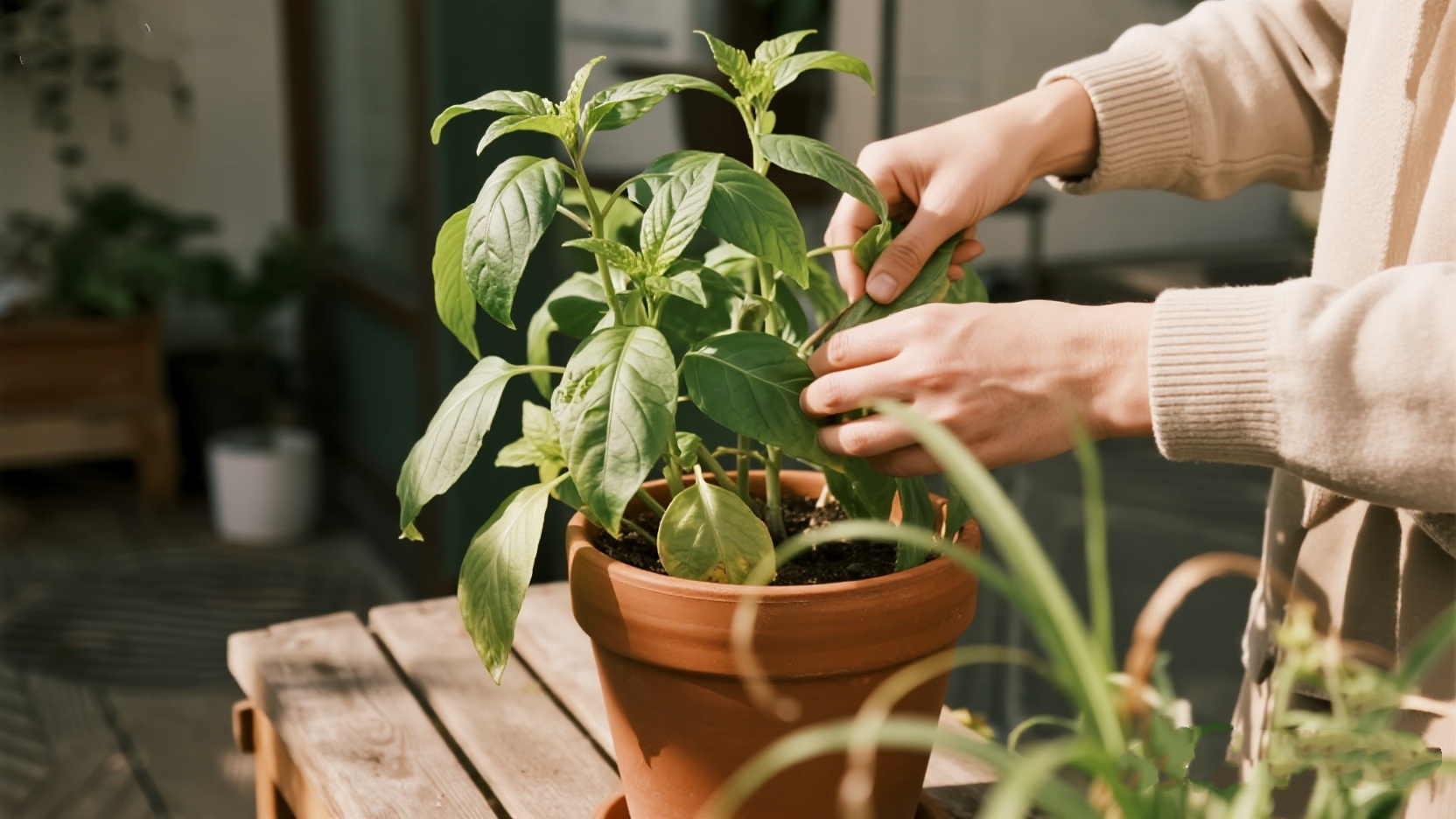
So, you’ve decided to start a garden on your apartment balcony. You envision fresh herbs on the railing, a sun-ripened tomato in a pot, a personal green sanctuary away from the city’s hustle. But then reality hits: muddy floors, dripping water, toppled pots, and the constant worry of disturbing your neighbors below. Worry not—transforming that “messy experiment” into a serene, easy-care balcony garden is entirely achievable. Let’s explore how to create a low-maintenance setup that brings you joy, not extra work.
Laying the Groundwork for Success
The first hurdle is often choosing the wrong containers—ones that are too small, drain poorly, or create constant mess. To simplify maintenance from the start, opt for pots with proper drainage holes and matching saucers or trays that fully contain any overflow. If your balcony floor has slats, these trays are essential for preventing soil and water from dripping onto the balcony below. A great tip from online gardening communities is to use a drip tray for every single container. For even less fuss, consider self-watering pots, which reduce watering frequency and minimize the risk of spills.

Designate a Tidy Gardening Zone
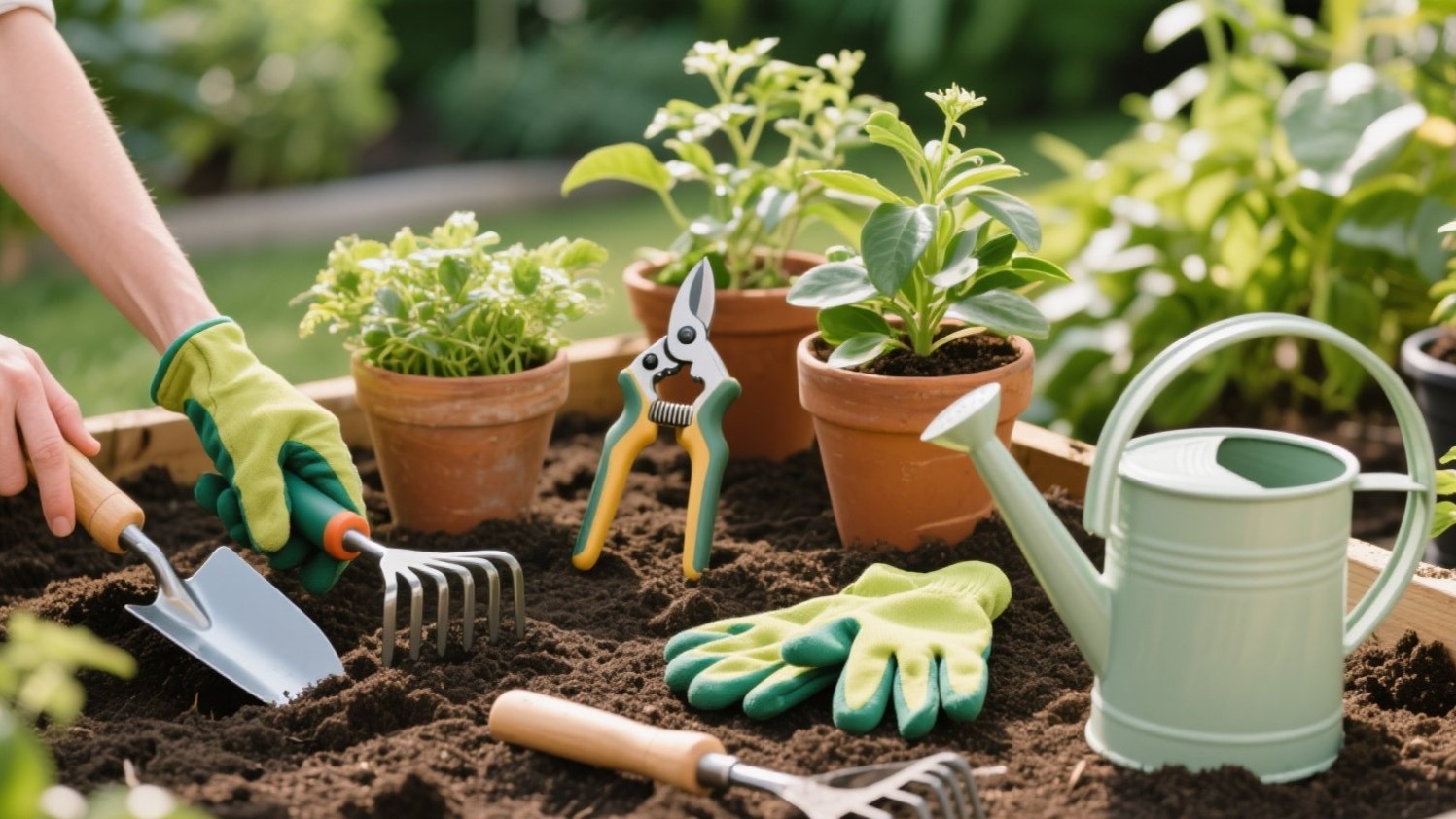
Instead of scattering pots and tools randomly, create a dedicated “gardening zone” in one corner. This contained area makes mess management and cleanup much easier. Equip this zone with a plastic bin for storing potting soil and tools, a foldable tarp to spread out during messy repotting jobs, and a small handheld broom for a quick sweep after you’re done. As one experienced gardener noted, keeping a dedicated broom handy is key for tidying up since you can’t just hose down an apartment balcony.
Mastering the Art of Watering
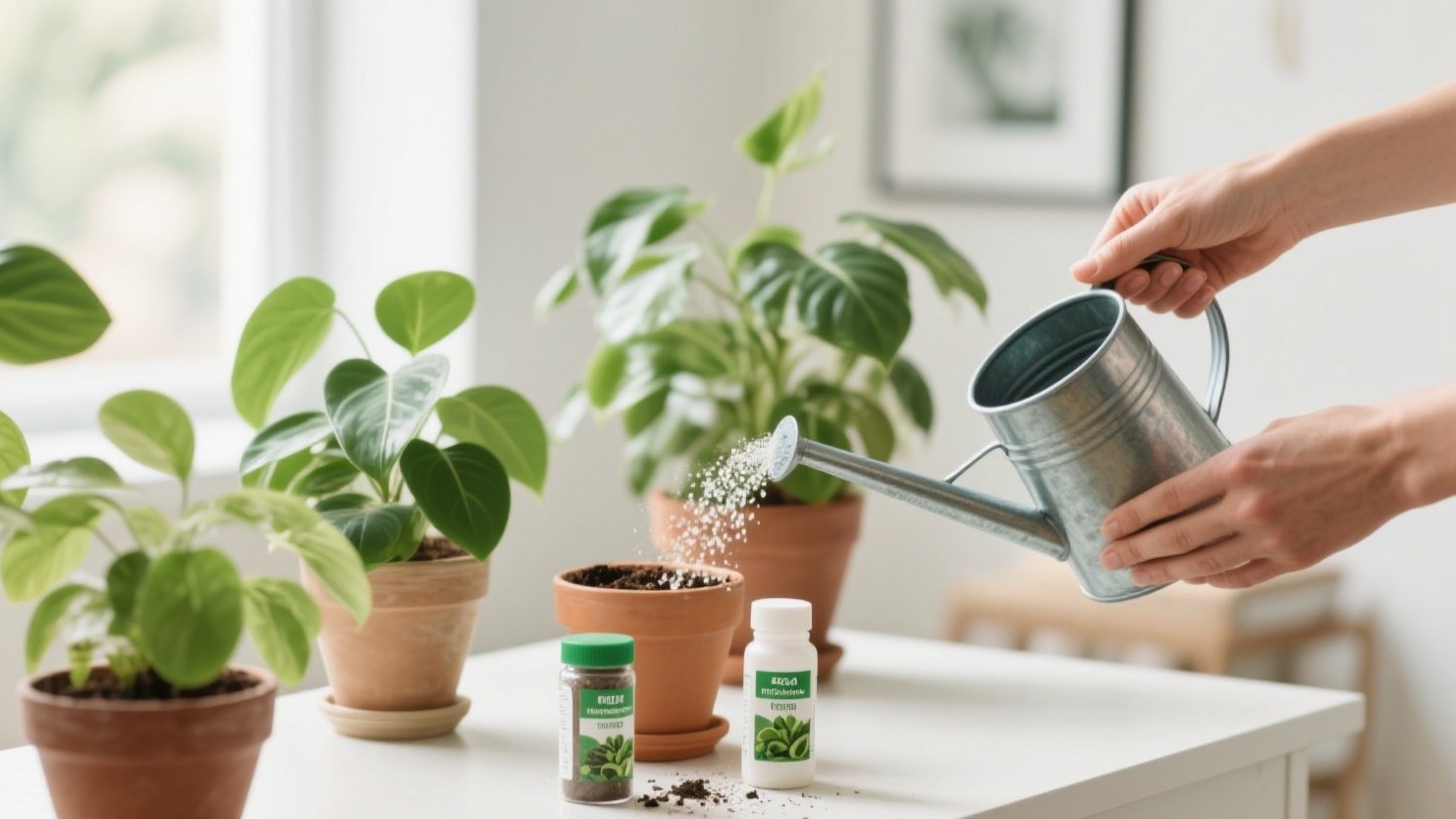
Consistent watering is vital, but on a balcony, it must be done thoughtfully to avoid drips and overflow. Establish a routine by watering at a set time, like early morning. Use slower methods such as bottom watering, where plants draw water up from a tray, to ensure thorough absorption without runoff. For busy schedules or vacations, self-watering devices like ceramic spikes or ollas are invaluable. Always remember to monitor your trays; if water collects and doesn’t drain, empty it promptly to prevent root rot and puddles. A common suggestion is to use individual saucers or a large common tray and to stop watering as soon as you see water escaping from the bottom of the pot.

Embrace Lightweight and Vertical Solutions
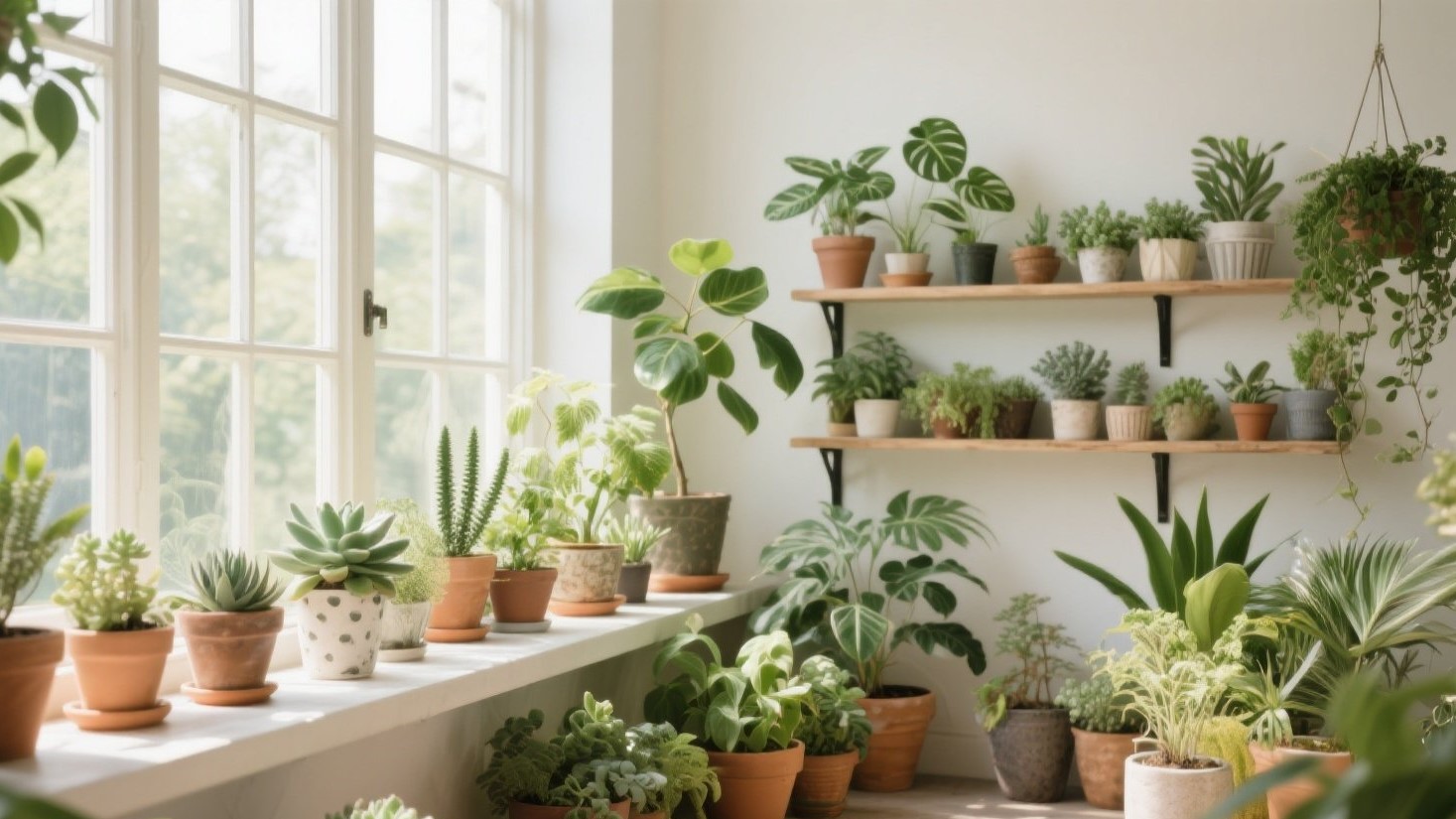
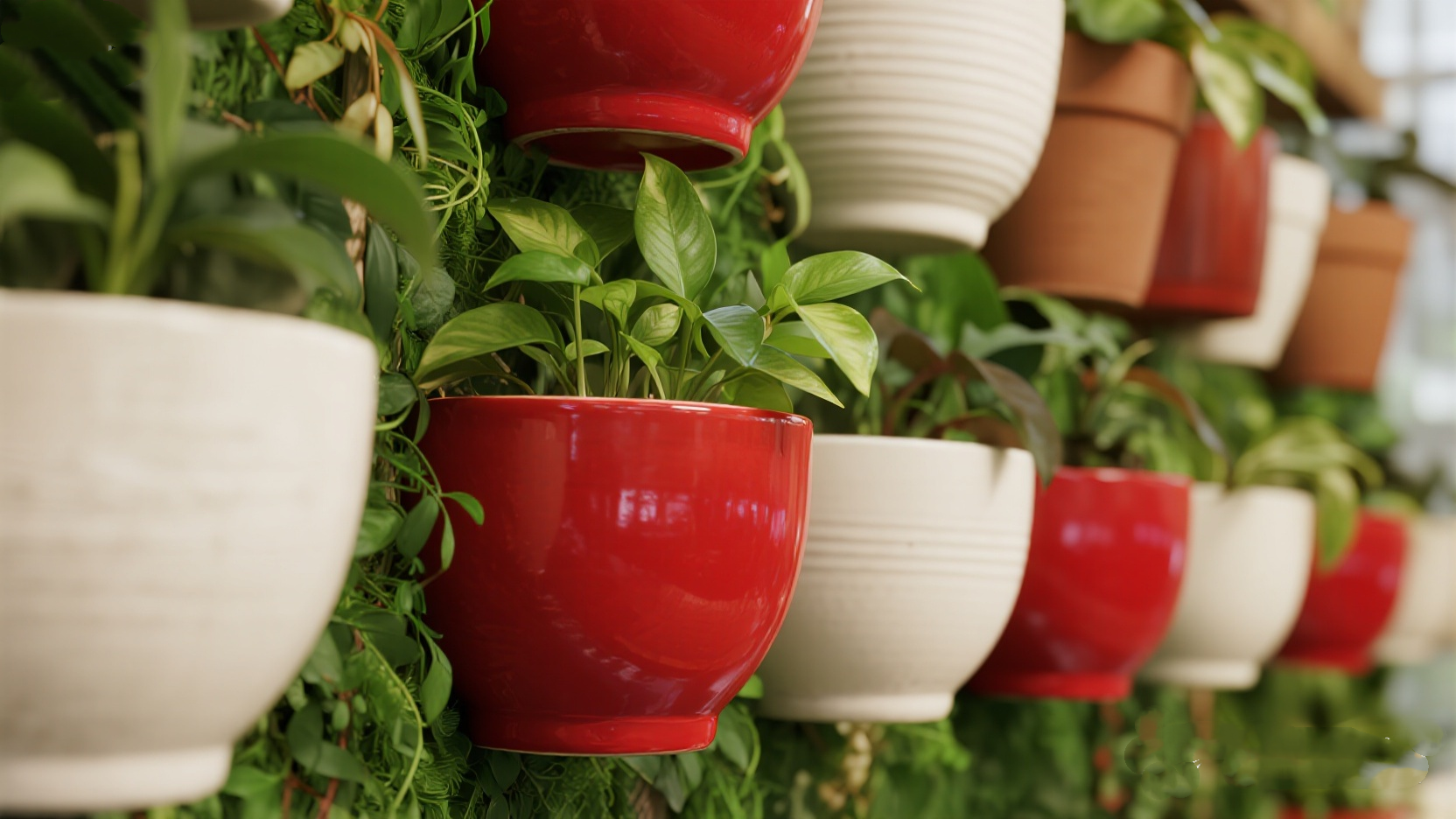
Hauling heavy bags of soil up multiple flights of stairs is a common challenge. Make your life easier by using lightweight potting mixes instead of dense garden soil. Purchase soil in manageable bag sizes and choose containers that you can easily lift and move. If you plan to shift pots for sun or storms, place them on rolling casters. To maximize space and minimize floor clutter, think vertically. Install wall shelves, use hanging planters or railing boxes, and consider mobile trolleys. Use this vertical space for storage, too, with hooks for tools and shelving for supplies.
Maintaining Good Relations and Seasonal Rhythms
Your balcony is part of a shared building, so being a considerate gardener is important. Ensure your setup—with proper trays and catchers—prevents water and soil from dripping onto your neighbors’ spaces. Always check your building’s rules regarding balcony decorations. Keep your area looking tidy and ensure plants don’t block walkways or exits.
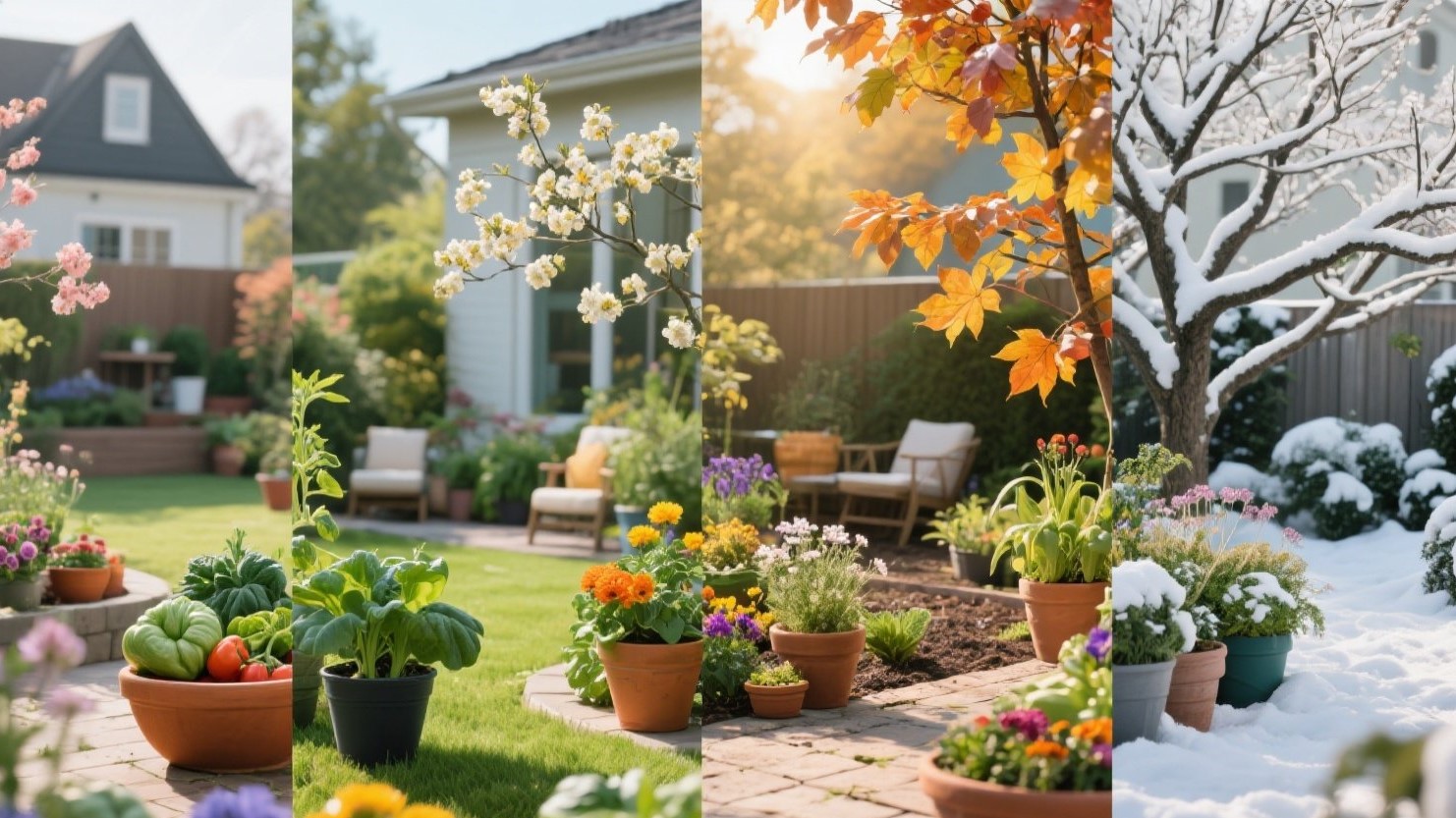
Don’t let seasonal changes become a major chore. At the end of the growing season, tidy up by emptying containers, composting old plants, and storing pots and tools. Keep a dedicated storage bin for off-season items. When spring arrives, you’ll be grateful for the head start.

The Key to Enjoyment: Keep it Manageable
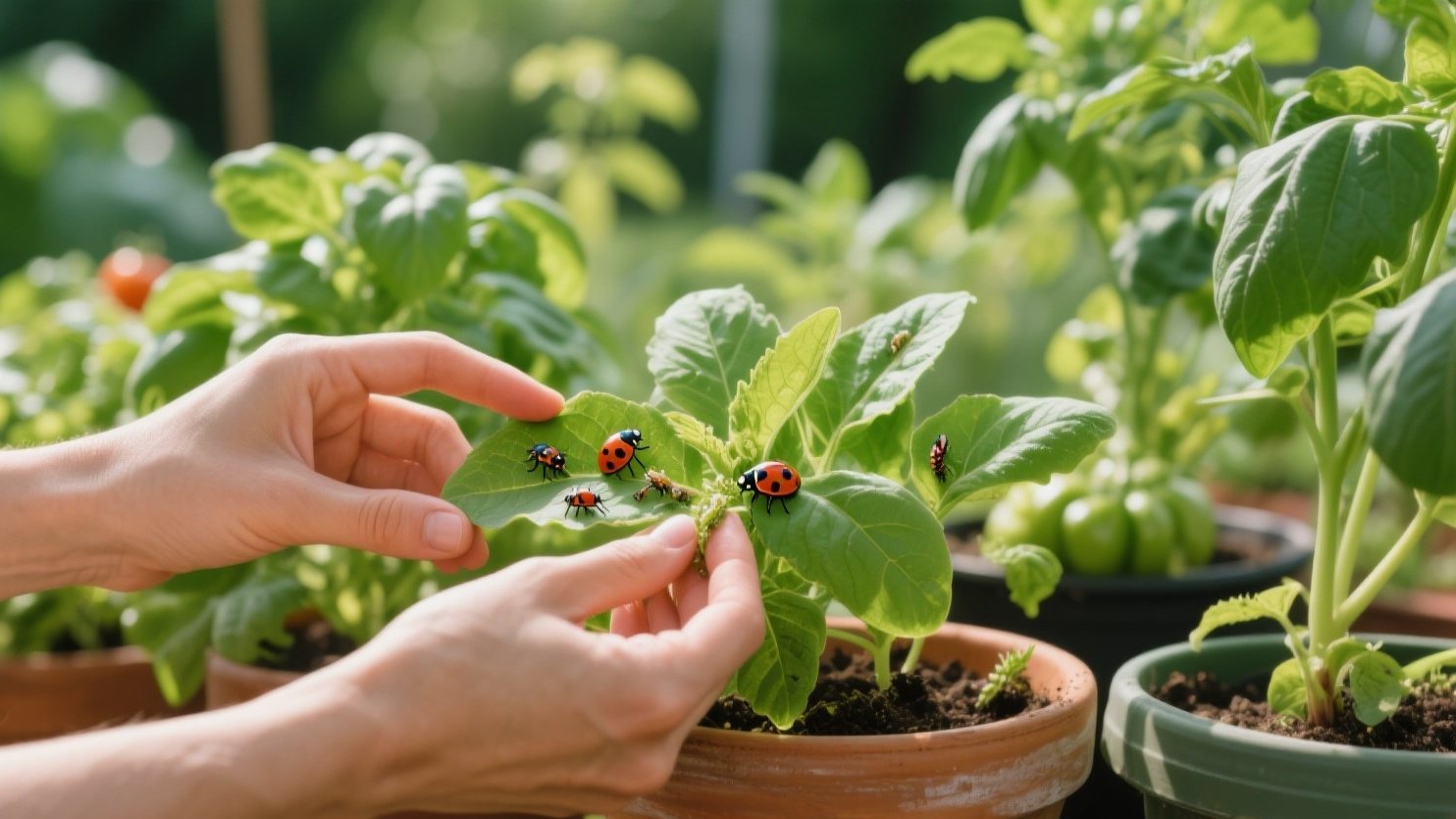
Perhaps the most important tip is to start small. It’s far more rewarding to care for a few containers well than to be overwhelmed by a dozen. Begin with three to five pots of easy-care plants like herbs before adding more demanding varieties like tomatoes. Even the best plans need tweaking—a windy day might knock a plant over, or a tray might overflow. The key is to adapt: use weighted bases for stability, have spare trays on hand, and sweep up debris regularly. Stay vigilant for pests, as they spread quickly in a small space.

Ultimately, the goal isn’t perfection, but a functional, enjoyable retreat. Celebrate the small victories: a thriving plant, a tidy floor, a peaceful moment. If something doesn’t work one season, adjust your approach and try again. As many gardeners affirm, the journey from overwhelm to simplicity is possible. By focusing on smart logistics, building a routine, and streamlining your tools, your balcony garden will truly become a source of joy, not a chore.
***