Introduction: Why Natural Pest Management Matters 🌱💡
Every gardener knows the frustration: tender seedlings or lush leaves attacked by mysterious insects. While pesticides may offer a quick fix, natural pest management is safer, sustainable, and often more effective in the long term.
By learning how to identify common pests, understand their habits, and implement preventative measures, you can protect your plants while keeping your garden eco-friendly. This guide is practical, beginner-friendly, and based on real gardening practices shared by communities like Reddit’s plant and gardening groups. 🌿
Step 1: Recognizing Common Garden Pests 🐞🔍
1. Aphids
- Small, soft-bodied insects (green, black, or red)
- Cluster on stems, new leaves, or buds
- Signs: Sticky residue (honeydew), curled or yellowing leaves
2. Spider Mites
- Tiny red or brown dots; may produce fine webbing
- Thrive in dry, hot conditions
- Signs: Speckled leaves, leaf drop
3. Whiteflies
- Small, white, flying insects found on undersides of leaves
- Signs: Sticky leaves, stunted growth
4. Caterpillars and Loopers
- Chew holes in leaves
- Signs: Visible larvae, frass (droppings)
5. Slugs and Snails
- Slow-moving, slimy pests
- Signs: Holes in leaves, silvery trails at night
6. Fungus Gnats
- Tiny black flies hovering around soil
- Signs: Wilting seedlings, moldy soil
Step 2: Preventive Measures 🌿🛡️
1. Keep Plants Healthy
- Strong plants resist pests naturally
- Use proper watering, fertilization, and sunlight
2. Inspect Regularly
- Check leaves, stems, and soil weekly
- Catch infestations early before they spread
3. Clean Your Garden
- Remove fallen leaves and debris
- Prune overcrowded branches to improve airflow
4. Rotate Plants
- Alternate crops in vegetable gardens to prevent pest buildup
5. Companion Planting
- Plants like basil, marigolds, or garlic repel common pests
- Attract beneficial insects like ladybugs and lacewings
Step 3: Natural Pest Control Methods 🌿✨
1. Manual Removal
- Pick off caterpillars, slugs, or aphids by hand
- Use water sprays to knock off pests like aphids or whiteflies
2. Neem Oil and Insecticidal Soap
- Biodegradable, safe for humans and pets
- Apply on affected leaves to control soft-bodied insects
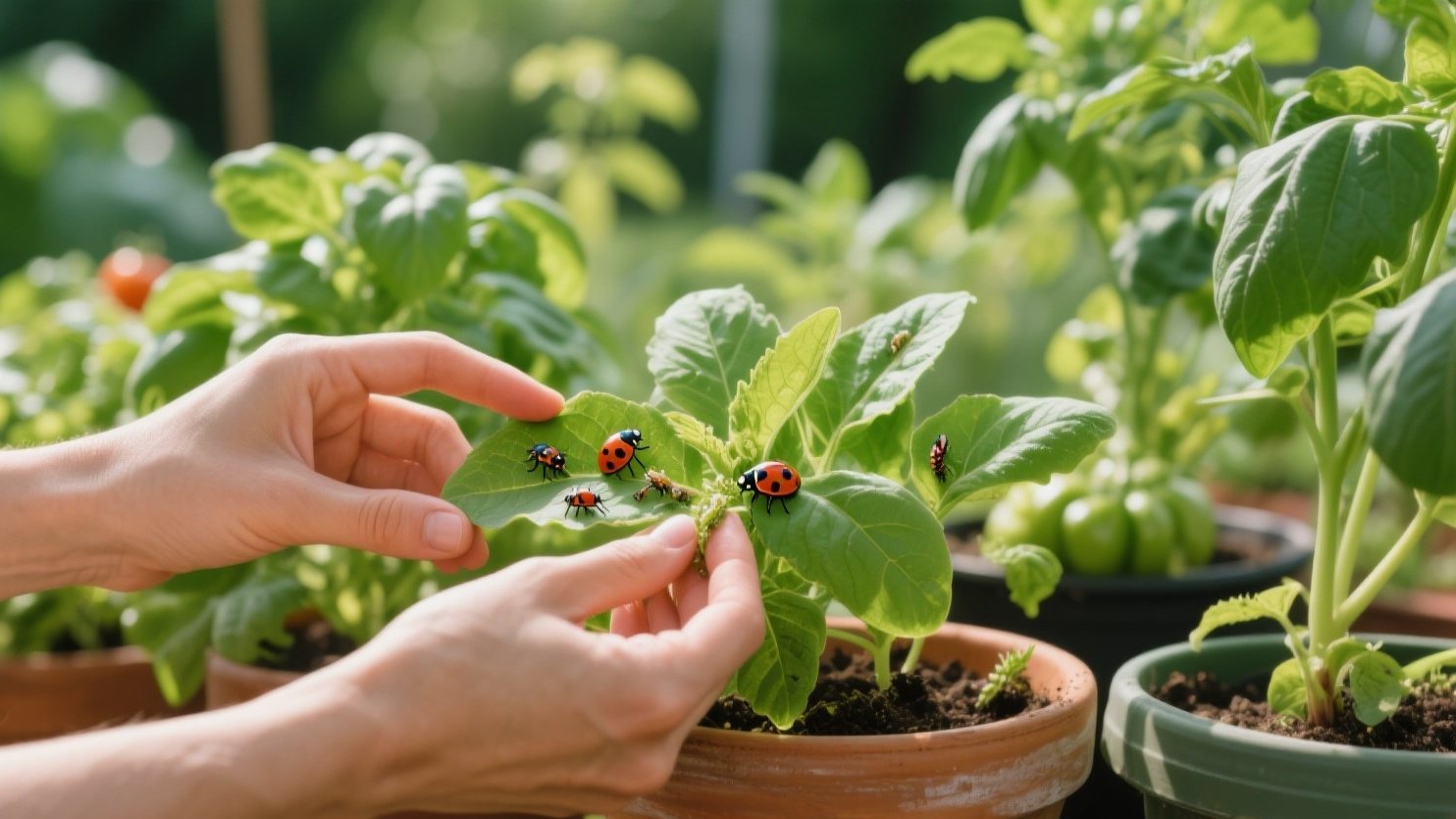
3. Introduce Beneficial Insects
- Ladybugs, lacewings, and predatory mites eat harmful pests
- Supports natural balance in your garden ecosystem
4. Homemade Remedies
- Garlic, chili, or neem sprays repel many pests
- Mix water, a few drops of mild soap, and spray on plants
5. Barriers and Traps
- Copper tape or crushed eggshells deter slugs and snails
- Yellow sticky traps catch flying insects like whiteflies or fungus gnats
Step 4: Monitoring and Ongoing Care 🌱🕵️
- Record observations: Track pest sightings, weather conditions, and treatments
- Adjust naturally: Repeat treatments as needed rather than relying on chemicals
- Celebrate beneficials: Encourage insects that pollinate or protect plants
Step 5: Tips for a Thriving, Pest-Resistant Garden 🌿💡
- Diverse Plantings: Monocultures attract pests; variety deters them.
- Watering Techniques: Avoid overwatering to prevent fungus gnats.
- Healthy Soil: Rich soil supports strong plants and natural pest resistance.
- Timing: Plant early or late to avoid peak pest seasons.
- Observation Over Reaction: Identify the pest first, then choose the safest control.
Final Thoughts: Protect Plants, Respect Nature 🌿💛
Managing garden pests naturally is less about eradication and more about balance. By identifying pests early, maintaining healthy plants, and using chemical-free methods, you can grow vibrant, thriving gardens safely.
Remember: every garden has pests, but with care and observation, you can keep them under control — and enjoy the satisfaction of a flourishing, eco-friendly outdoor space. 🌱✨