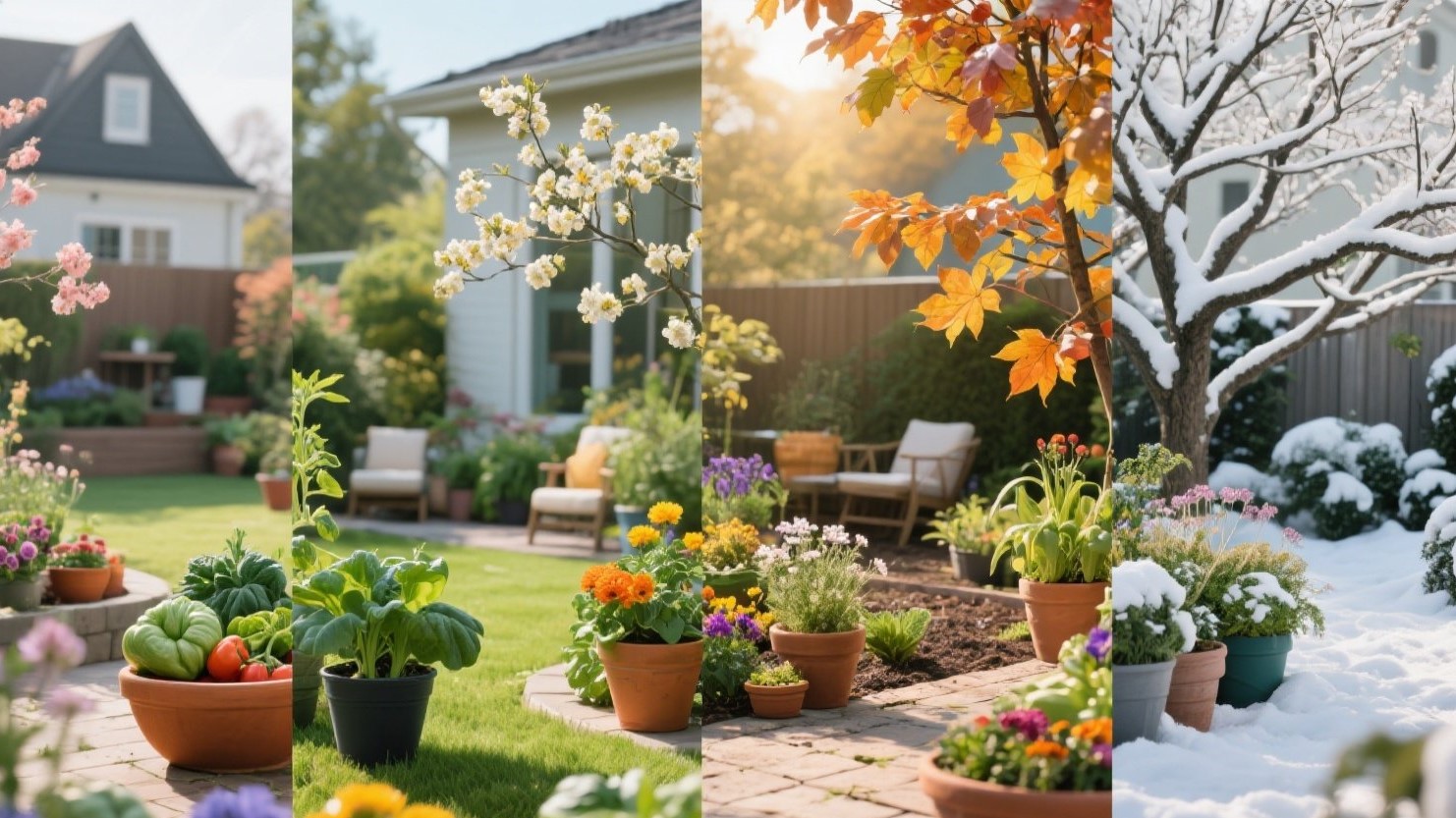
Introduction: Missed Fall? You Can Still Get Color 🌿
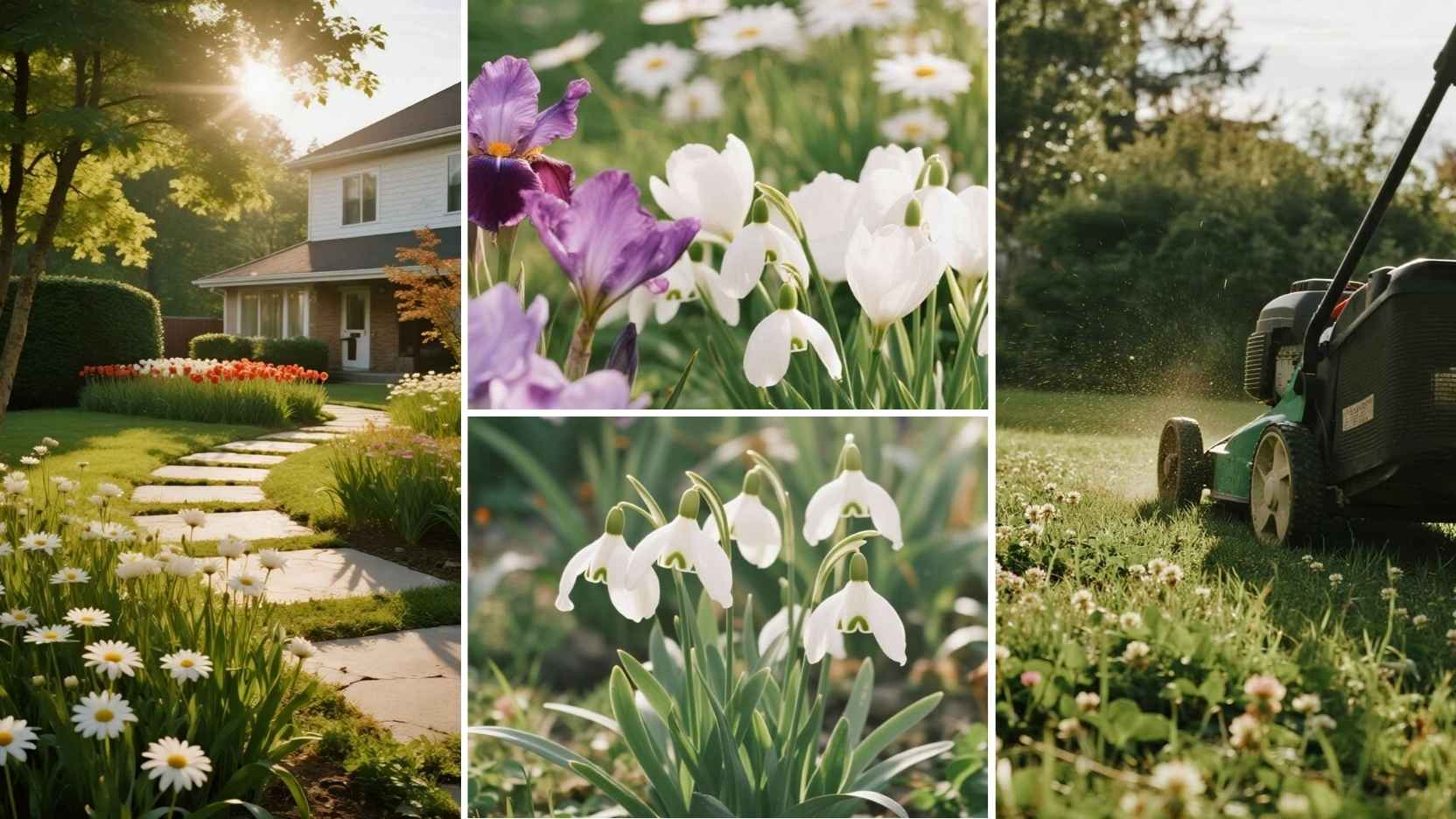
You didn’t plant in autumn—no worries, you can still have flowers this year. The trick is choosing crops that don’t require a long cold spell or buying pre-chilled stock from garden centers. Pair fast-blooming tubers and bulbs with cool-season annuals, and you’ll bridge spring into summer beautifully. 🙂
Early spring strategy works like a relay race: cool-season color runs first, then warm-season stars take the baton. Pre-sprouting and spacing give you a head start without sacrificing bloom size. Follow the decision tree below by zone, and use the storage tips to keep extras in top shape. 🧭
Plant-Now, Bloom-This-Year Stars: Dahlias, Ranunculus, and Lilies 🌺
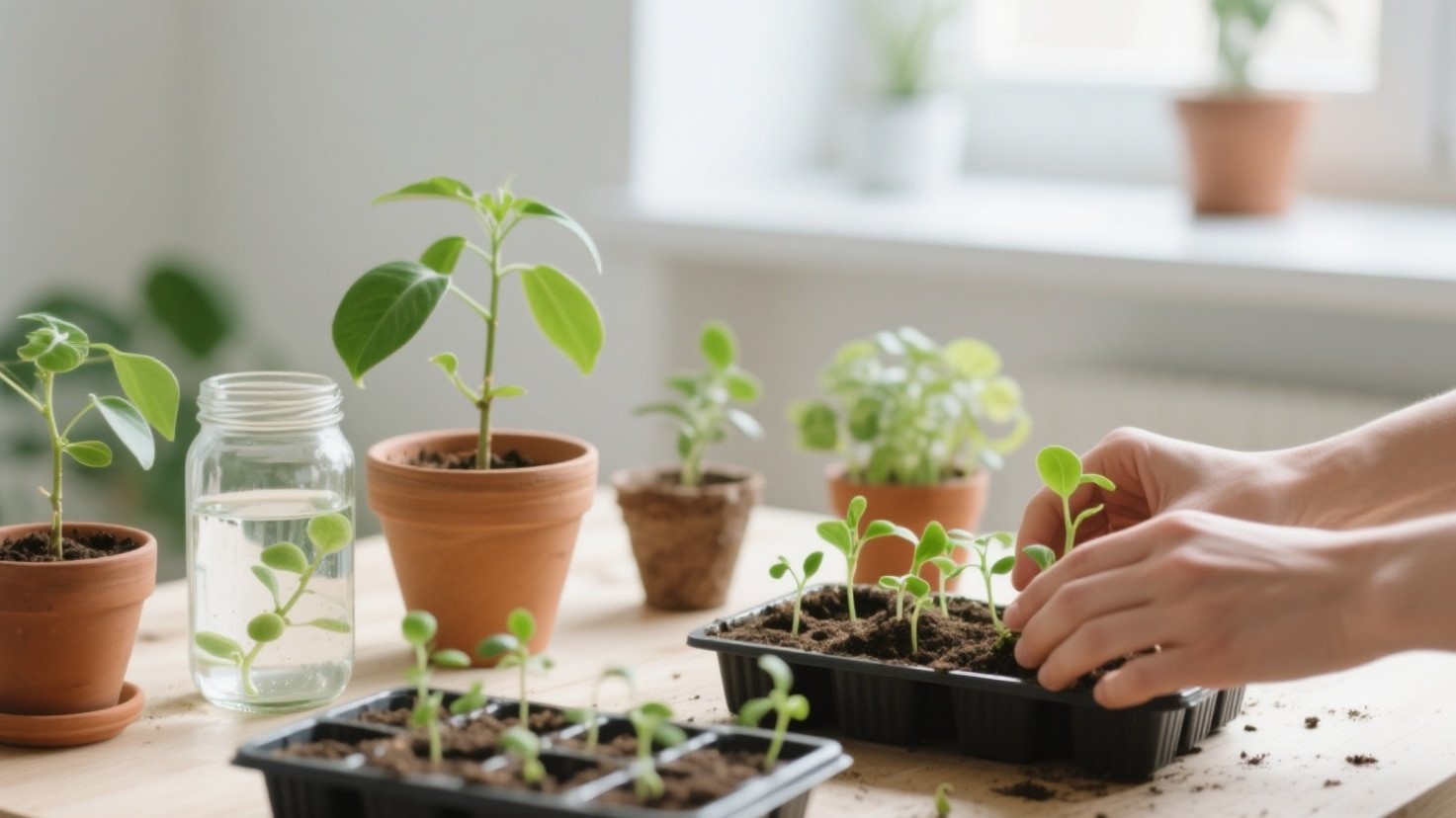
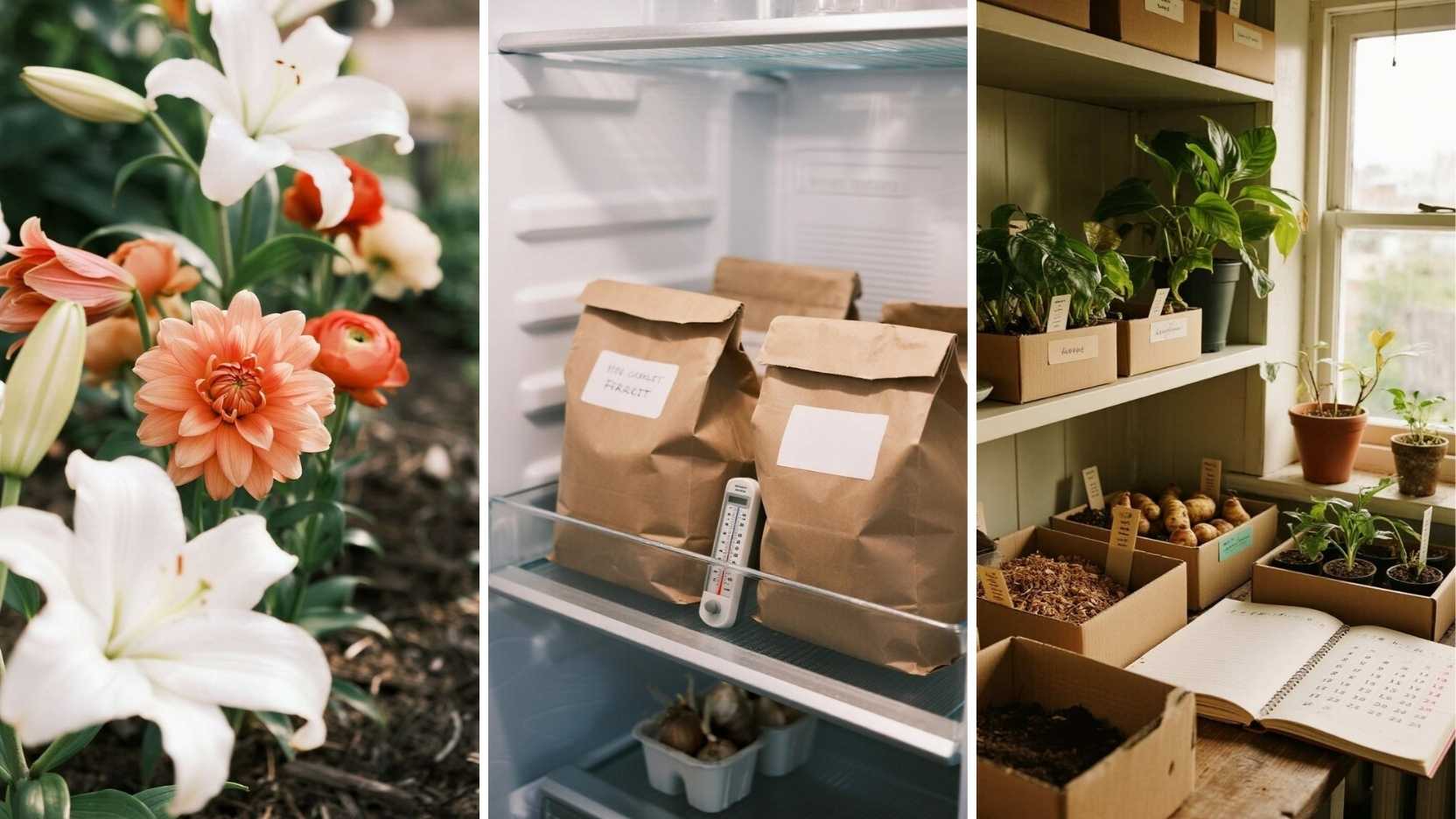
Dahlias from tubers will flower the same season if planted after your last frost and given 6–8 hours of sun. Pre-sprout in trays indoors for two weeks to shave time off the clock, then transplant once soil warms. Pinch when 8–10 inches tall to get bushier plants and more stems. 💪
Ranunculus corms deliver luxury blooms in late spring where nights are cool; soak, pre-sprout, then plant in well-drained beds. In warmer zones, give afternoon shade and consistent moisture to extend flowering. Lilies (Asiatic or LA hybrids) often bloom the first year from quality bulbs planted in spring, especially if pre-chilled by the seller. 🌼

Cool-Season “Instant Color” Companions: Snapdragons, Pansies, Iceland Poppies 🌤️
While tubers root in, plant cool-season annuals for immediate color and pollinator traffic. Snapdragons, pansies/violas, and Iceland poppies handle chilly nights yet bloom quickly from nursery starts. Tuck them along bed edges so they won’t block summer risers. 🐝
Deadhead weekly and feed lightly to keep flowers coming until heat arrives. Choose colors that harmonize with your later show—think soft pastels for ranunculus or brights for dahlias. When summer heat builds, pull spent plants and let warm-season stars take center stage. 🎨

“Force” or Chill: How to Salvage Bulbs You Own 🧊
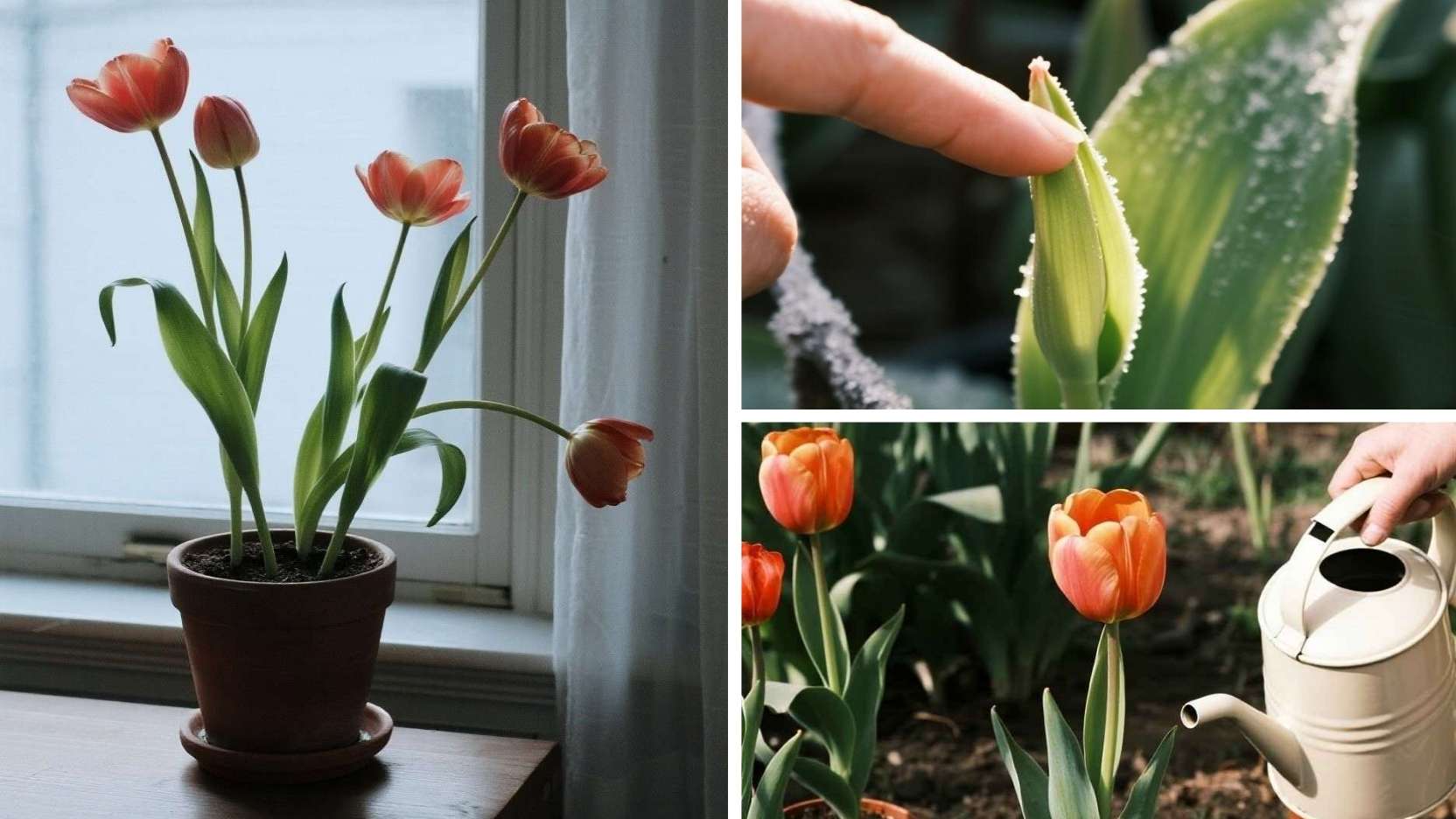
Some bulbs need a cold period to bloom well; you can simulate winter in a refrigerator. Place clean, dry bulbs (like tulips or hyacinths) in breathable bags at 35–45°F (2–7°C) for roughly 10–14 weeks. Keep them away from ripening fruit to avoid ethylene exposure that shortens bloom life. 🍎
After chilling, pot or plant into cool soil and keep evenly moist—not soggy—until top growth takes off. For staggered color, start small batches every two weeks. If your climate is mild, forcing in pots is often the simplest path to reliable spring display. 🪴

Quick Decision Tree by USDA Zone 🌍
- Zones 3–5 (cold spring): Start ranunculus under cover or in low tunnels and plant dahlias after last frost; lean on snapdragons and violas now. If you have unchilled tulips, force them in pots and keep outdoors in a sheltered, cold spot to root. Transplant forced pots to beds once shoots are 2–3 inches tall. ❄️
- Zones 6–7 (temperate spring): Direct-plant ranunculus and lilies early; pre-sprout dahlias indoors. Use Iceland poppies and pansies for front-of-bed color while dahlias bulk up. Consider weekly succession of snapdragon starts to keep beds full through June. 🌱
- Zones 8–9 (mild to warm): Plant ranunculus very early or provide afternoon shade and thick mulch; plant lilies where they get morning sun. Pre-sprout dahlias and transplant once nights are reliably above 50°F (10°C). Use heat-tolerant violas or dwarf snapdragons as your quick color. ☀️
- Zones 10–11 (warm/winter-dry or subtropical): Focus on dahlias with good airflow and drip irrigation; choose Oriental-Asiatic lilies in partial sun. Ranunculus needs the coolest window—plant early and mulch heavily or grow in lightly shaded containers. Skip forcing bulbs unless you can refrigerate and grow in pots in a cooler microclimate. 🌴
Storage, Labeling, and Succession Tips ⚙️
Store extra tubers and corms cool (40–50°F / 4–10°C), dark, and dry in breathable media like dry peat or wood shavings. Label by variety and date so you can track vigor and bloom windows. Check monthly; discard anything soft or moldy and refresh medium if damp. 🏷️
For continuous color, plan two waves: early cool-season annuals, then warm-season tubers/bulbs. Stagger plantings every 2–3 weeks for ranunculus to stretch the show. Feed lightly with a balanced fertilizer once buds set, then switch to a bloom-boosting formula if leaves are lush but flowers are shy. 🌟

Wrap-Up: Build a Spring-to-Summer Bloom Bridge 🌈
Combine instant annual color with smartly timed tubers and bulbs to bloom this year—even if you skipped fall. Use pre-sprouting, gentle pinching, and zone-wise timing to stack the deck in your favor. With a simple storage and succession plan, your early spring plantings will glide right into summer. ✨