Introduction: Why the Right Tools Matter 🌱💡
Gardening is as much about technique as it is about passion. Using the right tools properly can save time, prevent injury, and improve plant health. Whether you’re tending a small balcony garden or a backyard oasis, having essential equipment and knowing how to use it makes all the difference.
This guide introduces the must-have gardening tools for beginners and experienced gardeners alike, along with practical tips for safe and effective use. With the right approach, gardening becomes easier, more enjoyable, and far more rewarding. 🌿✨
Step 1: Hand Tools – The Foundation of Gardening 🛠️
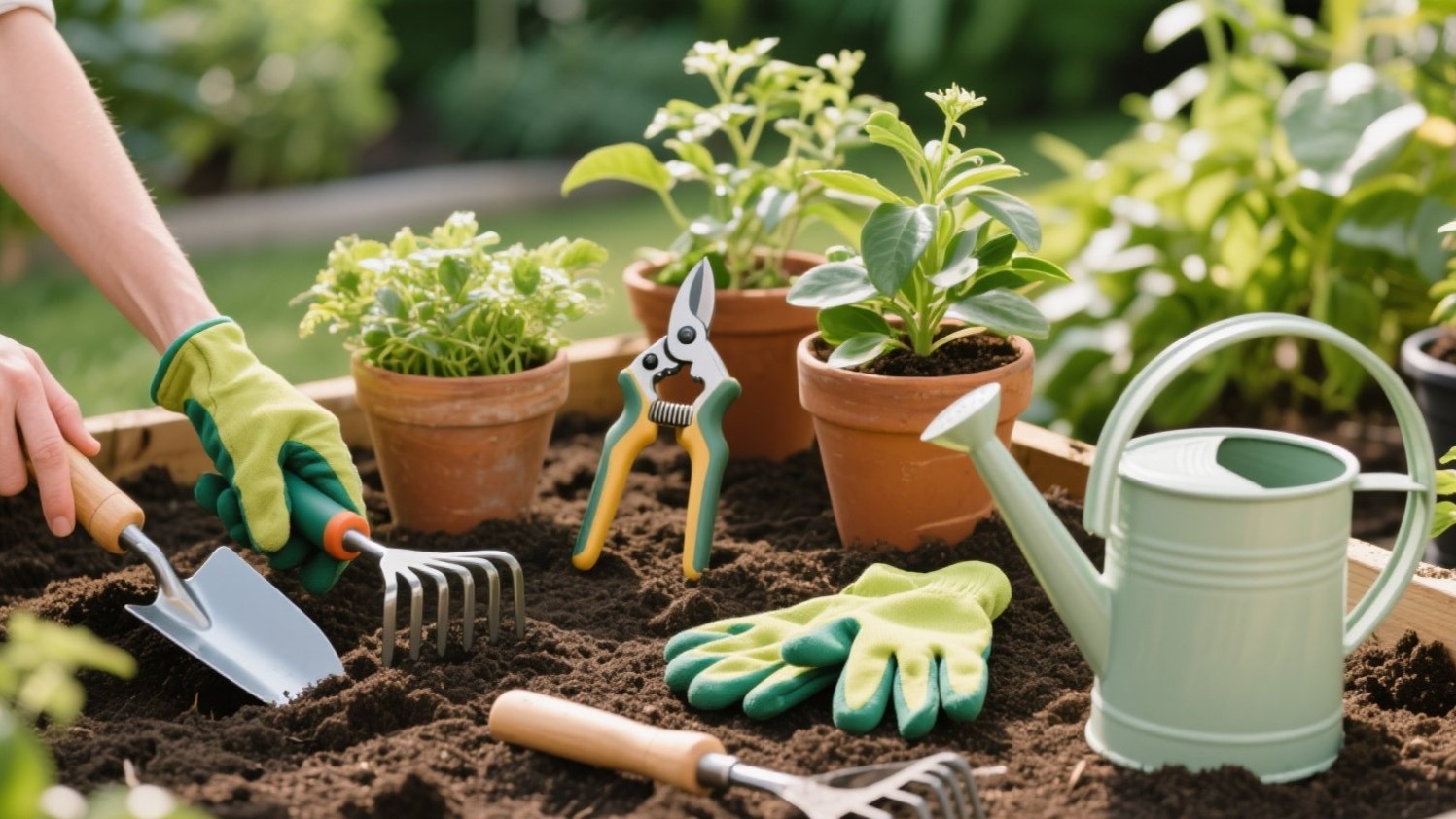
1. Hand Trowel
- Use: Dig small holes, transplant seedlings, and remove weeds
- Tip: Choose a sturdy, ergonomically designed trowel; clean after each use
2. Hand Fork / Cultivator
- Use: Loosen soil, aerate pots, mix compost
- Tip: Work gently to avoid damaging roots
3. Pruning Shears (Secateurs)
- Use: Trim branches, cut dead or damaged stems
- Tip: Keep blades sharp and disinfect to prevent disease spread
4. Weeder
- Use: Remove deep-rooted weeds without disturbing nearby plants
- Tip: Pull slowly to ensure complete root removal
Step 2: Long-Handled Tools – Reduce Strain and Cover More Ground 🌿
1. Garden Hoe
- Use: Break up soil, remove weeds, prepare beds
- Tip: Angle the hoe correctly and use smooth strokes to avoid damaging plants
2. Spade / Shovel
- Use: Dig larger holes, turn soil, move compost or mulch
- Tip: Bend knees, not your back, when lifting heavy soil
3. Rake
- Use: Level soil, gather leaves, smooth mulch
- Tip: Choose the right rake for the job: metal for soil, plastic/wood for leaves
4. Garden Fork / Pitchfork
- Use: Turn compost, aerate soil, move bulky materials
- Tip: Use steady, even pressure to avoid bending tines
Step 3: Watering Tools – Keep Plants Hydrated 🌿💦
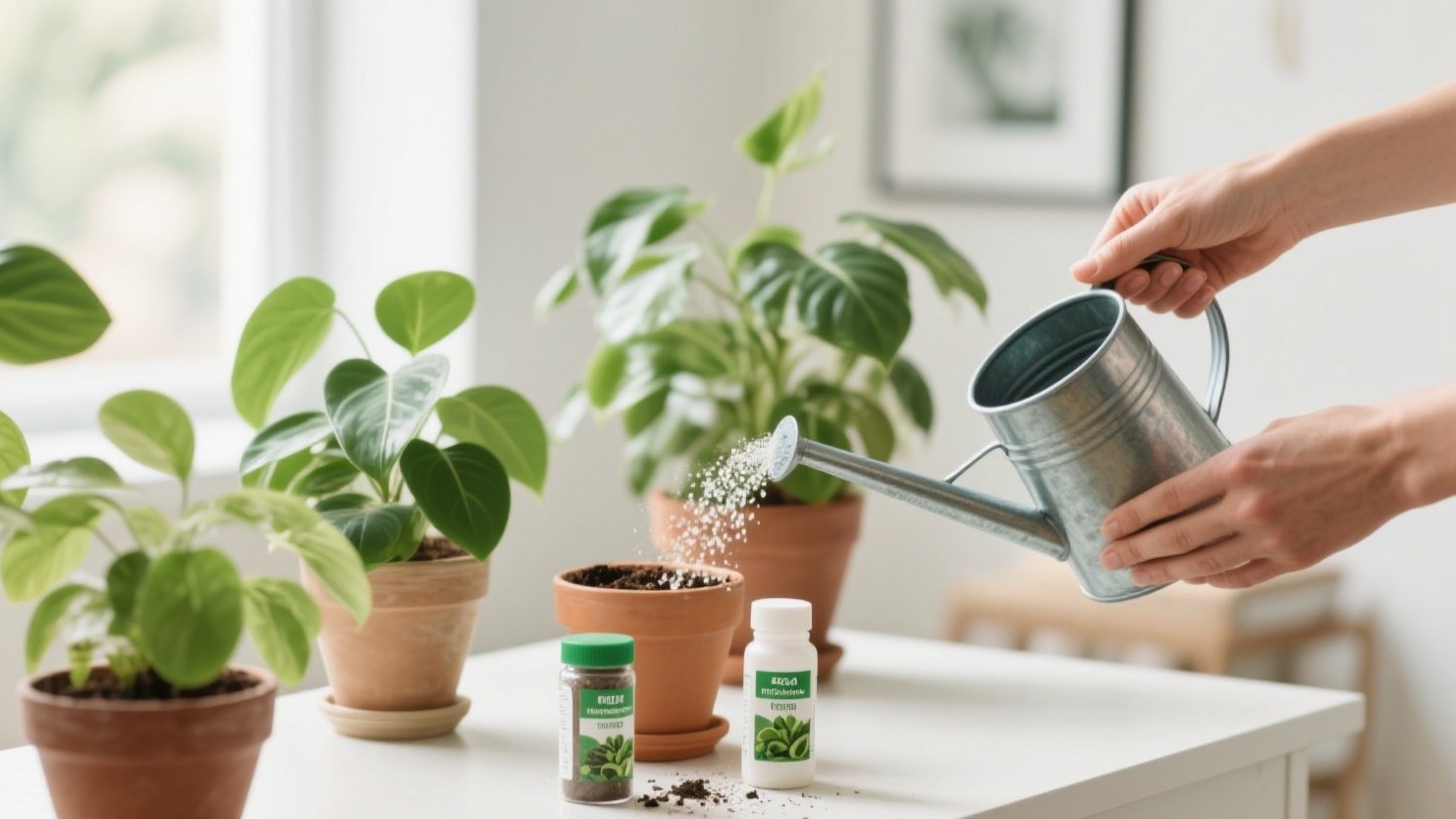
1. Watering Can
- Use: Water seedlings and container plants evenly
- Tip: Choose one with a detachable rose (sprinkler head) for versatility
2. Hose with Nozzle
- Use: Cover larger areas, wash soil off leaves, fill containers
- Tip: Use adjustable spray to prevent damage to delicate plants
3. Soaker Hose / Drip Irrigation
- Use: Slow, deep watering for beds and vegetable gardens
- Tip: Position carefully to avoid overwatering
Step 4: Safety and Maintenance Gear 🛡️🌱
1. Gloves
- Protect hands from thorns, soil bacteria, and blisters
- Choose breathable, durable materials for comfort
2. Knee Pads or Garden Kneeler
- Reduce strain when planting or weeding
- Essential for prolonged gardening sessions
3. Tool Cleaning Supplies
- Brush, mild detergent, and disinfectant for hygiene
- Regular maintenance extends tool life and prevents disease
4. Storage
- Keep tools in a dry, organized space to prevent rust and damage
Step 5: Using Tools Effectively – Techniques and Tips 🌿💡
- Use the Right Tool for the Job – Avoid improvising; improper tools can harm plants or cause injury.
- Keep Tools Sharp and Clean – Sharp tools cut efficiently; disinfect to prevent disease transmission.
- Store Tools Properly – Hanging tools off the ground prevents rust and accidents.
- Use Correct Body Mechanics – Bend knees, not your back; alternate hands for symmetrical strain relief.
- Inspect Tools Regularly – Check for cracks, loose handles, or bent tines before each use.
Final Thoughts: Master Your Tools, Master Your Garden 🌿💛
Gardening is a journey that becomes far more enjoyable and productive when you have the right tools and use them correctly. From digging and planting to watering and pruning, each tool has a purpose and, when handled properly, helps your garden thrive.
Remember: investing time in learning tool use and maintenance pays off with healthier plants, less strain, and a more rewarding gardening experience. Equip yourself wisely, care for your tools, and watch your garden flourish. 🌱✨