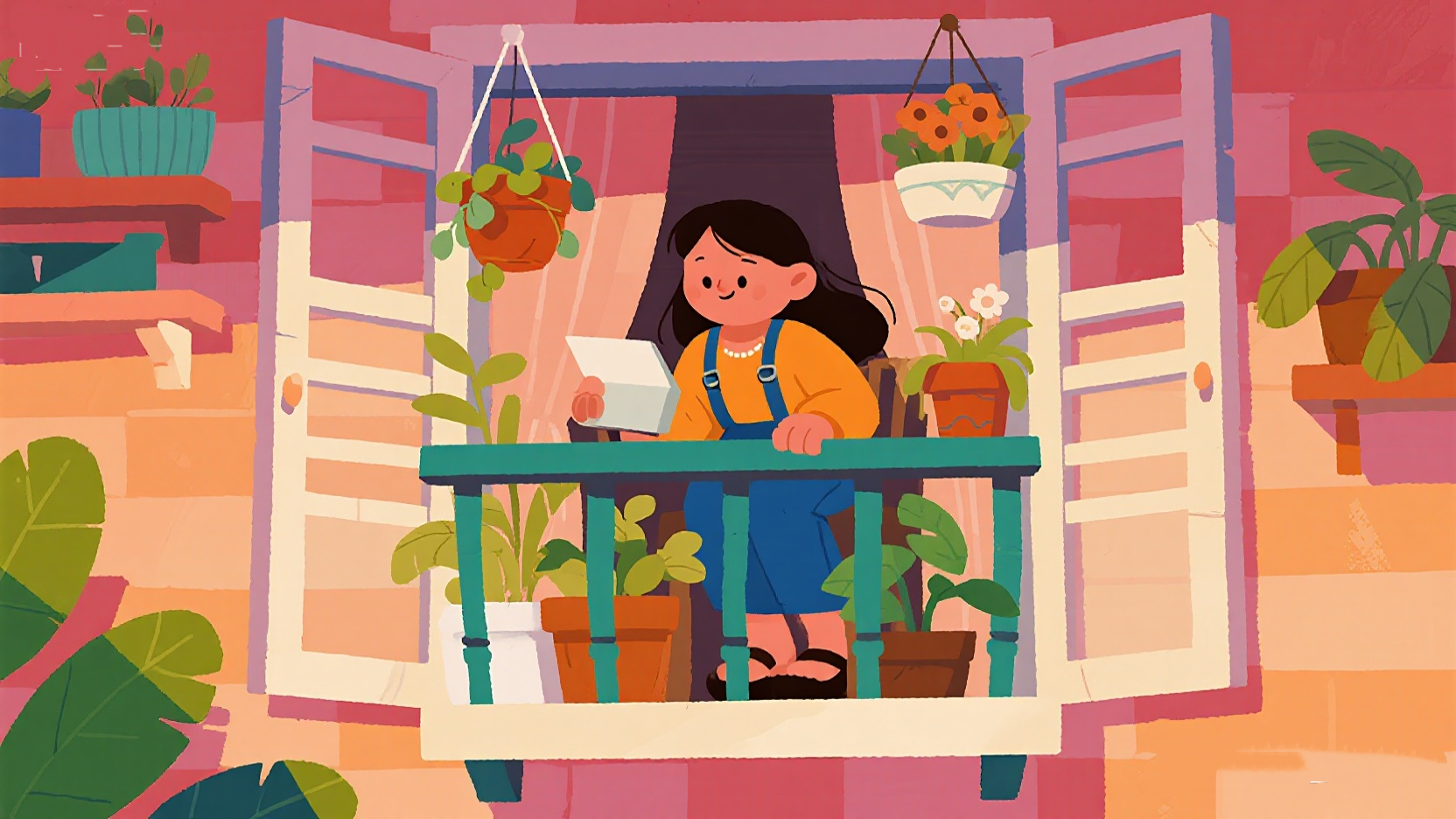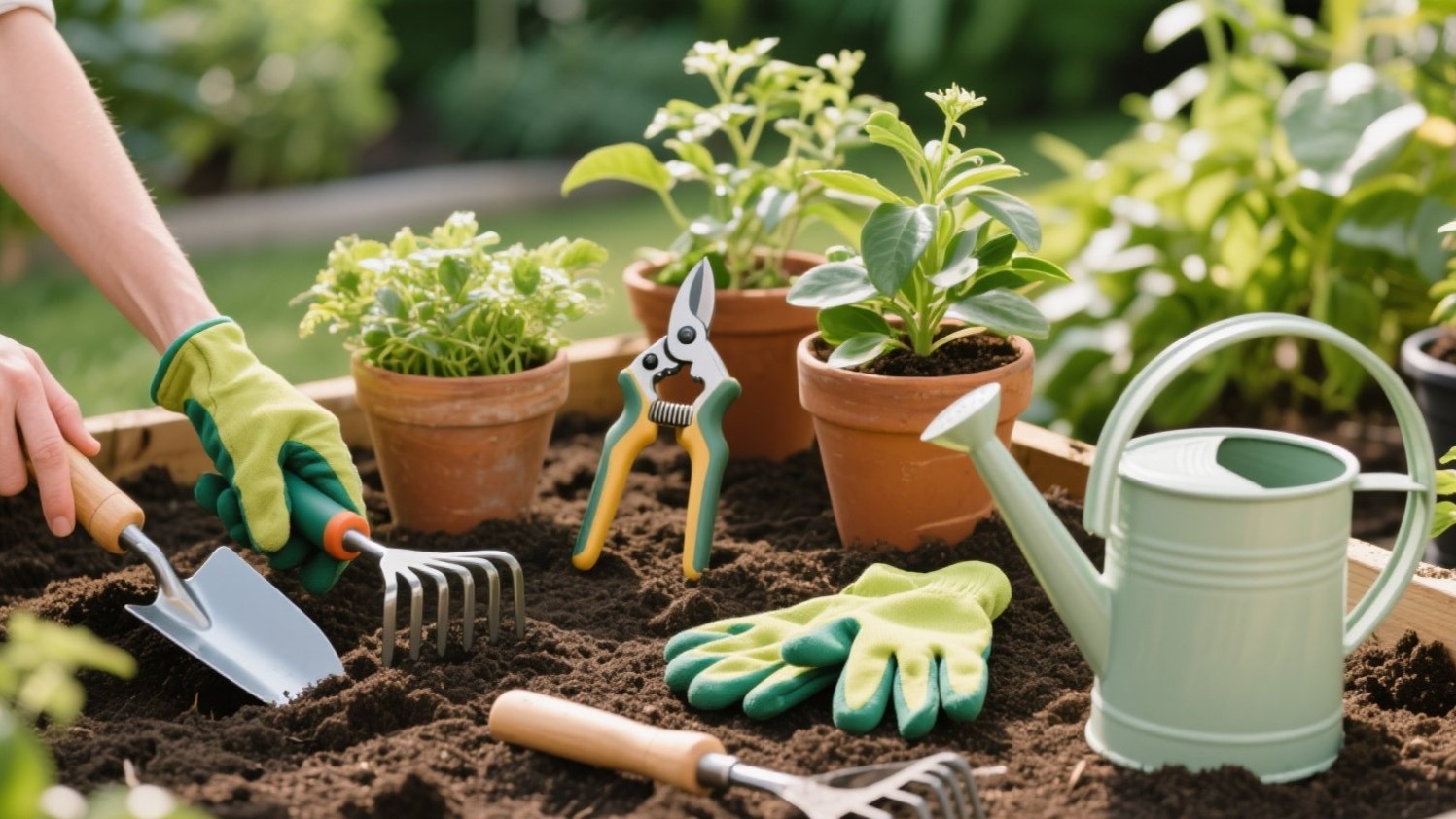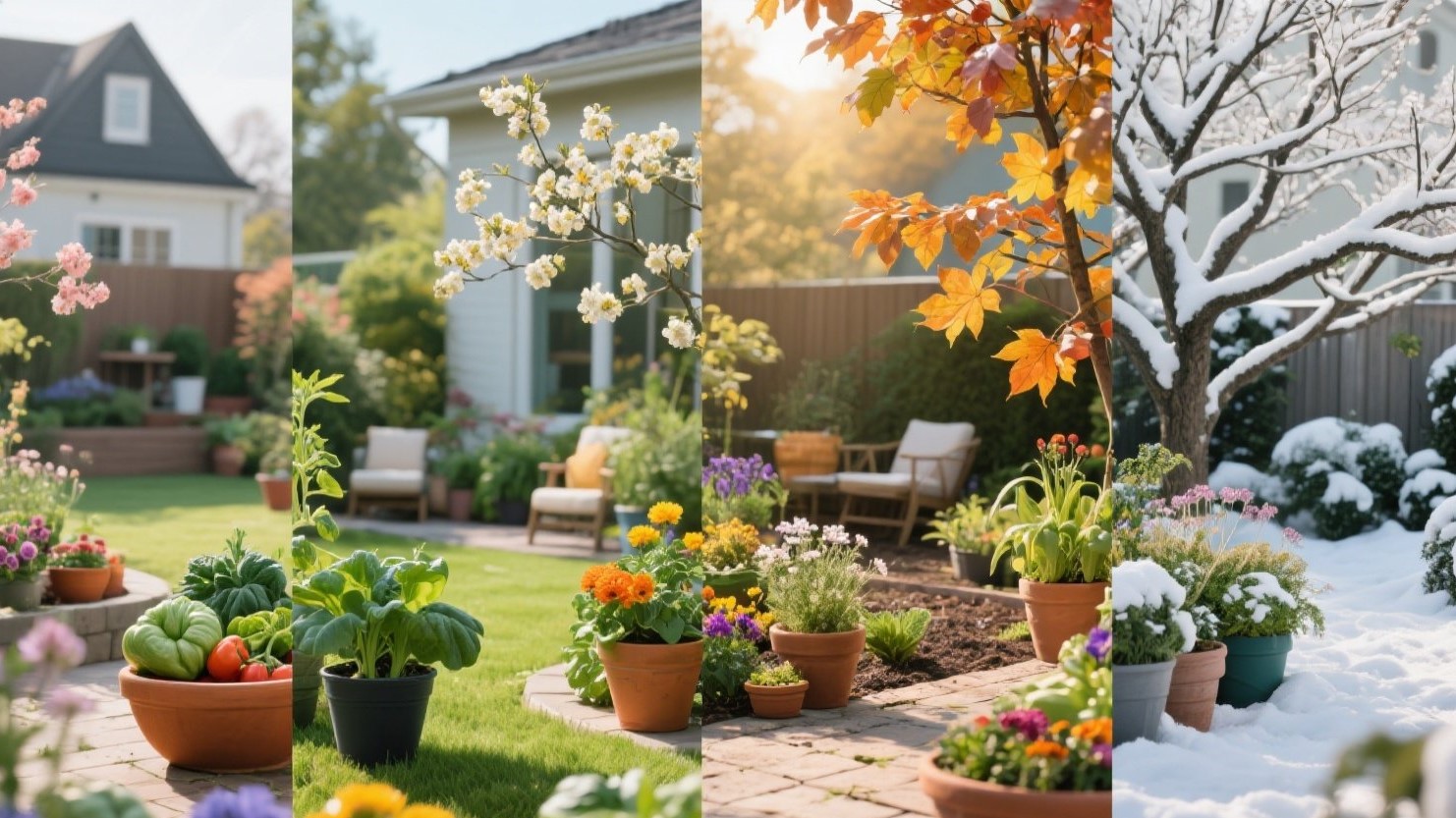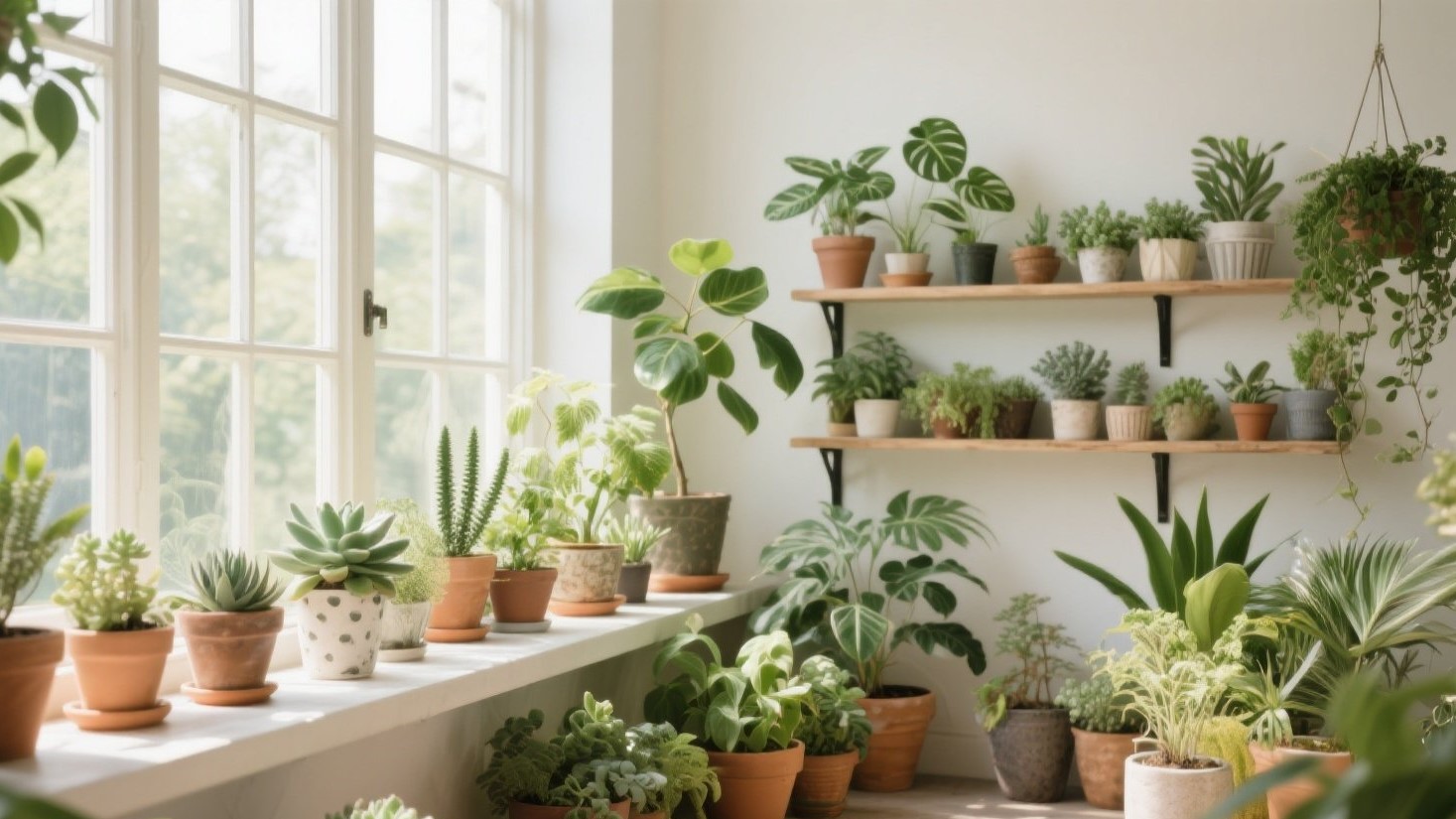
My first year of balcony gardening was filled with promise—and plenty of things that didn’t work. Now, in my second season, everything feels different: more plants, smarter systems, better containers, and far less guesswork. I was inspired by a fellow gardener who shared their ambitious setup online, detailing a complex sub-irrigation system for dozens of containers on a modestly-sized balcony. That motivated me to step up my game. Here’s how I moved from “trial and error” to a truly productive balcony garden in year two.
Learning from the First-Year Experiment
Year one was a fun but messy learning experience. I started too late in the season, overcrowded my space with an unrealistic number of plants, and chose containers that were more decorative than functional. I quickly learned that balcony gardening requires you to work in harmony with your space, not fight against its limitations. As one seasoned gardener aptly put it, reflecting on their own early missteps, the key is understanding your environment from the start.

A Strategic Overhaul of the Container System
My second-year success hinged on three major upgrades to my container setup:
- Smarter Container Choices: I graduated from an assortment of small, shallow pots to broader, deeper containers. This provided better root systems and more stable moisture levels. I shifted my mindset from trying to maximize production to optimizing for health and ease of care, realizing that a few thriving plants are far more rewarding than many struggling ones.
- Implementing Sub-Irrigation: The single biggest game-changer was installing a simple sub-irrigation system. By using reservoirs and wicking mechanisms beneath a rack of pots, I achieved consistent soil moisture and dramatically reduced watering stress. This move was inspired by other urban gardeners who praised the system’s efficiency.
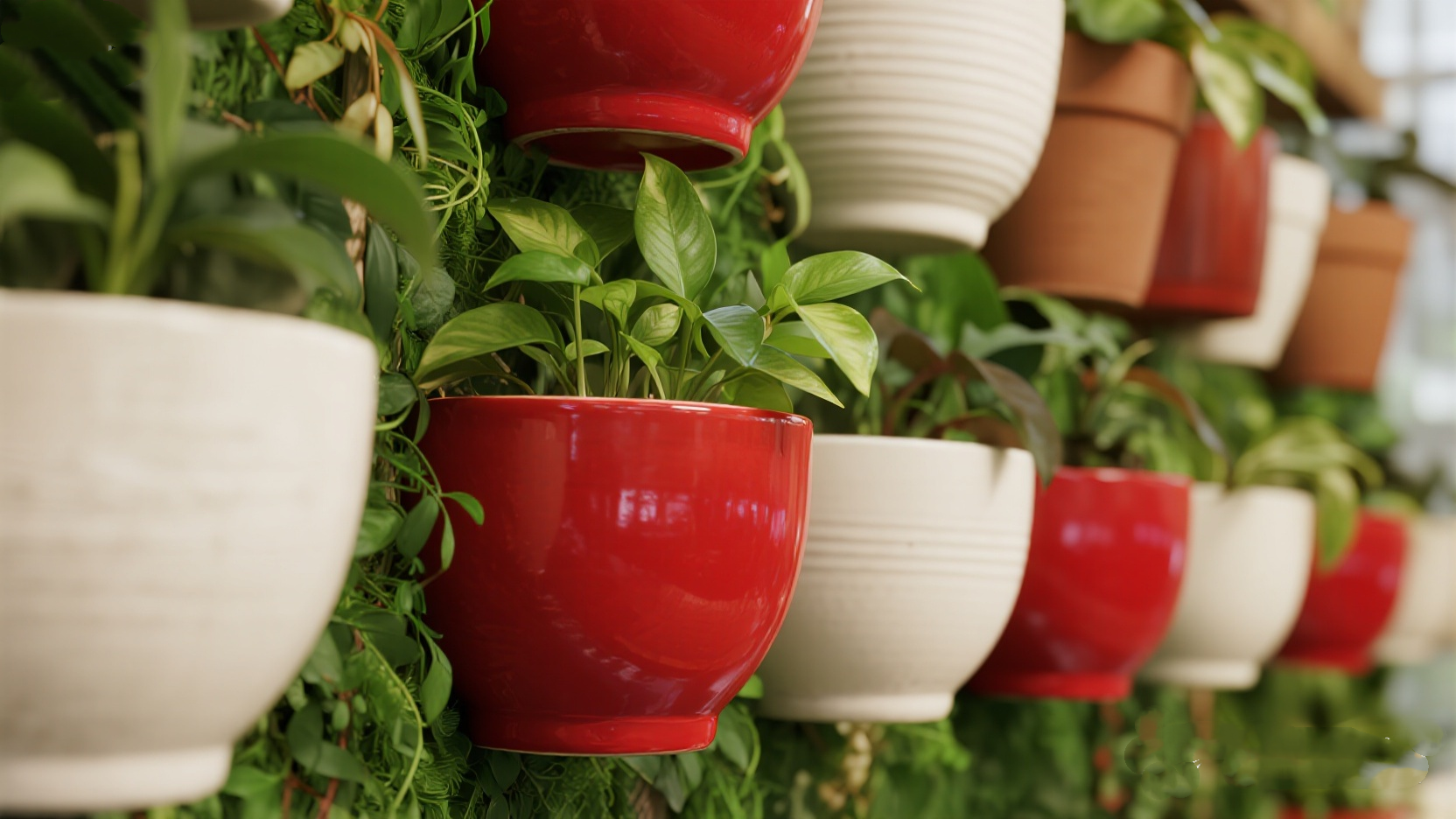
- A Thoughtful Layout: Instead of a haphazard arrangement, I strategically grouped plants with similar needs. I positioned taller plants toward the sunnier side and utilized vertical space with railing planters. This organization not only improved plant health but also made daily maintenance and harvesting much simpler.
Mastering Light and Timing

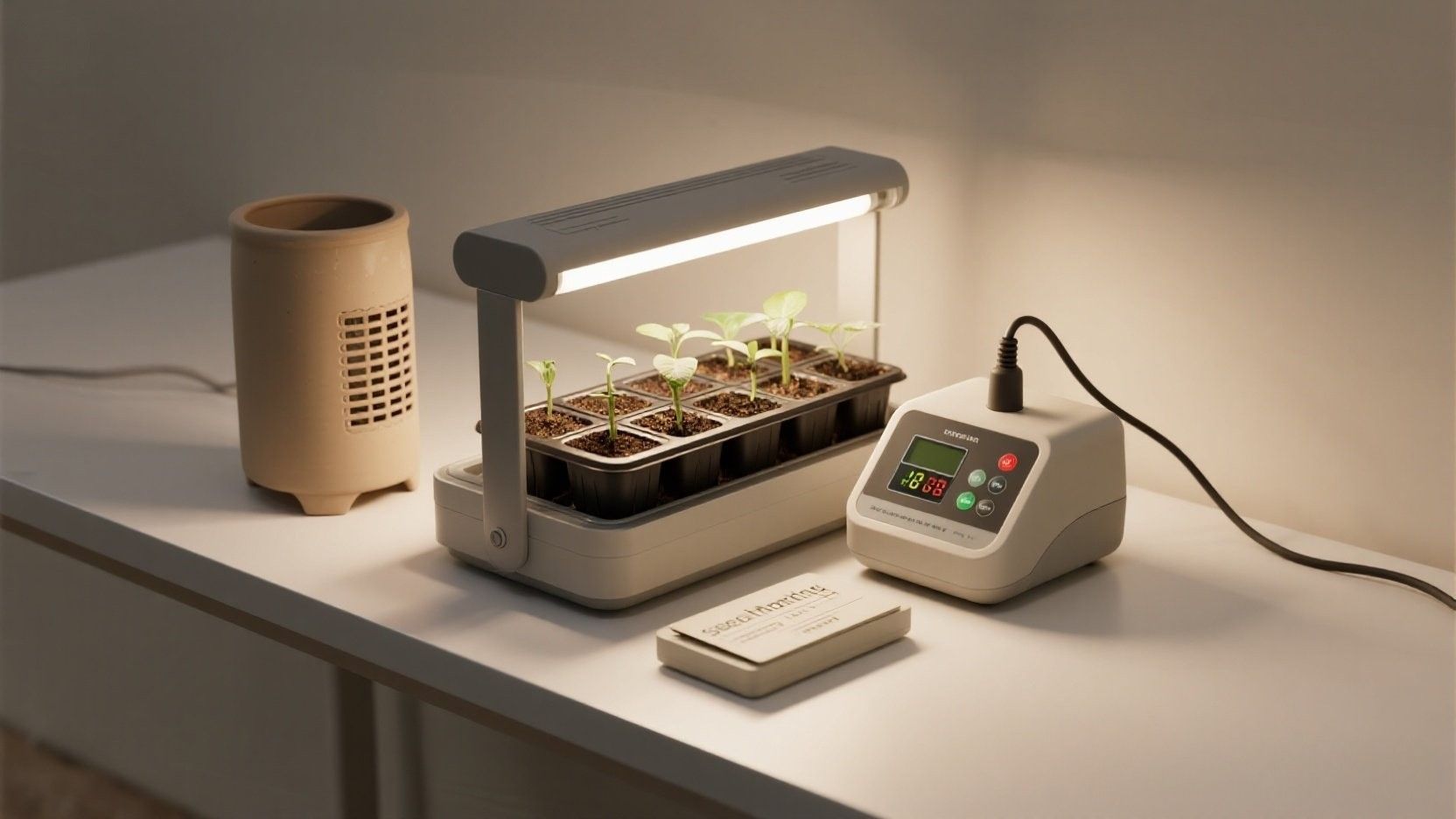
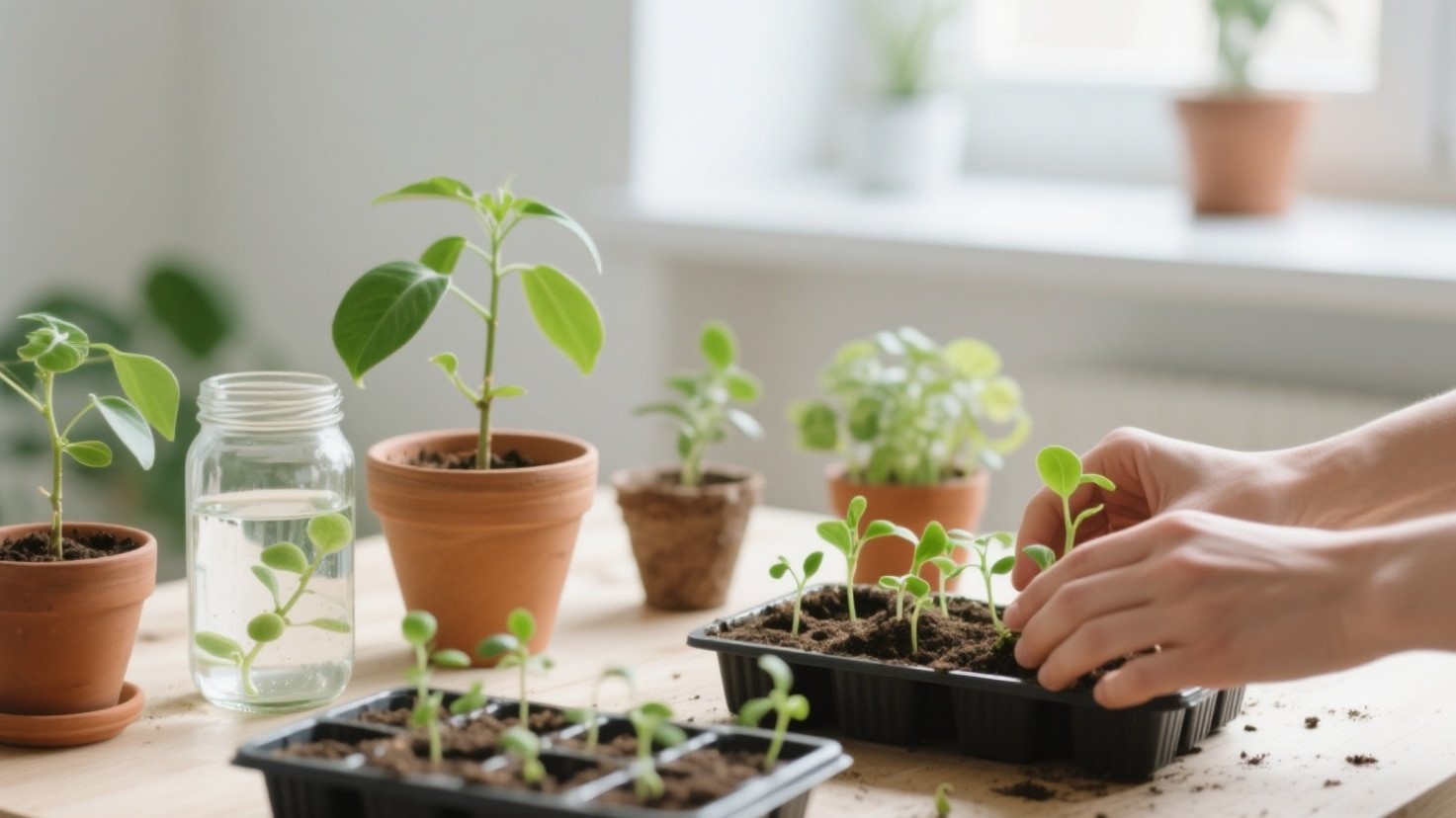
A critical lesson from year one was the importance of timing and light management. This season, I started my seeds weeks earlier indoors. Since my balcony only receives partial sun, I became more deliberate about monitoring light patterns and rotating plants every few weeks to ensure they all received adequate exposure. This proactive approach, often recommended by experts, is essential for making the most of limited light conditions.
Curating a Purposeful Plant Palette
I significantly narrowed my focus from a wide array of experimental crops to a curated selection of plants proven to thrive in containers on my balcony. My current lineup includes reliable producers like cherry tomatoes, bell peppers, a variety of herbs, and a few flowers to attract pollinators. The philosophy of “fewer plants, more attention” led to healthier growth and more substantial harvests.
Prioritizing Soil Health and Nutrition
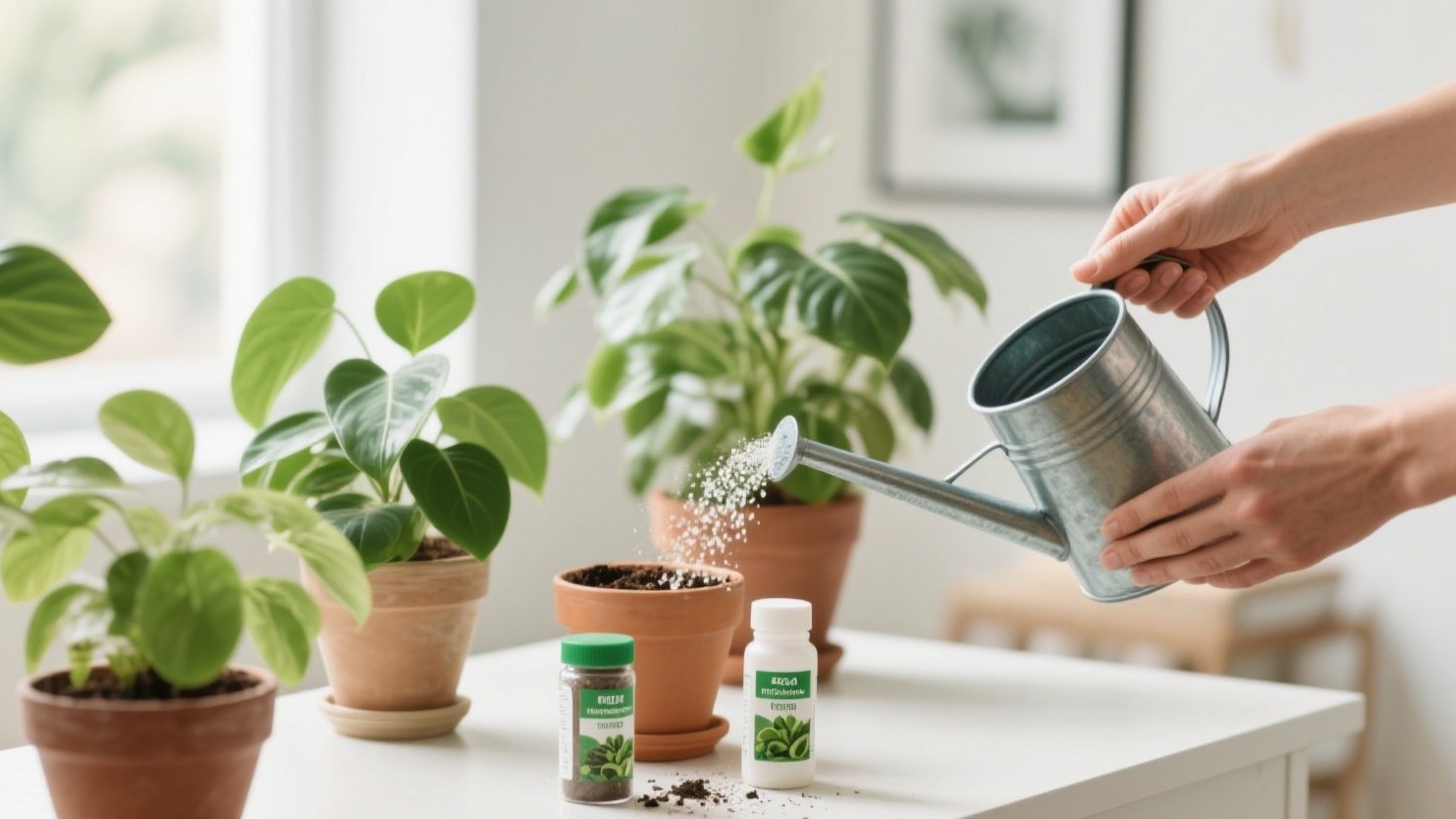
In year one, I used a basic potting mix and hoped for the best. This time, I refreshed the soil in my containers, incorporated compost for nutrients, ensured excellent drainage, and established a monthly feeding schedule with a balanced organic fertilizer. Containers quickly deplete available nutrients, so consistent feeding is non-negotiable for sustained plant health.

Streamlining Watering with Irrigation
The sub-irrigation system revolutionized my routine. Instead of the daily chore of top-watering—which often led to uneven moisture and runoff—the reservoir system provides consistent, bottom-up hydration. This not only saved me significant time during the peak of summer but also resulted in noticeably less stressed, more vigorous plants.
Committing to Consistent Maintenance
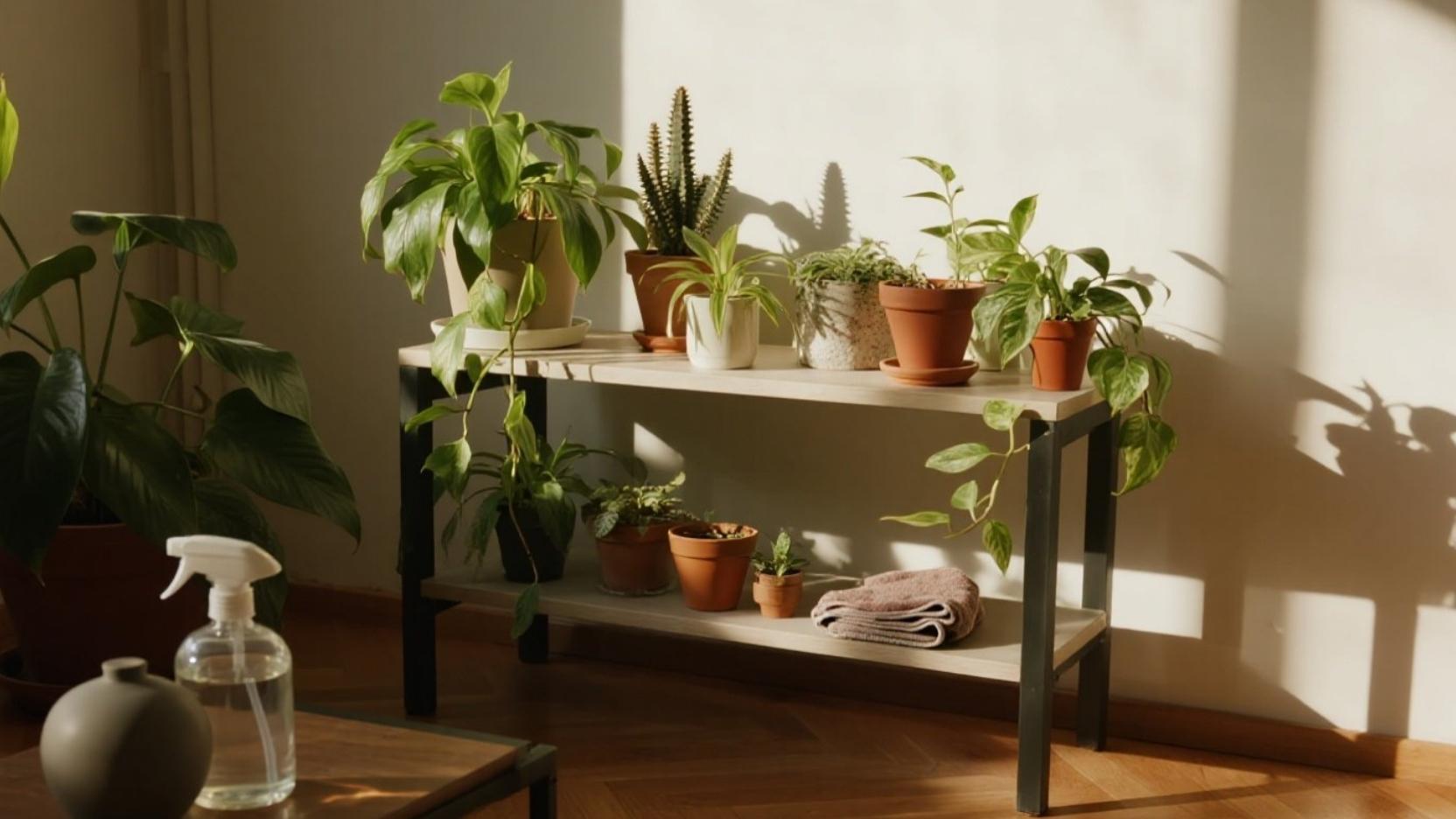
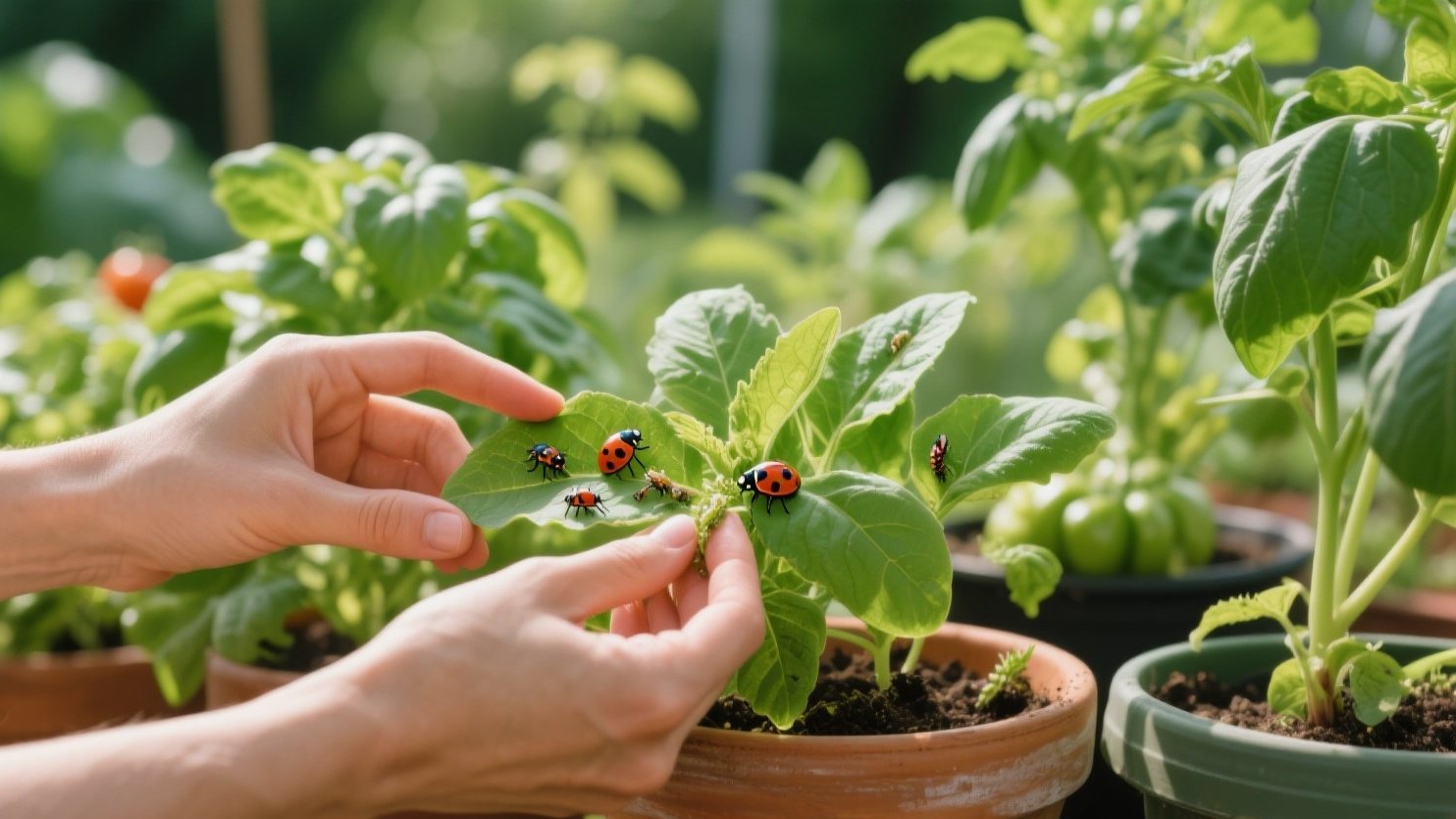
Year two is not a “set it and forget it” endeavor. I maintain a daily habit of checking for pests, signs of disease, and soil moisture. I also instituted a weekly pot rotation to prevent any plant from being permanently stuck in a suboptimal spot. Container gardening is dynamic, and regular, small interventions prevent major problems down the line.
Embracing Flexibility and Making Adjustments
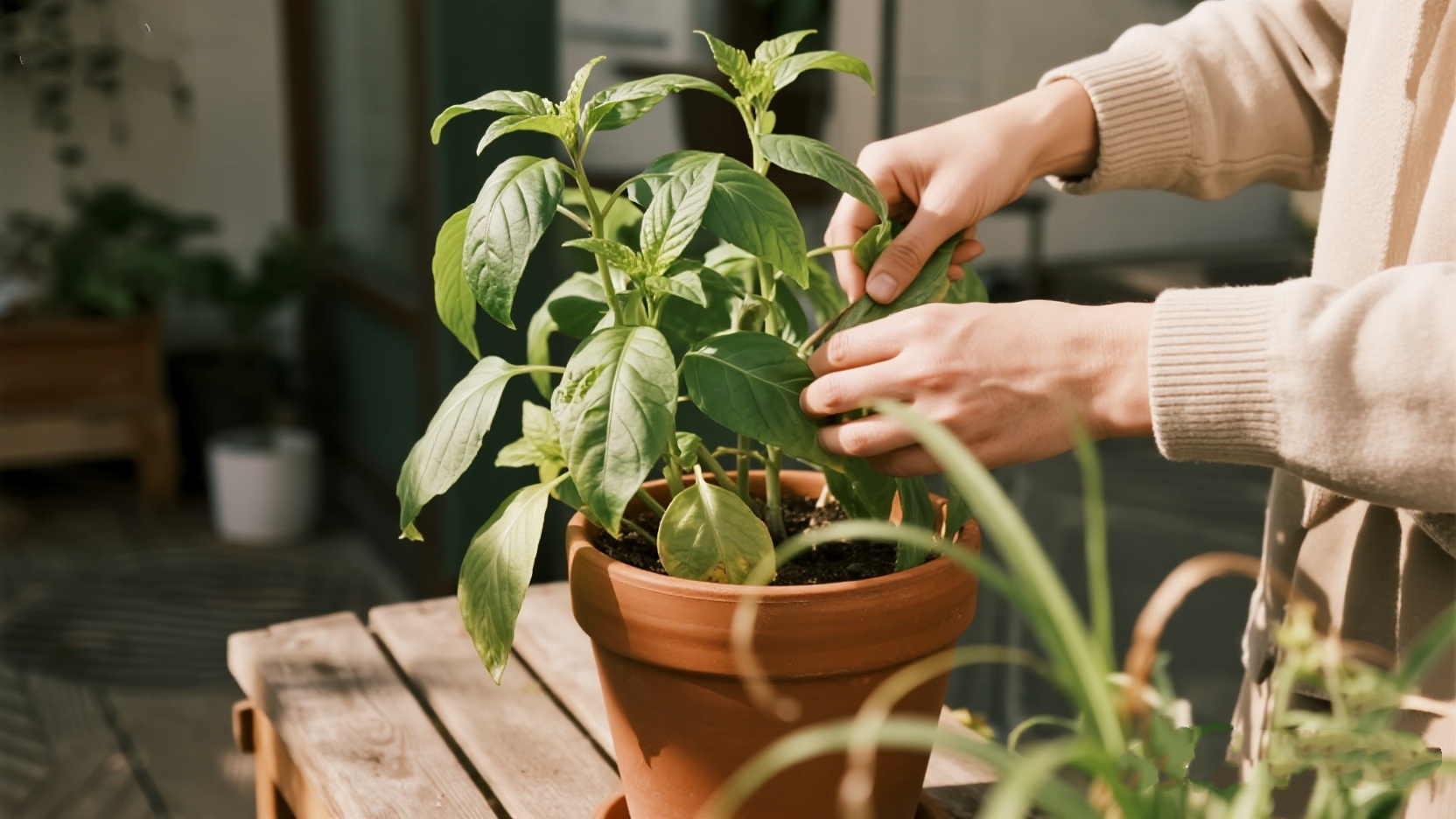
Even with a better plan, I’ve had to make adjustments. Some containers are still slightly too small for certain plants, but I’ve learned that perfection isn’t the goal. As one gardener wisely noted, small yields can be deeply satisfying. I’ve become comfortable with pruning to control size or interplanting herbs to maximize space, embracing the iterative nature of gardening.

Reaping the Rewards of a Refined System
The results have been undeniable: more consistent harvests, significantly less wasted space, and far fewer plant casualties. My balcony has transformed from a cluttered afterthought into a productive and enjoyable extension of my living space. For my household, this efficient setup provides more than enough fresh produce.
Looking Ahead to Year Three
With a solid, productive system in place, my focus for the future is shifting towards comfort and aesthetics. I’m planning for shade cloths to protect plants during the hottest months, more effective windbreaks, and perhaps even a small seating area to fully enjoy my green oasis. Year three will be about blending productivity with personal sanctuary.
***