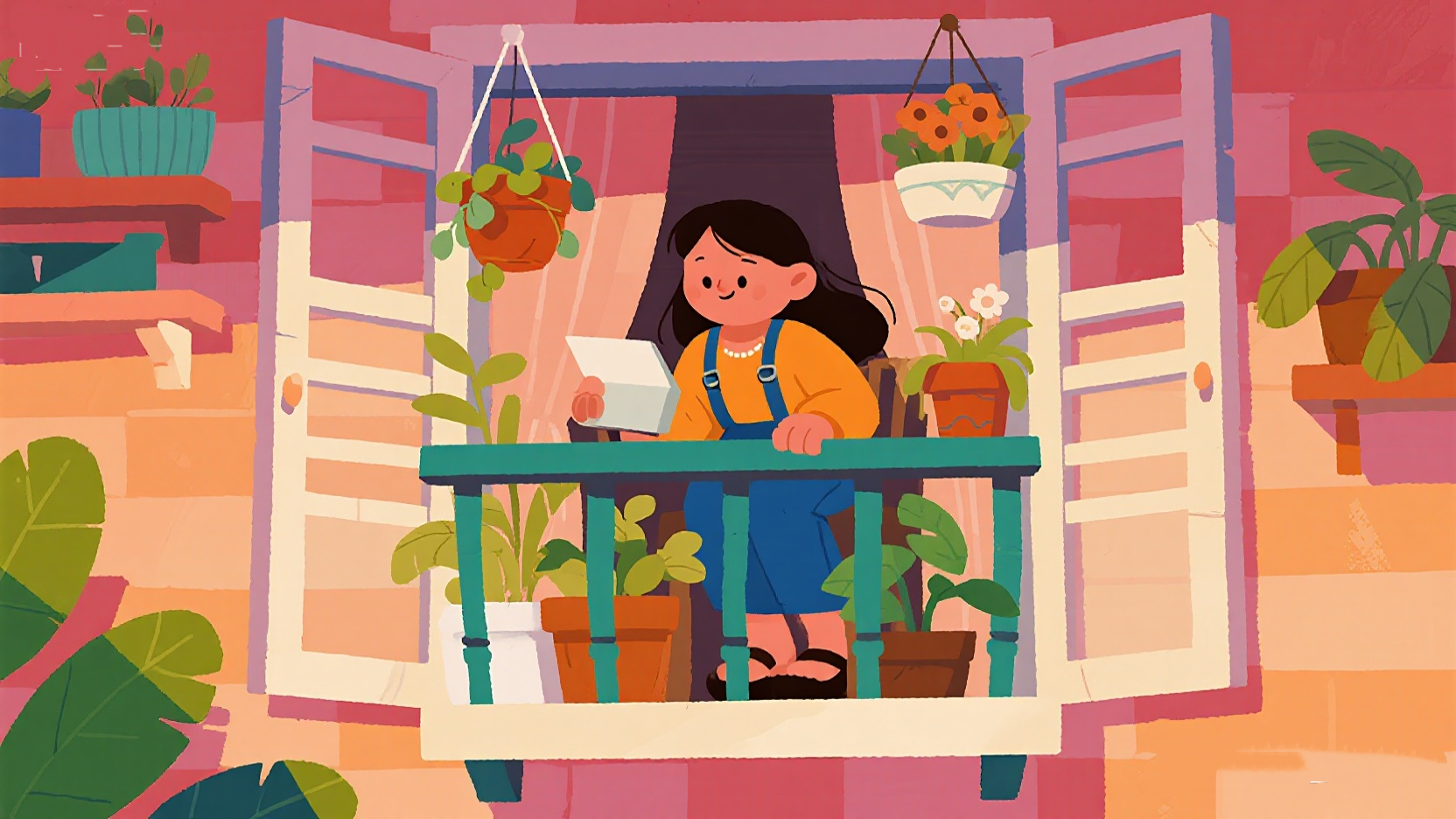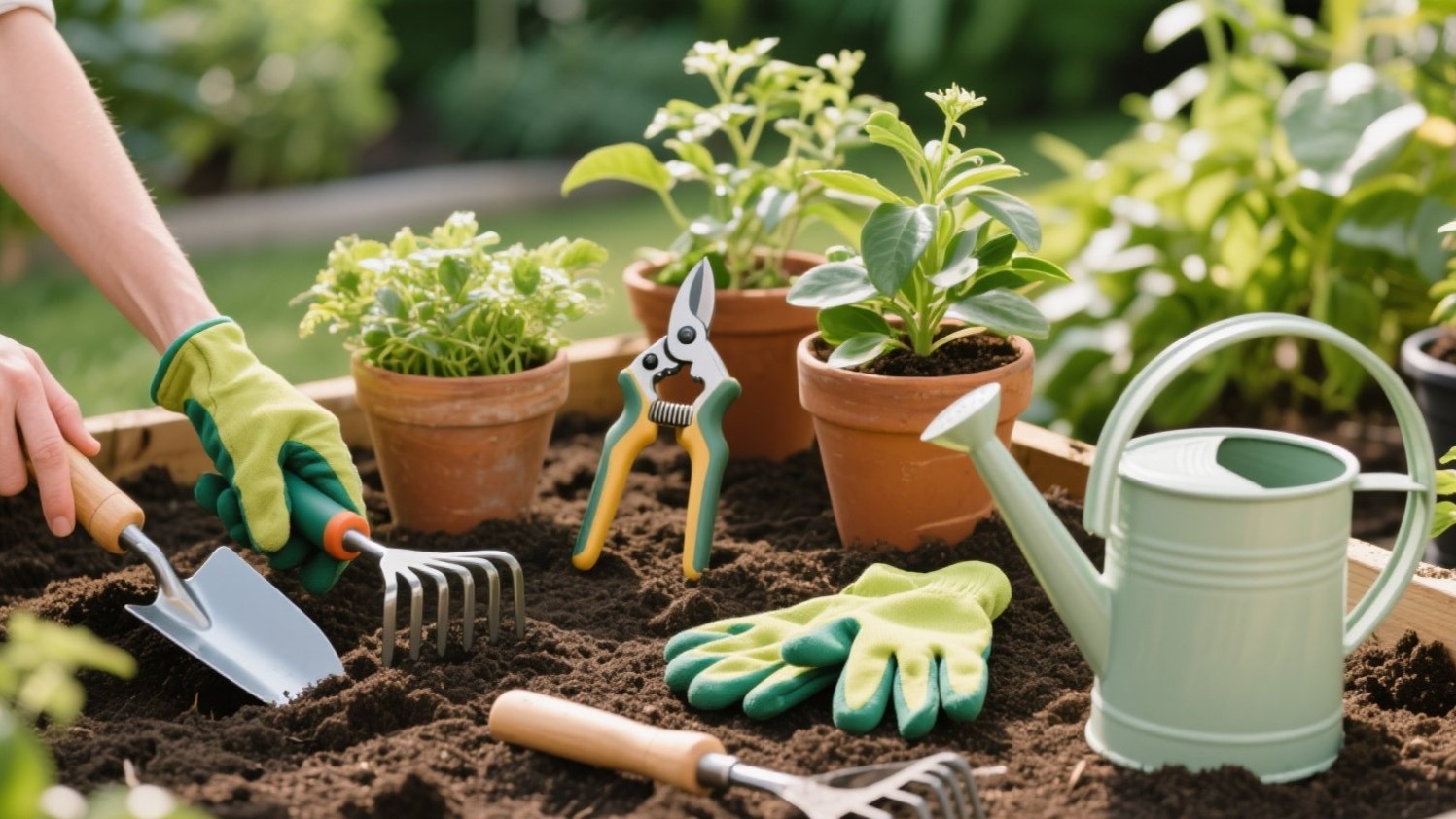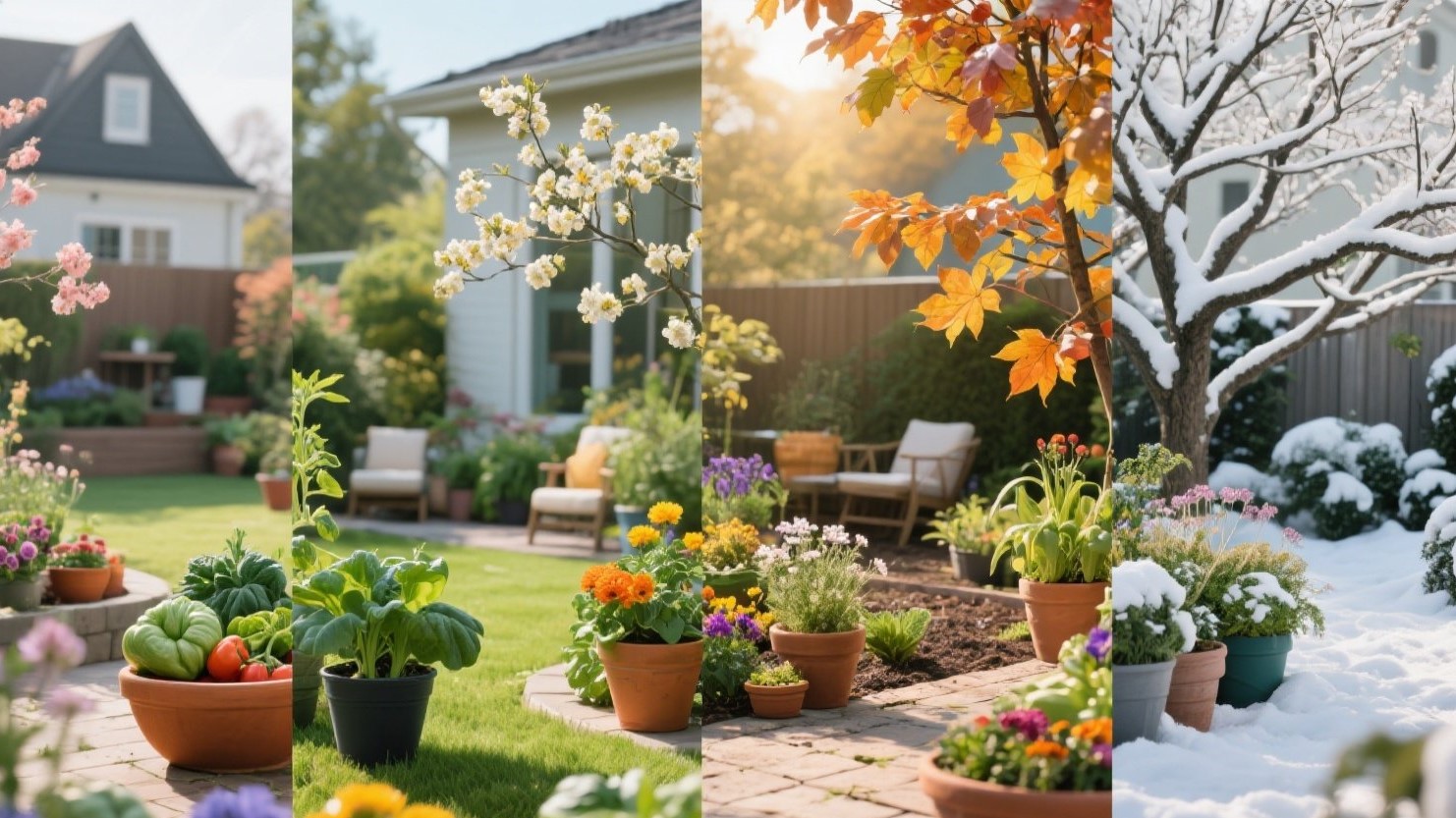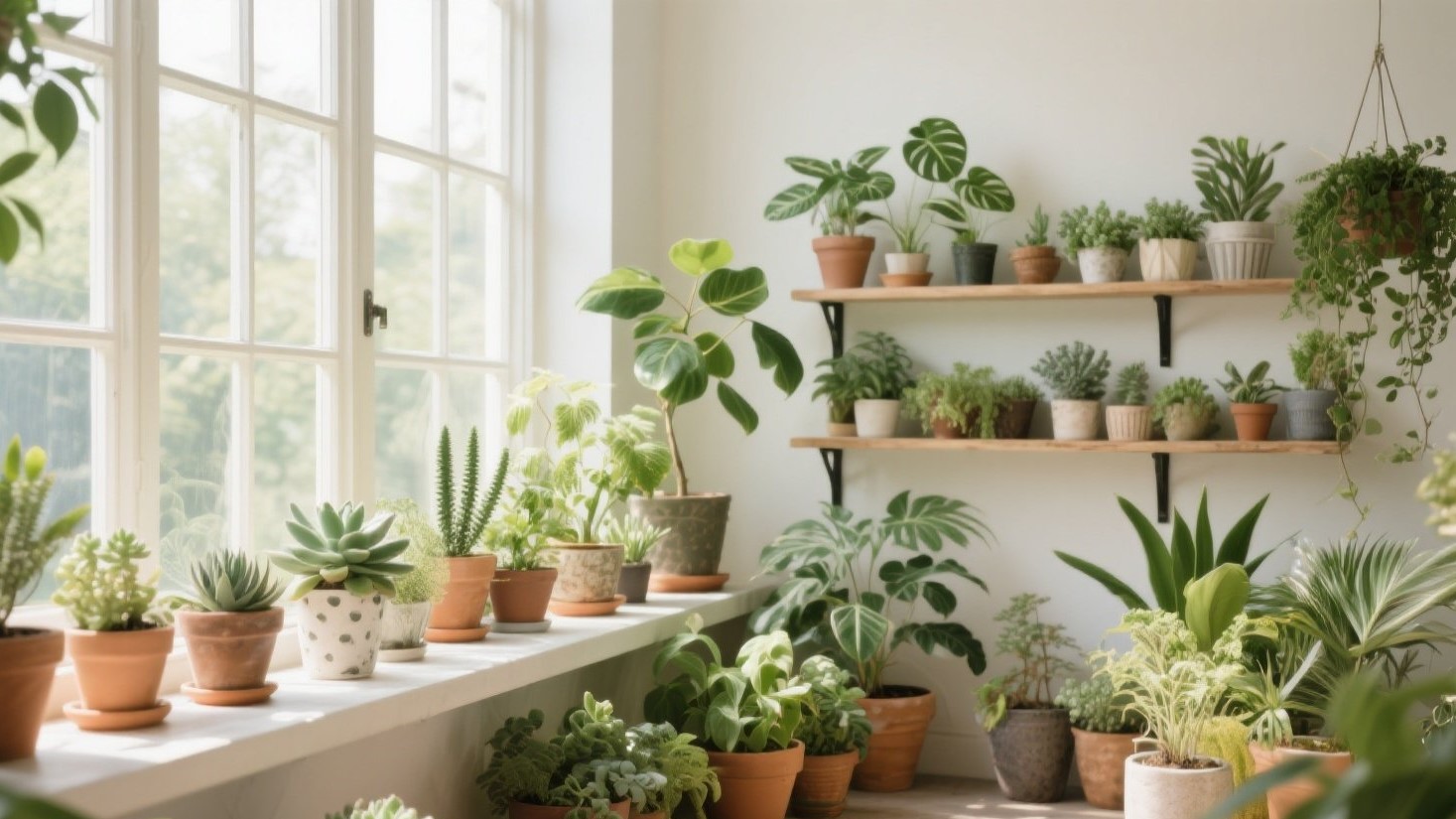
My journey into balcony gardening began with a burst of enthusiasm and a touch of naivety. That first year, I crammed every available inch with plants, using pots that were too small and overlooking the critical need for a proper watering system. I was fighting against the natural limits of my space rather than working with them. But one growing season later, I emerged wiser and better equipped. My story echoes that of many gardeners; as one aptly confessed in an online forum, their first year was a flop due to late starts and poor light planning. Here’s how I transformed my balcony from a cluttered experiment into a productive, joyful garden in my second year.
Embracing the Learning Curve
The first year is less about harvesting bounty and more about harvesting lessons. My balcony was disorganized, and several crops failed miserably. But I came to see that initial “failure” as a necessary foundation. Acknowledging missteps—like overcrowding, poor timing, and ignoring sunlight patterns—was the essential turning point from a hopeful novice to a strategic gardener.

Planning with Purpose and Realism
For year two, I started with a simple, grounding question: What do I realistically want from this space? The goal shifted from attempting maximum yield to creating a pleasant supplement for meals. I was inspired by other gardeners who focused on growing for a household of two, prioritizing enjoyment over sheer production. This realistic framework kept me motivated and prevented the overwhelm that doomed my first attempt.
Mastering Timing and Seed Starting
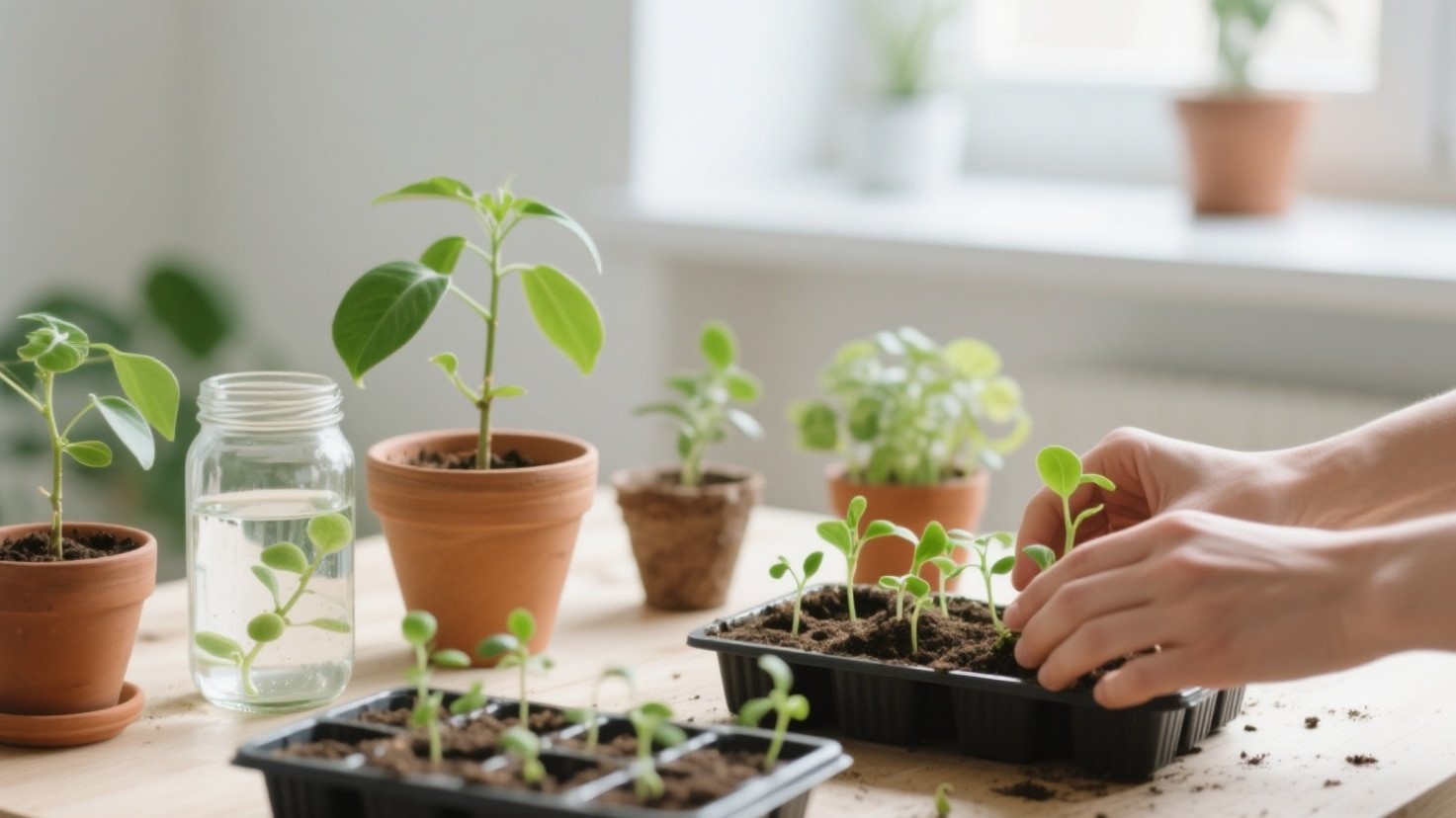
Patience and timing were my greatest lessons. Instead of a rushed planting day after the last frost, I started seeds indoors weeks earlier. This head start allowed seedlings to establish themselves strongly before facing the intense summer sun. This proactive approach, a common thread among successful urban growers, is crucial for making the most of a short growing season.

A Strategic Container Layout
I overhauled my entire container strategy with three key improvements:
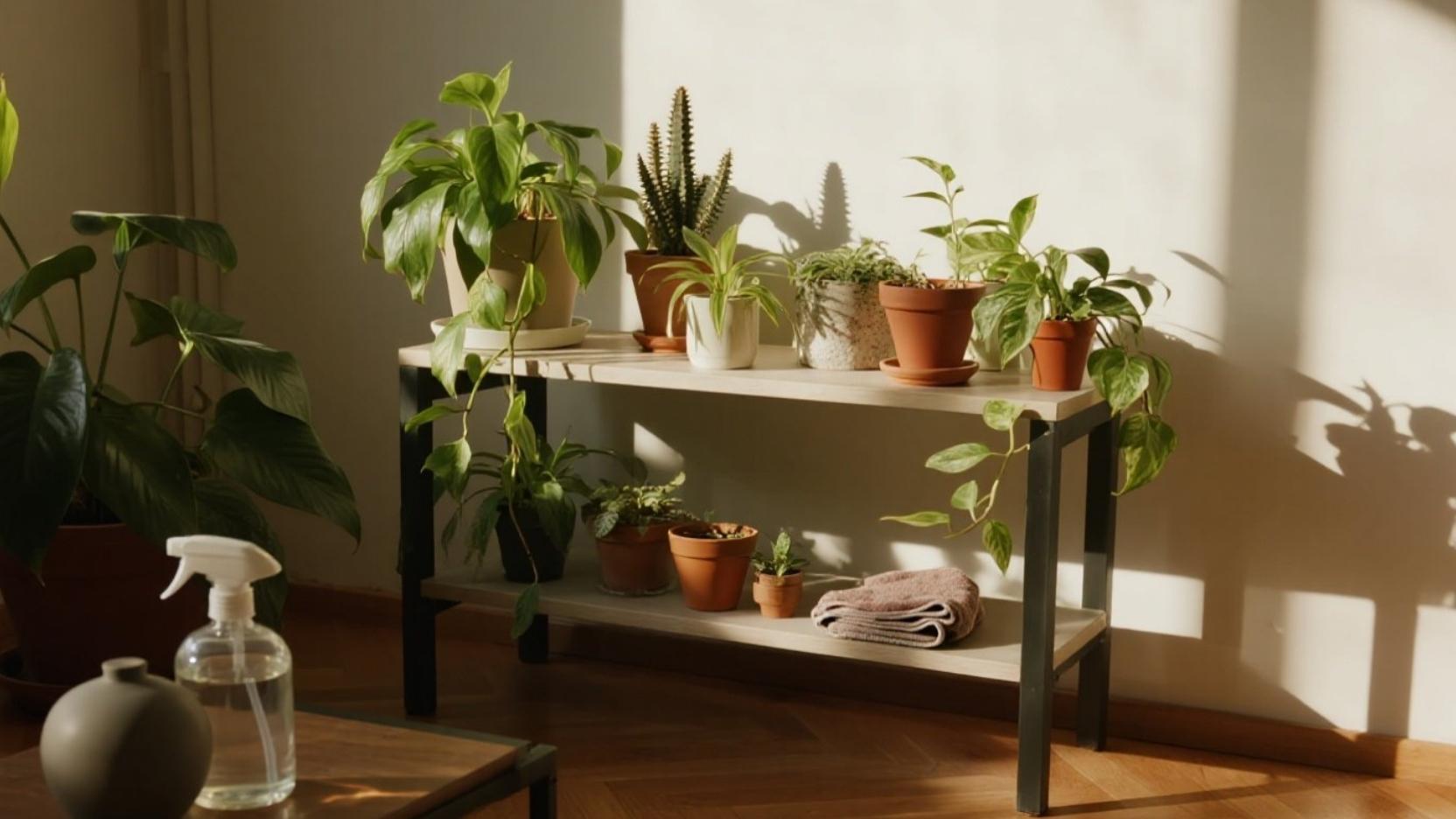
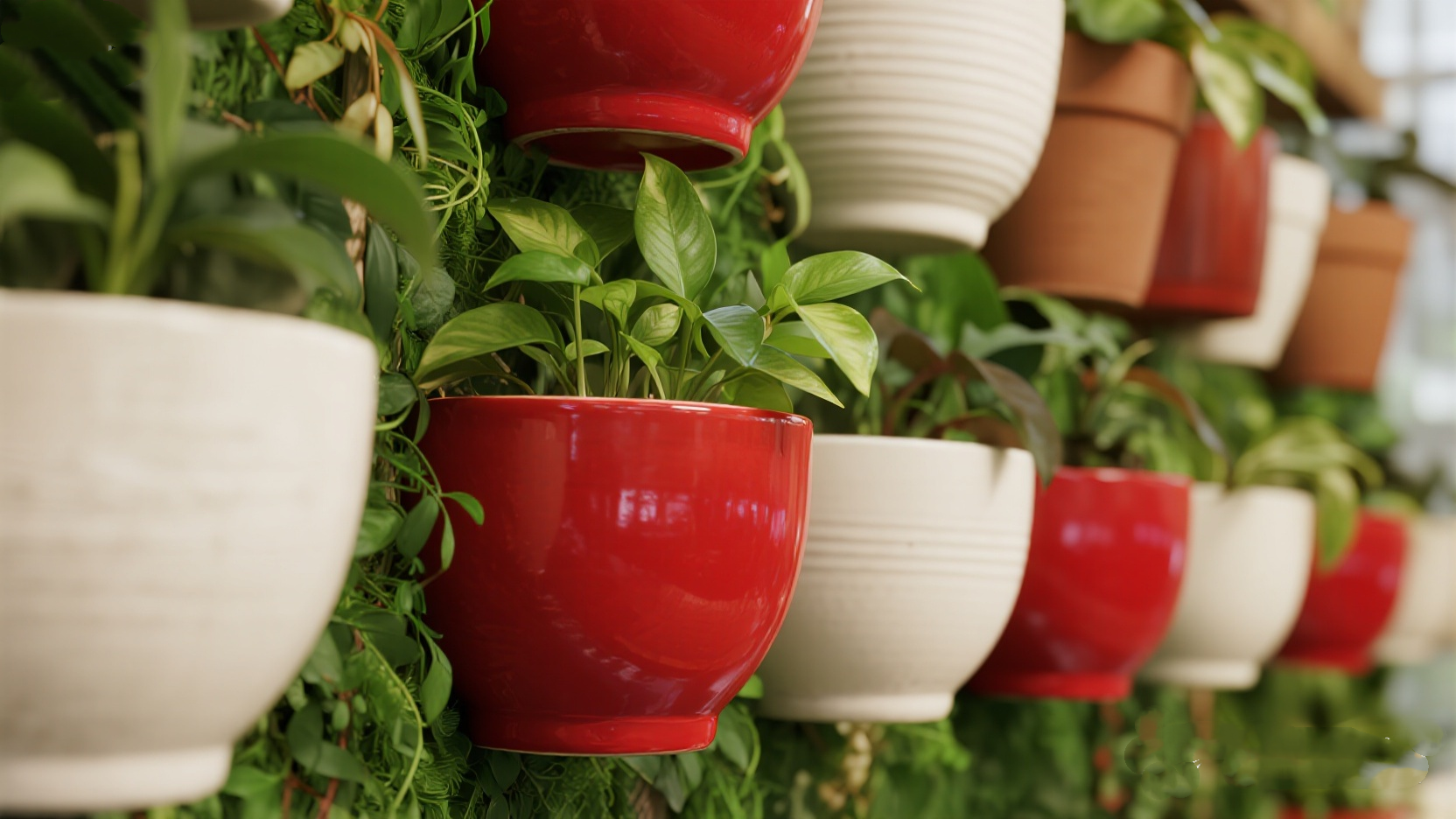
- Vertical Tiered Racks: These freed up precious floor space and allowed me to organize plants by height, improving light access for everyone.
- Grouping by Need: I placed thirstier plants like tomatoes together and drought-tolerant herbs in their own section, making targeted watering efficient.
- Prioritizing Access: Plants requiring frequent harvesting, like salad greens, were moved to the front row. This thoughtful layout, reminiscent of highly organized balcony gardens I’d seen, was a game-changer for daily maintenance.
Curating a Focused Plant Palette
I drastically narrowed my plant list. Out went the experimental crops; in came reliable performers suited to containers: cherry tomatoes, bell peppers, basil, mint, and salad greens. This curated approach, similar to the focused selections shared by experienced container gardeners, meant I could provide better care, leading to significantly healthier plants and more substantial harvests.

Renewing Soil and Committing to Nutrients
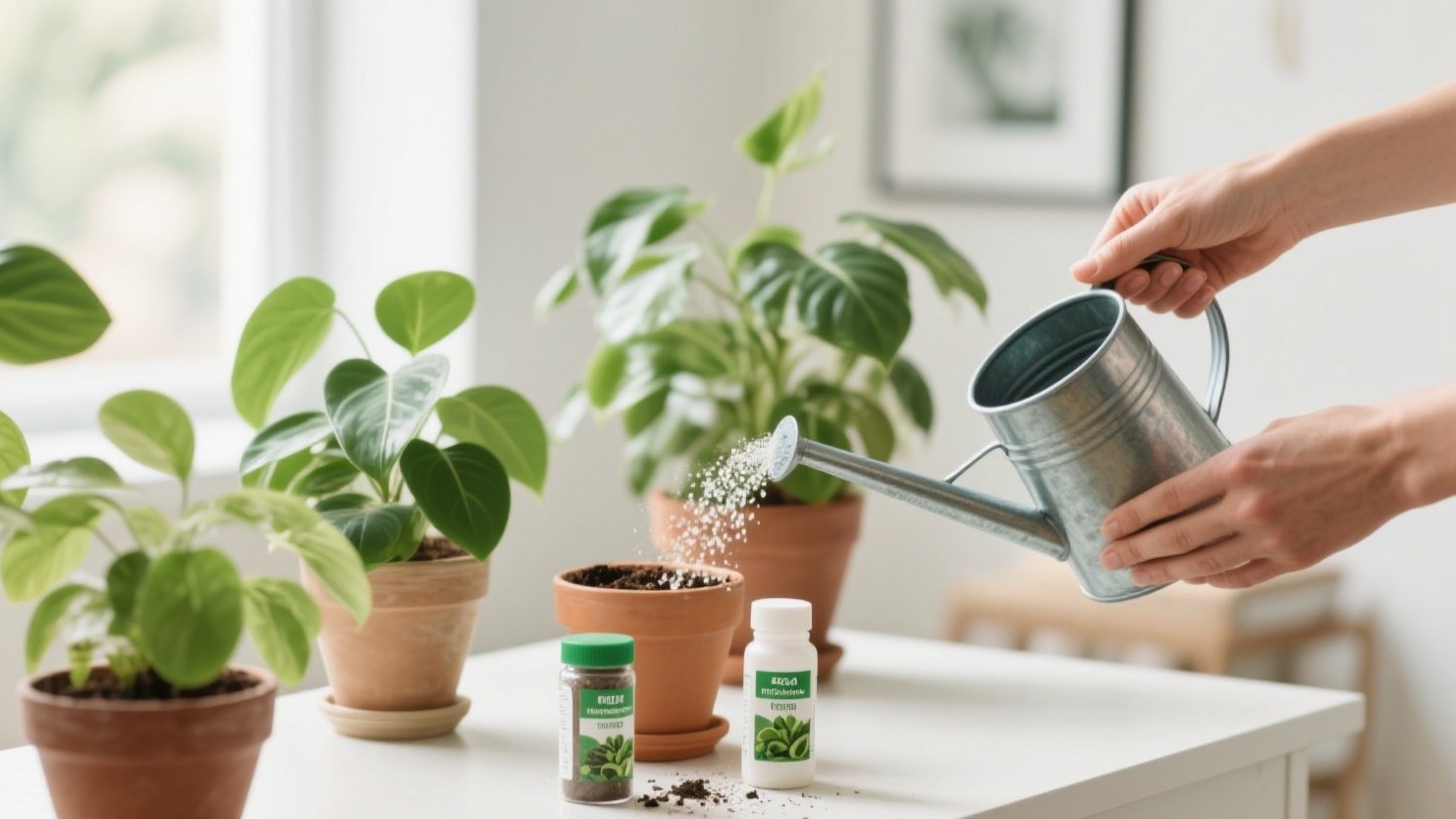
I learned that container soil is not a “set it and forget it” medium. In year two, I refreshed the potting mix, incorporated compost, and established a regular fertilizing schedule. Containers quickly exhaust available nutrients, so consistent feeding is non-negotiable for sustained health, a point often emphasized in gardening communities.
Implementing a Smarter Watering System
The upgrade from daily, haphazard watering to a sub-irrigation system was revolutionary. Using reservoirs and wicking mechanisms saved immense time and eliminated the stress of underwatering. While some dedicated gardeners might spend an hour daily watering dozens of pots, my efficient system cut that time down to a few minutes of weekly maintenance.
The Power of Observation
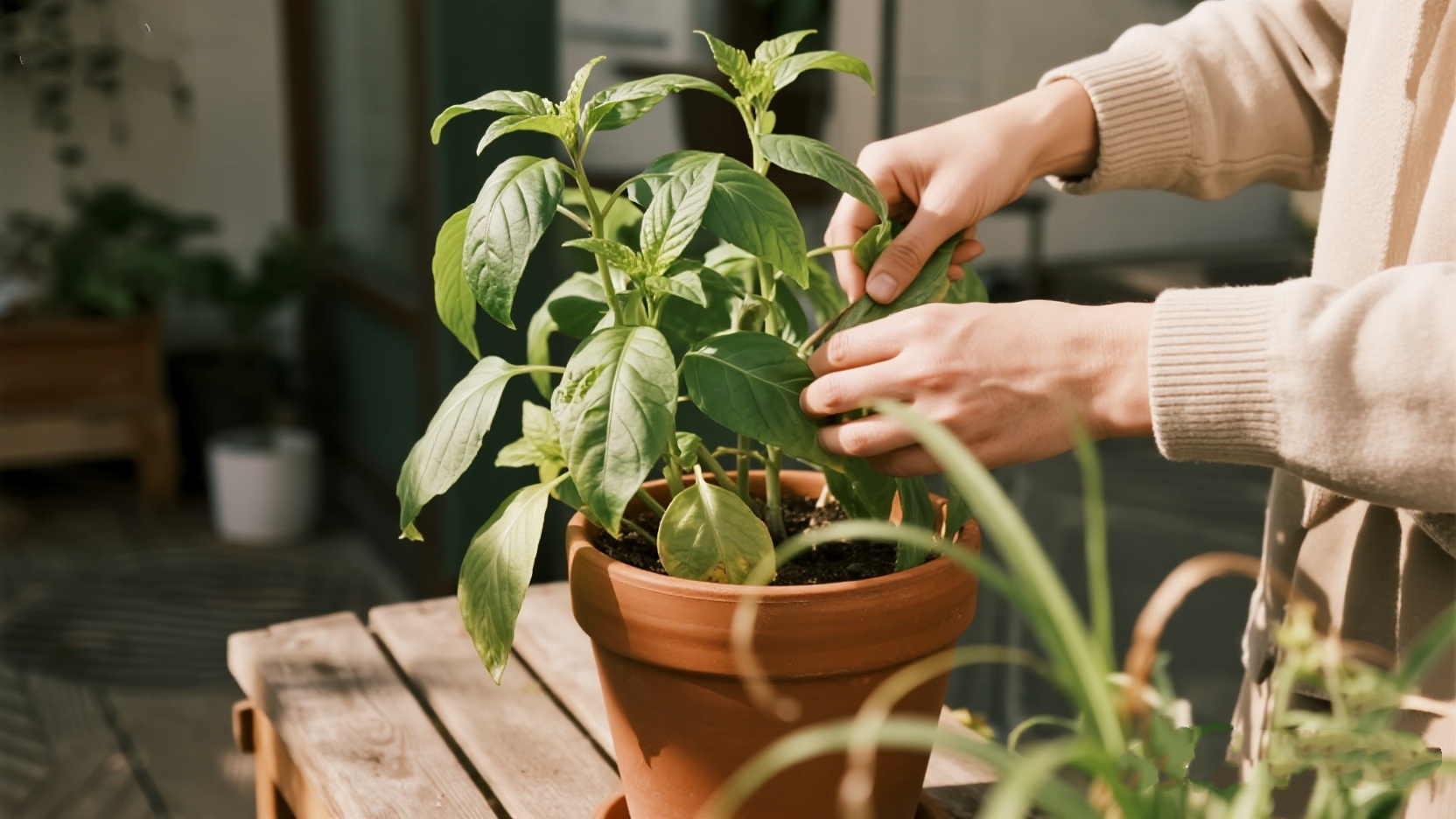
The biggest shift in my approach was from constant doing to mindful observing. I started noticing subtle signs—soil drying patterns, slight leaf discoloration, how the sun moved across the balcony. This allowed me to rearrange plants proactively to meet their needs. This practice of close observation and adjustment is a hallmark of any successful gardener.

Learning from Year Two’s Mistakes
Of course, the journey continues. I still made mistakes: some containers were too shallow for squash, I underestimated the strength of the wind, and I delayed pruning my herbs. Each oversight is a clear lesson for year three, pointing me toward larger pots, windbreaks, and more consistent harvesting.
Harvesting Confidence and Looking Ahead
This season, I enjoyed reliable harvests of fresh herbs and vegetables, but the greatest yield was confidence. My balcony transformed from a source of chore-based anxiety into a space of calm and productivity. For year three, I’m planning to enhance the aesthetics with better seating and perhaps a larger, raised-bed style container. The second year taught me that gardening is beautifully iterative. Each season builds on the last, turning a messy first attempt into a masterful retreat.
***