Introduction: Why Light Matters 🌱💡
Sunlight is one of the most important factors in plant health. Without enough light, even the hardiest plants can become leggy, weak, or stop blooming altogether. Too much direct sunlight, however, can scorch leaves or stress sensitive species.
Understanding which plants need sun, shade, or partial light allows you to position them optimally — whether indoors on a windowsill, on a balcony, or in your backyard garden. By following proven strategies, you can maximize growth, increase flowering, and enjoy lush, healthy plants. 🌿✨
Step 1: Know Your Plant’s Light Requirements 🌞🌿
1. Full Sun
- Requires 6–8 hours of direct sunlight per day
- Ideal for: tomatoes, peppers, succulents, lavender, rosemary
- Signs of insufficient sun: slow growth, pale leaves, poor flowering
2. Partial Sun / Partial Shade
- Needs 3–6 hours of direct sun or filtered light
- Ideal for: hydrangeas, begonias, ferns, African violets
- Signs of too much sun: scorched leaves, brown tips
3. Shade / Low Light
- Thrives in less than 3 hours of direct sun or mainly indirect light
- Ideal for: snake plants, pothos, calatheas, peace lilies
- Signs of too little light: leggy growth, pale leaves, slow development
Step 2: Positioning Plants Indoors 🏡🌿
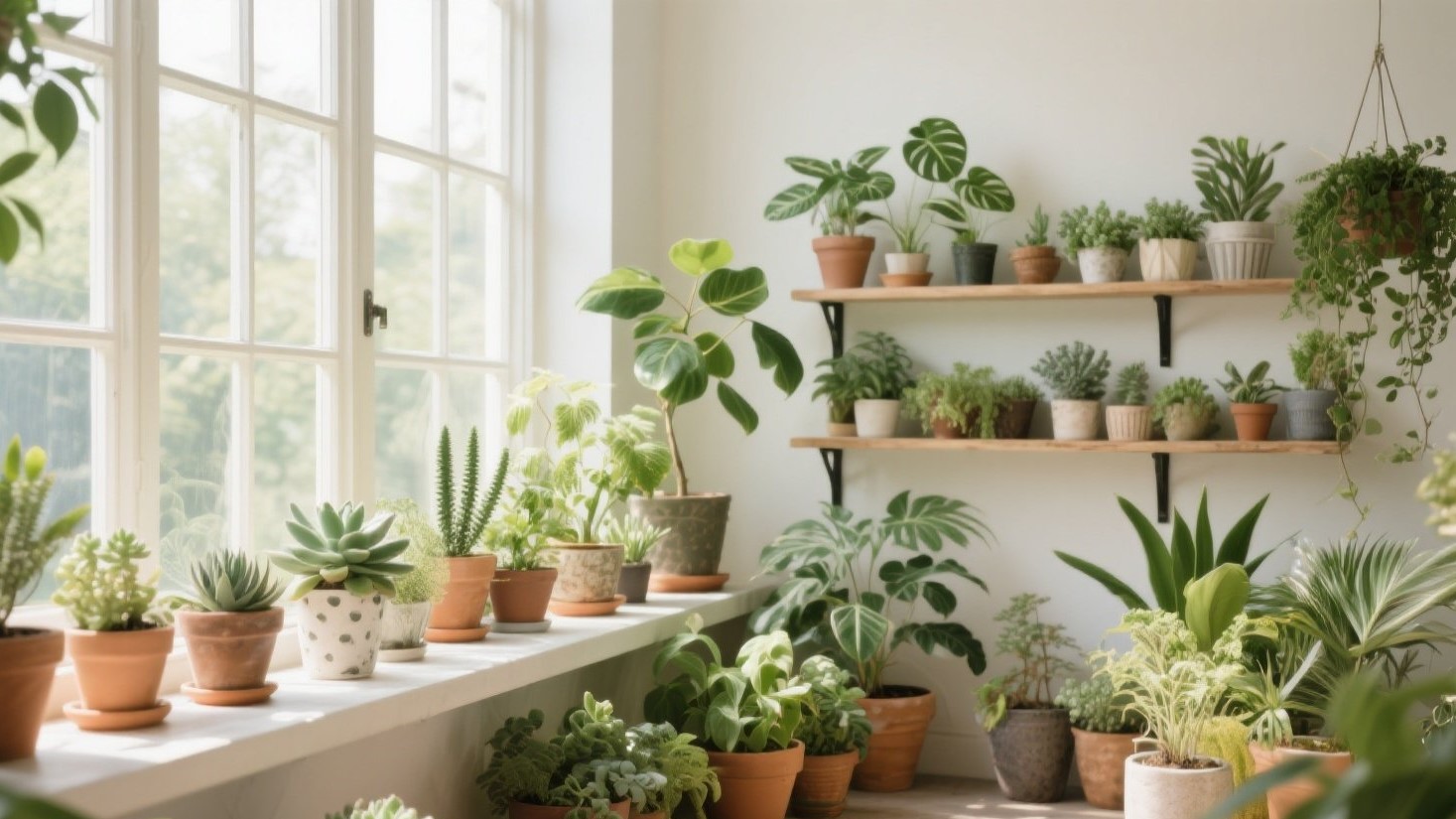
1. South-Facing Windows (Brightest)
- Provides full sun in the Northern Hemisphere
- Great for sun-loving plants like succulents, cacti, and herbs
2. East-Facing Windows (Morning Sun)
- Gentle morning light, bright but not harsh
- Works well for flowering plants and moderate-light foliage plants
3. West-Facing Windows (Afternoon Sun)
- Hotter, more intense light
- Suitable for sun-tolerant plants; avoid delicate species that can scorch
4. North-Facing Windows (Indirect Light)
- Lower, diffused light
- Ideal for low-light plants and shade-tolerant foliage
5. Move Plants Regularly
- Rotate pots every few weeks to ensure even growth and avoid leaning toward light
Step 3: Positioning Plants Outdoors 🌿☀️
1. Observe Sun Patterns
- Track where sunlight falls in your garden throughout the day
- Note hours of full sun, morning sun, and shaded areas
2. Match Plant to Light
- Place sun-loving vegetables and flowers in brightest spots
- Position shade-loving plants under trees, trellises, or along north walls
3. Use Shade Cloth or Screens
- Protect sensitive plants from intense midday sun
- Ideal for tender annuals or young seedlings
4. Consider Microclimates
- Walls, fences, and paved areas reflect heat and light
- Adjust placement to avoid overexposure
Step 4: Signs Your Plant’s Light Needs Adjusting 🌿🔍
- Too Little Light: Leggy stems, pale leaves, slow growth, few blooms
- Too Much Light: Brown, scorched leaf edges, wilting, curling leaves
- Balanced Light: Compact, vibrant leaves, consistent flowering or fruiting
Step 5: Tips for Optimal Plant Growth 🌱💡
- Know your species: Check labels or plant databases for light preferences.
- Use mirrors or reflective surfaces indoors: Amplify light for low-light areas.
- Supplement with grow lights: Especially in winter or dim rooms.
- Group plants by light requirement: Simplifies care and prevents stress.
- Rotate & monitor: Plants grow toward light; rotating prevents uneven growth.
- Combine sun and shade plants strategically: Create visual interest while meeting their needs.
Final Thoughts: Let Light Guide Your Garden 🌞💛
Sunlight is more than just a source of energy; it’s a guide for how your plants thrive. By understanding their needs and strategically positioning them, you can enjoy lush foliage, vibrant blooms, and productive growth — all without guesswork.
Remember: observe, adjust, and be patient. A little attention to light goes a long way in creating a healthy, happy, and sustainable garden — indoors or out. 🌿✨