When Fall Moves Make Watering Feel “Wrong” (And It’s Not You)
Bringing plants indoors in fall changes two big things at once: temperature and light, and both slow how fast soil dries. 🌥️ When light drops, plants use less water, and when nights get cooler, evaporation also slows. The result is classic “overwatering by habit,” where you water on the old summer schedule instead of the plant’s new pace.
Your goal is not to water less “forever,” but to water based on dry-down, not days on the calendar. ✅ Think of fall as a reset season: observe, adjust, then lock in a simple routine. If you do that, your plants can stay lush indoors without soggy soil, gnats, or surprise leaf drop.
Why Soil Dries Slower Indoors In Fall (The Dry-Down Reality Check) 🌿
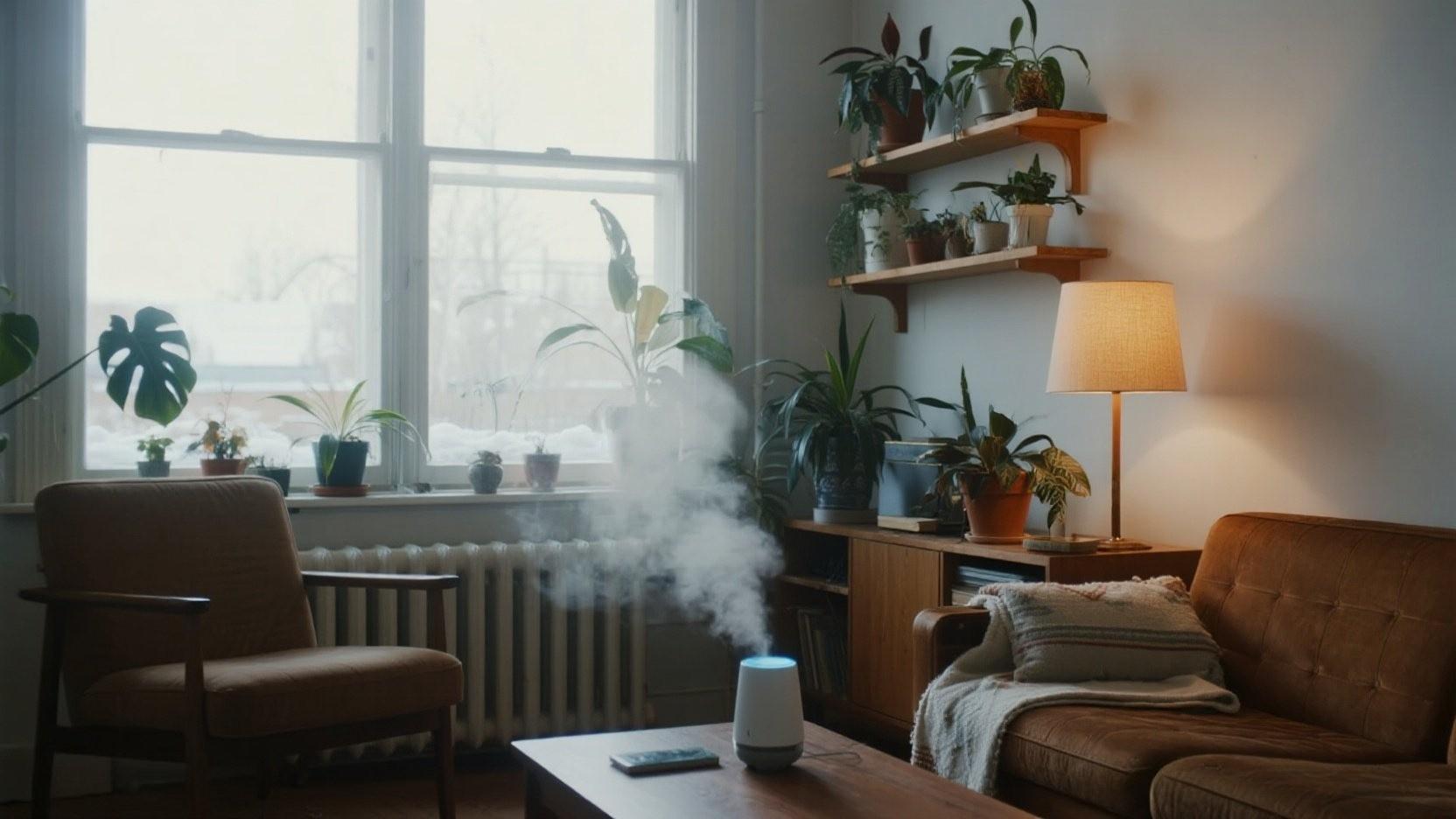
Lower indoor light means slower photosynthesis, so the plant pulls less water up through its stems and leaves. 🪴 Cooler air and reduced airflow can keep potting mix damp longer, especially in larger pots or dense soil. That’s why a plant that needed water every 5–7 days outside might suddenly need 10–14 days inside.
Use a simple dry-down check so you don’t guess: feel the pot’s weight, and test moisture 2–5 cm down with a finger or wooden stick. ✋ If the top looks dry but the root zone is still cool and damp, wait—roots hate staying wet and oxygen-starved. A steady rhythm beats “rescue watering,” because most indoor fall problems come from repeated small overwatering, not one big soak.

The “Quarantine + Adjust” Checklist (Stops Pests + Stops Panic-Watering) 🧼✅
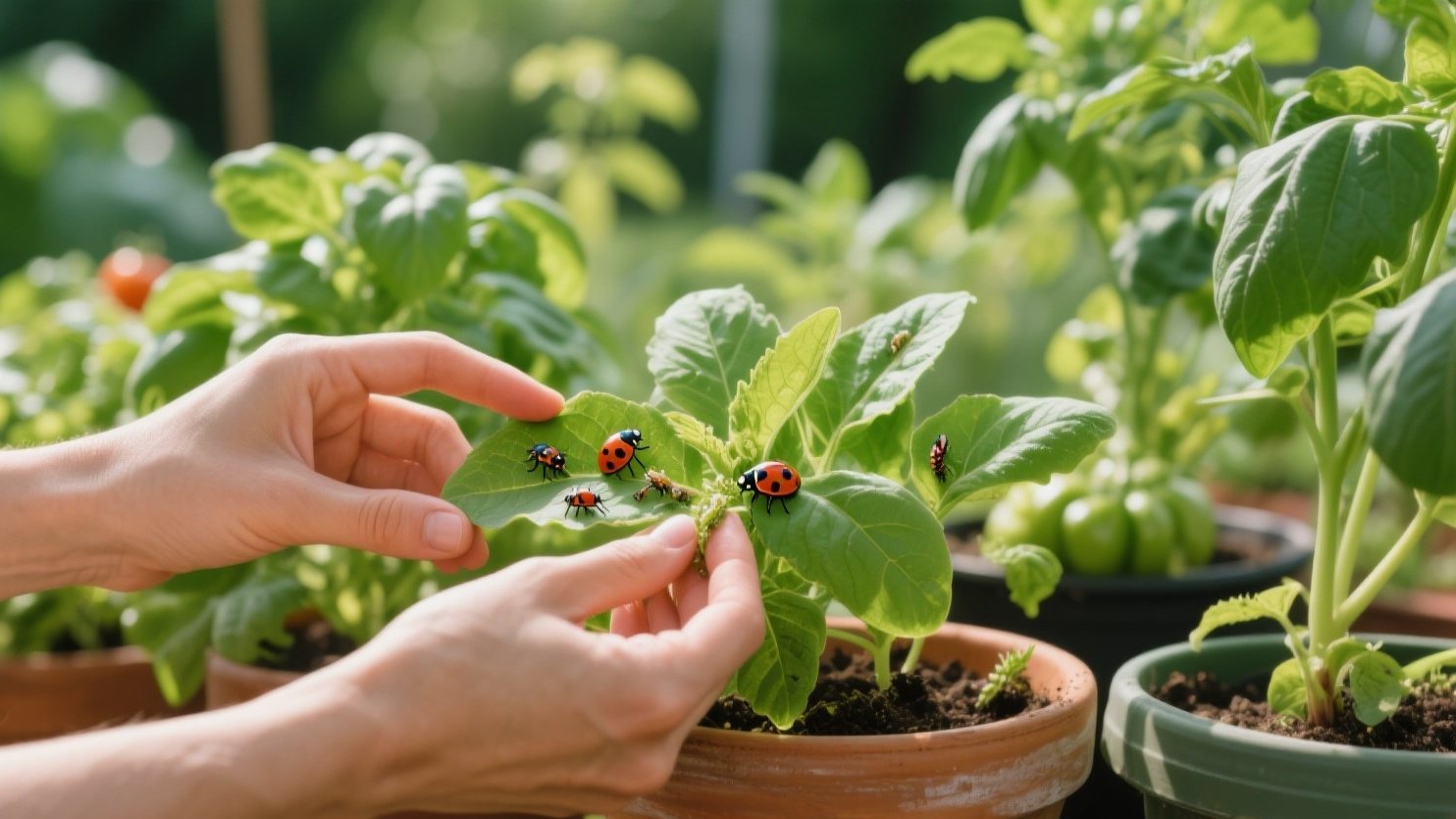
Quarantine is basically a short “observation window” before your plant joins the rest of your indoor collection. 👀 Place it a little apart for 7–14 days, inspect undersides of leaves, and check stems and soil for hitchhikers like mites, mealybugs, and fungus gnats. This also prevents you from overwatering to “make it feel settled,” because you’ll be watching dry-down carefully instead.
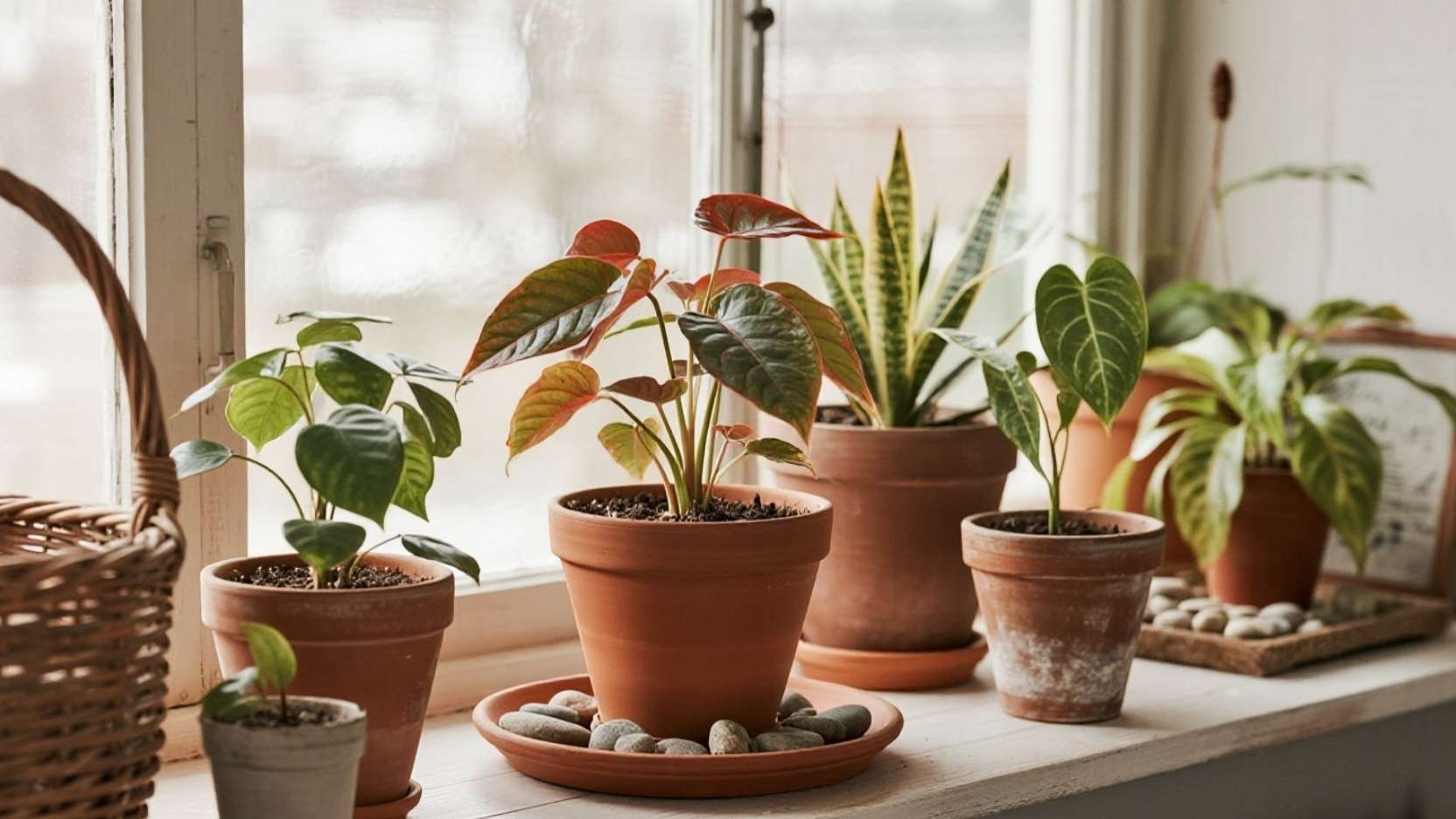
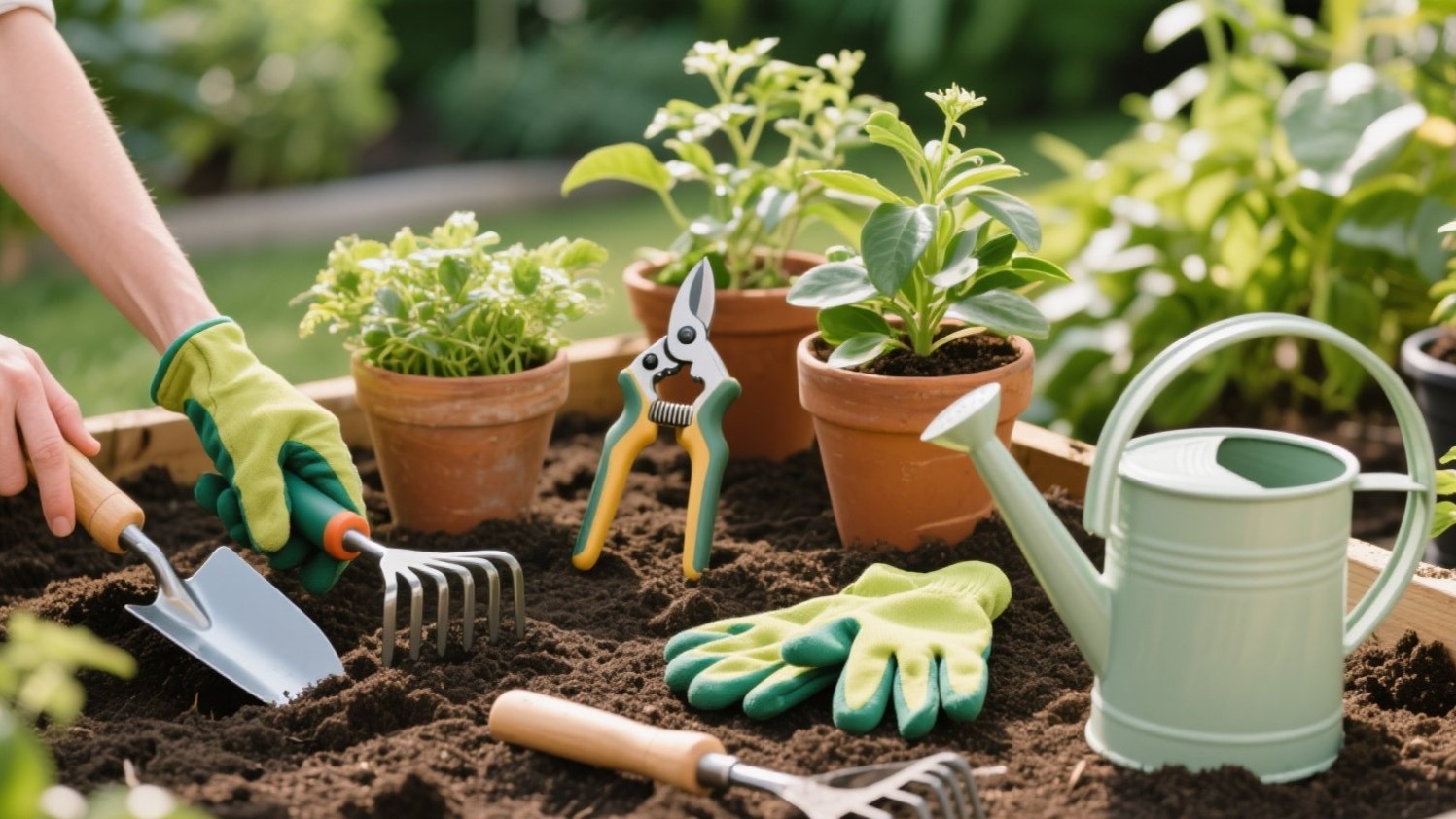
Set up a quick wipe-down routine: dust and debris reduce light absorption, so clean leaves actually help the plant adjust indoors. 🍃 Wipe with a damp cloth (especially broad-leaf plants), remove dead leaves, and swap saucers that trap water with ones you can empty easily. If you do treat pests, start gentle (like washing, isolation, and targeted wiping) before escalating to stronger products.

A Decor-Friendly Setup That Also Prevents Overwatering (Yes, Both) 🧡🏡
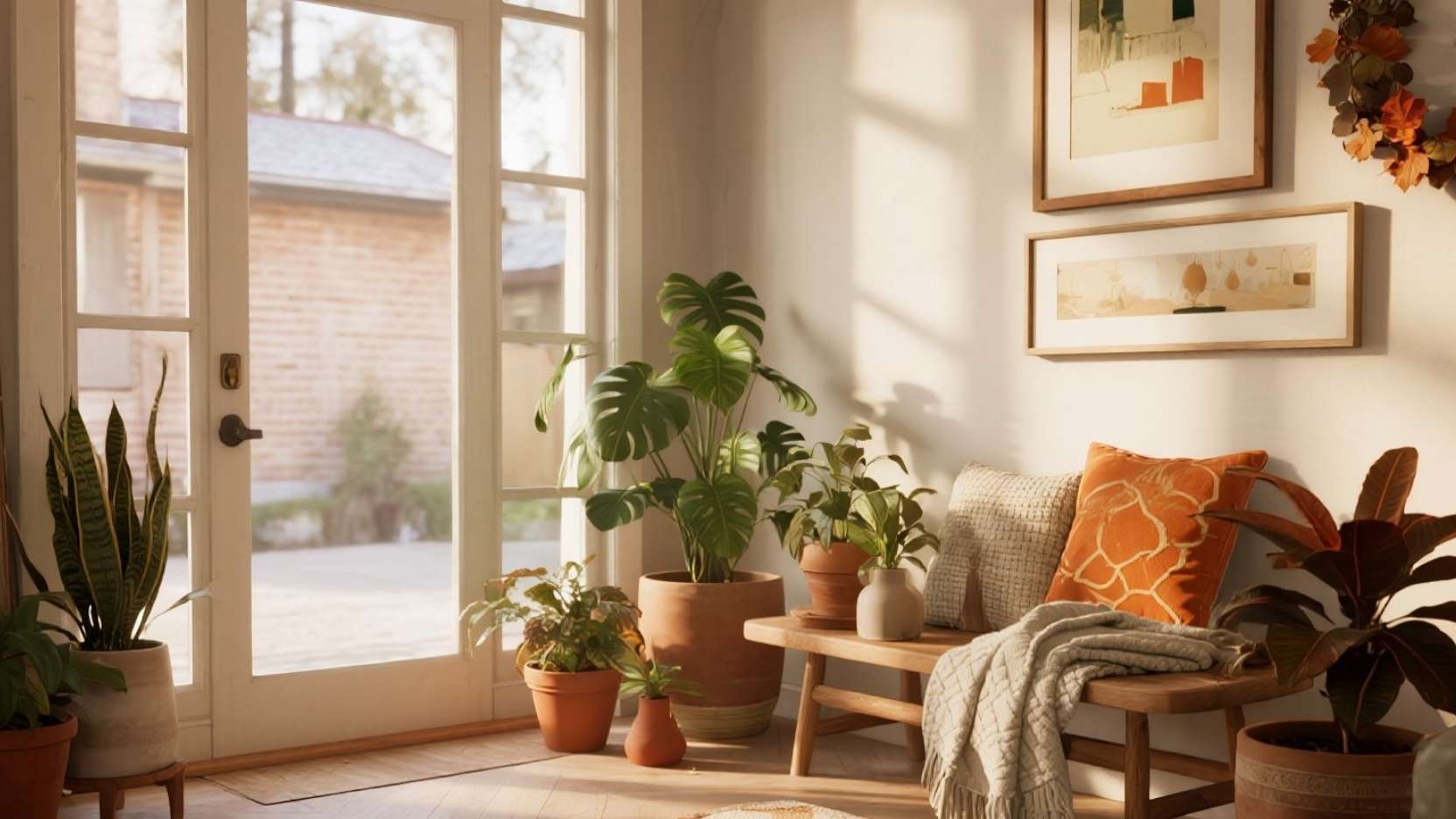
Create an “entryway staging zone” for the first 48 hours so plants don’t go from bright outdoors to dim indoors instantly. 🚪 A bench or console near a bright window works well, and it doubles as a calming fall vignette with matching pots. This soft transition reduces stress signals like drooping or leaf yellowing that often tempt people to overwater.
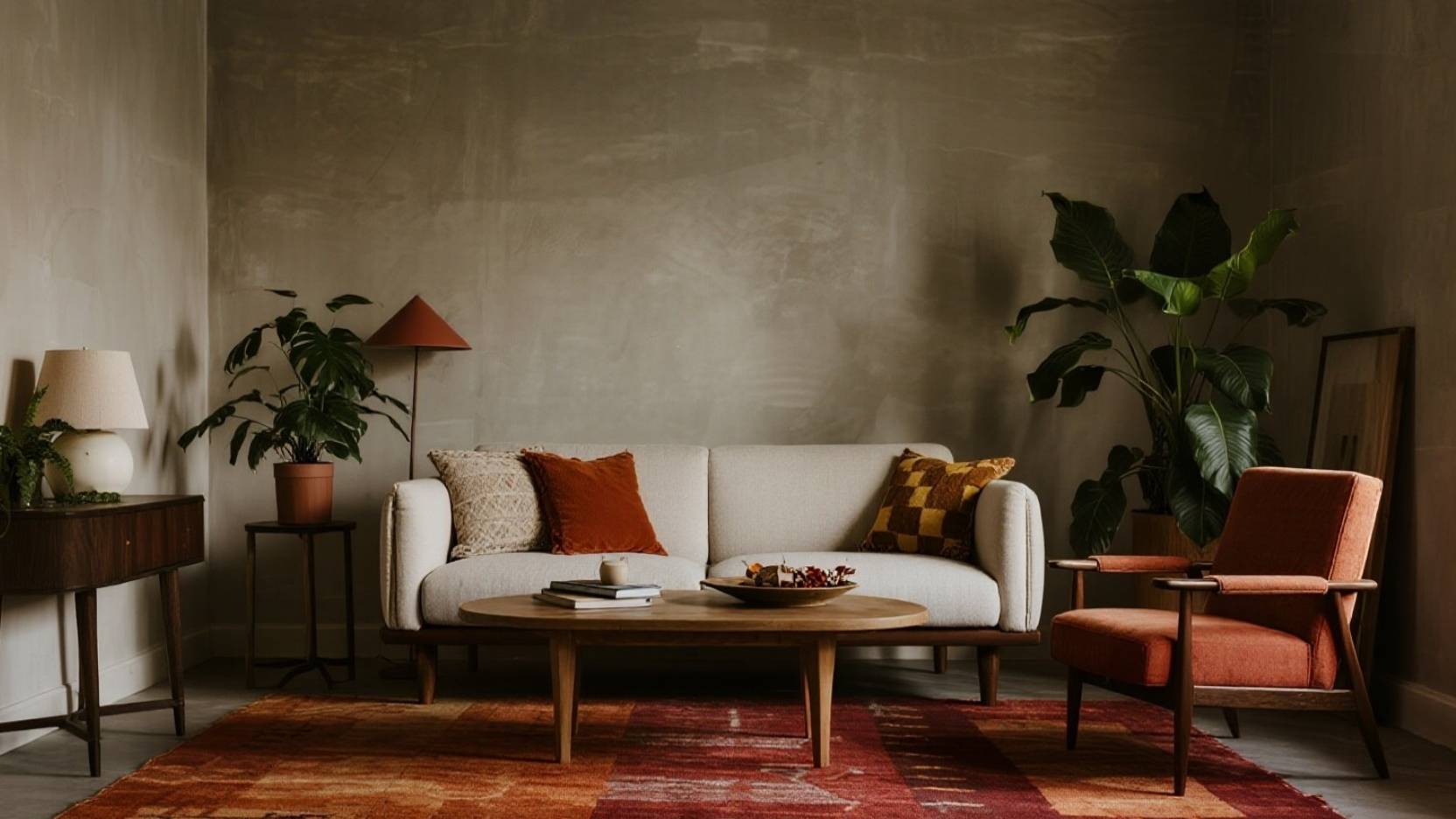
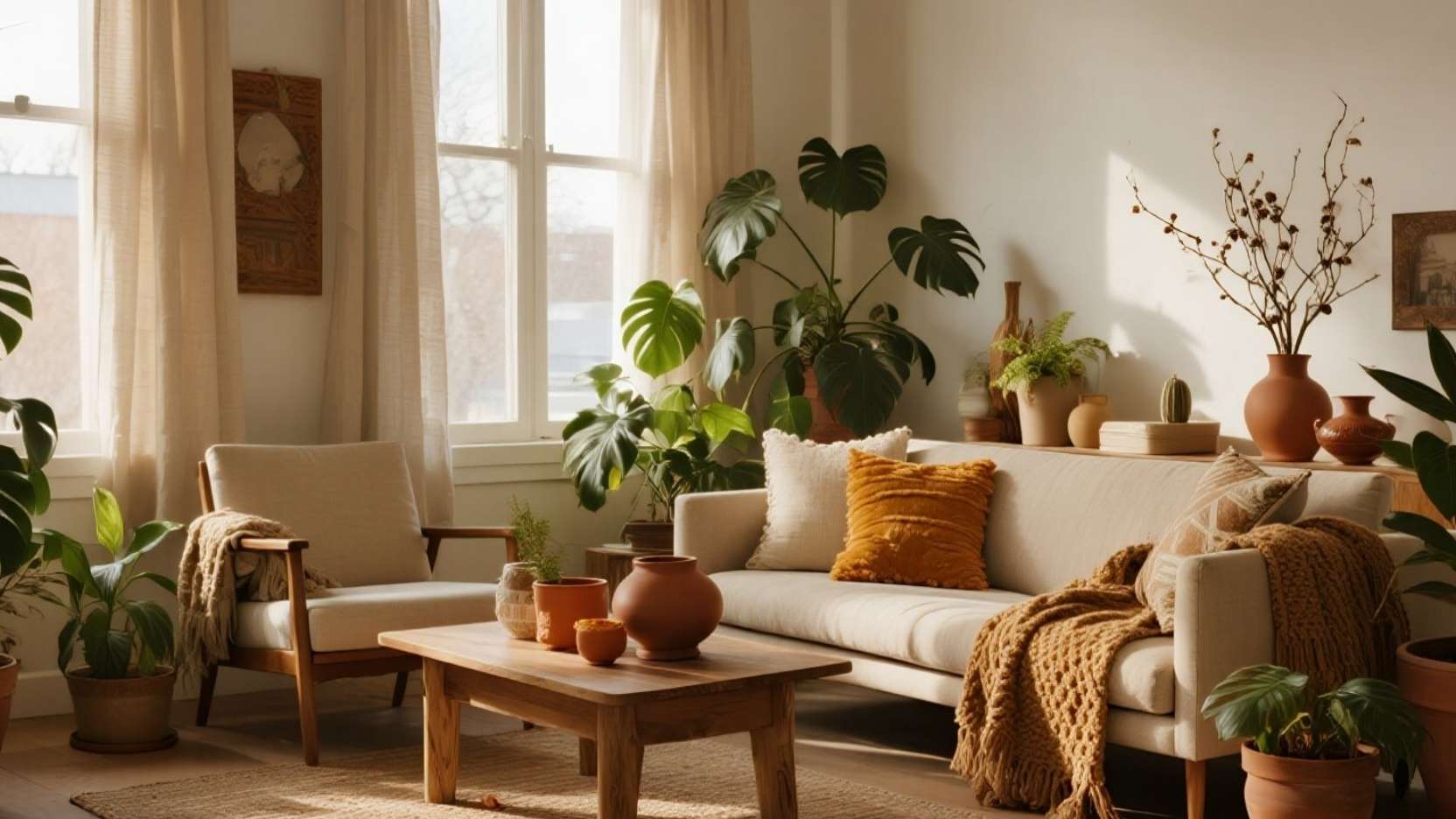
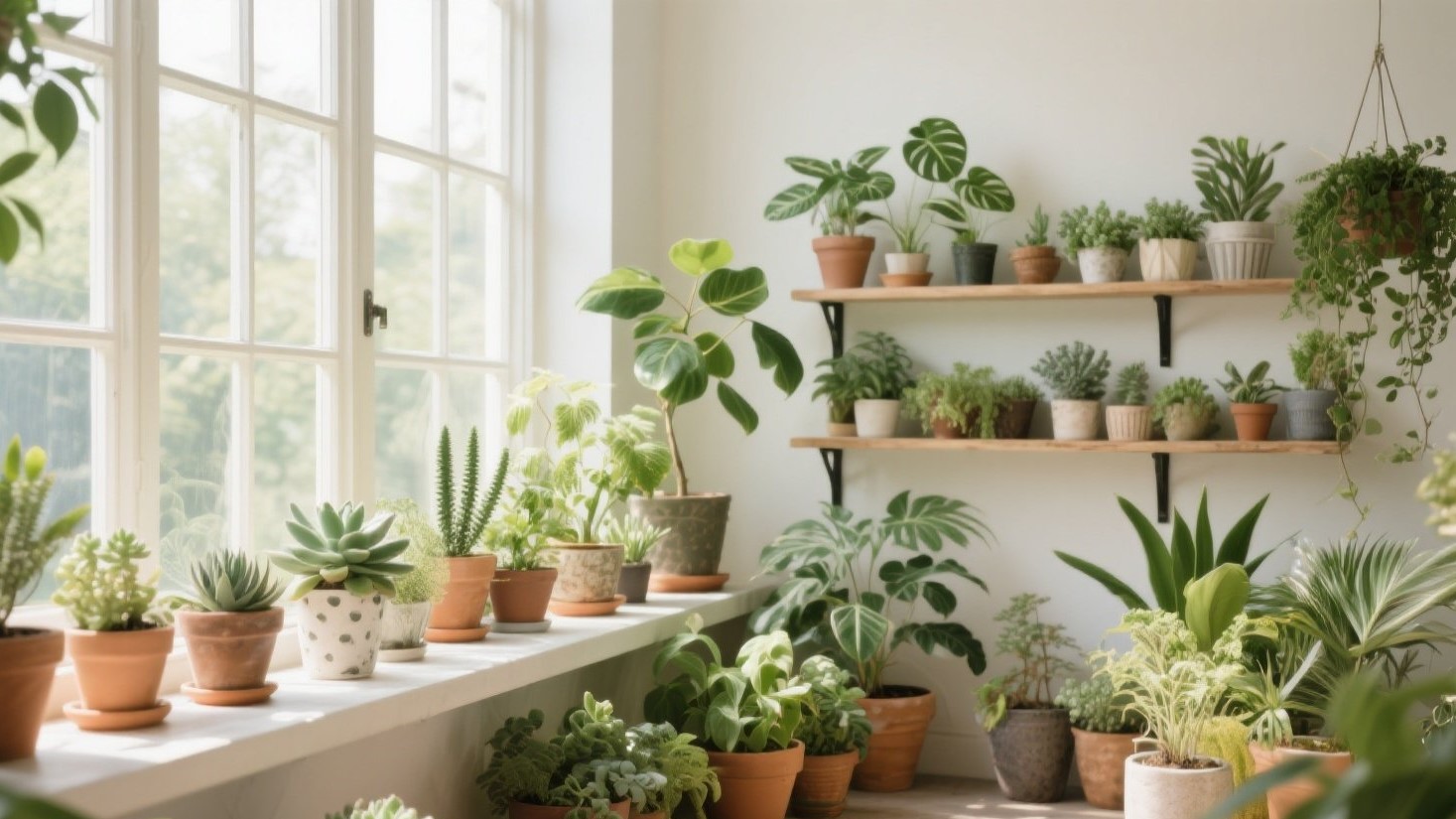
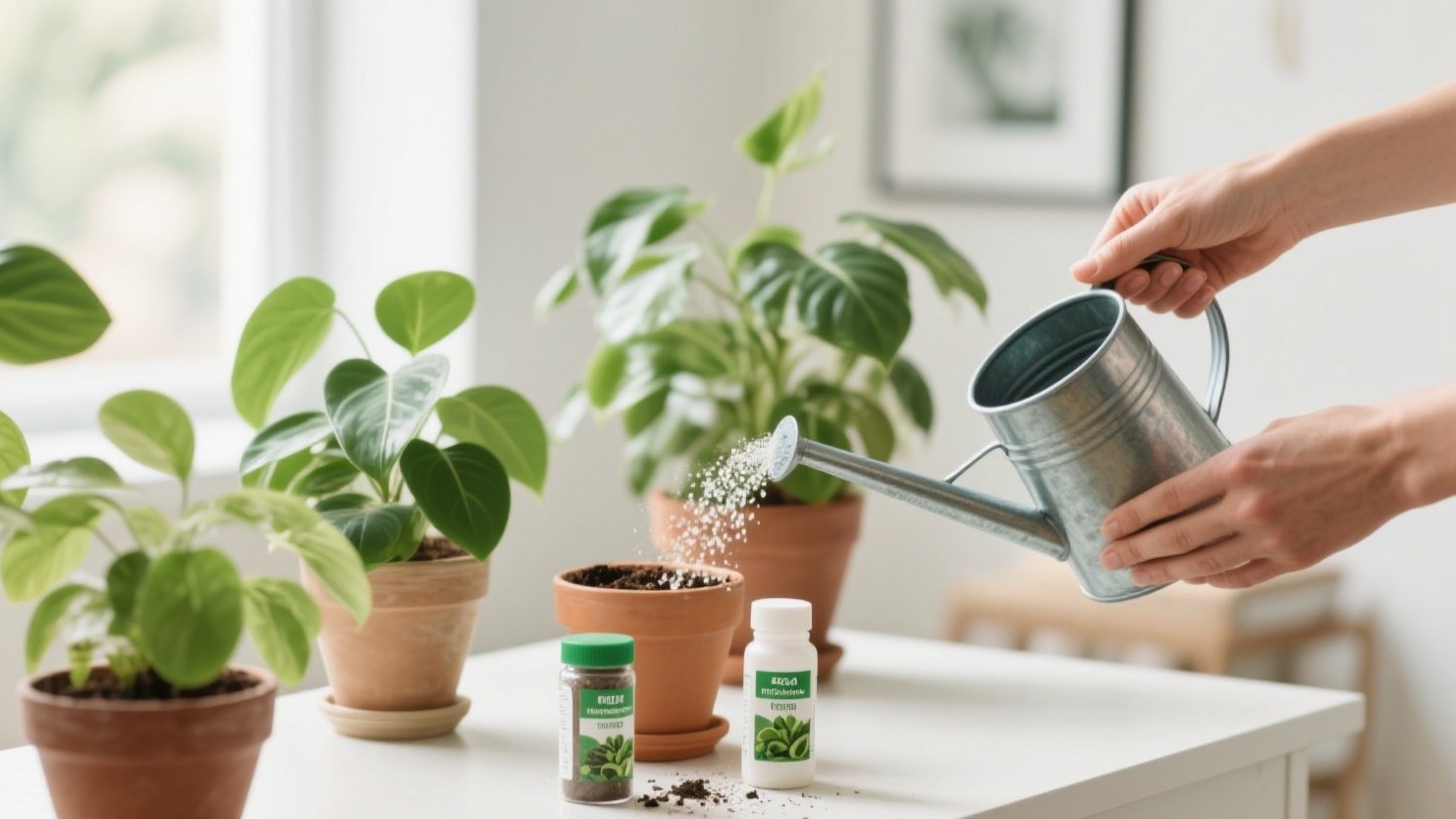
Then build one consistent warm-toned corner display (in one light level) instead of scattering plants through different rooms. 🕯️ Grouping makes care easier: you’ll notice who is drying slowly, who is thirsty, and who is struggling with light before you reach for the watering can. Keep a “drip rule” indoors—water thoroughly only when ready, let it drain fully, then empty the saucer so roots never sit in runoff.

Final Thoughts: Let Dry-Down Lead, Not The Old Schedule 🍁
If fall indoor moves had one rule, it’s this: water when the root zone is ready, not when the calendar says so. 🪴 A short quarantine, a wipe-down station, and one consistent display spot remove most of the guesswork and prevent repeat overwatering. Once your plants settle into their indoor light, you’ll find your routine gets simpler—not stricter.