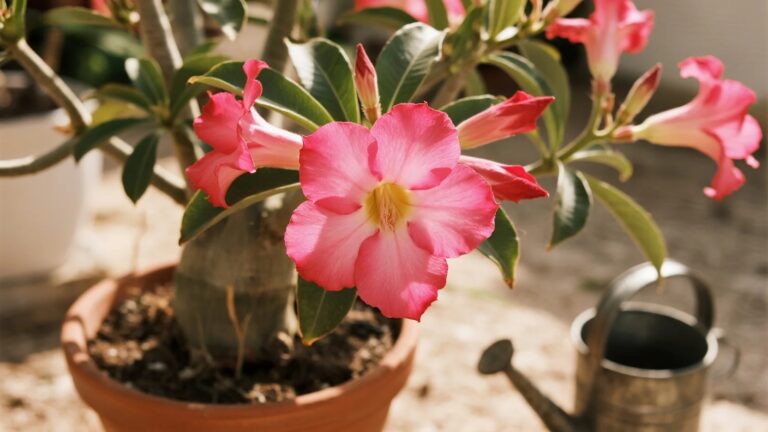
The Desert Rose (Adenium obesum) is a stunning succulent known for its dramatic swollen trunk (caudex) and beautiful trumpet-shaped flowers. While it looks exotic, it’s actually quite easy to grow if you understand its basic needs. Here’s everything you need to know to keep your Desert Rose thriving.
Plant Overview: The “Rose” That Loves the Heat
Despite its name, the Desert Rose isn’t related to roses at all. It’s a succulent plant native to arid regions of Africa and Arabia. Its unique swollen trunk stores water, helping it survive dry periods. This natural adaptation makes it wonderfully drought-tolerant and perfect for forgetful waterers!
Essential Care Requirements:
1. Sunlight: The More Sun, The Better
- Place your Desert Rose where it will receive at least 6-8 hours of direct sunlight daily
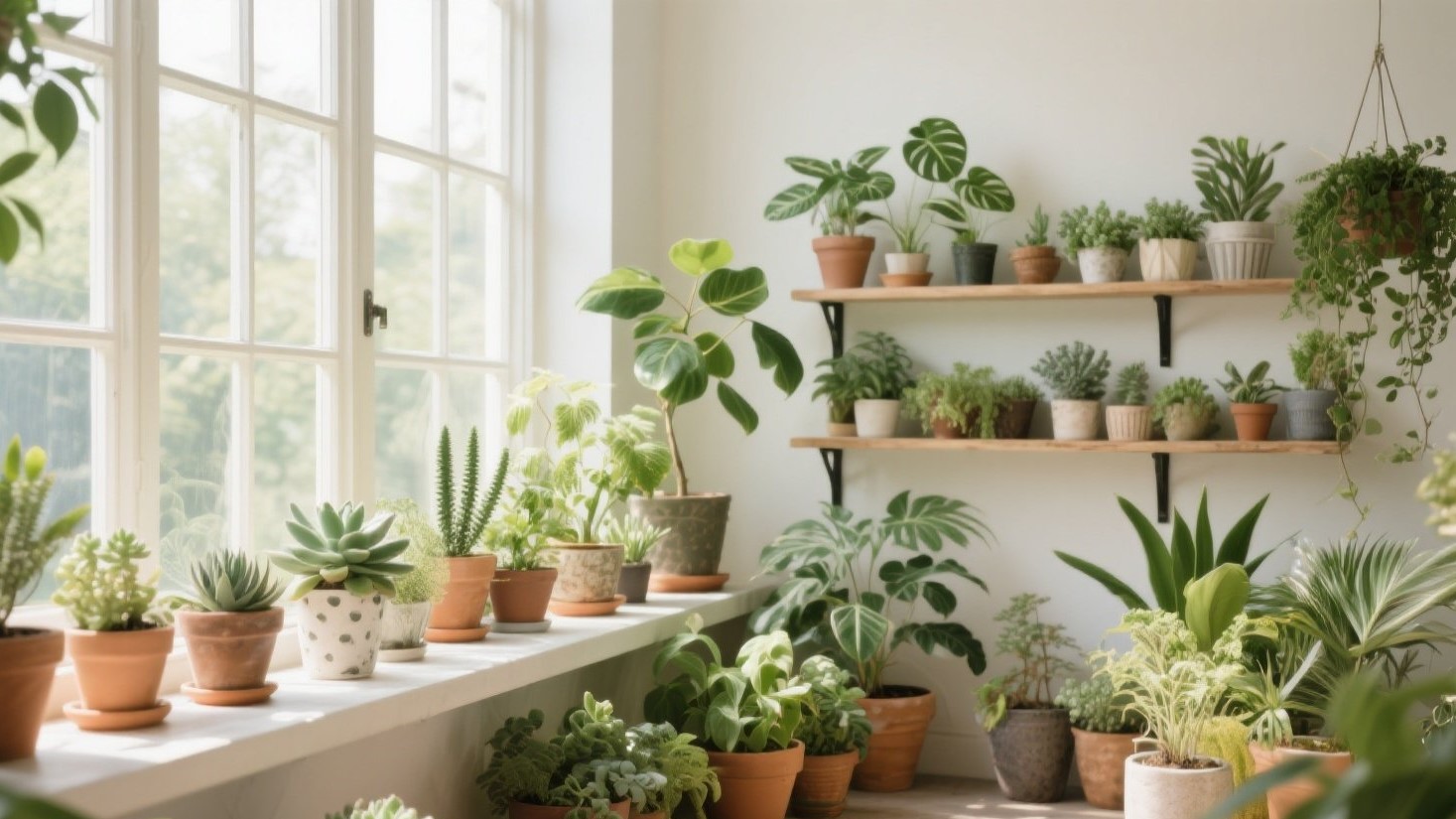
- A south-facing window is ideal for indoor plants
- During summer, it loves being outside in full sun
- Without enough light, it will become leggy and won’t flower
2. Watering: When in Doubt, Don’t
This is the most important rule for Desert Rose care:
- Water only when the soil is completely dry
- During active growth (spring-fall), water thoroughly, then let dry completely
- In winter, water very sparingly – sometimes just once per month
- The swollen trunk stores water, so it’s better to underwater than overwater
3. Soil and Potting: Excellent Drainage is Critical
- Use a cactus/succulent potting mix or make your own with regular potting soil mixed with perlite or sand
- The soil must drain quickly – standing water will cause root rot
- Terracotta pots are ideal as they allow soil to dry faster
- When repotting, choose a container only slightly larger than the root ball
4. Temperature: Keep It Warm
- This tropical plant loves warmth and hates the cold
- Bring indoors when temperatures drop below 50°F (10°C)
- Ideal winter temperature: above 60°F (15°C)
- It can suffer damage below 40°F and may die if exposed to freezing temperatures
5. Feeding: Fuel for Growth and Flowers
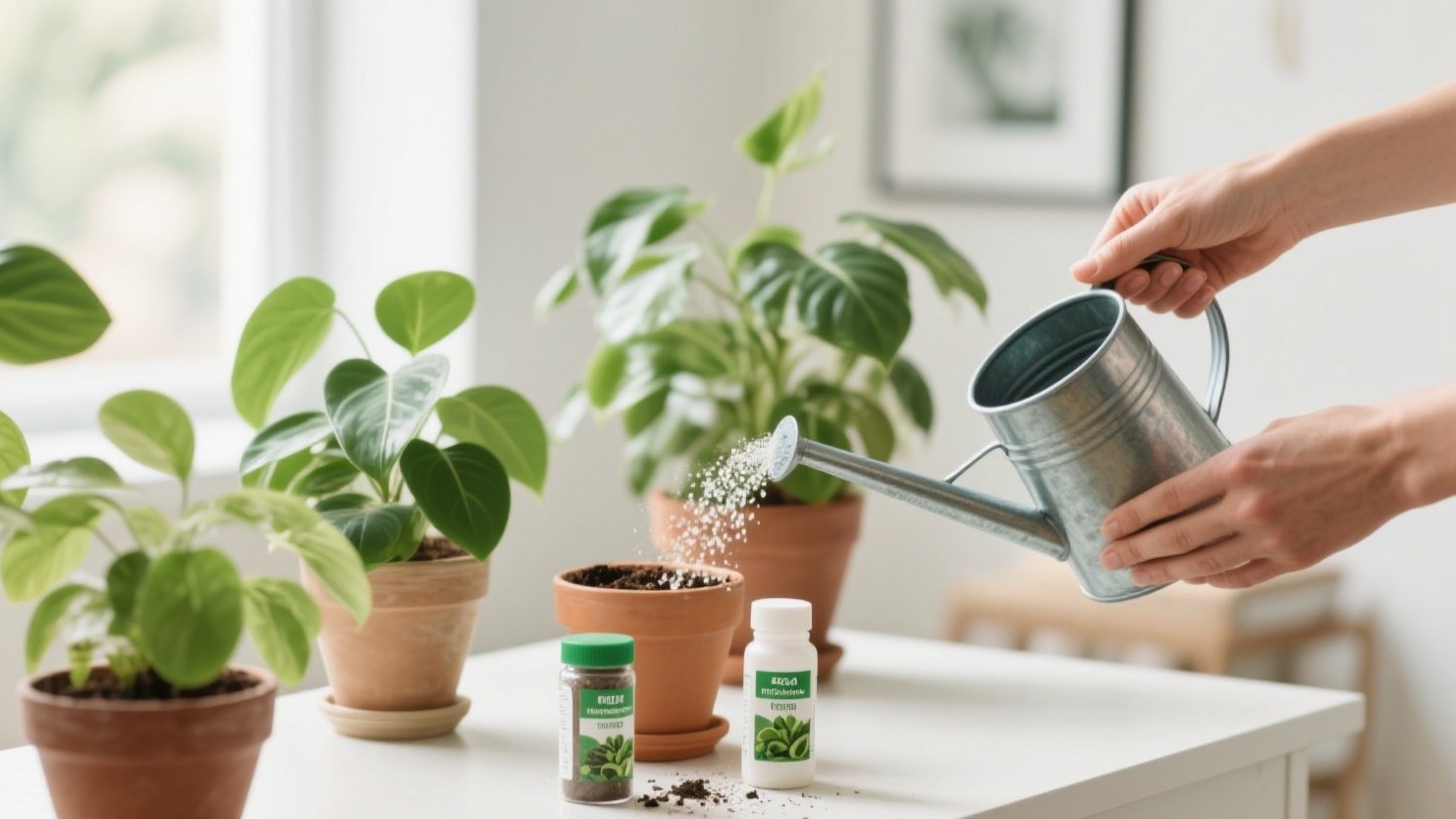
- During growing season, use a balanced, water-soluble fertilizer monthly
- For better flowering, switch to a bloom booster formula higher in phosphorus
- Stop fertilizing in winter when the plant is dormant
6. Pruning and Maintenance
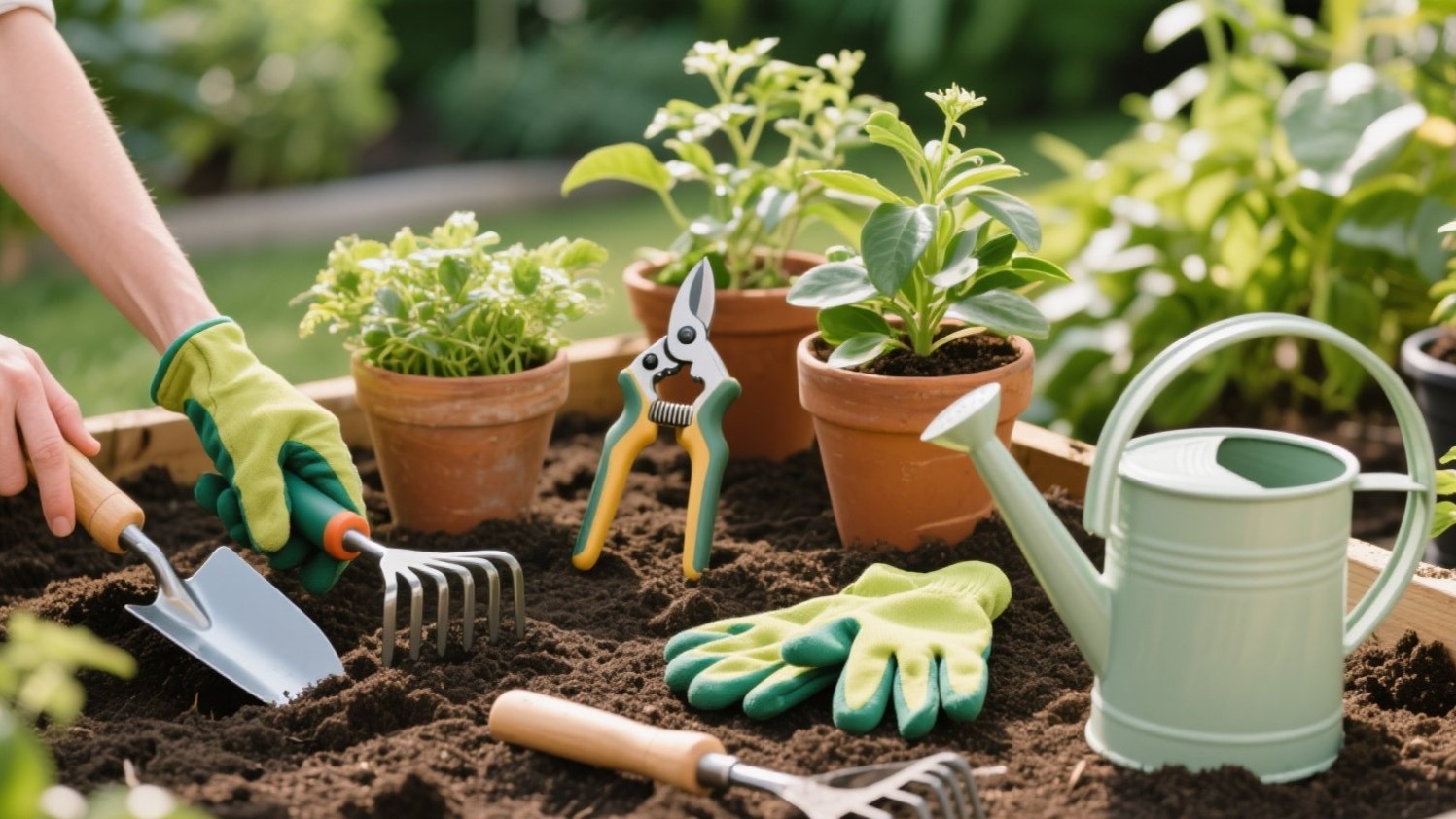
- Wear gloves when handling – the sap is toxic and can irritate skin
- Prune in spring to shape your plant or control size
- Remove any dead or damaged branches as needed
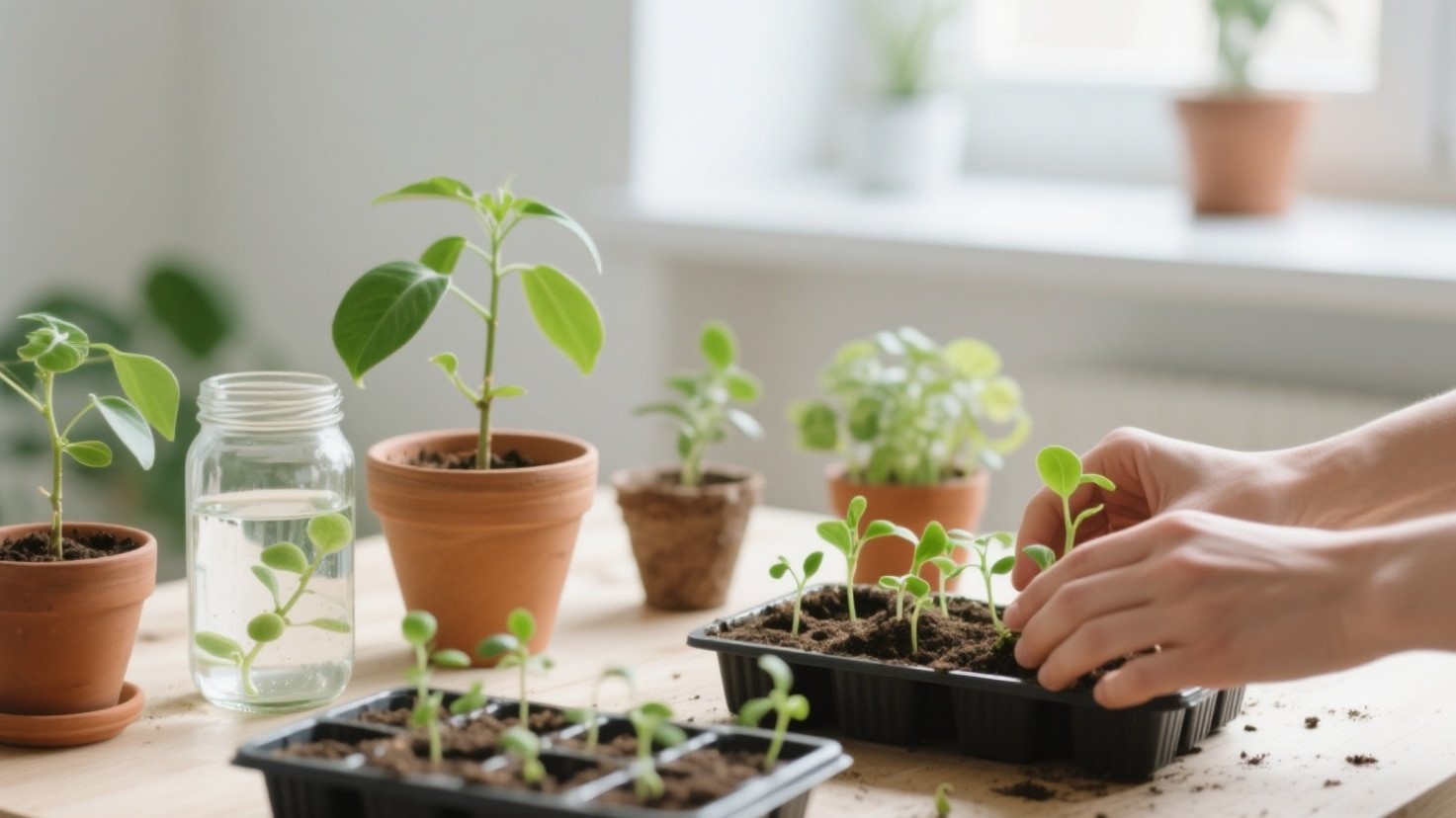
7. Easy Propagation: Make New Plants
Create new plants from stem cuttings:
- Take 6-inch cuttings in spring or summer
- Let the cut end dry and form a callus for 24-48 hours
- Dip in rooting hormone (optional)
- Plant in well-draining soil and water lightly
- Keep in bright light and wait for roots to develop
Troubleshooting Common Problems:
- Yellow leaves: Usually means overwatering
- No flowers: Likely needs more sunlight or fertilizer
- Soft trunk: Sign of root rot from too much water
- Dropping leaves: Normal in fall as plant prepares for dormancy
Special Note About Toxicity:
All parts of the Desert Rose are poisonous if ingested. Keep away from children and pets, and wash your hands after handling.
The Desert Rose is a rewarding plant that gives you tropical beauty with minimal fuss. Just remember: plenty of sun, minimal water, and keep it warm. Your reward will be spectacular blooms that make this plant a true conversation piece in your home or garden!