Introduction: When Fall Soil Starts To Feel “Off”
Fall is when your plants slow down above the soil, but strange things start happening on the surface. You might notice fuzzy white patches, sour smells, or tiny gnats that fly up every time you water. All of that usually has one quiet culprit: consistently soggy topsoil. 🍁
This guide shows you why the top few centimeters of soil matter so much once the weather cools. Instead of guessing at “drier on top,” you will learn what it actually looks like in a pot, how it feels, and how long it usually takes. The goal is simple: a calm, clean-looking soil surface that keeps pests away while your plant still gets all the water it needs. 🌱
Why Topsoil Matters In Fall
When temperatures drop and light hours shrink, your potting mix stays moist far longer than it did in summer. The top layer is where airborne mold spores land, fungus gnat eggs are laid, and decaying bits of soil and fertilizer start to break down. If that layer never gets a chance to dry, you are basically rolling out a red carpet for gnats and funky smells. 😬
Most common houseplants come from environments where the surface dries between rains, even if deeper soil stays damp. Mimicking that pattern in your pots helps beneficial microbes outcompete the slimy ones that love constant moisture. Think of slightly dry topsoil as a natural filter that protects roots from rot and keeps your home feeling fresher. 🌿
What “Drier On Top” Really Looks Like
“Drier on top” does not mean bone-dry, cracked, and pulling away from the pot edges. For most indoor plants, it means the top 1–2 centimeters feel dry and crumbly to the touch, while the soil just below still feels slightly cool and moist. If you press a finger in and it goes from dusty at the surface to faintly damp underneath, you are in the right zone. 👍
Use your senses instead of watering on a fixed calendar. Look for a lighter soil color, feel that the surface no longer clings to your finger, and notice that the pot feels a bit lighter when you lift it. Over time, you will connect those cues with how your plant responds, so “drier on top” becomes a concrete habit, not a vague instruction. 🪴

Watering Smarter Without Underwatering
The trick is to let the top dry while still delivering enough water deeper in the pot. Instead of frequent light sprinkles, water more slowly and deeply, allowing the liquid to reach the root zone and then fully drain out. This pattern keeps roots hydrated while giving the topsoil a chance to breathe and reset between waterings. 💧
Bottom-watering is a powerful tool in fall, especially for gnat-prone plants. Set the pot in a tray of water for 10–20 minutes so moisture wicks up from the drainage holes, then remove it and let the surface stay almost untouched. Because the top layer is not constantly splashed, it stays drier and less appealing to mold and insects. 🪟
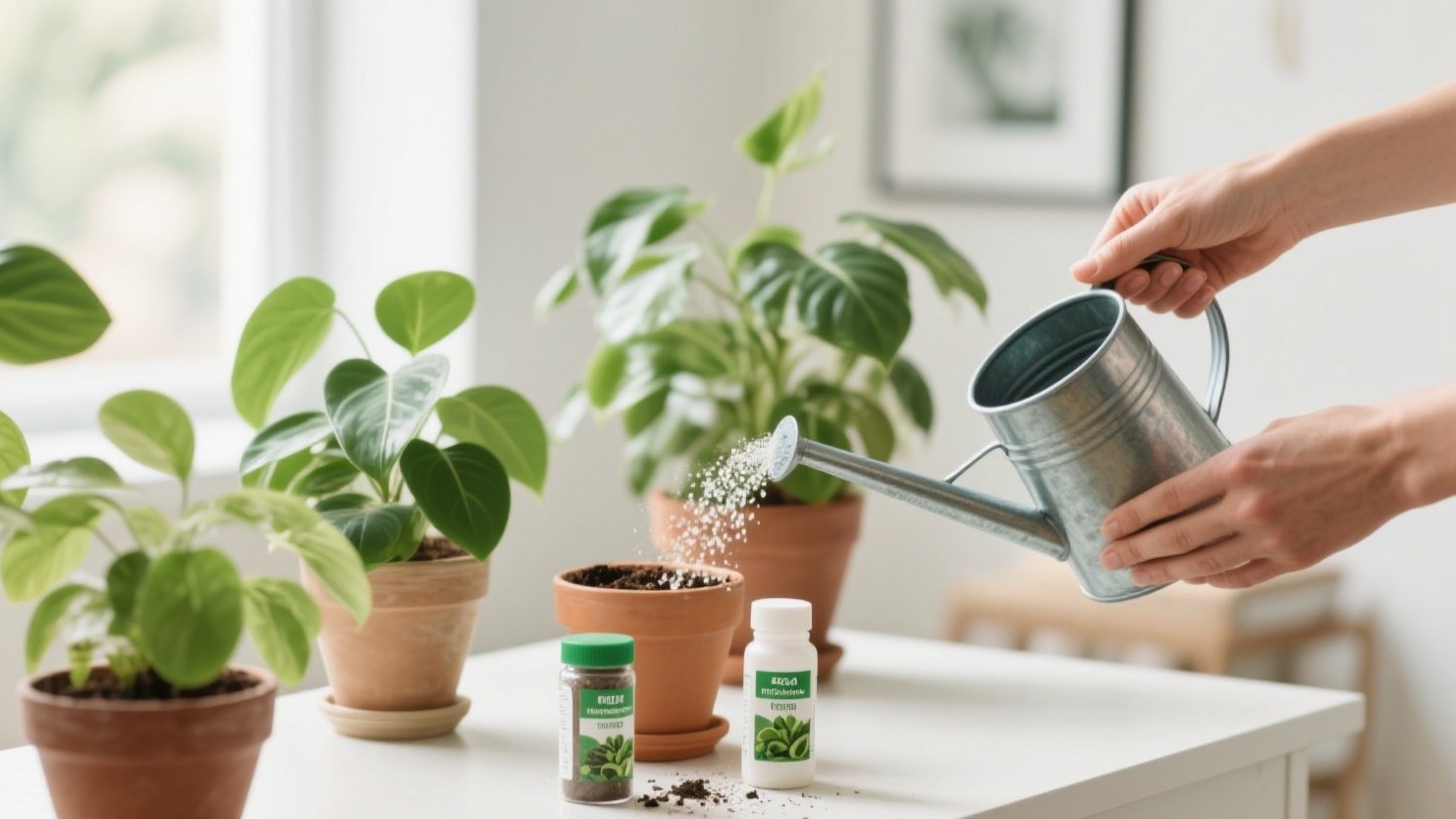
If you prefer top-watering, pour slowly around the inner pot edge and stop as soon as water starts to seep out the bottom. Avoid repeatedly soaking the same patch of soil near the stem, which can turn that spot into a permanent swamp. Pair this with checking moisture using your finger or a simple chopstick test to avoid underwatering. 🌊

Airflow, Spacing and Light: Quiet Mold Killers
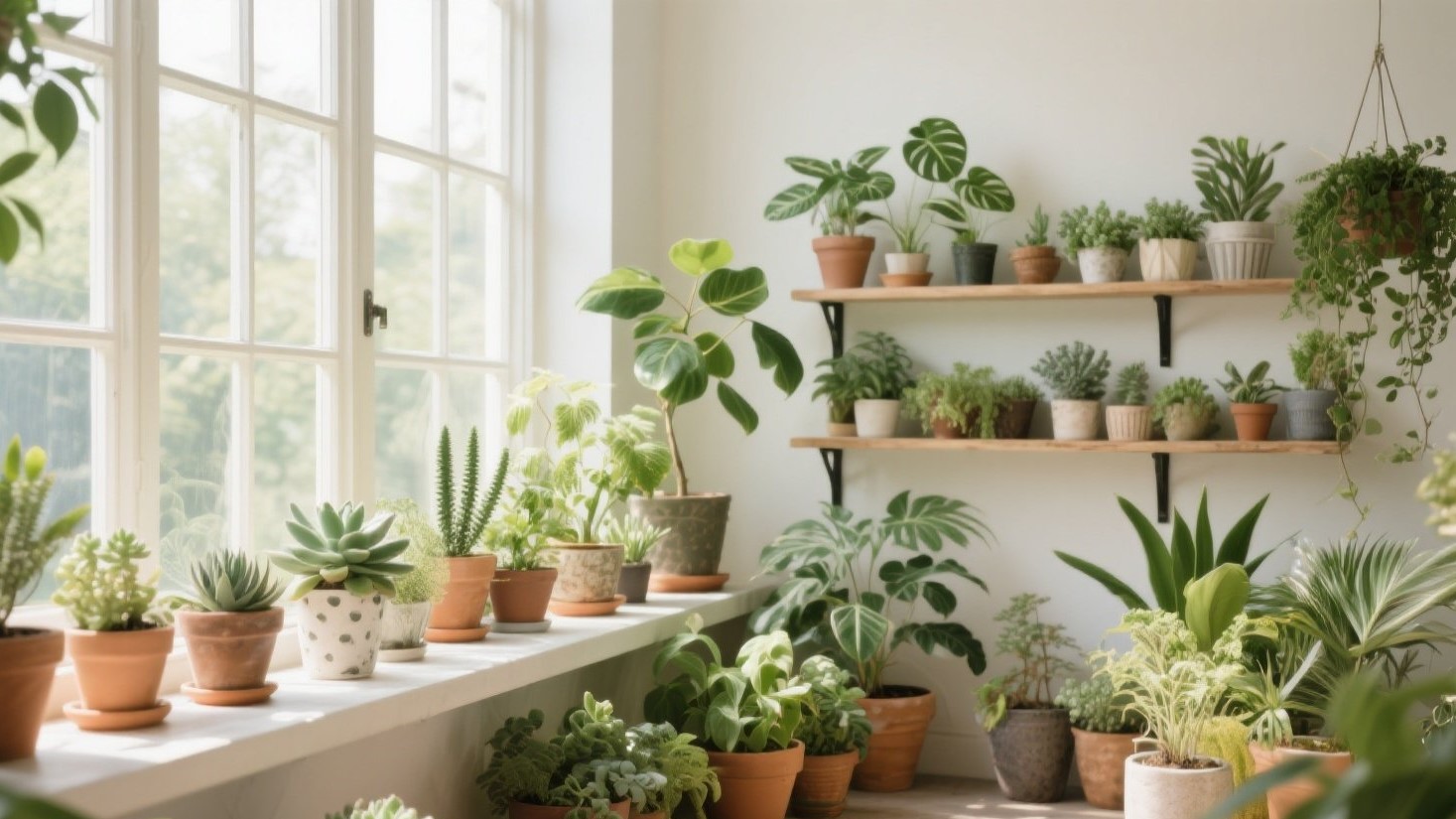
Even perfect watering cannot fix a shelf with stale, trapped air. When pots are jammed together or pushed right against cold window glass, moisture hangs around on the soil surface and leaves. A small fan on low, an open window on mild days, or simply giving each pot a little breathing room reduces the time the topsoil stays damp. 🍃
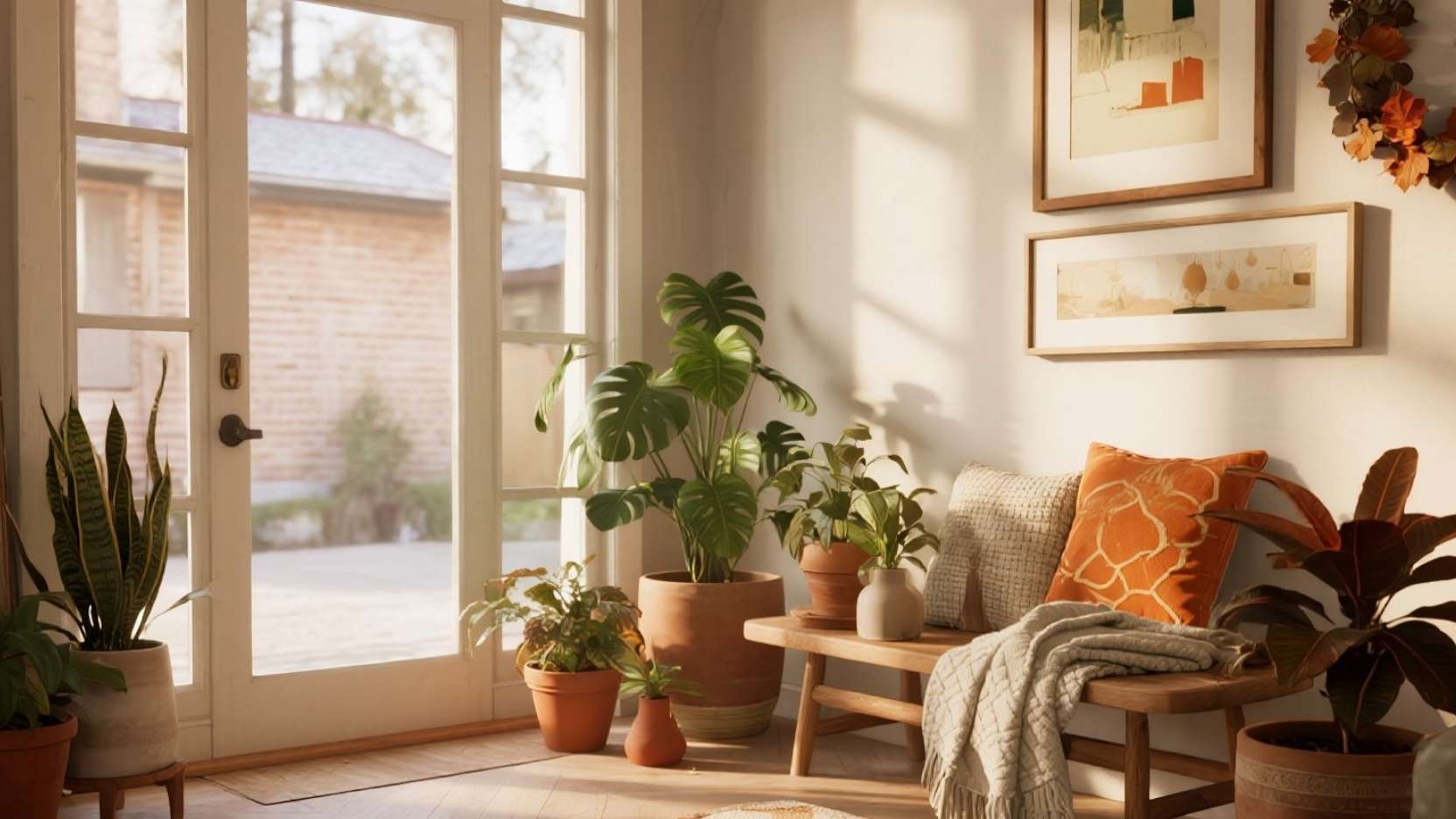
Light also influences how quickly the surface dries. A plant that has been moved deeper into a room for fall décor may get less sun, which slows evaporation and encourages fungi. Keeping plants within their light comfort zone, even while you decorate, helps balance moisture and protect that crucial top layer. 🌞

Texture Stacking With Terracotta, Pebbles and Trays
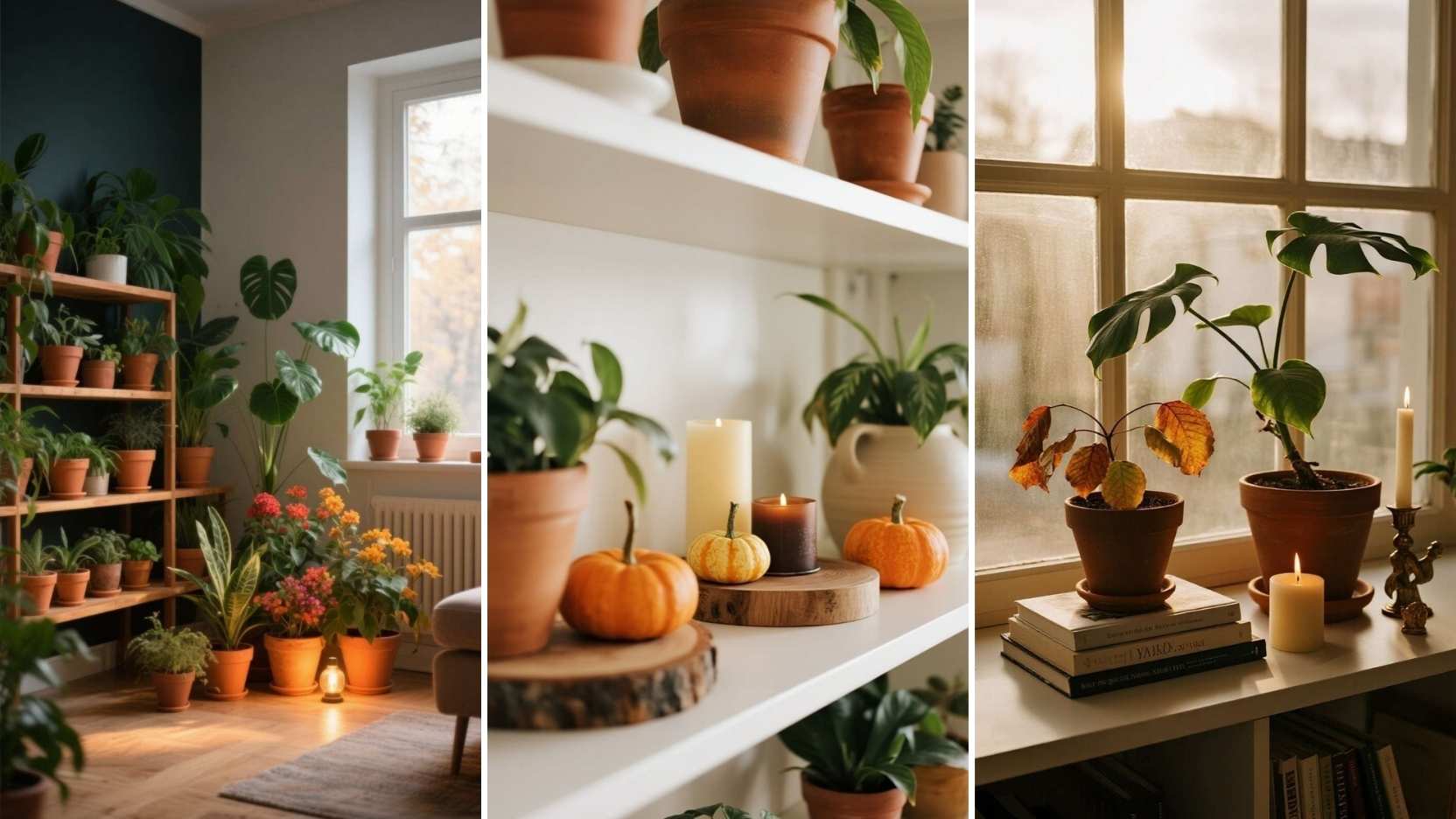
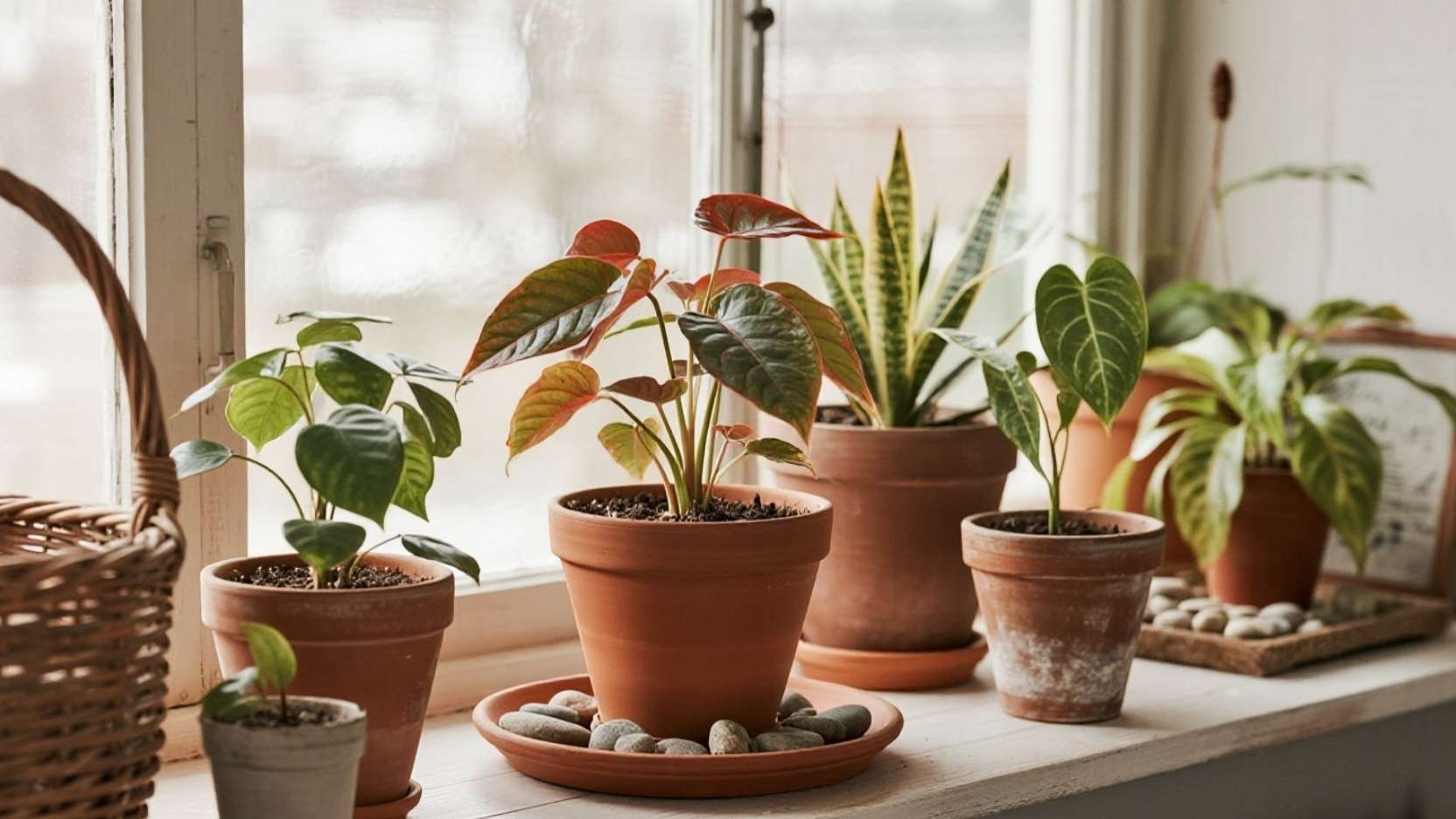
Terracotta, amber glass, baskets, and trays are not just pretty; they also change how moisture behaves at the surface. Unglazed terracotta slowly wicks water out of the soil, helping that top layer dry more evenly over time. When you pair it with breathable materials like wicker baskets or open trays, you get both visual warmth and better moisture control. 🧺
Pebbles or decorative top dressings can be plant-safe if you use them thoughtfully. Choose materials that do not trap soggy organic matter, avoid sealing the soil completely, and keep a thin layer so air can still flow. Think of texture stacking as a light, airy blanket over your soil, not a plastic tarp. ✨

A Simple Fall Topsoil Routine To Follow
Once a week, do a quick “topsoil scan” of your plants instead of automatically grabbing the watering can. Gently fluff any compacted surfaces with a clean fork or chopstick, remove fallen leaves or mushy debris, and feel the top layer with your fingers. This five-minute ritual breaks up crusts, improves airflow, and tells you which pots actually need water. 🧹
When you do water, decide whether each plant gets top-watering, bottom-watering, or a skip based on how the soil feels. Rotate pots slightly so different sides face the light, and make sure no planter is permanently sitting in standing water. Over a few weeks, you will notice fewer gnats, less mystery fuzz, and soil that looks calm instead of chaotic. 🌼
Conclusion: A Calm, Gnat-Free Shelf All Season
Keeping the surface drier in fall is less about strict rules and more about paying attention to the tiny layer where air meets soil. When that zone gets a chance to dry between waterings, pests and funky smells lose their favorite hangout. Your plants can stay lush while your home feels cleaner and more comfortable. 🏡
With deeper but less frequent watering, better airflow, and thoughtful use of terracotta and textures, you build a small ecosystem that works with plant biology instead of against it. Each time you pause to check the top layer instead of watering on autopilot, you are tuning your care to the season. That is how topsoil becomes a quiet ally in keeping your fall plant corner peaceful and gnat-free. 🌾🌿