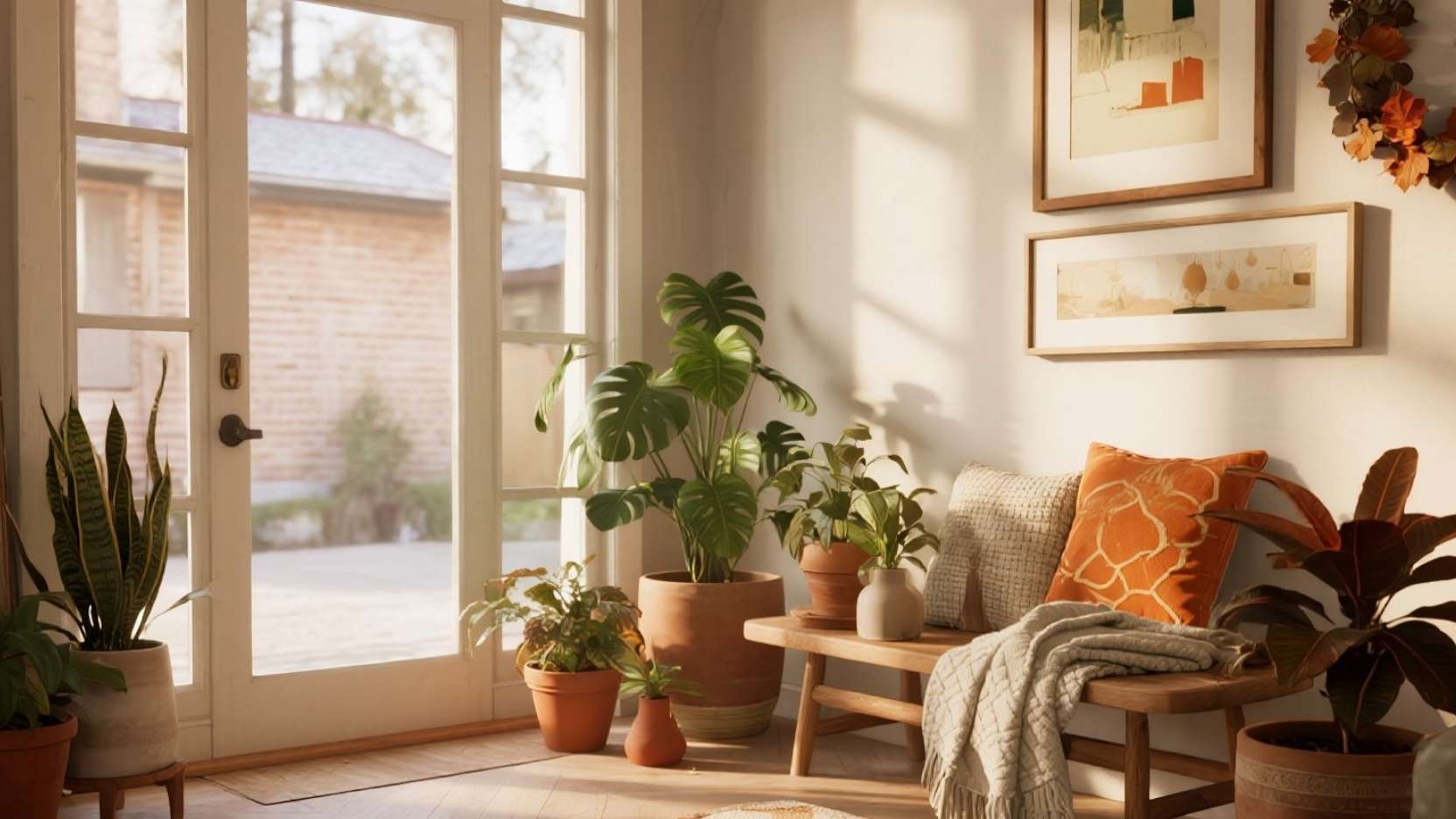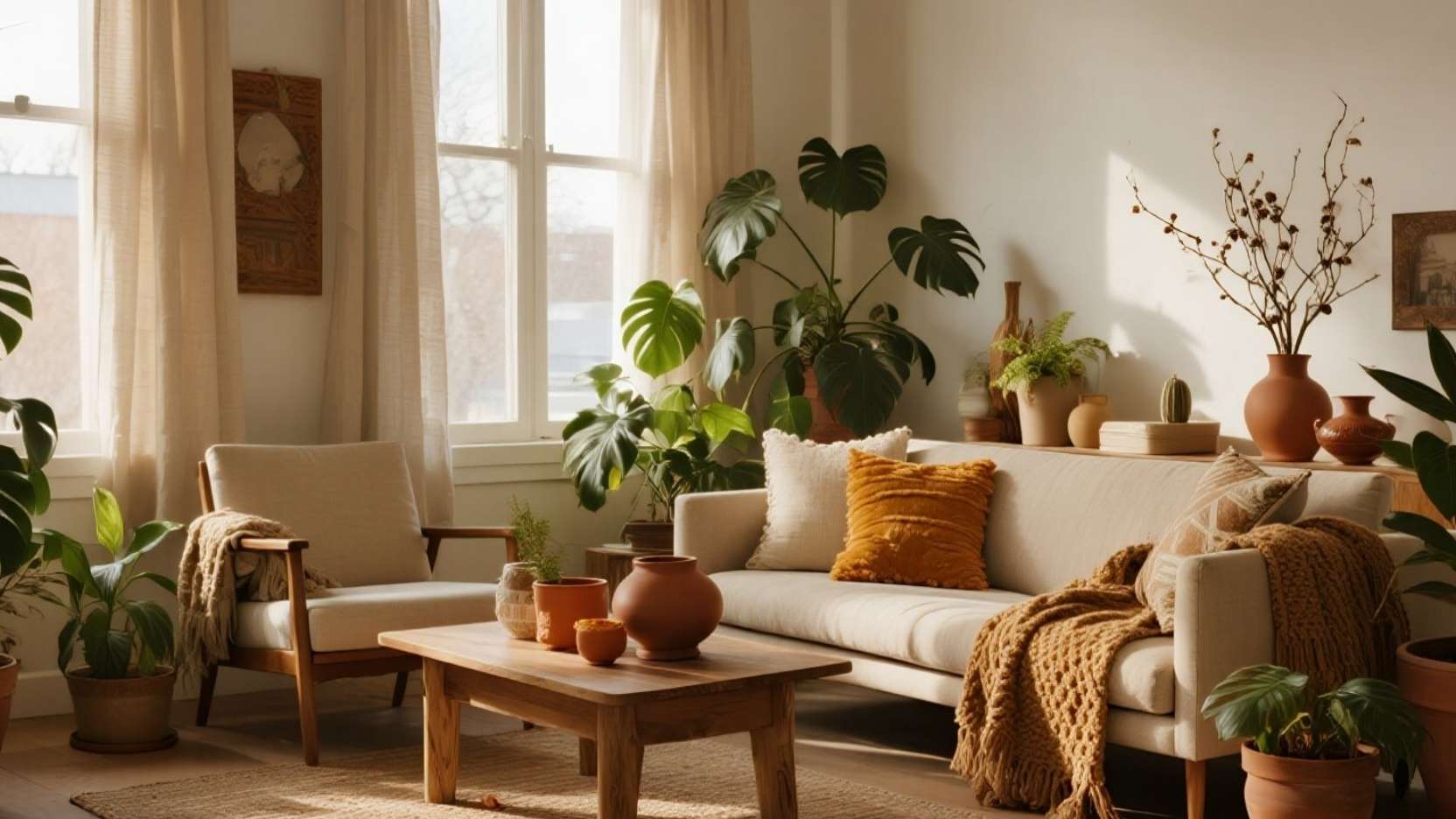
Getting cozy without accidentally sabotaging your plants 🌨️
Winter feels like the perfect time to curl up indoors, but that same cozy setup often turns your home into a mini desert for plants. Heating systems dry out the air, sunlight gets weaker, and plants suddenly behave “different” even though they’re in the same spot. When you understand these hidden winter shifts, you can tweak a few habits and keep your plants happy without turning care into a full-time job. 😊
Instead of blaming yourself for “doing it wrong,” see winter as a change of rules, not a failure. Your plants are reacting to less light, drier air, and slower growth, so they don’t drink or dry out the way they did in summer. Once you adjust watering, placement, and light to match this slower rhythm, most winter problems become manageable annoyances instead of constant emergencies.
Humidity “cliff” in winter homes and what it does to plants 💧
When heaters kick on, indoor humidity can drop sharply, sometimes from a comfortable 50–60% down into the 20–30% range. Many tropical houseplants are adapted to much higher humidity, so their leaves may crisp at the edges, curl, or develop brown tips. You’re not necessarily underwatering; the air is just pulling moisture out of leaves faster than the roots can keep up.
This “humidity cliff” also slows new growth, which means plants drink more slowly even as their leaves feel stressed. That’s why you might see both dry, crispy edges and soil that still feels damp for days. The trick is to think in terms of leaf comfort (humidity and airflow) as much as soil moisture, instead of just watering more. 🌿
A simple hygrometer can be a game changer, showing you how dry the air actually is instead of making you guess. If you notice humidity staying low, grouping plants together, adding a humidifier, or even moving them away from the driest rooms can help. Over time, you’ll learn which plants are “divas” about humidity and which are perfectly fine riding out winter with minimal fuss.

Vent-aware placement: when heat vents secretly change your watering needs 🔥
Heat vents are sneaky: they dry the air and create hot spots that make nearby pots dry much faster than the rest. A plant placed right above or beside a vent may suddenly need more frequent watering than its friends across the room. This can confuse you into thinking something is “wrong” with that plant, when the culprit is really the airflow.
On the flip side, plants placed too far from vents or tucked in cold, dim corners might dry out very slowly and stay damp for too long. That combination of cool, low-light, and wet soil is prime territory for root issues and fungus gnats. So winter placement isn’t just about aesthetics; it’s a practical way to keep watering predictable. ✨
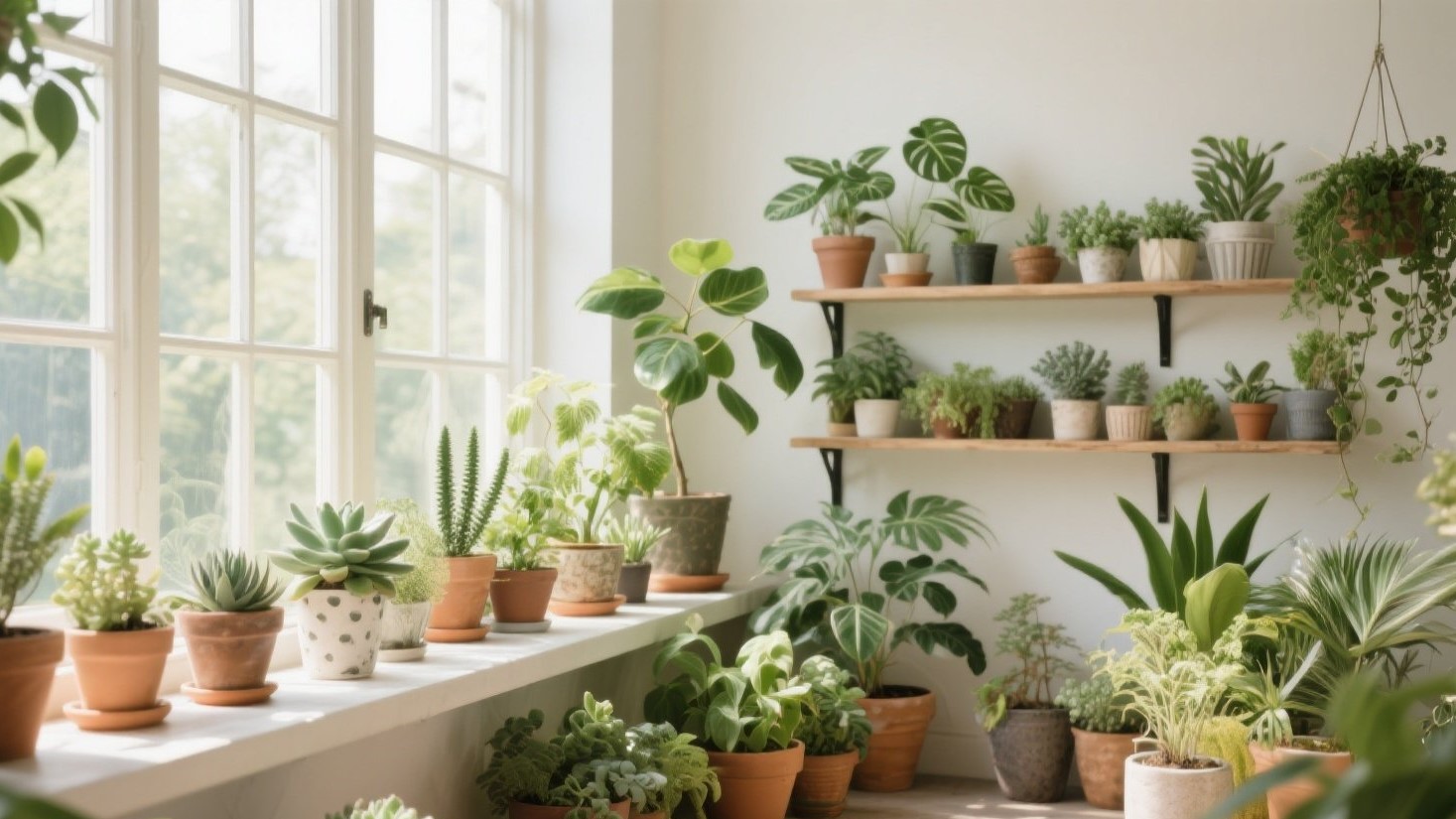
Do a quick “vent audit” by walking your space and noting where warm air actually blows. Try sliding plants a bit away from direct vents, or lifting them onto stands or shelves where the air is gentler. Aim for spots with stable temperature, moderate light, and no direct blast of hot air on leaves or soil.

Humidifier routines + “daily touch” tasks that are gentle but effective 🌫️🤲
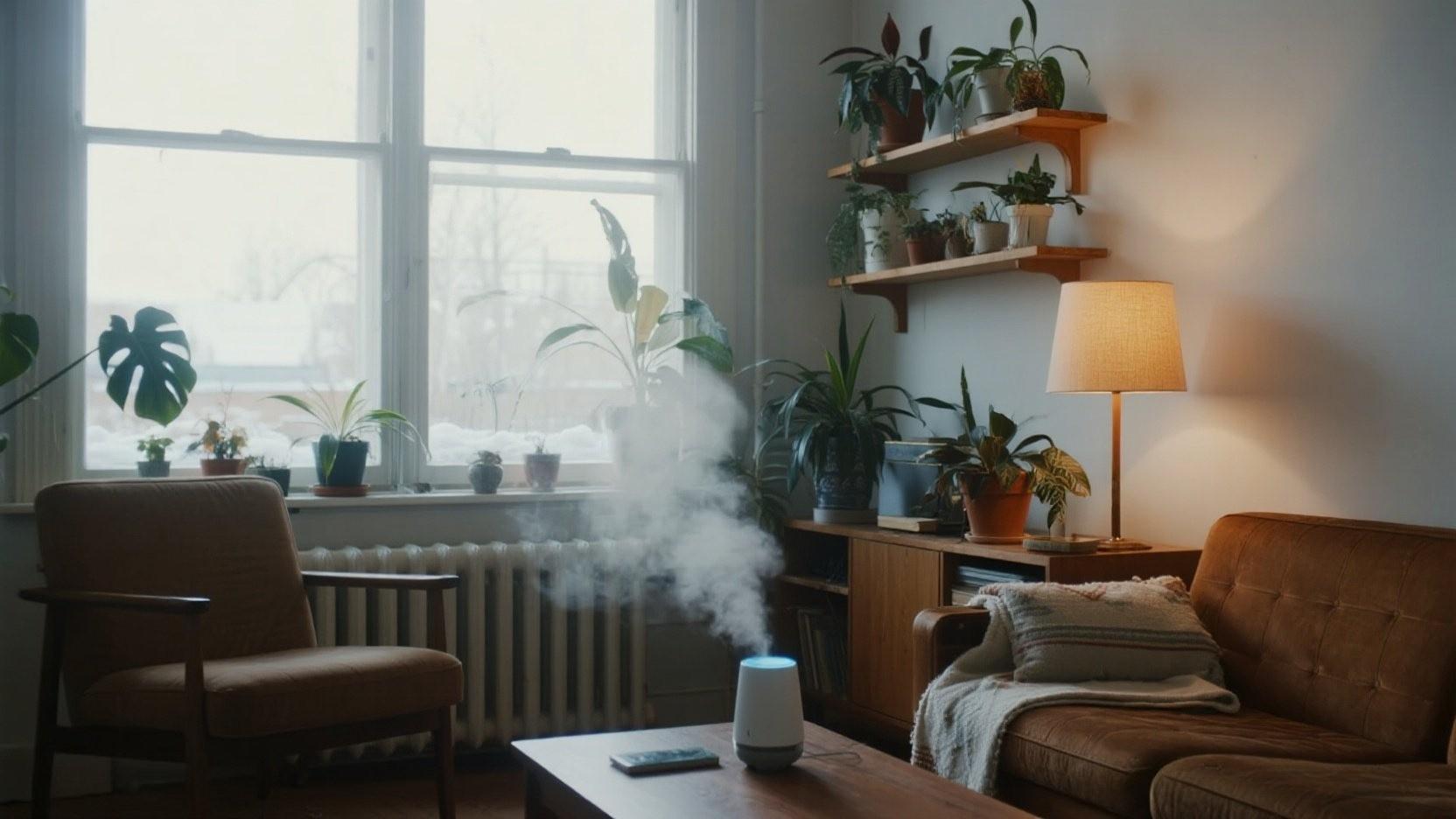
Humidifiers can feel like a hassle, but in winter they’re one of the simplest ways to make plants and people more comfortable. Instead of running them randomly, think in routines: for example, morning and evening sessions near your main plant corner. Even a few consistent hours a day can soften the worst of the dry-air stress.
Pair this with tiny “daily touch” tasks that keep you connected without overwhelming you. A quick leaf check, rotating one or two pots, and pinching off a yellowing leaf can signal problems early. These micro-habits feel active and caring, but they avoid the big winter mistake of overwatering just to feel like you’re “doing something.” 😊
If you tend to forget, anchor your humidifier routine to something you already do—like starting it with your morning coffee and switching it off when you dim the lights at night. Keep distilled water or a refill jug nearby so refilling doesn’t feel like a chore. Over time, this gentle rhythm supports both plant health and your own sense of calm.

Fungus gnat reality check: why winter overwatering wakes them up 🪰
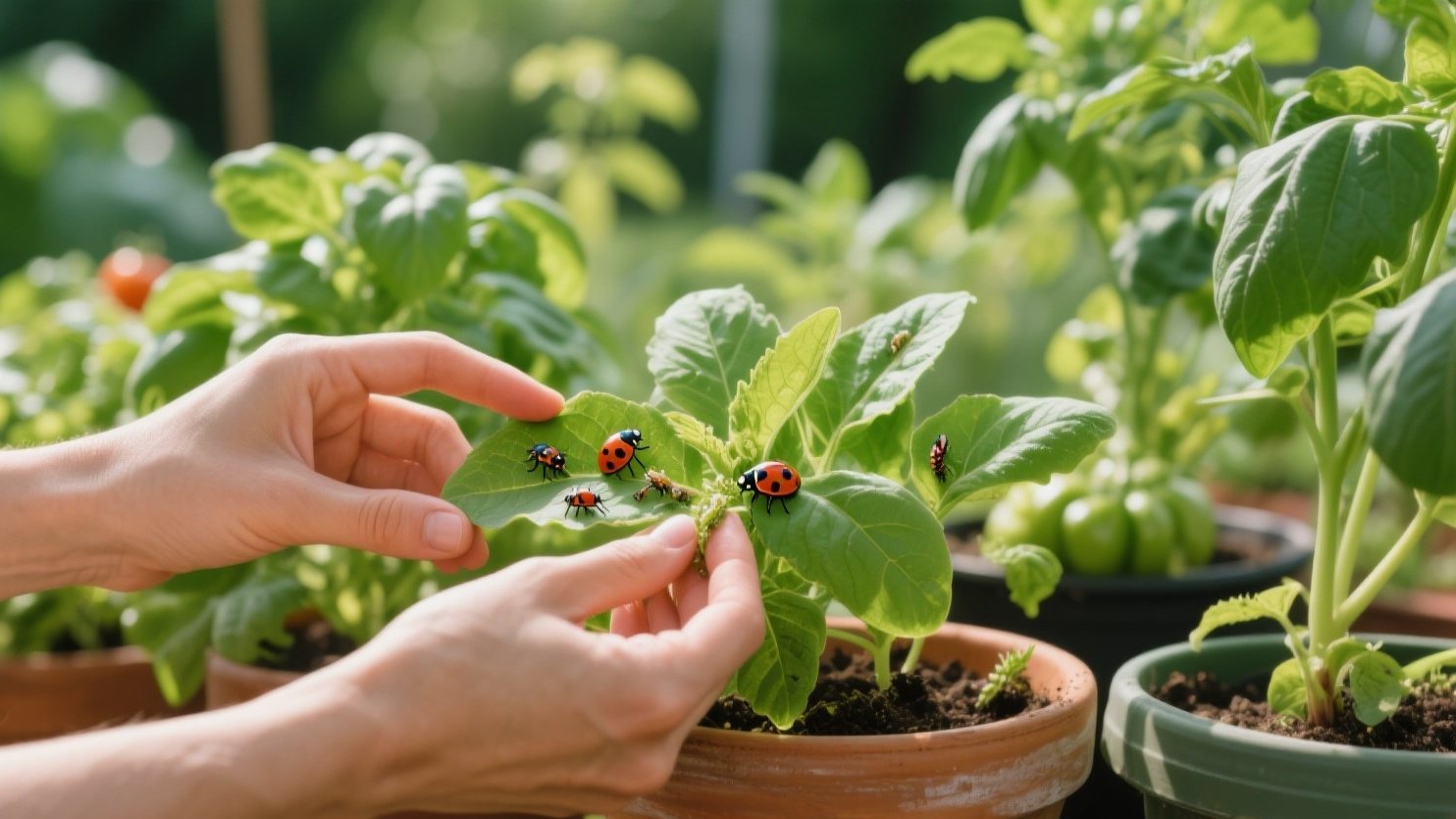
Fungus gnats aren’t a sign you’re a bad plant parent; they’re a sign the soil stayed damp long enough to become a nursery for their larvae. In winter, soil often dries more slowly because plants are growing less and light is weaker, so your old watering schedule can accidentally keep pots wet. When the top layer never quite dries, gnats multiply, especially in organic-rich mixes.
Instead of panicking, treat fungus gnats as a moisture-management alert. Letting the top 2–3 cm of soil dry fully between waterings makes life harder for larvae. You can also bottom-water some plants, so the surface stays drier while roots still get a good drink. 🌱
It helps to adopt a “finger test plus pot weight” habit rather than watering by calendar. Push a finger into the soil and lift the pot slightly; if it feels lighter and the top isn’t cool or damp, it’s safer to water. Over time, this trains you to read each plant’s real needs and keeps both gnats and root rot under control.
Aesthetic layer add-on: turn pest prevention into a decor-friendly “maintenance tray” 🧺✨
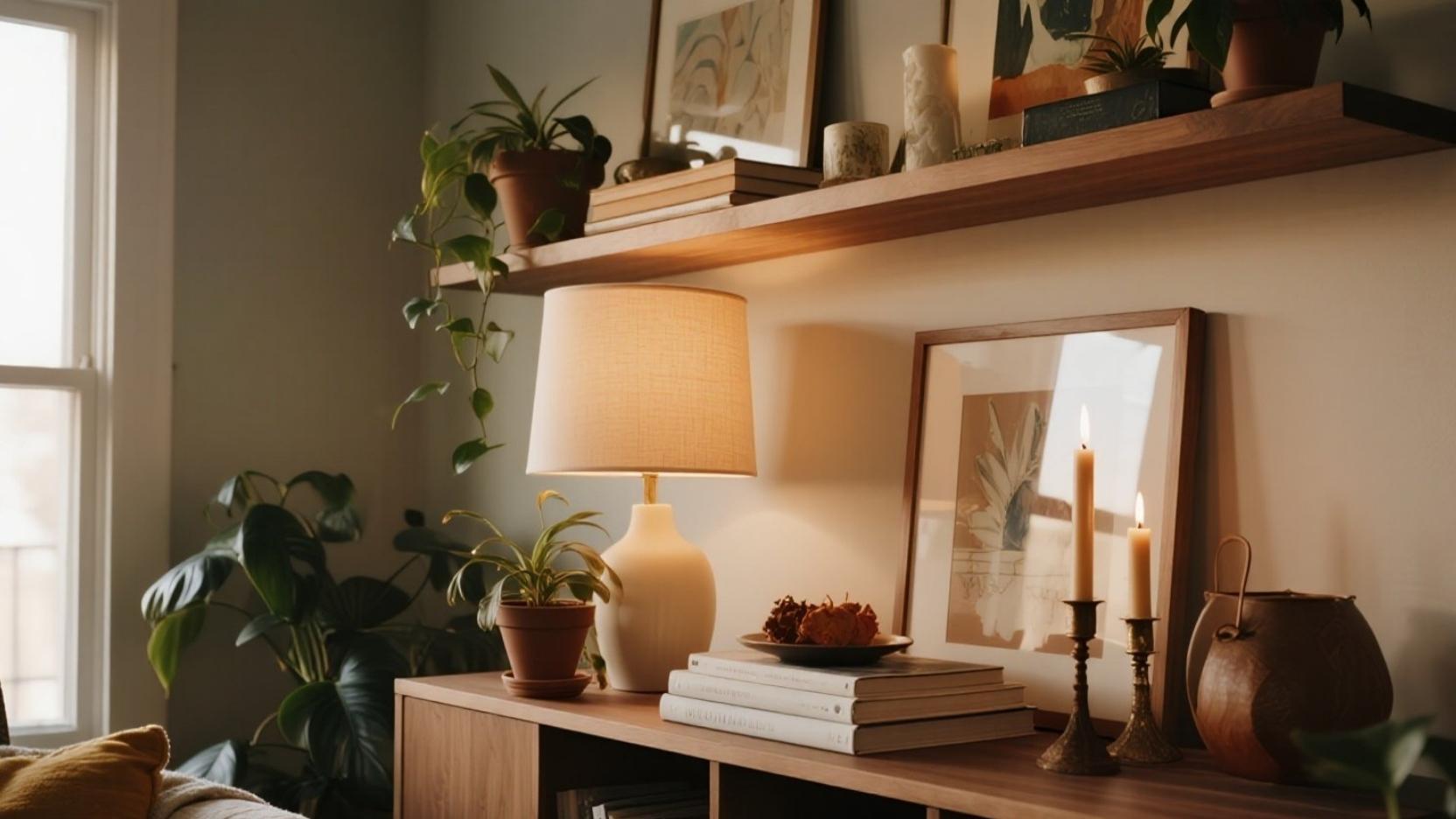
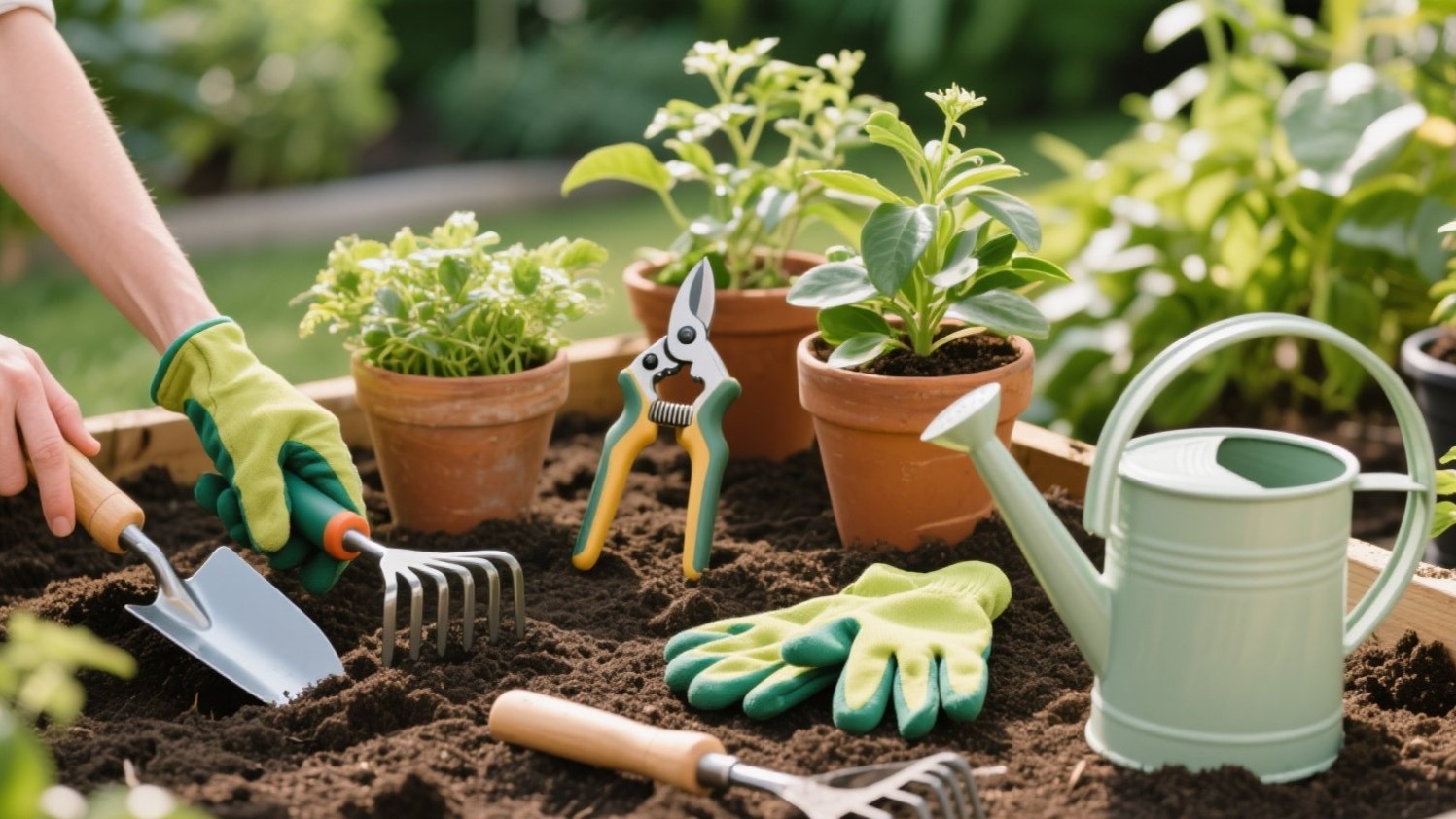
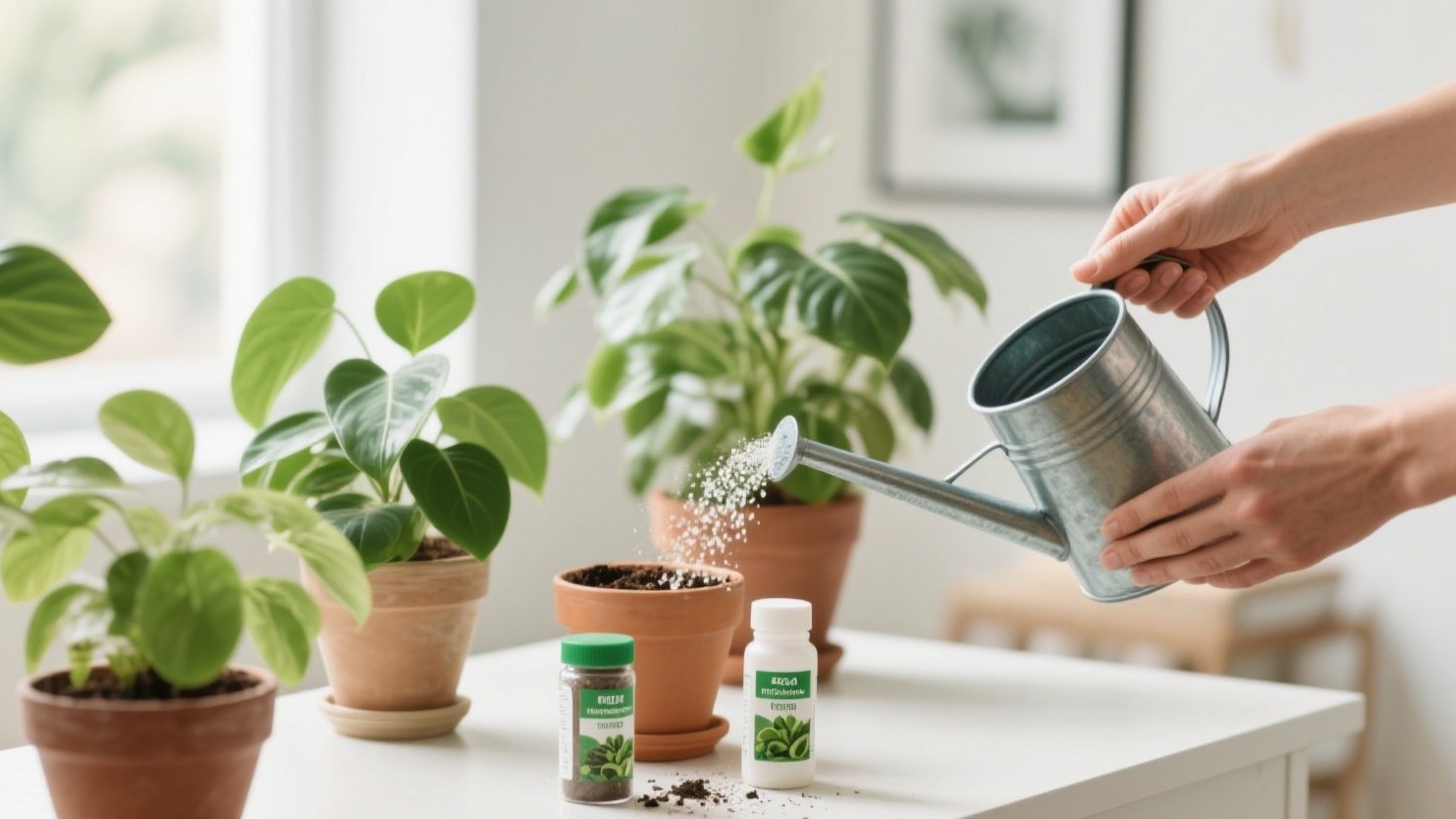
Instead of scattering supplies everywhere, create a small “maintenance tray” that lives near your main plant zone. It might hold a moisture meter or spray bottle, a small brush, sticky traps tucked in a pretty envelope, and a tiny pair of scissors. When everything looks neat and intentional, plant care feels less like a chore and more like a ritual. 🌟
Choose a tray, basket, or low box that matches your decor so it blends in with your living room or bedroom. Add a small candle, coaster, or decorative object so it visually reads as part of your styling, not just “tools.” That way, when you sit down with a cup of tea, you’re reminded to give your plants a quick check-in without feeling like you’re dragging out equipment.
Over time, this tray becomes your winter command center: a place where you notice sticky traps filling, soil staying wet, or leaves needing dusting. Because everything is within arm’s reach, you’ll fix problems in seconds instead of postponing them for weeks. The result is a home that feels both cozy and cared-for—for you and your plants.
Bringing it all together: a cozy, low-stress winter prevention plan ❄️🪴
When you zoom out, winter plant success is less about buying new products and more about adjusting your expectations. Air is drier, light is weaker, soil dries unevenly, and pests like fungus gnats simply take advantage of wet, still conditions. By accepting these seasonal rules, you can respond calmly instead of blaming yourself or your plants.
Your prevention plan can stay simple: watch humidity, respect vent placement, build gentle humidifier routines, and water only when the soil truly needs it. Add a small maintenance tray so the tools you need are always nearby and aesthetically pleasing. With those steps in place, your plants can ride out winter while your home stays cozy, calm, and beautifully green. 💚