Introduction: Design Meets Soil Health 🍁🛏️
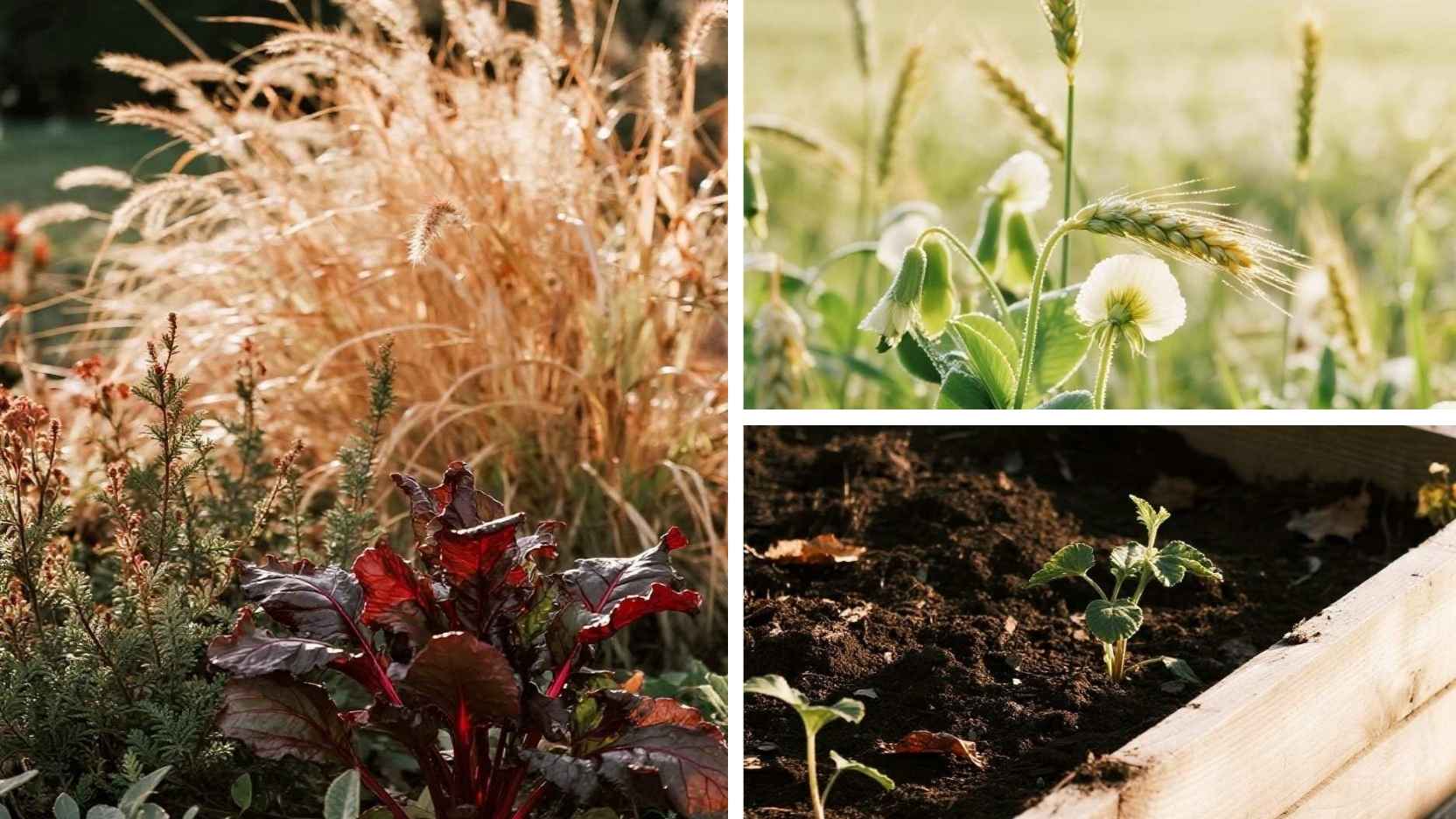
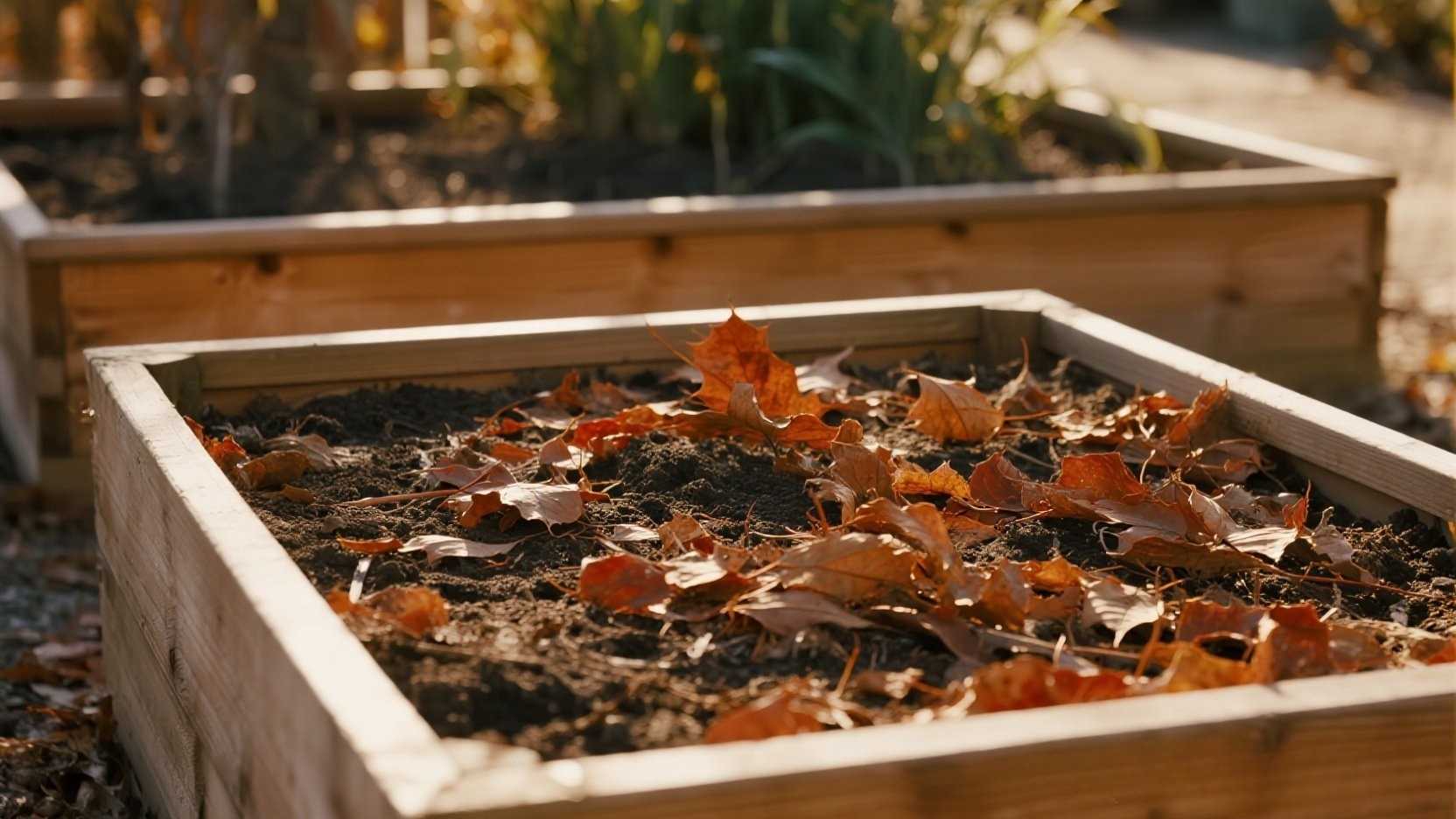
Autumn cleanup can double as a styling moment for your garden beds. A copper-to-rust palette of shredded leaves adds warmth while shielding soil from erosion and temperature swings. Pair that texture with a thin compost top-dress and you get beauty and biology working together.
Think of it like layering a bed: foundation sheet (compost), cozy blanket (shredded leaves), and tidy edges (clear paths). This order protects soil structure, feeds microbes, and prevents winter weeds from finding light. The simple rule is non-negotiable: no bare soil, ever. 🌰✨
Why Shredded Leaves Beat Whole Leaves 🍂🔪
Shredded leaves interlock loosely, letting air and water pass while resisting compaction. Whole leaves can mat like a wet tarp, shedding water and starving soil of oxygen. Shredding also speeds up decomposition, turning texture into long-term tilth.
Microbes and earthworms love the extra surface area that shredding creates. As the layer settles, it knits into a breathable quilt instead of a slick sheet. The result is fewer spring rakes, fewer soggy patches, and a cleaner look all winter. 🌿

Compost-Then-Mulch: The Correct Order 🧱➡️🧣
Lay finished, mature compost first—about 1–2 inches over cleared beds. This feeds soil life, buffers pH, and improves nutrient holding without disturbing aggregates. Keep it no-dig to preserve worm tunnels and fungal networks.
Shredded leaves go on top as the protective blanket. They reduce evaporative loss, prevent splash-back that spreads disease, and insulate roots from freeze-thaw. Water lightly after layering to help materials settle and lock together. 💧
Depth Guide (Inches): Cozy, Not Smothered 📏
Aim for 1–2 inches of compost and 2–4 inches of shredded leaves for most beds. In windy or very cold zones, go to 4–5 inches of leaves, but pull back to 2 inches in spring. Always keep mulch 2–3 inches away from crowns and woody stems.
For tender perennials and garlic, a stable 3–4-inch shredded leaf layer evens soil temperatures. In heavy clay, stay conservative to avoid waterlogging; in sandy soils, use the upper range to curb moisture loss. Adjust edges neatly so paths remain crisp and drain well. 🌬️🧊
Raised-Bed Top-Off Tips 🧺⬆️
Before layering, top off settled raised beds with a modest blend of compost and existing soil. Level gently with a board to maintain even irrigation and prevent pooling. Then apply the compost-then-mulch sequence for a finished, intentional surface.
Use corner checks: sight down edges to confirm uniform depth and clean lines. Cap bed corners and hardware with mulch to reduce frost heave and UV exposure. Label beds now so spring planting happens without digging around in cold soil. 🏷️

What to Skip in Fall (Including Fertilizer) 🚫🧪
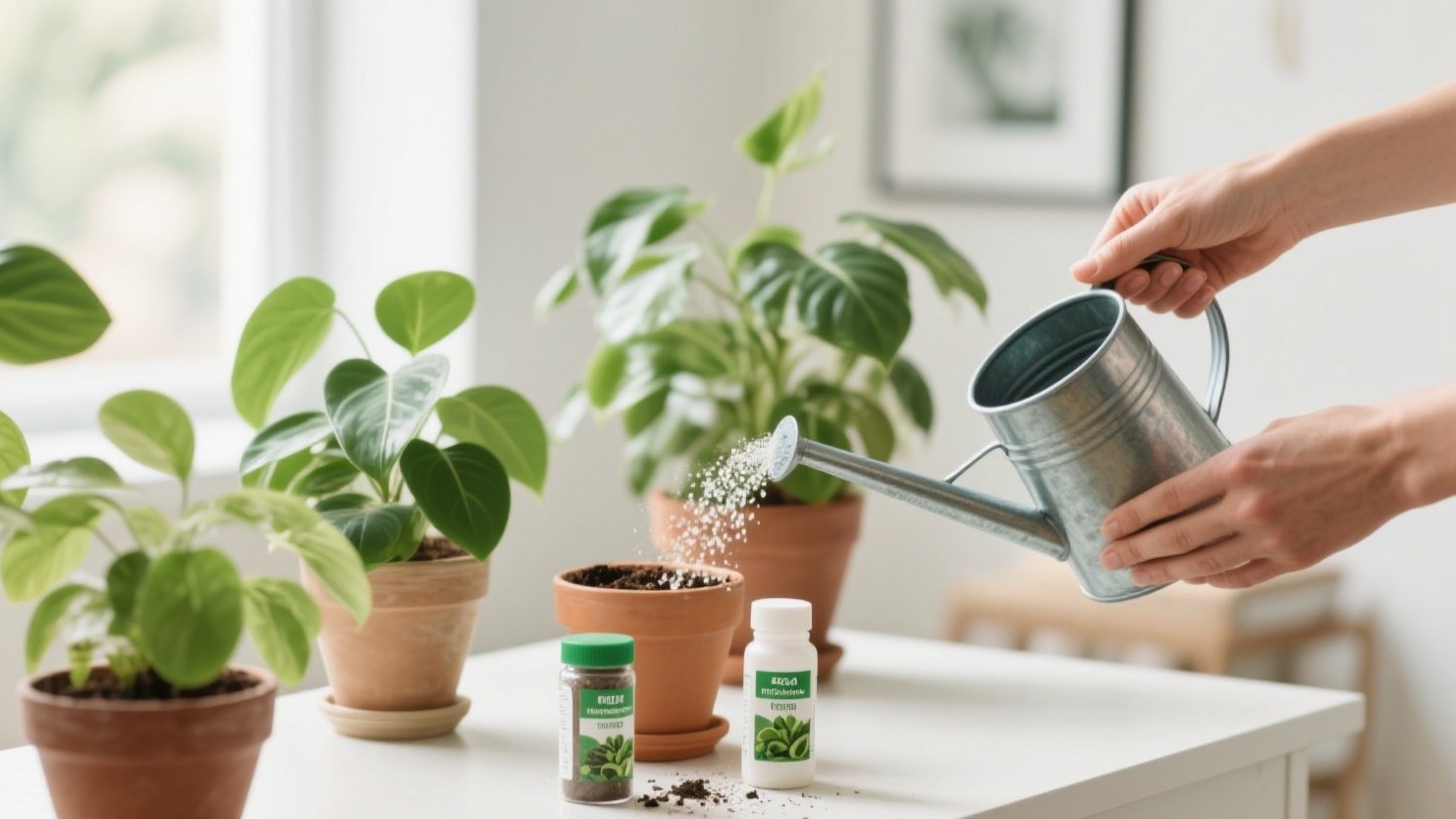
Avoid high-nitrogen fertilizers now; they push soft growth that winter stresses can damage. Surface-applied carbon-rich leaves won’t rob nitrogen from roots the way mixed-in raw material can. Keep fertilizers for spring when plants can actually use them.
Don’t till or double-dig after rains—wet soil compacts and collapses pore space. Skip plastic sheeting that traps water and overheats dark beds on sunny days. And avoid thick mats of whole leaves that invite mold and runoff. 🌧️
Quick Checklist for Raised Beds ✅🗂️
Clear annuals, leaving healthy roots in place to feed soil channels; trim perennials, but protect crowns. Top off lightly, then add 1–2 inches compost and 2–4 inches shredded leaves, pulling back from stems. Water to settle, label the bed, and walk the perimeter to confirm tidy edges and drainage.
Check wind exposure and bump leaf depth if beds are exposed; reduce depth where water lingers. Confirm paths are firm and uncovered to avoid winter slip zones. Finish by snapping a photo—visual records help you replicate success next year. 📸
Conclusion: The “No Bare Soil” Rule, Always 🌾🔒
Bare soil loses moisture, leaks nutrients, and erodes structure; covering it is the fastest upgrade you can make. Compost-then-shredded leaves gives you a designer finish with agronomic backbone. Your winter beds will look curated now and wake up ready in spring.
When in doubt, add texture, not tillage. Keep crowns clear, paths clean, and depths within the guides above. Leaf-layered luxury turns fall’s mess into next season’s momentum. 🍂✨🌱