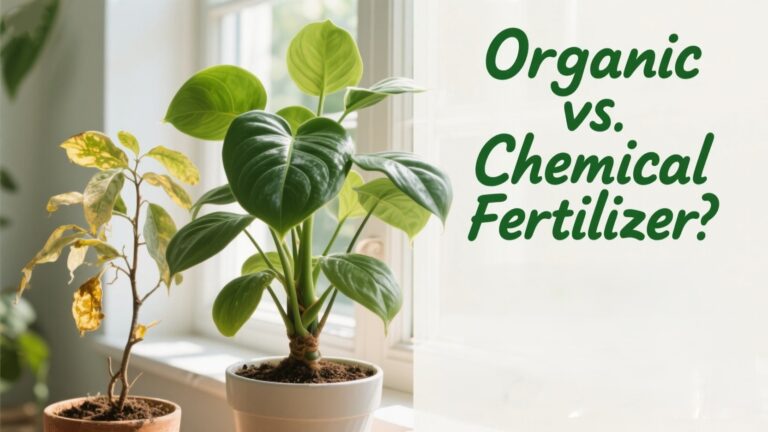
🌿 Introduction: Feeding Your Plants the Right Way
Every indoor gardener reaches the same crossroads: Should I go organic or stick to chemical fertilizer? 🤔
The debate between organic and chemical fertilizers isn’t just about labels — it’s about how plants absorb nutrients, how soil ecosystems thrive (or struggle), and what truly sustains long-term growth.
If you’ve ever wondered why some plant parents swear by compost tea while others rely on store-bought liquid feed, this guide will help you understand the science, cost, and practical differences — so you can choose what’s best for your home jungle. 🌿
🌾 Understanding the Basics: What Are Fertilizers, Really?
Fertilizers — whether organic or synthetic — are designed to provide plants with essential nutrients like nitrogen (N) for leafy growth, phosphorus (P) for roots and blooms, and potassium (K) for overall strength and resilience. 🌱
However, the difference lies in the source and release rate of these nutrients:
- Organic fertilizers come from natural materials — compost, worm castings, bone meal, seaweed, or manure. They nourish both the plant and the soil’s microbial life.
- Chemical (synthetic) fertilizers are manufactured using inorganic compounds. They deliver nutrients quickly and precisely, but they can disrupt soil balance with long-term use.
Both can grow healthy plants — but how they work beneath the surface is what truly matters.
🧑🌾 Organic Fertilizers: Nature’s Gentle Nourishment

Organic fertilizers feed your plants slowly and steadily, mimicking how nutrients are released in nature. 🌾
🌿 How It Works:
Microorganisms in the soil break down organic matter, gradually converting it into nutrients your plant roots can absorb. This process not only feeds your plants but also improves soil texture, moisture retention, and microbial diversity.
✅ Benefits of Organic Fertilizer:
- Sustainable and eco-friendly: Reduces chemical runoff and landfill waste.
- Improves soil health: Builds long-term fertility by enriching beneficial bacteria and fungi.
- Reduces risk of overfertilization: Slow nutrient release prevents root burn.
- Supports natural pH balance: Less likely to cause soil acidity or alkalinity shifts.
⚠️ Drawbacks of Organic Fertilizer:
- Nutrients release slowly, which may frustrate gardeners wanting fast results.
- It can have a strong odor (especially manure-based options).
- Nutrient ratios are inconsistent — not ideal for precise feeding schedules.
Common examples used by indoor gardeners:
- Worm castings 🪱
- Compost tea 🍵
- Seaweed extract 🌊
- Banana peel or eggshell soaks 🍌🥚
💬 Reddit Tip: Many users on r/houseplants recommend mixing worm castings into potting soil or using diluted fish emulsion monthly. It’s low-risk and provides steady nourishment.
🧴 Chemical Fertilizers: Fast Food for Plants
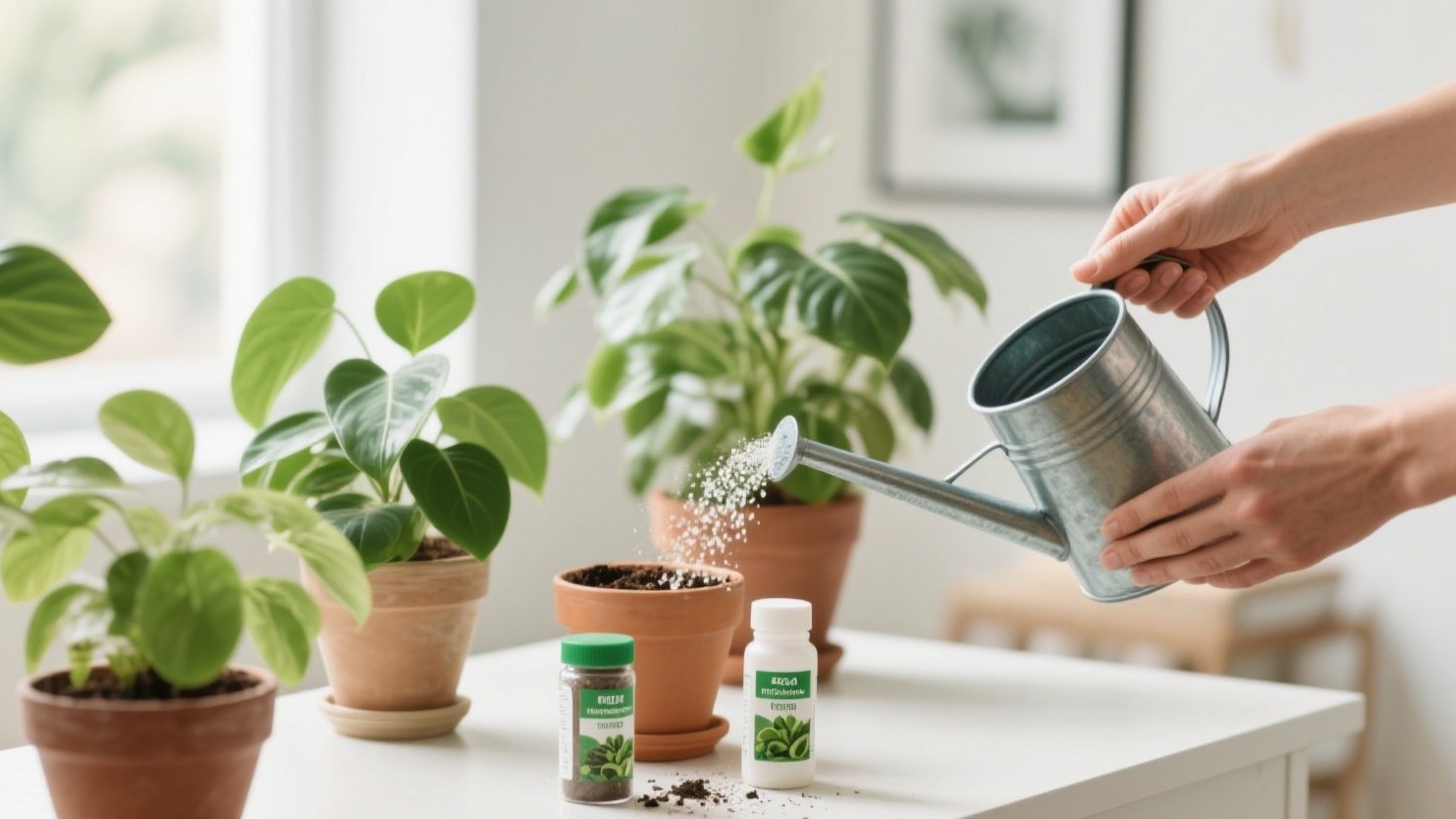
Synthetic or chemical fertilizers are the “quick energy drinks” of the plant world. They deliver nutrients instantly, helping plants recover from deficiencies or push rapid growth.
⚗️ How It Works:
Chemical fertilizers contain concentrated nutrient salts that dissolve in water and are immediately available to roots. This makes them highly efficient — but also potentially harsh if overused.
✅ Benefits of Chemical Fertilizer:
- Instant results: Ideal for reviving nutrient-deficient plants.
- Precise control: Nutrient ratios (like 10-10-10 or 20-20-20) allow you to target growth needs.
- Easy to use: Comes in liquid or granule form; dissolves quickly in water.
⚠️ Drawbacks of Chemical Fertilizer:
- Can damage roots if applied too frequently or to dry soil.
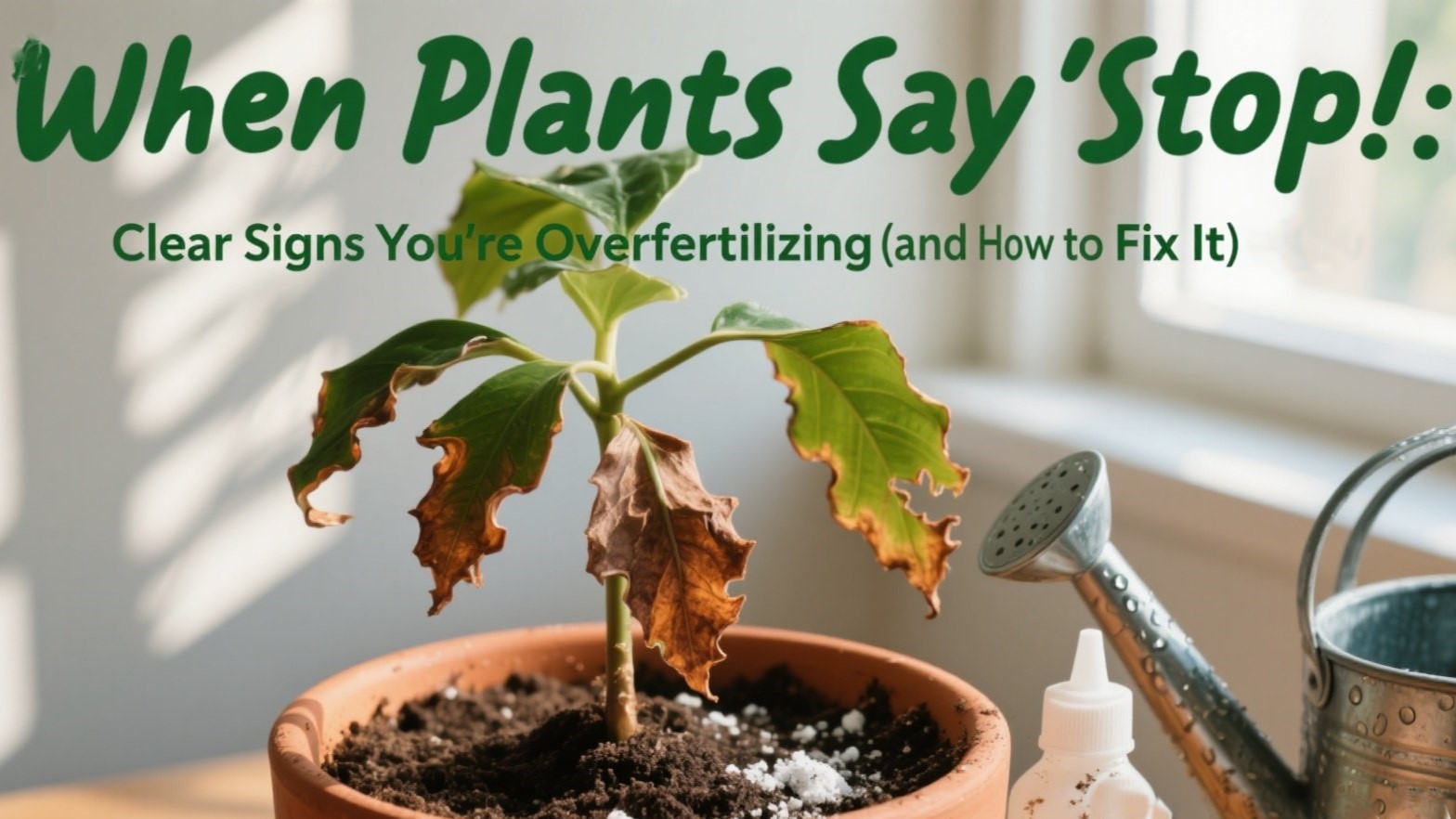
- Builds up salts in the potting mix, leading to fertilizer burn.
- Does not improve soil structure — over time, it can even degrade soil quality.
- Requires flushing the soil regularly to prevent residue buildup.
💬 Reddit Tip: Seasoned indoor growers recommend diluting liquid fertilizer to ¼ or ½ strength and applying only during the active growing season (spring to early fall).
💸 Cost Comparison: Organic vs. Chemical
| Aspect | Organic Fertilizer | Chemical Fertilizer |
|---|---|---|
| Initial Cost | Higher (premium organic inputs) | Lower (mass-produced) |
| Frequency | Lasts longer, fewer applications | Requires regular feeding |
| Long-term Value | Builds healthy soil ecosystem | May require soil refresh after buildup |
| Environmental Impact | Low – biodegradable | High – runoff may pollute waterways |
👉 While chemical fertilizers are cheaper upfront, organic options provide greater long-term value by supporting soil and plant health together.
🌸 How to Choose What’s Best for You
Your ideal fertilizer depends on your plant type, environment, and goals:
- For beginners or busy plant parents: Start with organic options like worm castings or liquid seaweed — they’re forgiving and eco-friendly.
- For fast-growing or high-demand plants: Use chemical fertilizers sparingly during active growth periods.
- For mixed collections: Alternate between the two — organic for maintenance, chemical for recovery or bloom boosts.
🌍 The Balanced Approach: Hybrid Feeding
Many Reddit gardeners and horticulture experts recommend a balanced hybrid approach — using organic matter as a base and supplementing with mild chemical feeds when necessary.
For example:
- Mix compost or coco peat into your soil for steady nutrition.
- Use a diluted all-purpose liquid fertilizer every 3–4 weeks during growth season.
- Flush the soil with water every 2 months to prevent salt buildup.
This combination delivers the best of both worlds — organic sustainability and chemical precision — while minimizing risks to your plants and the environment. 🌿
🌱 Final Thoughts: It’s About Nourishment, Not Labels
At the end of the day, your goal isn’t to pick sides — it’s to create a thriving, balanced ecosystem for your plants. 🌿
Whether you choose compost-rich organic blends or measured doses of chemical feed, the key is consistency, observation, and moderation.
Plants don’t care about brand names or fertilizer origins — they care about balance, hydration, and love. 💚
So listen to your plants, read the soil, and feed wisely.