Over the past few decades, municipal water treatment has changed in ways that affect sensitive houseplants, and many indoor gardeners have noticed it.
Why tap water today is harsher than before
1. Chlorine and chloramine
- Most city water is now treated with chloramine instead of just chlorine.
- Chloramine is more stable and longer-lasting in pipes, making it excellent for municipal safety — but plants don’t metabolize it well.
- Sensitive species like Calathea, Fiddle Leaf Fig, Monstera, and Alocasia may develop brown leaf edges or curling when exposed repeatedly.
2. Hardness and mineral content
- Calcium, magnesium, and other minerals are often higher due to water source changes or modern treatment practices.
- Hard water can raise pH, reduce nutrient uptake, and leave visible salt deposits on soil and pot rims.
3. Fluoride and other additives
- Fluoride is common in tap water in many urban areas.
- While low levels aren’t usually lethal, repeated exposure can cause leaf tip burn in fluoride-sensitive plants like Dracaena or Spider Plant.
How to adapt your watering routine
1. Know your water
- Use a TDS meter (Total Dissolved Solids) to check mineral content.
- Consider pH strips if your city water is consistently alkaline (>7.5).
- Look up your municipal water report — most cities publish chlorine/chloramine levels.
2. Let water sit (but not always)
- For chlorine, letting tap water sit 24 hours in an open container can allow it to dissipate.
- Chloramine doesn’t evaporate — this method won’t work.
3. Use filters or treated water
- Carbon filters reduce chlorine/chloramine and some heavy metals.
- Reverse osmosis or distilled water can be used for sensitive species.
- Rainwater harvesting is another effective alternative if legal in your area.
4. Adjust pH if needed
- Some indoor gardeners use diluted citric acid, phosphoric acid, or vinegar to slightly lower pH.
- Always test before adjusting — aim for slightly acidic water (~6–6.5) for most tropical houseplants.
5. Flush soil occasionally
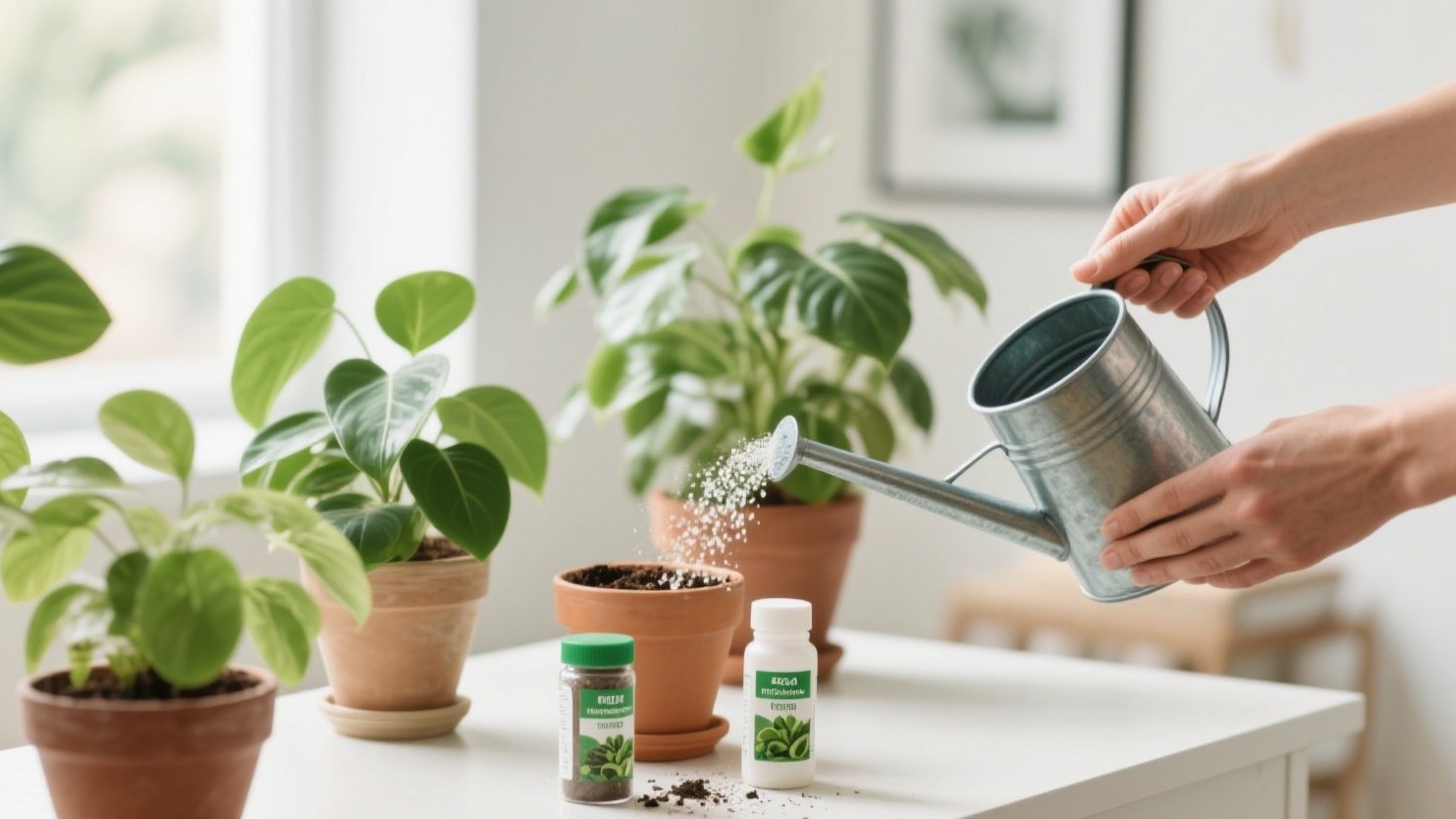
- Periodically leach salts and minerals by thoroughly watering your plant until water drains fully.
- This prevents long-term buildup of minerals from hard tap water.
Trending insight from r/houseplants
- Many Reddit users have shared that plants which thrived 10–20 years ago now show leaf tip burn despite identical watering routines.
- Chloramine-related leaf browning and nutrient lockout are frequently reported problems, especially in new homeowners using city water.
- Community-tested solutions consistently involve:
- Filtered or distilled water for sensitive plants
- pH adjustment for hard water
- Soil flushing
Final thoughts 💡
Watering like it’s 1995 is a common mistake in modern indoor gardening. The composition of tap water has shifted, and many long-time plant owners notice changes in plant health.
- Know your water chemistry
- Adjust for chlorine, chloramine, and hardness
- Flush soil periodically
- Use alternative water sources when needed
These small adjustments can make the difference between thriving, lush plants and stressed, brown-tipped leaves.