Introduction 🌱
Planting bulbs directly into lawn turf can be tidy, fast, and lawn-friendly when you use the turf-flap method. Instead of coring messy plugs, you cut and fold a “door” in the sod, drop bulbs in, then close it up with minimal disturbance. The result is natural drifts of color in late winter to spring—without torn turf or muddy patches. ✨
Step-by-Step: Cut, fold, plant, firm, water ✂️💧
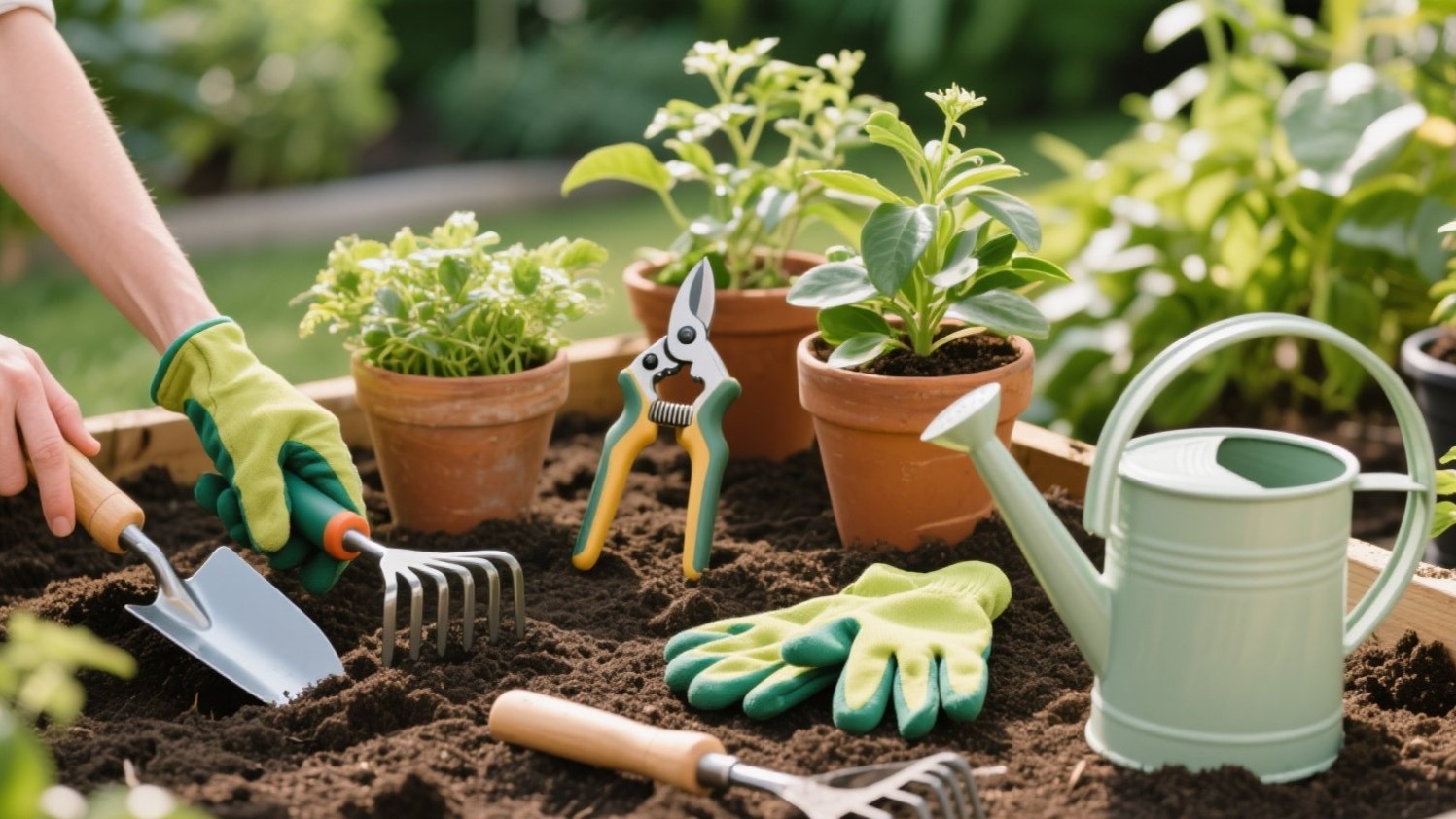
Make two parallel cuts and one crosscut to form an “H” (or an “L” with a short side cut), using a sharp spade or lawn edger so roots stay attached like a hinge. Fold the flaps back, loosen the soil lightly, set bulbs point-up in small clusters, then replace soil, fold the turf down, and heel or tamp to remove air pockets. Finish with a thorough watering to settle soil and reconnect roots; your lawn will “knit” back quickly while bulbs root in fall moisture. ✅

Best candidates & depth: Plant up to 3× bulb height 🌷
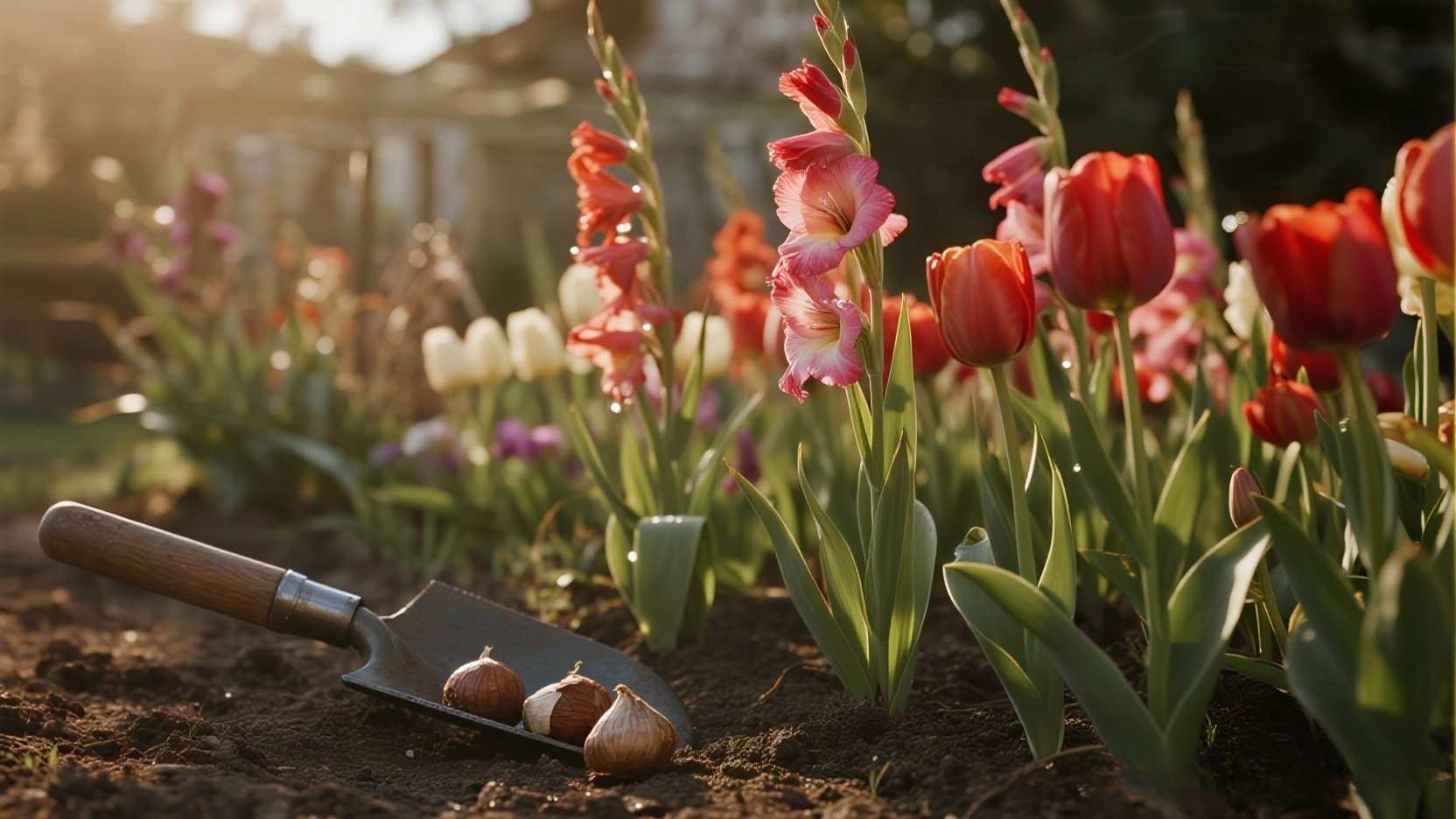
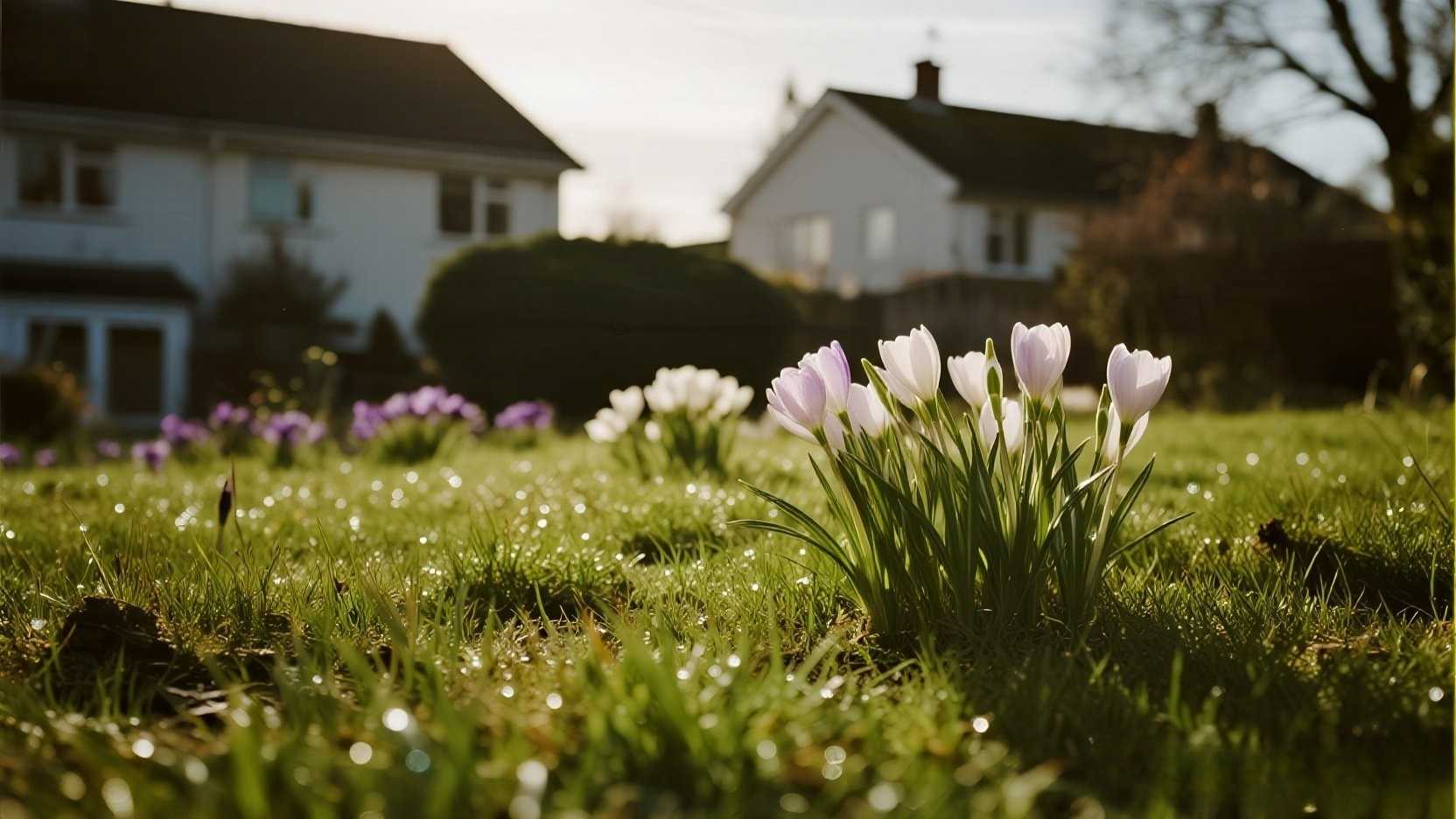
Choose early, lawn-friendly species: crocus, snowdrops, small tulips, and grape hyacinths that bloom before regular mowing resumes. Plant at roughly 2–3× each bulb’s height and space about one bulb-width apart for natural “drifts” that read as color from a distance. Mix 5–9 bulbs per flap for instant impact; add a pinch of bulb fertilizer or compost only if soil is poor, and avoid waterlogged spots. 🌼

Scheduling & mowing windows: Autumn in, spring show 🍁➡️🌸
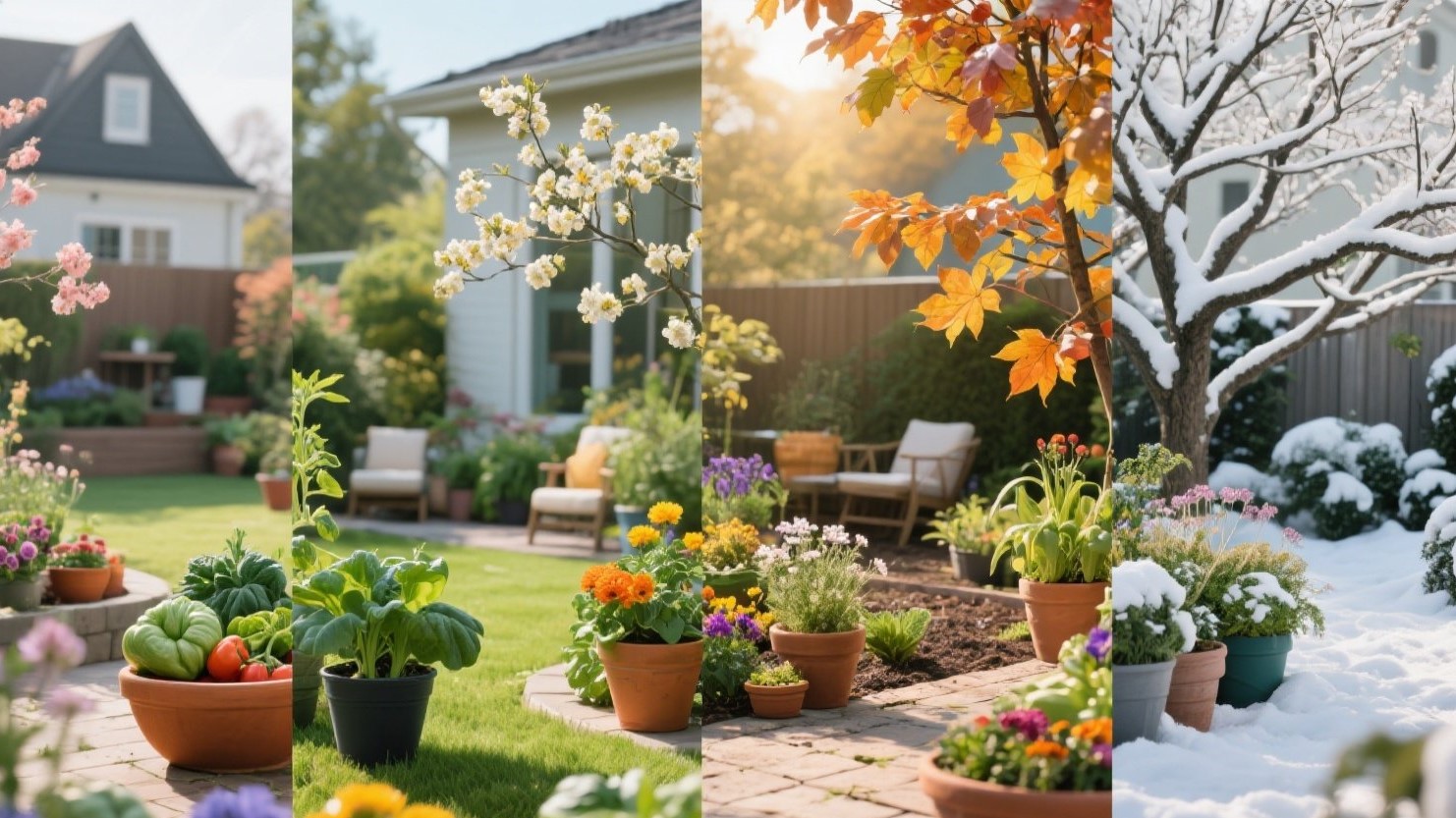
Plant in autumn when soil is workable and cool, ideally before your first hard frost so roots establish. Pick zones you can leave unmown until foliage yellows naturally in late spring; those leaves recharge bulbs and prevent weak flowering next year. Favor morning-sun edges, under open deciduous trees, or along paths where early blooms pop and turf dries quickly after rain. 🗓️