Introduction: Turn a Missed Window into a Plan 🌱🎯
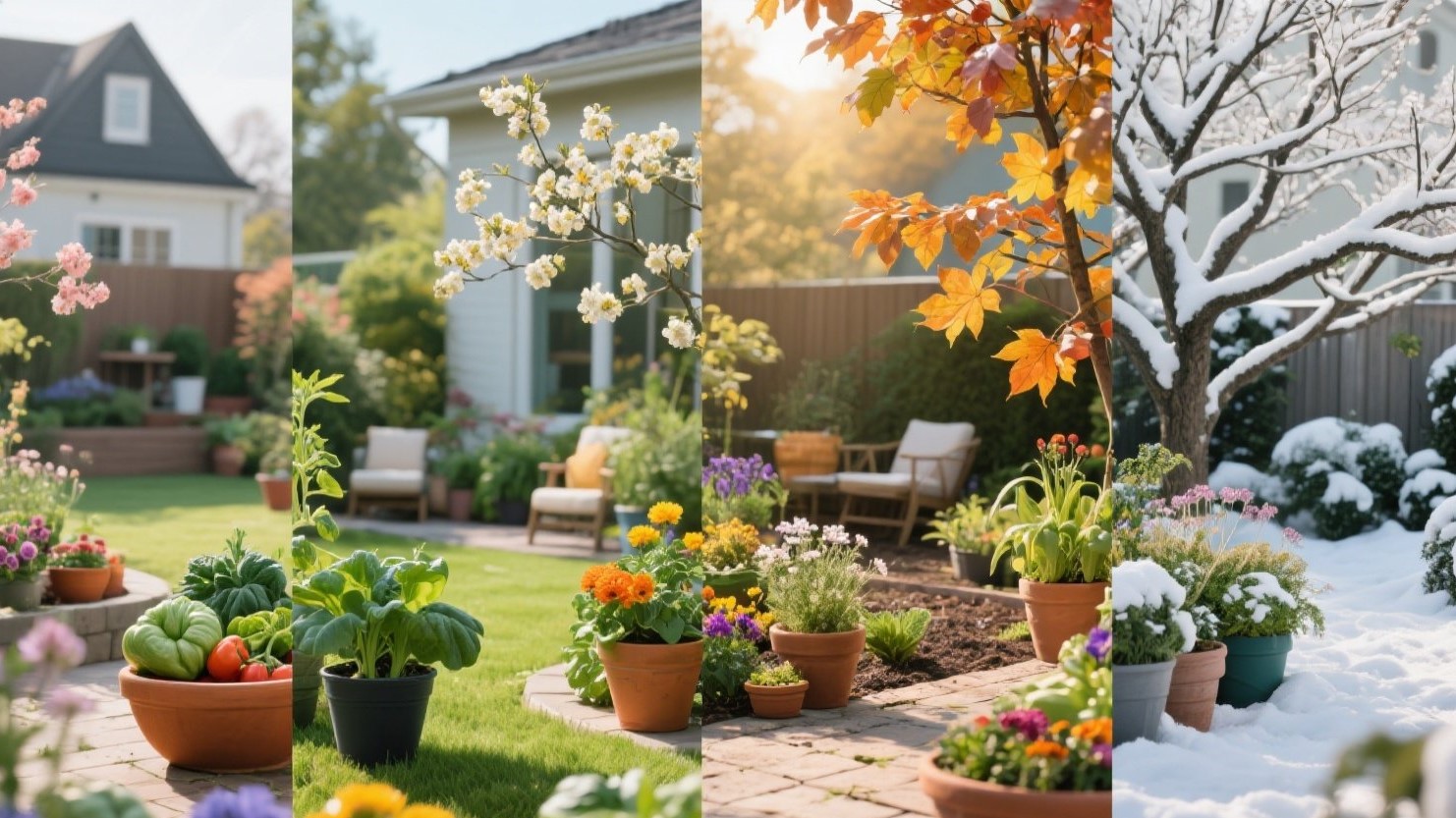
Missed the “perfect” bulb window? No problem—treat it as a design strategy, not a failure. This Two-Season Fix staggers root growth now, summer color next, and a strong spring display later.
Think of it like a relay race: bulbs root quietly first, summer bloomers sprint, then spring bulbs finish strong. You’ll spread risk, smooth color gaps, and learn your bed’s microclimates. Best of all, each step is practical for busy gardeners.
We’ll work in three phases with simple checkpoints, from viability tests to top-dressing. Each phase builds on the last, so your beds get better without re-digging everything. Let’s turn timing stress into a season-long glow. ✨
Phase 1 (Now): Root & Recharge—Leaf-Only Performance is a Win 🍂🧪
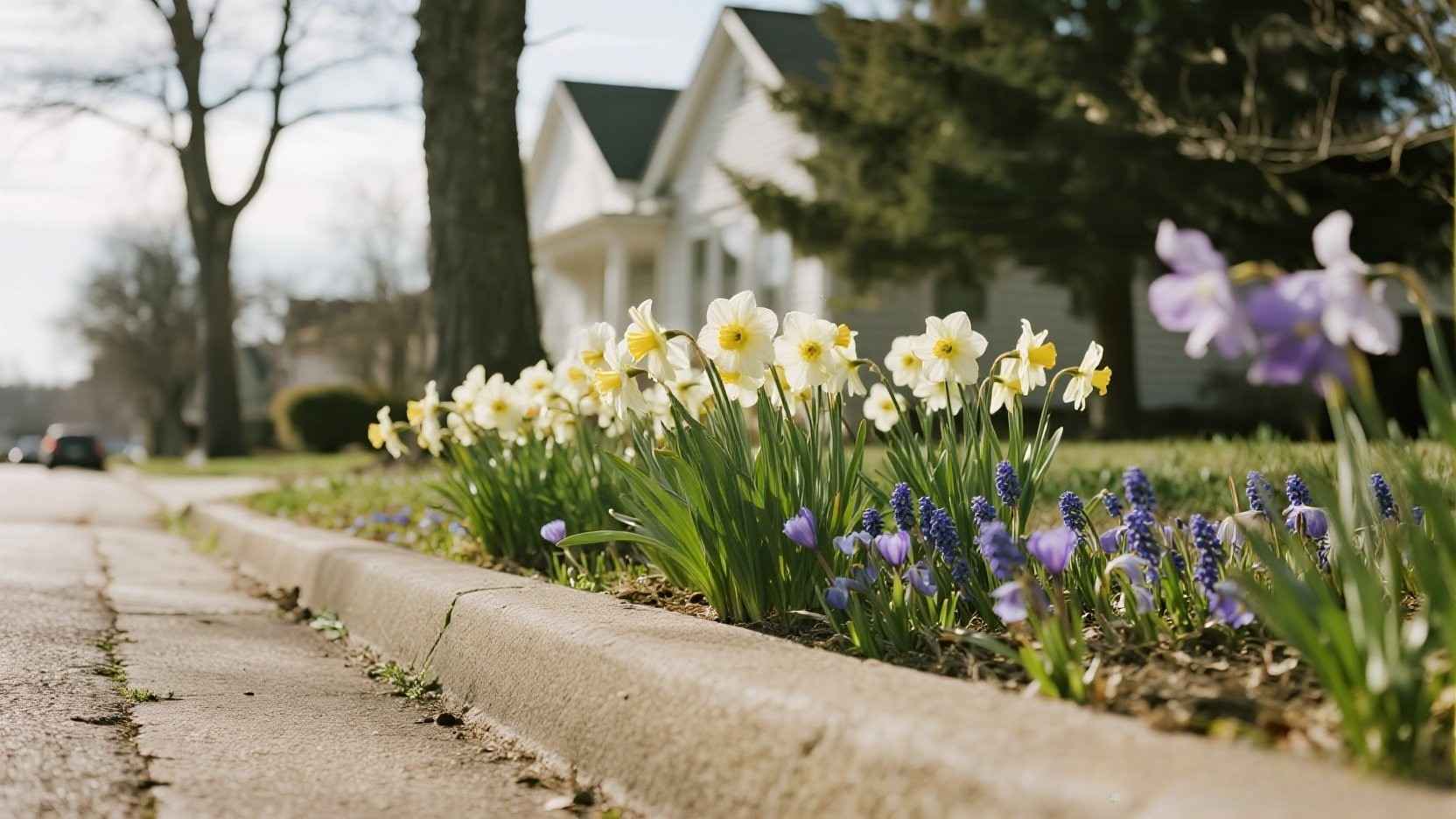
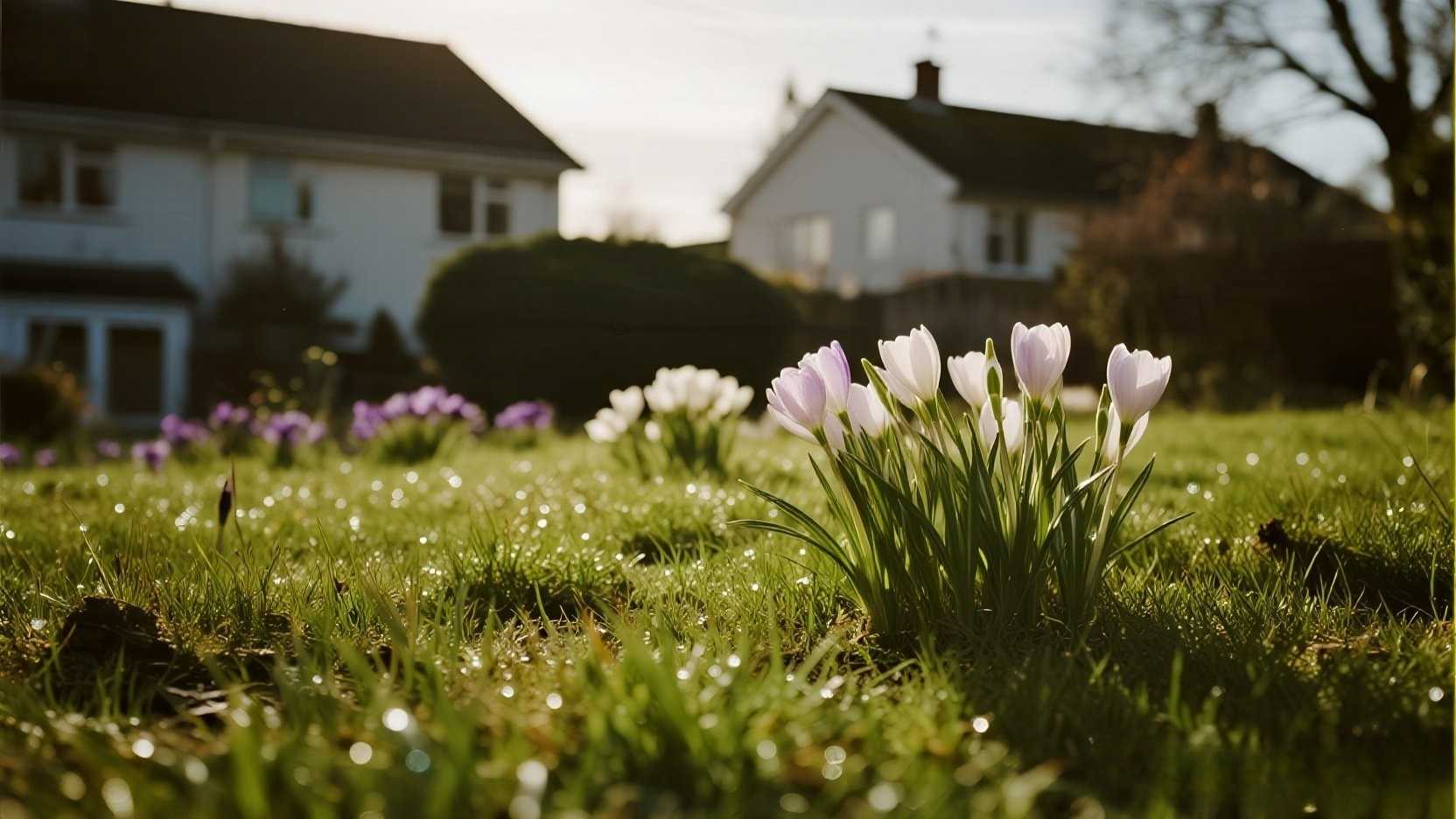
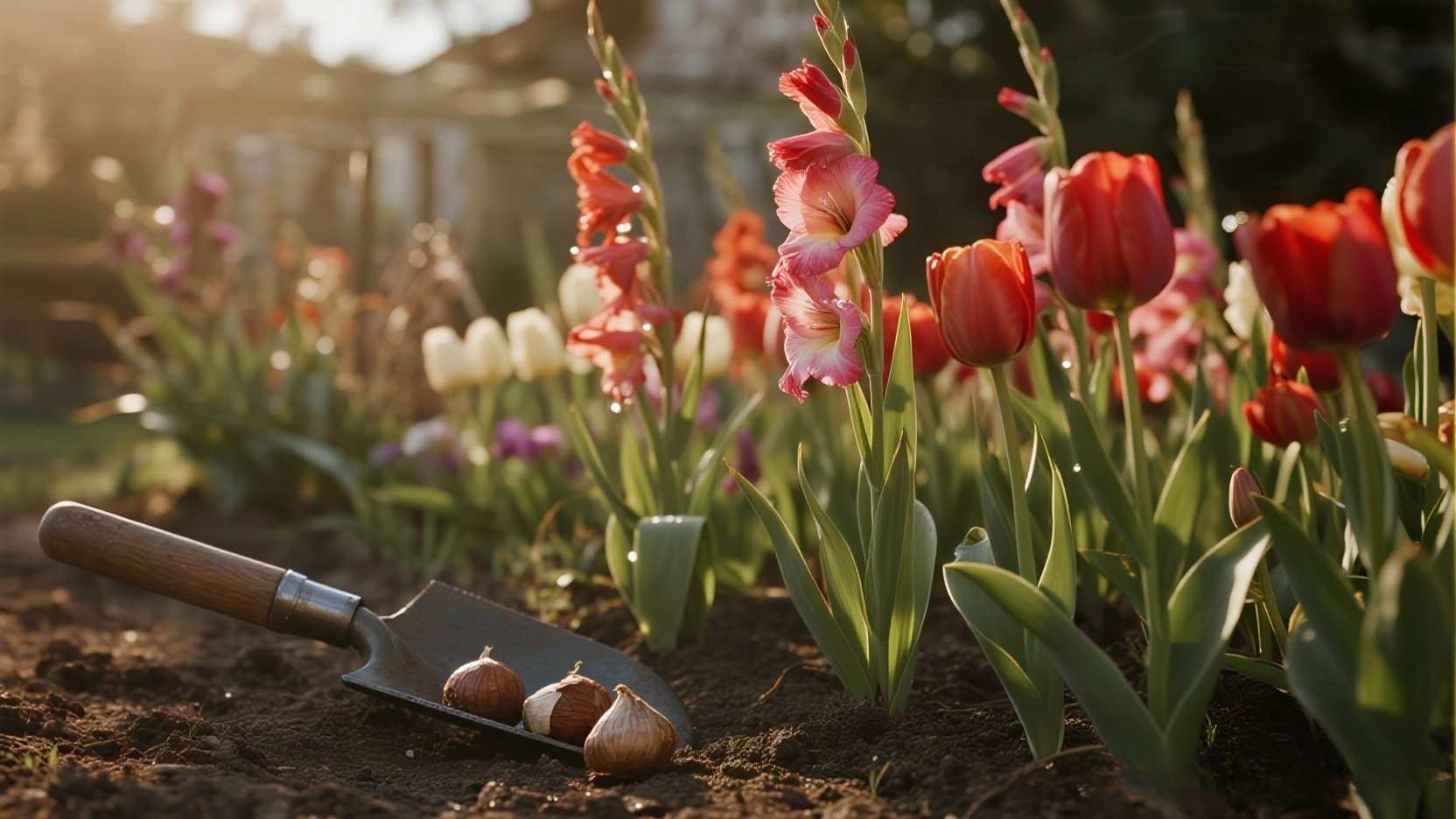
Plant viable spring bulbs now to establish roots, even if you only get leaves this season. Do a quick squeeze test: firm = plant; mushy or hollow = discard. Aim for classic depths—tulips 6–8″, daffodils 6–8″, hyacinths 4–6″, crocus 3–4″—and water once to settle soil.
If you garden warm (mild winters), pre-chill tulips and hyacinths 8–12 weeks at 40–45°F, then plant immediately. Mix in bone meal or a slow-release bulb fertilizer under the bulb zone, not directly touching the base. Space bulbs in tight clusters (5–9) for impact and mark the spots to avoid later disturbance. 🌧️📍

Phase 2 (This Summer): Interplant for Near-Term Flowers—Glads, Dahlias, Friends 🌞🌺
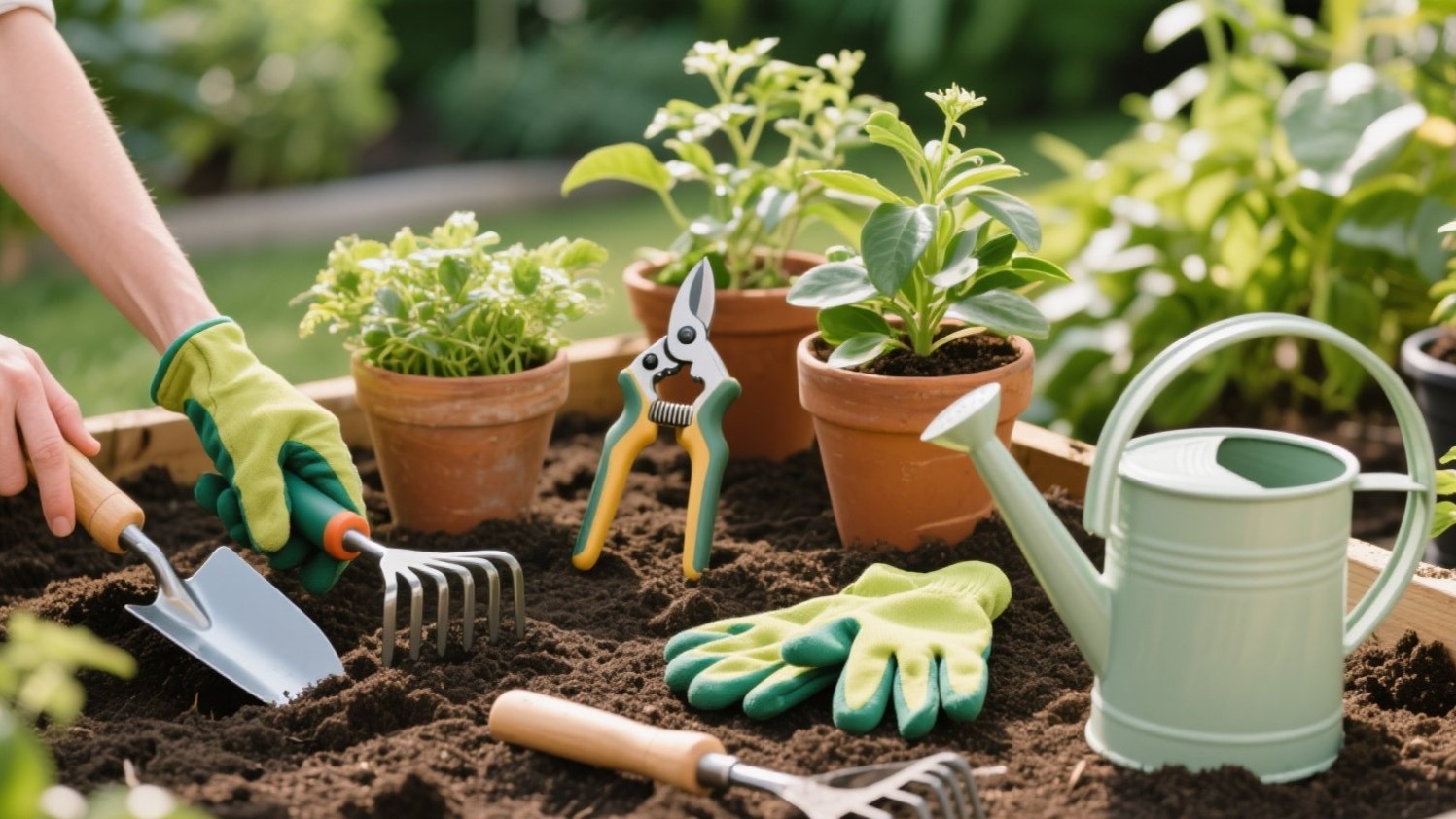
When soil warms, tuck gladiolus corms (every 2 weeks for succession), plus dahlias, lilies, or crocosmia between dormant bulb clumps. Keep a 4–6″ buffer from spring bulb markers to avoid slicing into them. Add compost top-up and a balanced fertilizer to support quick vegetative growth.
Use height tiers: shorter edging (zinnias, marigolds), mid (dahlias, daylilies), tall spikes (glads). Stake glads early; wind finds them before you do. Deadhead and pinch for branching so color rolls through late summer without bare weeks. 🌬️✂️

Phase 3 (Next Spring): Enjoy the Payoff—Assess, Divide, Top-Dress 🌷🧰
Your bulbs should now deliver proper bloom, not just foliage, thanks to last year’s rooting. Track which clusters underperform; shallow planting, overcrowding, or shade drift are common culprits. After bloom and leaf yellowing, divide congested clumps and reset to ideal depth.
Top-dress with 1–2″ compost each fall for steady nutrition and drainage. In spots that felt thin, add early fillers like violas or wallflowers to bridge the late-winter gap. Keep your markers until you fully map the bed—that prevents accidental “oops” digs next summer. 🗺️🪴

Quick Sizing & Care Notes to Avoid Common Pitfalls 📏🚫
Crowding kills bloom more than cold does, so respect spacing and resist the temptation to “use every bulb.” Water deeply after planting, then keep soil just moist—not soggy—through root-set. In heavy clay, prioritize raised edges or gritty amendments to stop winter rot.
Skip high-nitrogen lawn fertilizers over bulb beds; they push leaves at the expense of flowers. Label everything the day you plant, because memory fades faster than marker ink. Finally, accept leaf-only performance this first round as progress, not failure—your roots are doing the invisible work. 💪🌿
Conclusion: A Bed That Learns as You Go 🌈🧭
The Two-Season Fix turns “late” into layered beauty and smarter beds. You rooted bulbs now, stacked summer color for near-term wins, and set up next spring’s display to truly shine. That cadence builds confidence and a calendar you can repeat.
Garden design is less about perfect timing and more about compounding small, correct moves. This plan compounds root strength, color continuity, and soil health. Keep notes, tweak spacing, and watch your borders graduate from gap-prone to gorgeous. ✅✨