🌱 Introduction: Why Watering Isn’t as Simple as It Seems
If there’s one task that feels deceptively easy in gardening, it’s watering. You pour water on your plants, and they thrive… right?
Not exactly.
In reality, watering is an art as much as it is a science. Too little water and plants wilt or drop leaves. Too much, and their roots suffocate from lack of oxygen — a mistake even experienced gardeners make.
Whether you’re caring for a few potted herbs or a backyard full of greenery, understanding how, when, and how much to water makes all the difference between struggling plants and thriving ones.
Let’s explore how to keep your garden hydrated — not drowned. 🌿
💧 1. How Plants Actually Drink: Understanding the Basics
Plants don’t absorb water through their leaves — they drink through their roots. The root system takes in water and nutrients from the soil, sending them upward through the stems and into the leaves.
But here’s the key: roots need both water and air.
When soil stays too wet, the spaces between particles fill entirely with water, cutting off oxygen. This leads to root rot, one of the most common plant killers.
That’s why a healthy watering routine is all about balance — keeping the soil moist but never soggy.
A good mental model:
- Underwatering: Roots dry out, soil pulls away from the pot edges, leaves become crispy.
- Overwatering: Soil stays heavy and wet, roots rot, leaves turn yellow and soft.
Your goal? The middle ground — soil that feels like a wrung-out sponge: damp, not dripping.
🌤️ 2. Timing Matters: Morning vs. Evening Watering
When you water is just as important as how much you water.
- Early Morning (Best Time):
Watering in the morning gives plants a moisture reserve before the heat of the day. It allows leaves to dry quickly, reducing the risk of fungal diseases.
🌞 Bonus: Morning watering also ensures less evaporation loss, making it the most efficient time of day. - Evening (Acceptable in Hot Climates):
If mornings aren’t possible, early evening (around sunset) can work — but be careful. Watering too late can leave foliage damp overnight, creating an ideal environment for mold and mildew. - Midday (Avoid):
Watering under strong sunlight causes fast evaporation, wasting water and sometimes causing leaf scorch when droplets magnify sunlight.
Consistency is key: plants thrive on rhythm. Try to water at the same time each day or week depending on your environment and season.
🪴 3. How Often to Water: It Depends on Your Plants and Conditions
There’s no one-size-fits-all watering schedule — different plants, pot sizes, and weather conditions change everything.
Here’s a general guide:
- Indoor Plants: Once every 5–7 days, depending on humidity and light levels.
- Outdoor Garden Beds: Every 2–3 days in warm weather, or daily in extreme heat.
- Succulents & Cacti: Every 2–3 weeks — they prefer to dry out completely between waterings.
- Seedlings & Herbs: Every 1–2 days; their shallow roots need constant moisture.
To test if watering is needed, use the finger test:
Insert your finger about 2 inches into the soil — if it feels dry at that depth, it’s time to water.
🧭 4. Tools That Take the Guesswork Out of Watering
If you’ve ever wondered whether your soil is truly dry or just looks it, technology can help.
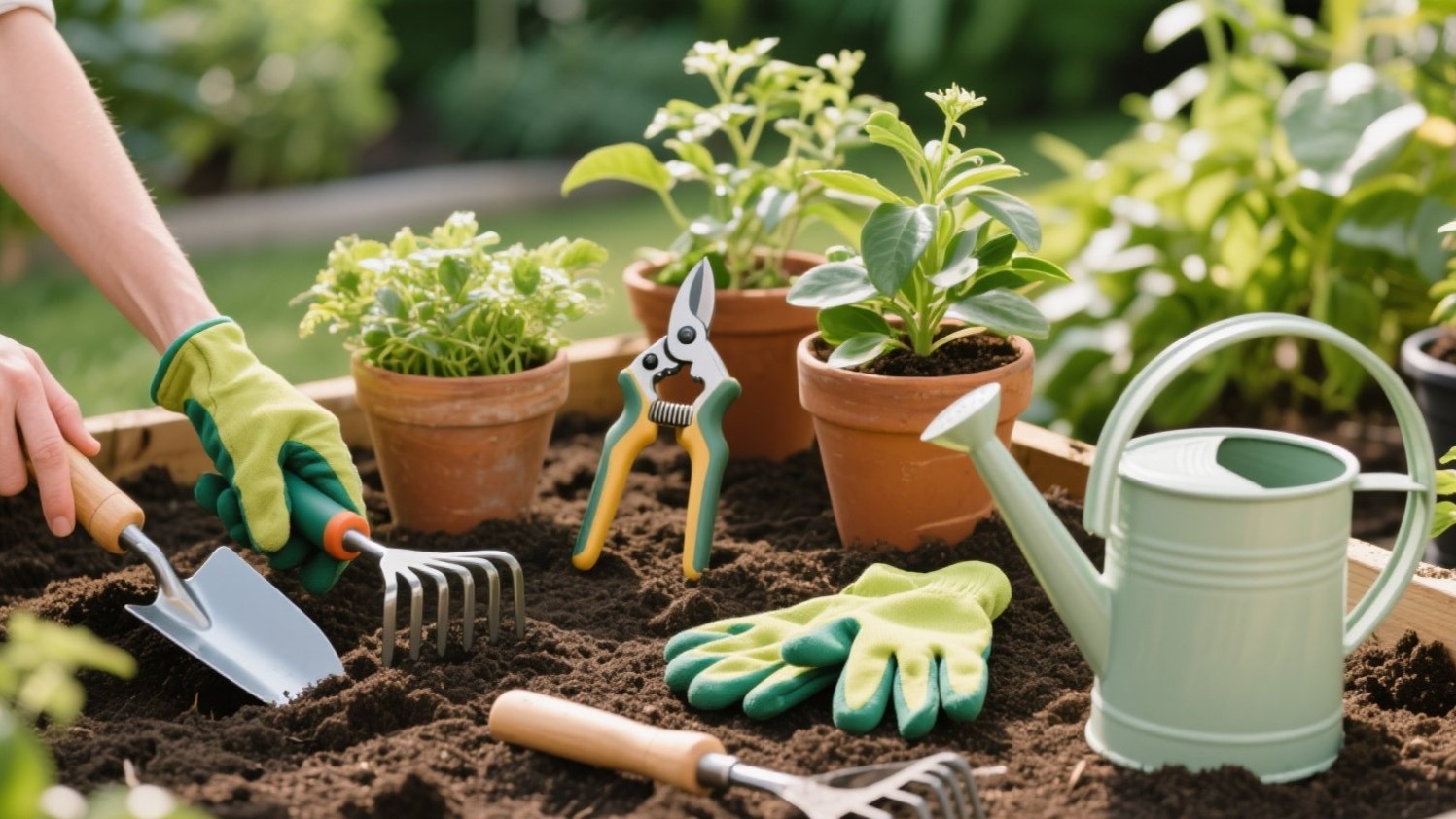
🪣 Useful Tools:
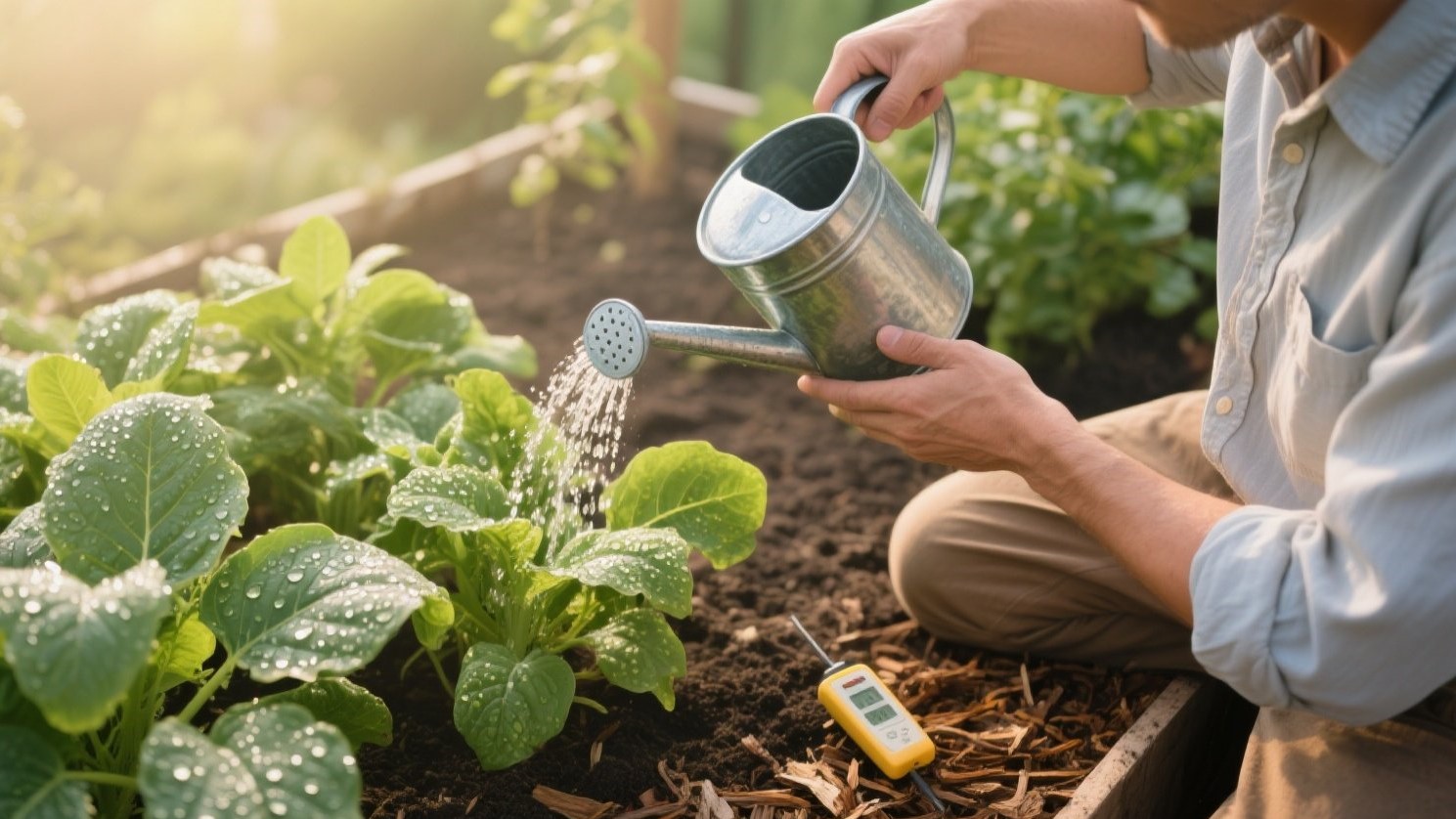
- Moisture Meter:
A simple probe that measures soil moisture levels instantly. Great for indoor plants or container gardens. - Self-Watering Pots:
Built-in reservoirs slowly release water to the roots as needed — ideal for busy gardeners. - Drip Irrigation Systems:
Perfect for outdoor gardens; they deliver water directly to the soil at a slow, steady rate. Efficient and water-saving. - Mulch:
Though not a tool per se, mulch acts like insulation — keeping soil moisture stable and reducing the need for frequent watering.
These small helpers make watering more precise, saving both plants and water in the long run.
🚨 5. Signs of Overwatering vs. Underwatering
Learning to “read” your plants is one of the best gardening skills you can develop.
Overwatering Symptoms:
- Yellowing or mushy leaves
- Soil that stays wet for days
- Mold or fungus on the surface
- Wilting despite damp soil
Underwatering Symptoms:
- Dry, cracked soil that pulls away from the pot
- Crispy or brown-edged leaves
- Drooping stems that perk up immediately after watering
If you’re unsure which issue you have, check the soil. If it’s soggy — it’s overwatering. If it’s dusty and hard — it’s underwatering.
The good news? Plants are forgiving. With a few days of balanced care, most will recover.
🌸 6. Advanced Tips for Smart Watering
Once you’ve mastered the basics, you can take watering to the next level:
- Water deeply, not frequently.
A deep soak encourages roots to grow downward, building drought-resistant plants. - Group plants by water needs.
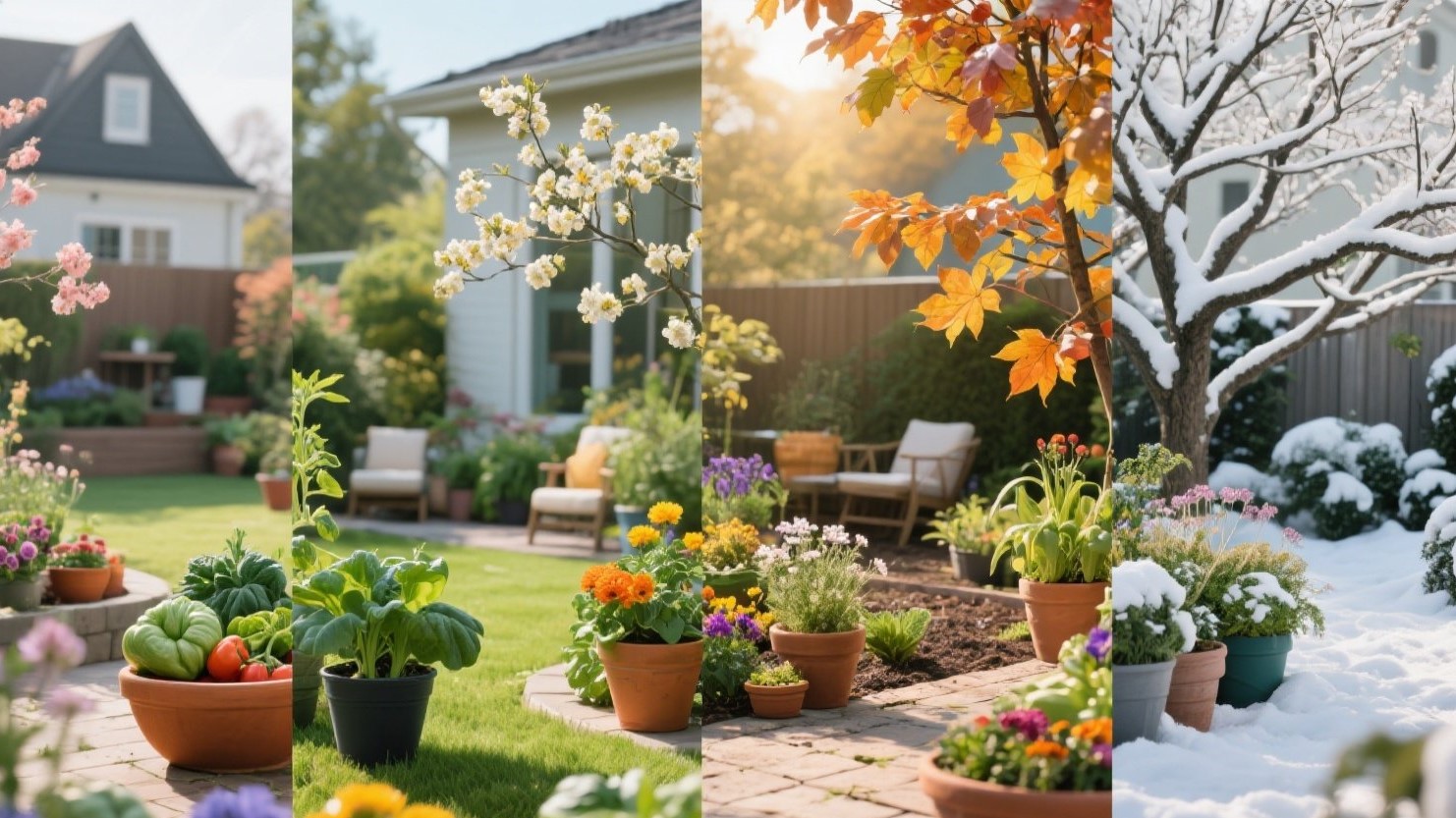
Keep moisture-loving plants (like ferns) together and drought-tolerant ones (like succulents) separate. - Adjust for seasons.
In cooler months, plants drink less. Overwatering in winter is a common mistake. - Mind your pot type.
Clay pots dry faster than plastic ones — adjust accordingly.
Gardening isn’t about strict rules — it’s about learning to observe. Over time, you’ll develop a rhythm that matches your environment perfectly.
🌼 Final Thoughts: Balance Is Everything
Watering well is like listening — it’s about attention, not excess.
When you tune in to your plants’ signals, the process becomes intuitive. You’ll know when the soil feels right, when the leaves look vibrant, and when your garden is truly hydrated.
In gardening, as in life, balance brings growth. 🌿💧