🌾 Introduction: Why Soil Additives Matter More Than You Think

If you’ve ever wondered why some plants thrive effortlessly while others seem constantly soggy or stunted, the answer often lies beneath the surface — in the soil’s structure.
Water, air, and nutrients must flow in harmony for roots to breathe and grow. But most store-bought potting mixes, especially for houseplants, can become dense, compacted, or overly moist over time. That’s where soil amendments like perlite, vermiculite, and pumice come in.
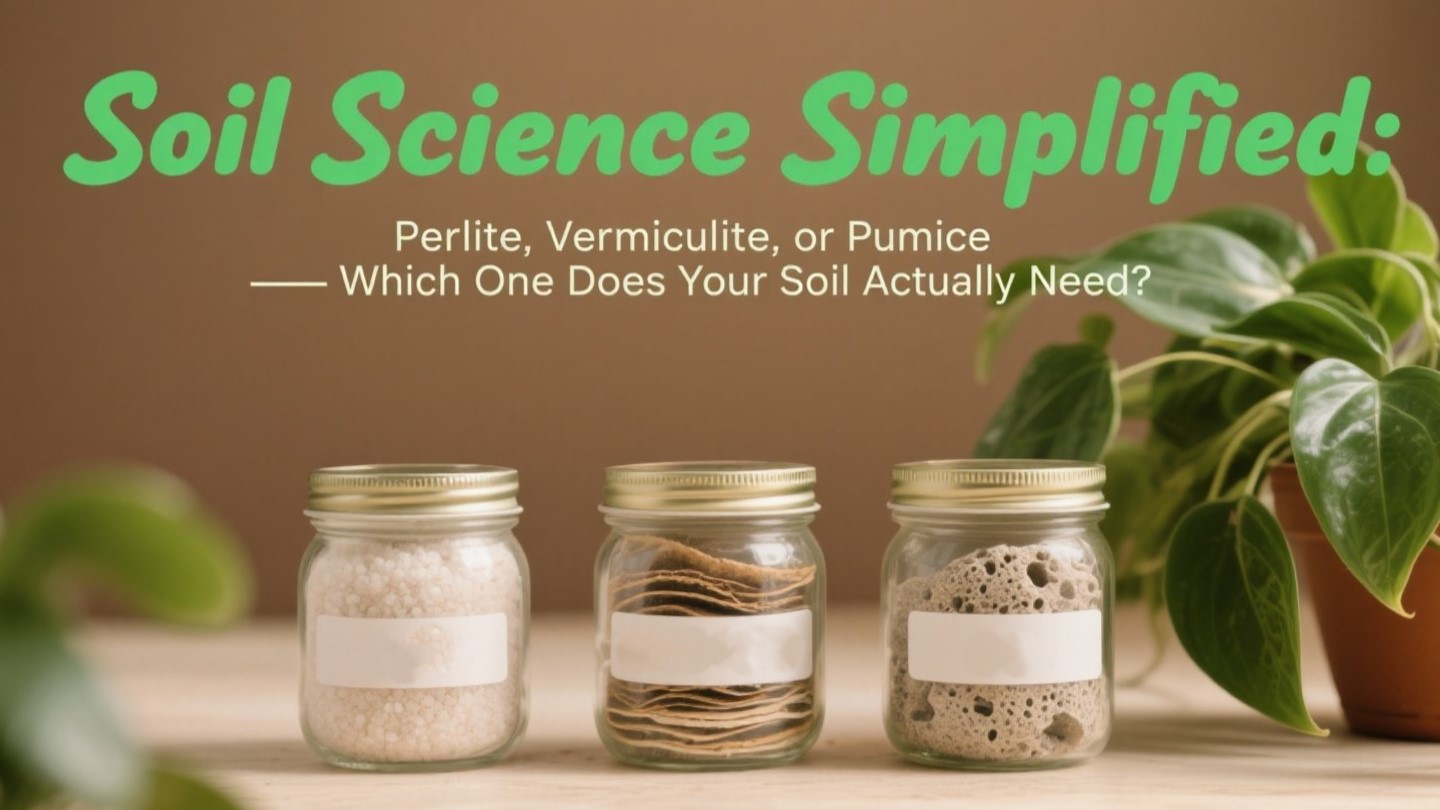
Each of these white, gritty materials looks similar — but they behave very differently. Understanding which one your soil actually needs can make the difference between a thriving green sanctuary and a struggling plant corner.
⚗️ The Basics: What These Additives Are (and How They’re Made)
| Material | Source | Key Property | Main Benefit |
|---|---|---|---|
| Perlite | Volcanic glass, heated until it expands into white granules | Lightweight and porous | Aeration & drainage |
| Vermiculite | Hydrated silicate mineral, expanded through heat | Spongy and absorbent | Moisture & nutrient retention |
| Pumice | Natural volcanic rock | Heavy and rough-textured | Long-term structure & root stability |
All three are naturally derived and inert, meaning they don’t add nutrients but change how your soil behaves — helping roots get the right balance of air, water, and anchorage.
🌬️ 1. Perlite: The Airy Architect of Drainage
If you’ve ever opened a bag of potting soil and seen small, white, Styrofoam-like specks — that’s perlite.
🧪 What It Does:
Perlite’s primary job is aeration. Each tiny granule contains microscopic air pockets that improve soil drainage, prevent compaction, and give roots room to breathe.
🌿 Best For:
- Succulents and cacti
- Aroids (like pothos, monstera, philodendron)
- Plants prone to root rot
- Seed starting mixes
💧 Why It Works:
Roots need oxygen to absorb nutrients effectively. Perlite ensures water flows through quickly, so your soil dries out evenly instead of becoming soggy at the base.
⚠️ Watch Out:
Perlite can float to the surface during watering and is very light — so if you water often or use outdoor containers, it might not stay in place. It also tends to create a dust cloud when handled dry (you can dampen it slightly before mixing).
💦 2. Vermiculite: The Gentle Moisture Keeper
Vermiculite is often confused with perlite, but it behaves quite differently. Instead of keeping soil airy, it acts like a sponge, absorbing several times its weight in water.
🧪 What It Does:
Vermiculite excels in water and nutrient retention. It holds moisture near the roots longer and releases it slowly as the soil dries out.
🌿 Best For:
- Seed starting and propagation
- Ferns, calatheas, and moisture-loving tropicals
- Houseplants in dry or warm indoor environments
- Vegetable seedlings and herbs
💧 Why It Works:
Vermiculite contains magnesium, potassium, and calcium traces that can slightly improve soil fertility. It’s especially helpful when you want consistent moisture for delicate roots or small seedlings that can’t handle drying out.
⚠️ Watch Out:
If used too heavily, vermiculite can make soil too dense, reducing airflow and increasing the risk of overwatering. Avoid using it for succulents or plants that prefer drier roots.
🪨 3. Pumice: The Long-Term Stabilizer
Pumice is the most durable and natural of the three. It’s heavier, rougher, and doesn’t break down over time — making it ideal for gardeners who want lasting structure and drainage.
🧪 What It Does:
Pumice keeps soil aerated and free-draining while adding texture and stability. Its porous surface also hosts beneficial microbes, improving root health over time.
🌿 Best For:
- Outdoor containers exposed to rain
- Cacti, bonsai, and large succulents
- Plants prone to root rot in humid environments
- Soil mixes that need long-term structure
💧 Why It Works:
Unlike perlite or vermiculite, pumice doesn’t float, compress, or decompose. It’s a one-time investment that improves soil permanently.
⚠️ Watch Out:
Pumice is heavier and slightly more expensive. It may not be necessary for small indoor plants, but it’s excellent for serious hobbyists or outdoor gardeners.
🧪 Side-by-Side Comparison: Quick Reference
| Property | Perlite | Vermiculite | Pumice |
|---|---|---|---|
| Drainage | ⭐⭐⭐⭐ | ⭐⭐ | ⭐⭐⭐⭐ |
| Aeration | ⭐⭐⭐⭐ | ⭐ | ⭐⭐⭐⭐ |
| Moisture Retention | ⭐ | ⭐⭐⭐⭐ | ⭐⭐ |
| Nutrient Retention | ⭐ | ⭐⭐ | ⭐⭐ |
| Durability | ⭐⭐ | ⭐ | ⭐⭐⭐⭐ |
| Weight | Very Light | Light | Heavy |
| Ideal For | Succulents, aroids | Seedlings, ferns | Bonsai, outdoor pots |
🌱 Choosing the Right One: Match It to Your Plant’s Lifestyle
Think of it like this:
- Perlite = Plants that crave oxygen and dislike wet feet.
- Vermiculite = Plants that need consistent moisture.
- Pumice = Plants that want both airflow and long-term stability.
A general rule of thumb for soil mixing:
- Succulents / Cacti: 50% perlite or pumice + 50% potting soil
- Tropicals / Ferns: 30% vermiculite + 70% soil
- Everyday houseplants: 25% perlite or pumice + 75% soil
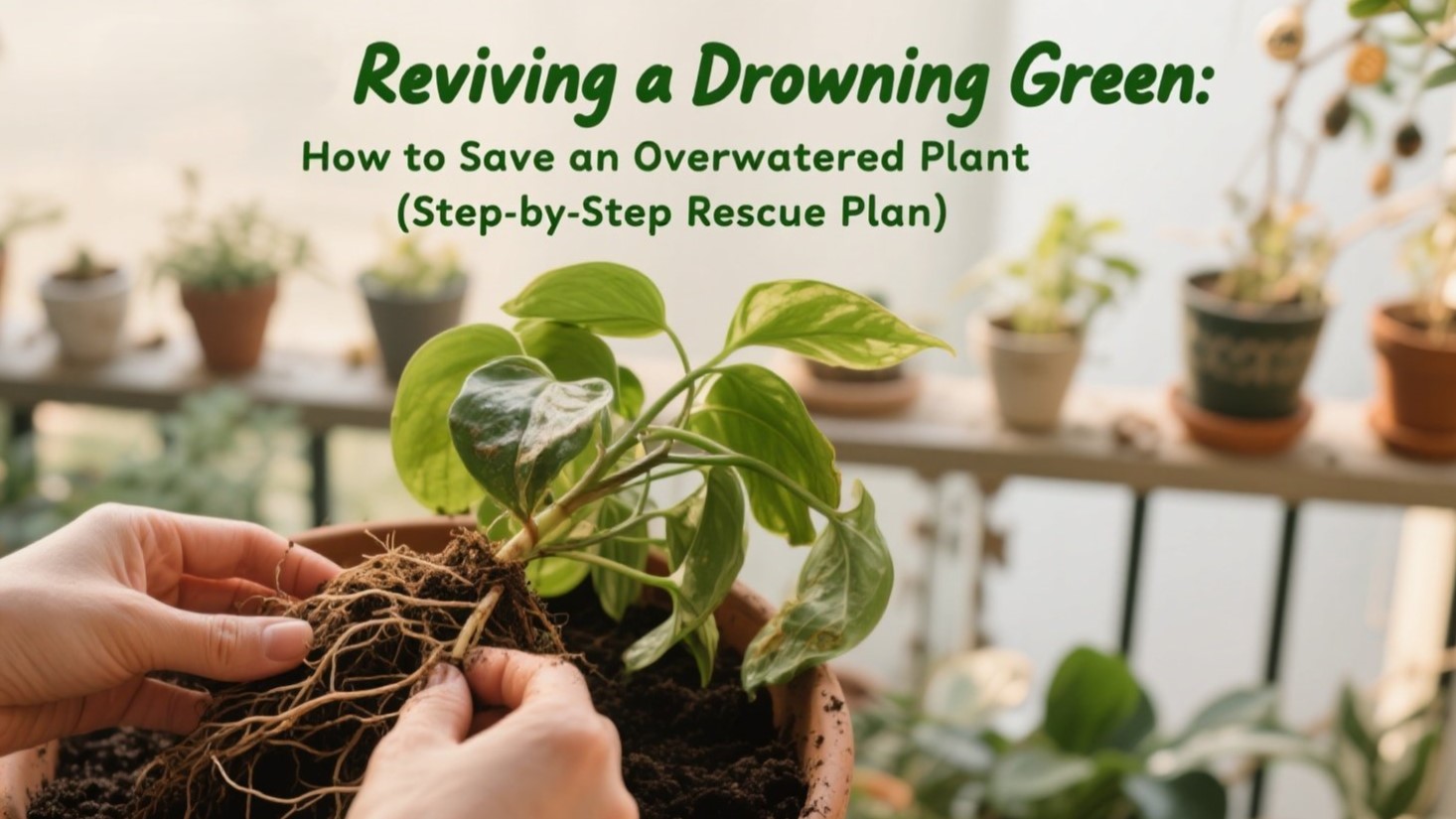
🌿 Practical Example: Reviving a Waterlogged Plant
Let’s say your pothos is wilting despite regular care. If the soil feels heavy or smells musty, switching to a mix of 60% potting soil + 30% perlite + 10% bark can instantly improve drainage and oxygen flow — helping roots recover within weeks.
Likewise, if your calathea’s leaves crisp up at the edges, add 20–30% vermiculite to keep the soil evenly moist without staying soggy.
🌻 Final Thoughts: The Secret Ingredient Is Balance
Soil isn’t just dirt — it’s a living system that supports every breath your plant takes. Whether you choose perlite, vermiculite, or pumice, the real key is matching your mix to your plant’s natural habitat.
Remember:
🌵 Dry-climate plants = Airy soil
🌿 Tropical plants = Moist soil
🪴 Outdoor perennials = Stable soil
When you learn to listen to your plants’ roots, your soil stops being a mystery — and starts being a partnership. 🌎💧