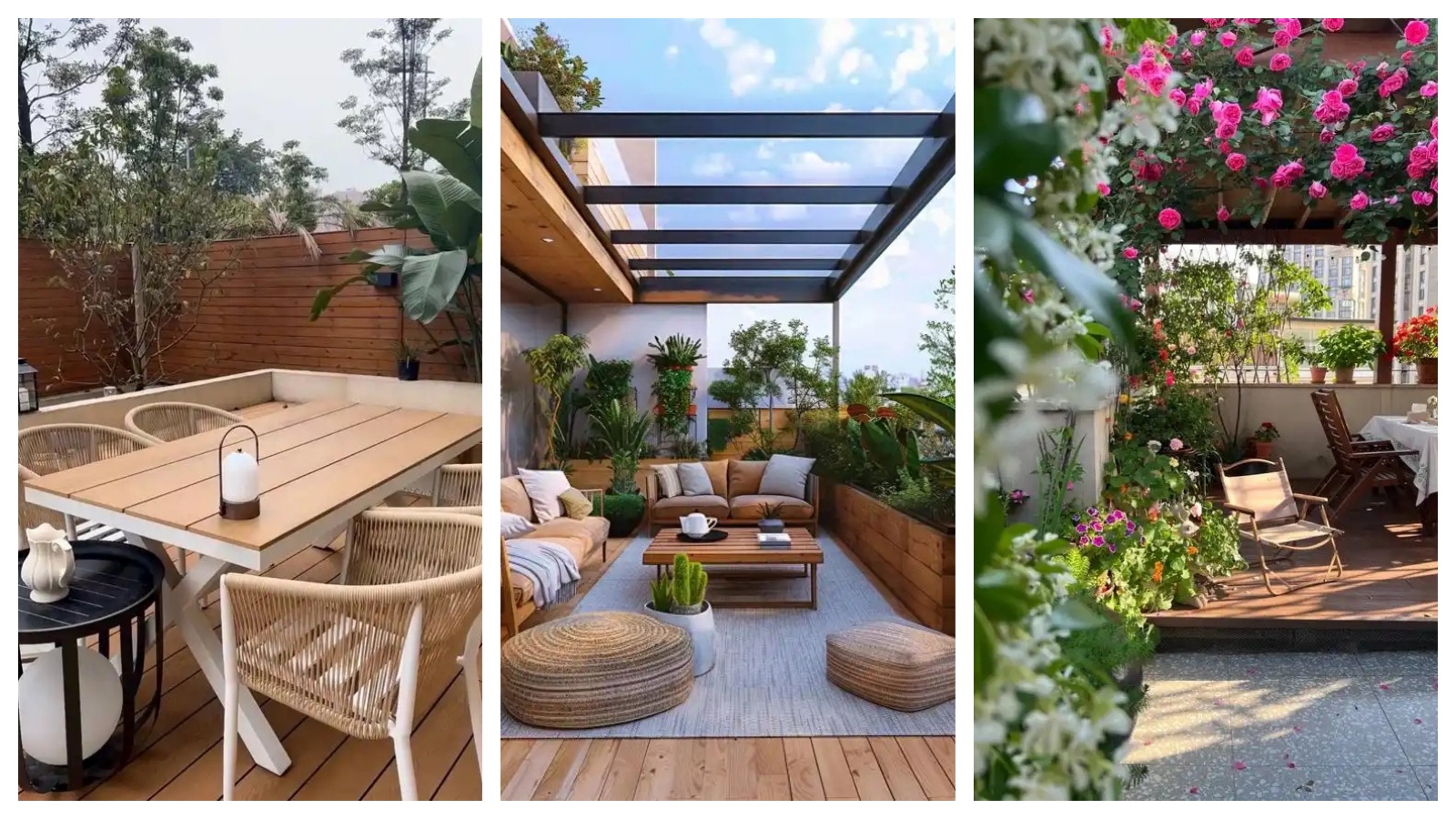
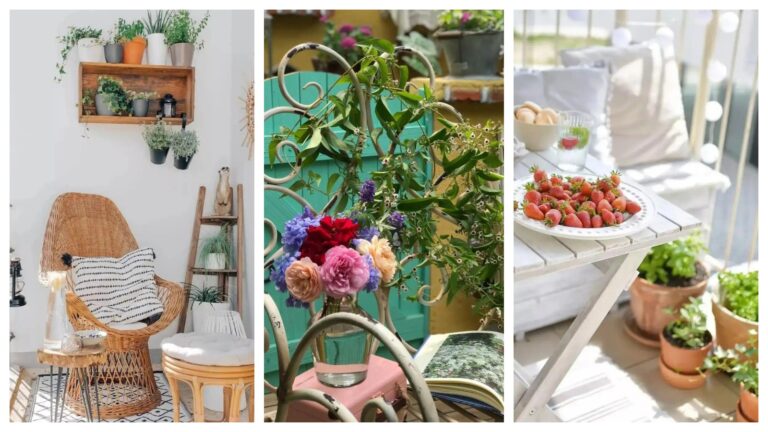
In a city where land is worth its weight in gold, owning a private courtyard has become an immense luxury. Yet, we still yearn for a small corner where, upon waking each day and opening the window, sunlight spills onto a green space, allowing all worries to melt away.

Have you thought of that small space? Yes, it’s the balcony. Though just a corner of your home, with careful design, it can transform into a lush, green oasis—the place closest to nature.
Feeling inspired to reimagine this compact area but wondering how to achieve this stunning makeover? Let’s take it step by step. This article is packed with practical tips, essential material lists, key considerations, and case studies for creating a balcony garden. If you find it helpful, feel free to save it and put these ideas into practice!

Start by Re-evaluating Your Balcony
Before you begin, take a fresh look at your balcony—its size, orientation, and existing style.
Key Point: Redefine your garden’s purpose.
- If your balcony is small, prioritize functionality. A simple combination of basic flooring, potted plants, and lightweight outdoor furniture is often the best approach.
- For larger balconies or rooftop terraces, you can focus on creating an ornamental landscape based on your personal hobbies.
- The balcony’s orientation is crucial as it directly determines the types of plants that will thrive there, so this must be considered upfront.
In short, this small space can be a mini-garden, a lounge, a tiny bar, a place for gardening, tea brewing, relaxing, barbecues, or simply enjoying the view… Before deciding on a style, you first need to plan the balcony’s primary function.

Which Balcony Garden Style Do You Prefer?
Once you’ve assessed your balcony, you can start planning and preparing based on a suitable style. Here are a few popular balcony garden styles for reference. See which one you prefer!
Key Point: Besides personal taste, consider the overall style of your home and the surrounding environment.
- Fresh & Minimalist
- Quaint & Cottage-Style
- Warm & Rustic
- Romantic & Girly
- Lush & Bohemian
For a small balcony, don’t feel too constrained by formal styles. A “Zakka” eclectic garden, a Japanese-inspired retreat… let your imagination run wild. Skillfully scaling down grand landscapes into this intimate space can create something uniquely beautiful.

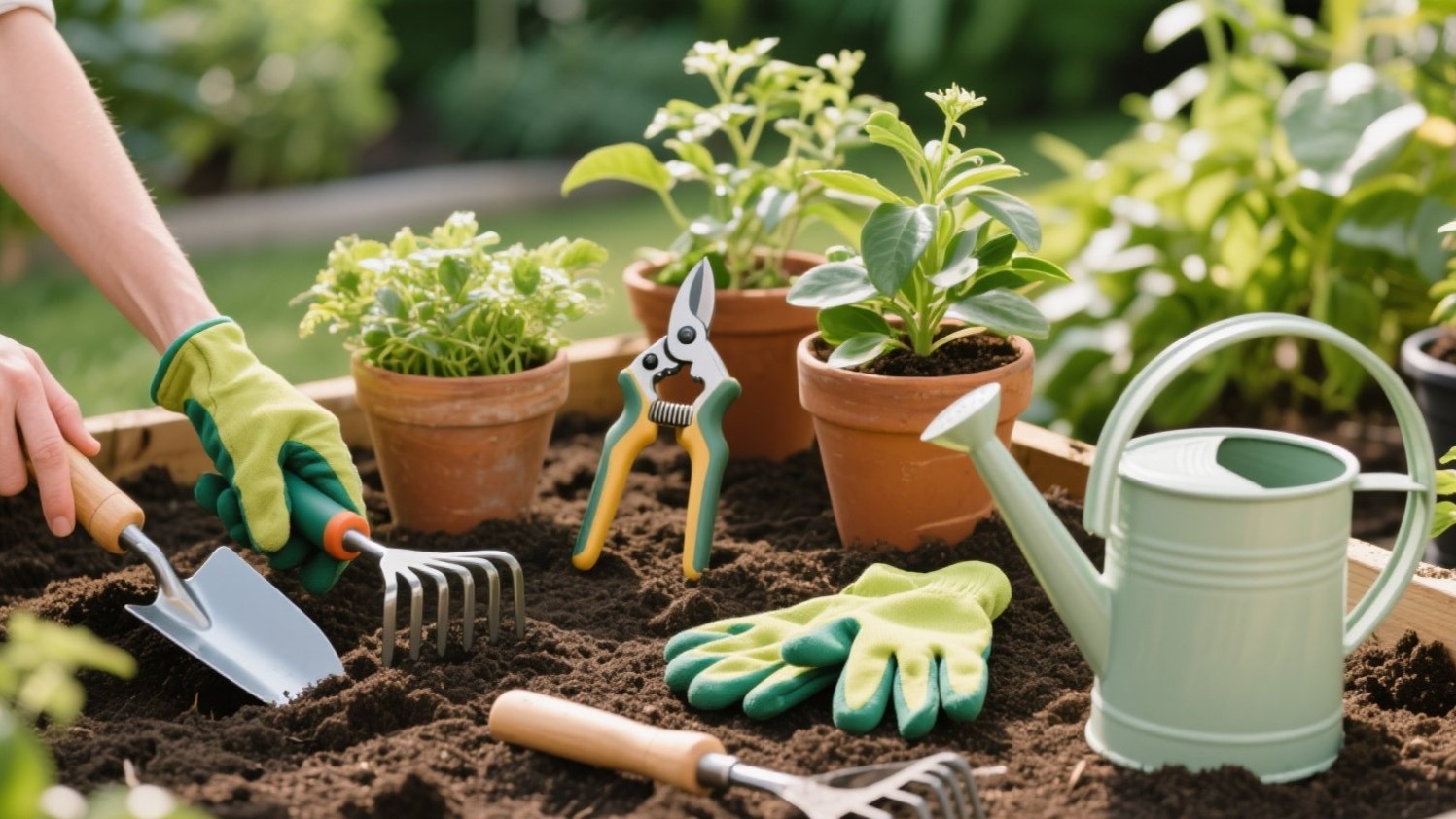
Essential Material Checklist for a Balcony Garden
This section covers key selection points for flooring, plants, containers, furniture, and decor, which might aid your choices.
Key Point: Start with your personal preference and the balcony’s objective conditions.

01. Flooring
Considering the balcony’s limited load-bearing capacity, avoid heavy, bulky stones. Opt for lighter materials like wood, composite decking, ceramic tiles, terracotta, or colored glass tiles.
If on a tight budget, try these low-cost DIY options that can add personality:
a. Stenciling paint patterns onto the floor.
b. Applying patterned tile stickers (endless color/pattern options!).
c. Using an outdoor rug (great for hiding an ugly floor).
02. Plants
A balcony garden is incomplete without plants. Here is some advice based on plant size and balcony orientation.

- Tip 1: Choose plants with a suitable mature size for your space.
- Large/Medium: Bird of Paradise, Fiddle Leaf Fig, Rubber Plant, Citrus trees.
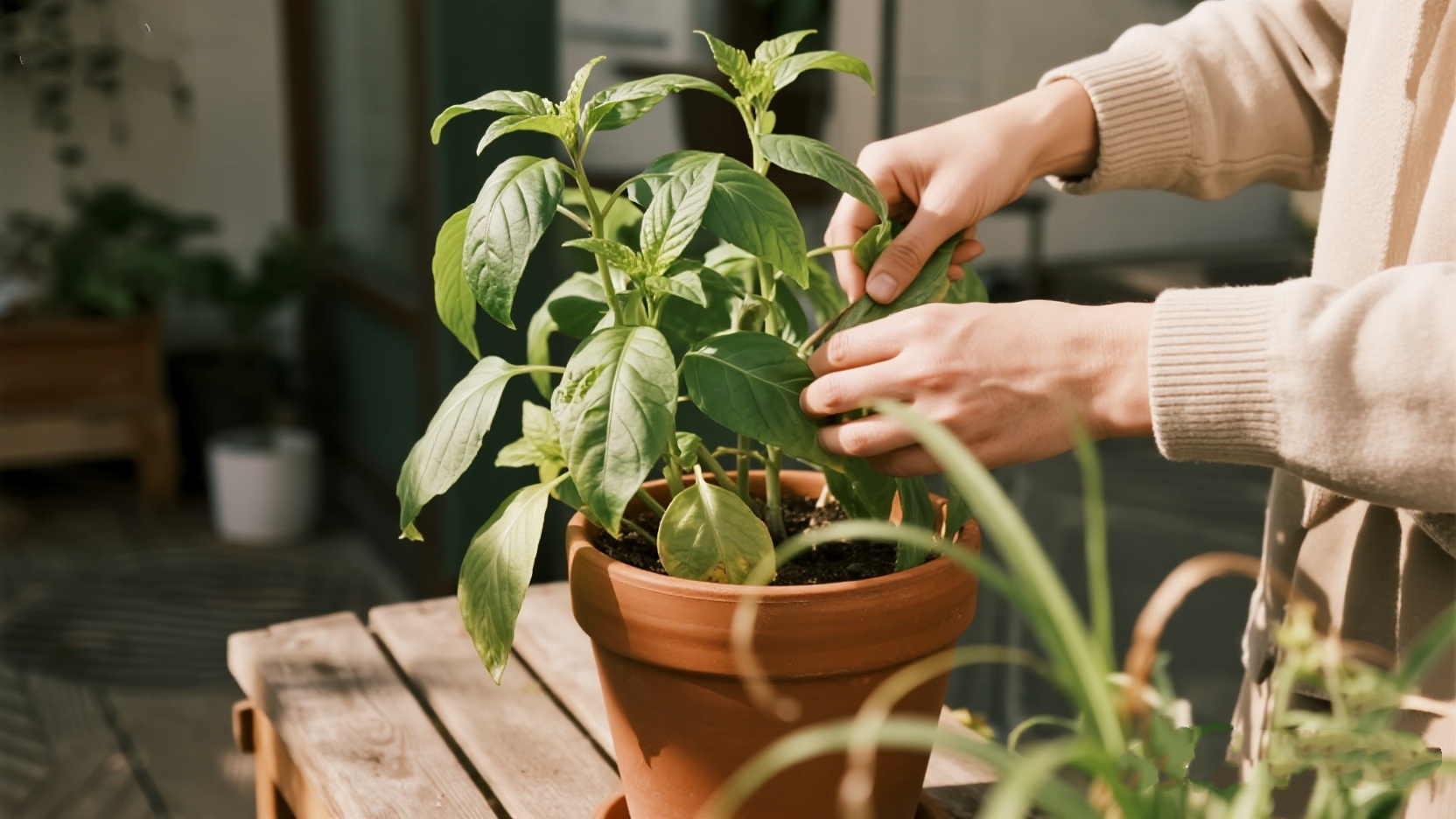
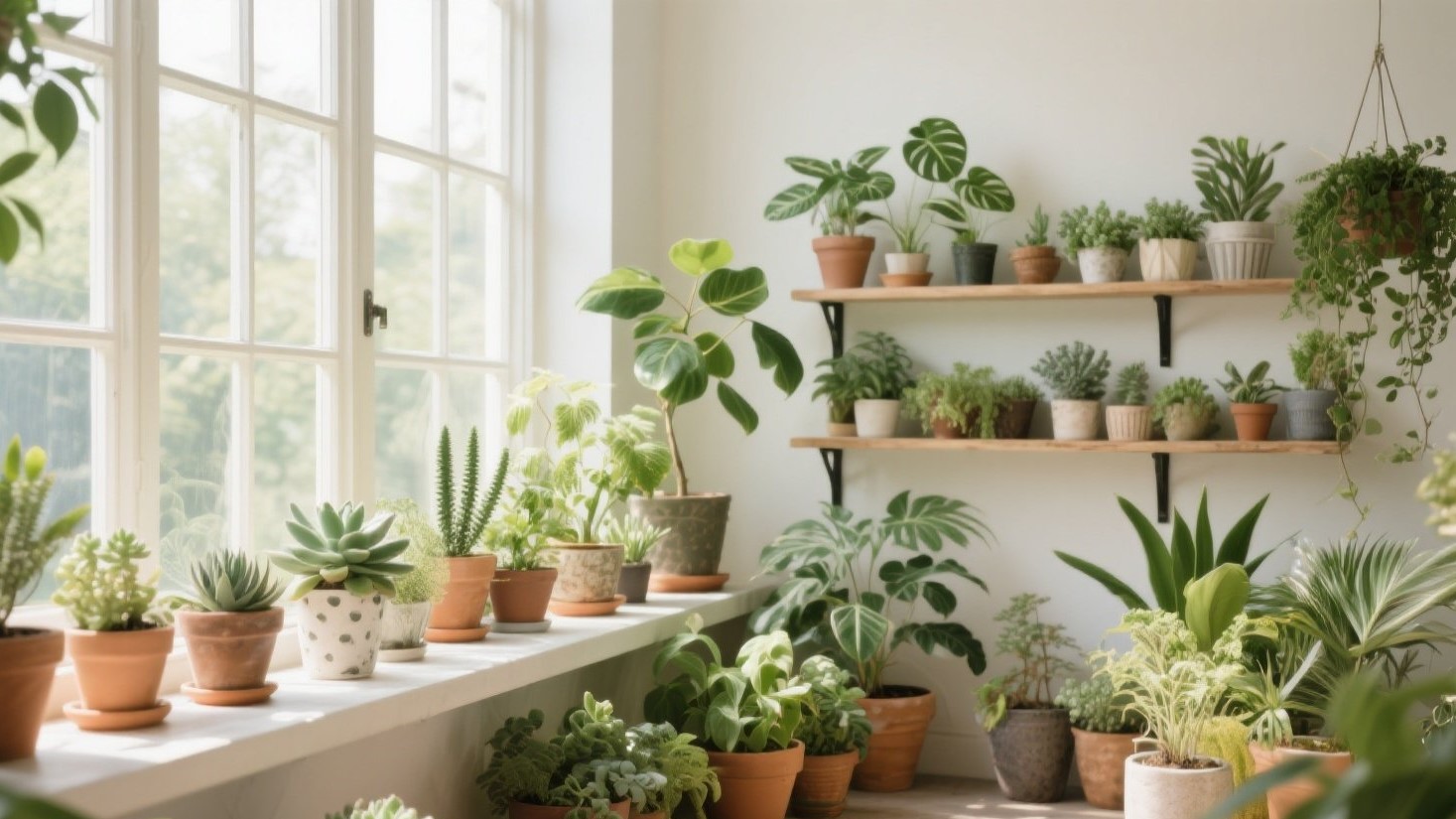
- Small: Herbs (mint, basil), Geraniums, Begonias, Succulents (check light needs), Pothos, Spider Plant.
- Climbing/Trailing: Ivy, String of Pearls, Creeping Fig, Morning Glory, Climbing Roses.
- Note: Many small succulents are drought-tolerant but cannot withstand intense, all-day sun.
- Tip 2: Select plants based on your balcony’s orientation (crucial for sun exposure).
- North (Low Light): Ferns, Hostas, Begonias, Peace Lily.
- East/West (Partial Sun): Impatiens, Hydrangeas, Coleus, certain herbs.
- South (Full Sun): Lavender, Rosemary, Petunias, Geraniums, Sun-loving vegetables.
- Note: Always check if a plant prefers full sun, partial shade, or full shade.
03. Planters & Containers
Since planting directly in the ground isn’t an option, container choice is key.

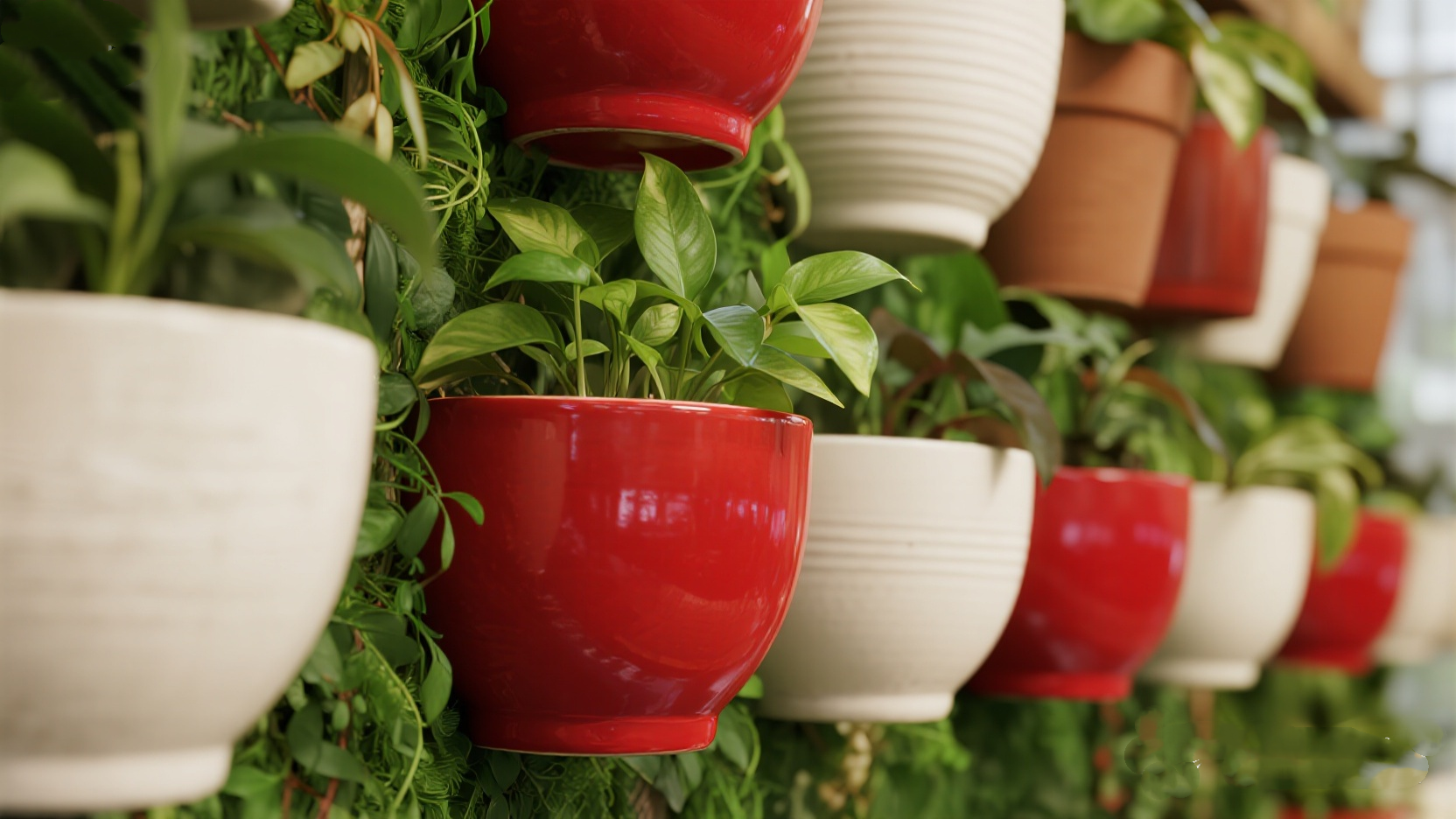
- Types: Utilize hanging planters, wall-mounted pots, stackable pots, and railing planters. If space is limited, think vertically.
- Color: Mix neutral-colored pots with a few brightly colored ones. Use neutrals for large pots; add pops of color with smaller ones on railings.
- Material: Mix materials for diversity—e.g., coco liners for hanging baskets, with terracotta pots and metal window boxes on the floor.
04. Soft Furnishings & Furniture
A balcony garden often doubles as an entertainment space or a spot for morning tea. Outdoor furniture options are endless, from stone stools to wooden benches, but the style must complement your garden’s overall theme.

05. Decorative Accessories
The elements above cover the basics. But to add fun and personality, consider small decorations. Colorful cushions, lanterns, outdoor rugs, small sculptures, or a mini water feature are great options. A word of caution: due to limited space, avoid clutter. Too many knick-knacks can make the area feel cramped.
Special Tips for Balcony Gardens
- Tip 1: Mosquito Prevention for Open Balconies
Open balconies, especially on lower floors, can attract mosquitoes in summer. Keep the area dry and free of standing water. Change water in plant saucers regularly. Consider growing mosquito-repelling plants like mint, marigolds, or citronella. - Tip 2: Waterproofing is Essential
As part of the building’s structure, the balcony, like a bathroom, needs proper waterproofing to prevent moisture from seeping through the tiles and causing damage. - Tip 3: Mind the Load Capacity!
A balcony designed for gardening should have a load-bearing capacity of at least 350 kg per square meter. Always use lightweight potting mixes (e.g., peat moss, coco coir, perlite) instead of heavy garden soil to reduce weight.
Think that’s all? Not quite! The case studies below will open your eyes to the even more amazing possibilities of balcony gardens.