Species Shortlist & Deer Resistance 🦌🌼
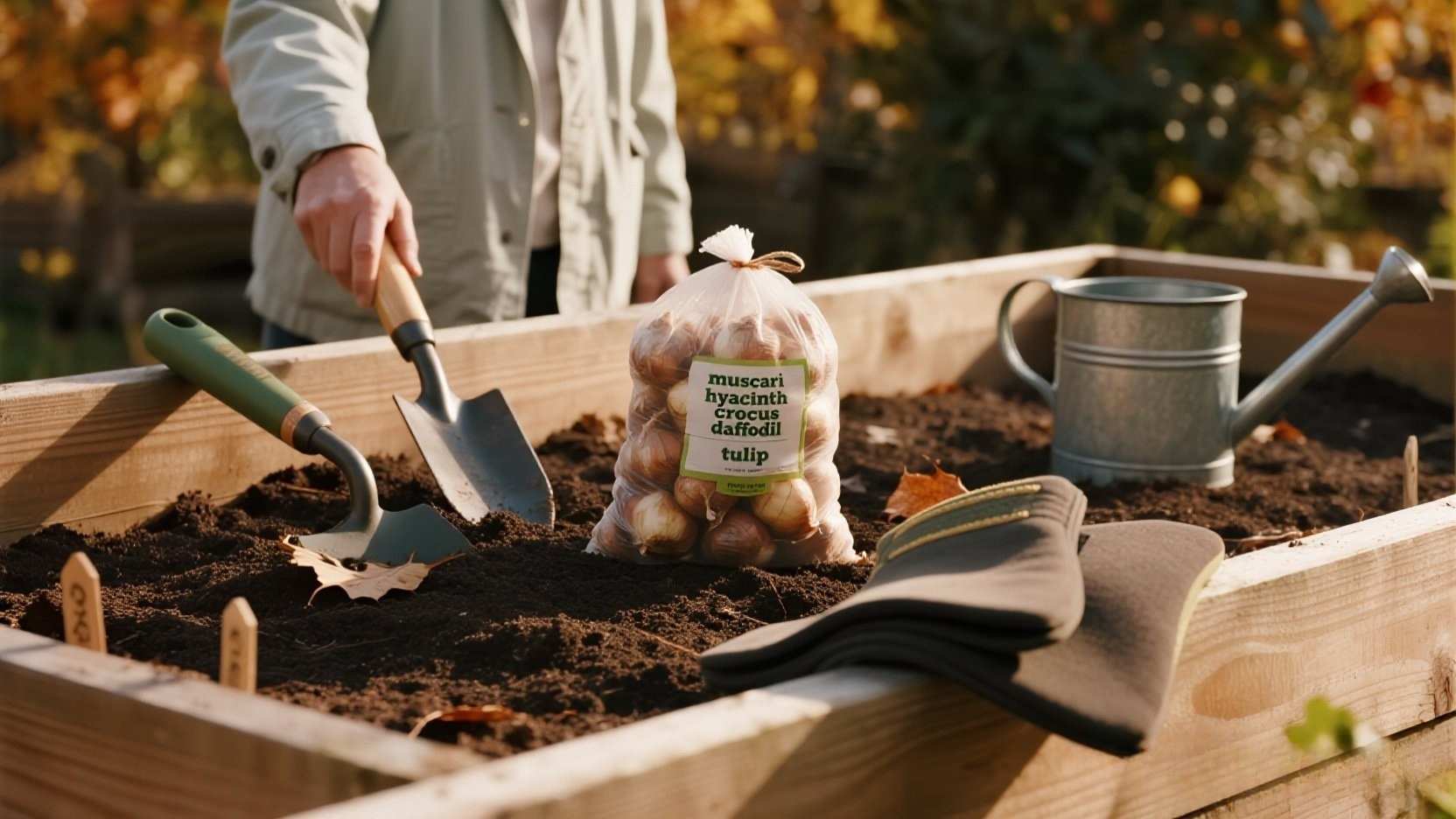
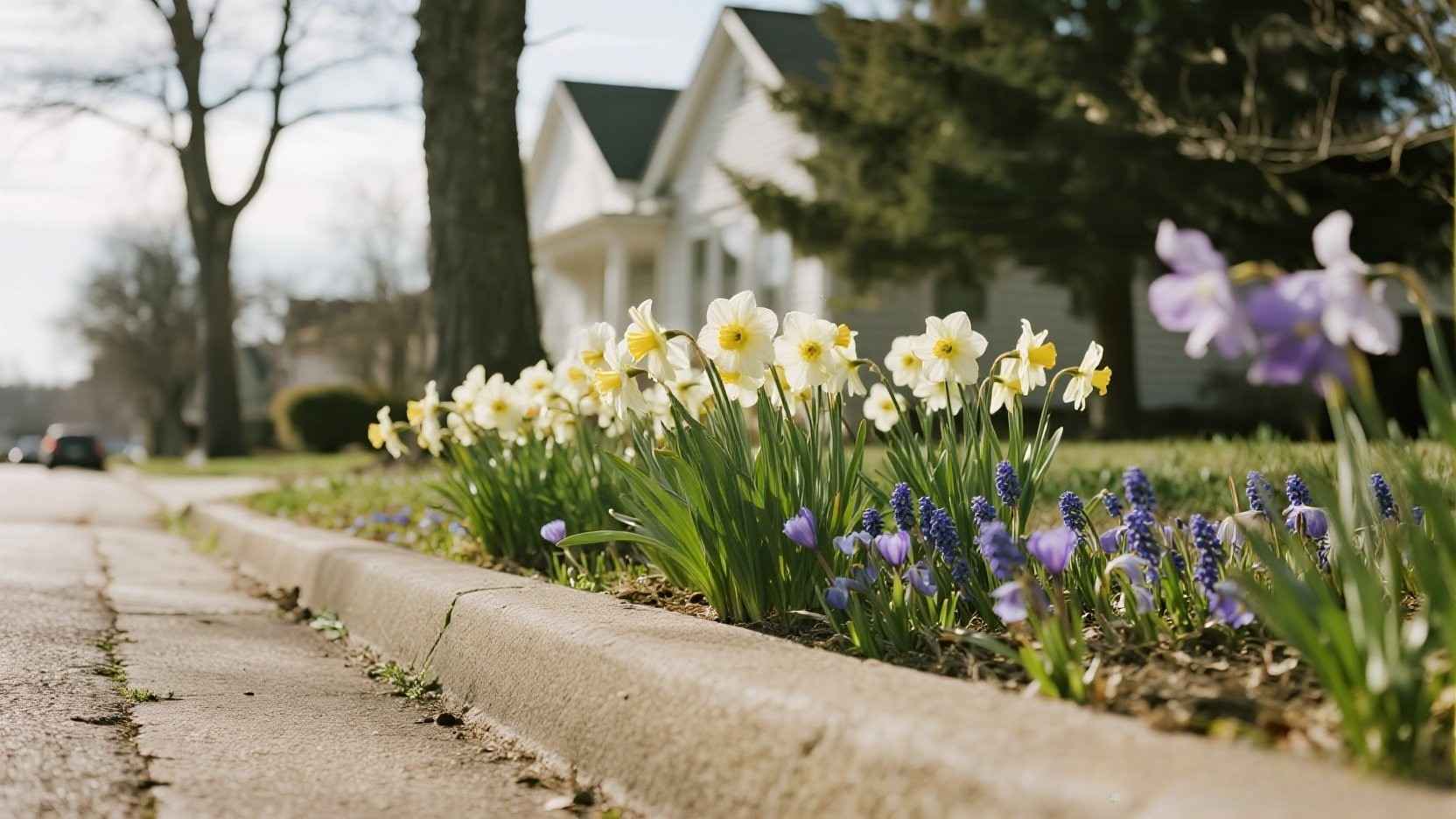
Curbside plantings need tough bulbs that return without coddling, shrug off nibblers, and spread politely. Focus on crocus (especially Crocus tommasinianus), muscari (grape hyacinth), scilla (Siberian squill), and daffodils (Narcissus). These choices tolerate occasional road splash, compacted edges, and inconsistent irrigation better than fussier tulips.
Deer and rodents usually avoid daffodils because they’re alkaloid-rich, and they tend to ignore muscari and scilla. “Tommies” crocus are less attractive to squirrels than many Dutch hybrids, making them a reliable early pop. Choose species and small-bulb types for scale: they’re cheaper per square meter and naturalize into satisfying carpets over time. 🌱✨
Sun/Soil & Drainage Rules ☀️🪵
Naturalizers thrive on sharp drainage and at least 4–6 hours of sun once trees are leafless in late winter/early spring. Plant at three times the bulb’s height and loosen the soil 10–15 cm deeper to create a mini-sump for runoff. If your curb is heavy clay, blend in grit or expanded shale across the whole bed rather than creating a small “bathtub” pocket.
Avoid spots where snowplow berms or road salt concentrate; set bulb drifts 30–45 cm back from the asphalt if possible. In medians with irrigation, target infrequent, deep watering after planting, then let winter rains do the work. Mulch lightly (1–2 cm) with fine gravel or leaf mold to moderate splash without smothering emerging shoots. 🚿🧱

Bloom Ladder: Late Winter → Late Spring ⏳🌸
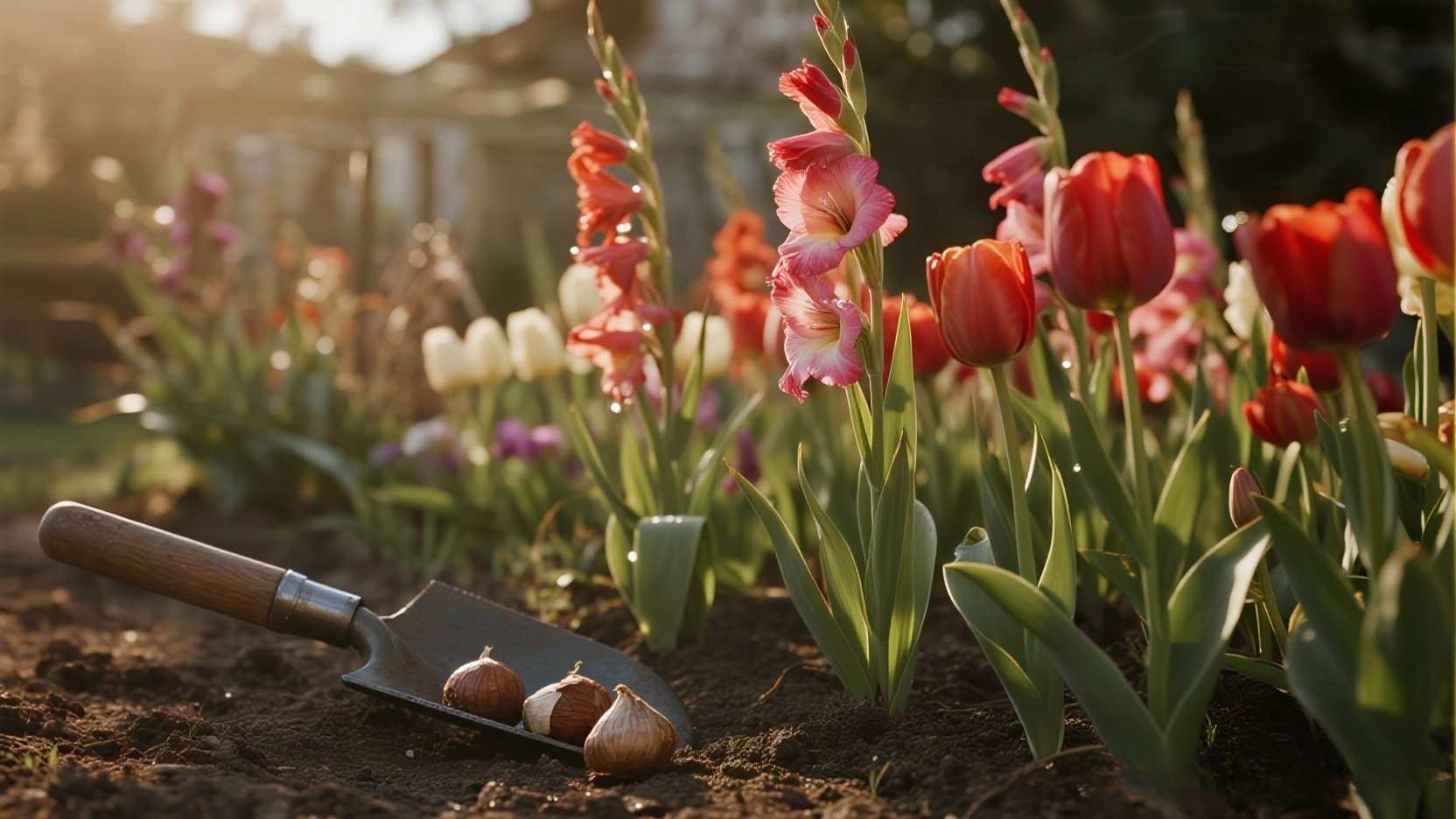
Stage your show so color rolls down the curb in waves. Late winter: Crocus tommasinianus opens first, often through thawing grass and under bare trees. Early spring: scilla follows with electric blue sheets, then muscari adds grape-cluster spikes for texture.
Mid to late spring: daffodils carry the baton longest and hold up to erratic spring weather. Mix early, mid, and late Narcissus to extend the window by 3–5 weeks without adding maintenance. Scatter bulbs in large drifts of 25–50 for each species so the eye reads color fields, not polka dots. 🎨👀

“Let the Foliage Die Back” Calendar 🗓️✂️
Bulbs refuel through leaves; don’t cut foliage until it yellows. As a rule of thumb, give crocus/scilla/muscari ~4–6 weeks post-bloom, and daffodils ~6–8 weeks. In lawn strips, set your first mow high (7–8 cm) and delay until the earliest bulbs have begun to yellow.
Create “mowing windows” by grouping species: edges heavy on crocus/scilla allow earlier mowing, while interior drifts of daffodils mature later. If aesthetics worry the neighbors, braid or lightly comb leaves in one direction rather than tying tight bundles, which reduces photosynthesis. A single deep soak after flowering helps next year’s bud count without weekly watering. 💧👌
Simple Edging for Neighbor-Friendly Neatness 🚧🧹
A crisp frame makes wildflower-style drifts look intentional. Use a 10–15 cm steel edge, a single row of brick on sand, or a 20 cm poured-concrete mowing strip to keep gravel and bulbs in bounds. Maintain a clean 5–8 cm gap between edging and asphalt to catch debris and prevent mulch creep.
During bloom, hand-snip spent heads on daffodils along the front 30 cm for extra polish while letting the back drifts seed and bulk. Keep signage simple: a small tag reading “Bulb Naturalizing Area—Mowing Delayed” avoids complaints. Once foliage fades, switch the strip to summer groundcover or let turf knit back until fall. 🌿🏷️
Quick Mix Recipes That Behave on the Curb 🧪🌷
- Blue Haze Starter (zones 4–7): 40% Crocus tommasinianus, 40% Scilla siberica, 20% Muscari armeniacum. Two waves of blue plus early crocus confetti.
- Gold-Blue Baton (zones 5–8): 50% Narcissus (early + mid), 30% Muscari, 20% Crocus tommasinianus. Long run with tidy foliage.
- Traffic-Tough Classic: 60% Narcissus, 20% Muscari, 20% Scilla. Maximum deer resistance; minimal fuss.
Planting & Spacing at a Glance 📏🧤
- Depth: 3× bulb height across the mix; loosen soil deeper for drainage.
- Density: 75–150 small bulbs/m² (crocus/scilla/muscari) and 25–40 daffodils/m² for impact.
- Mowing: First high mow when earliest leaves yellow; regular mow after 6–8 weeks for daffodils.
Tie-in: This plan suits a pivot to naturalizing for scale and low upkeep—bigger drifts, fewer chores, and bloom waves aligned with realistic mowing windows. Instead of itemizing every variety, you naturalize once and enjoy returns each spring. Your curb reads intentional, seasonal, and neighbor-friendly—no spreadsheet needed. 🙌🌼