Introduction
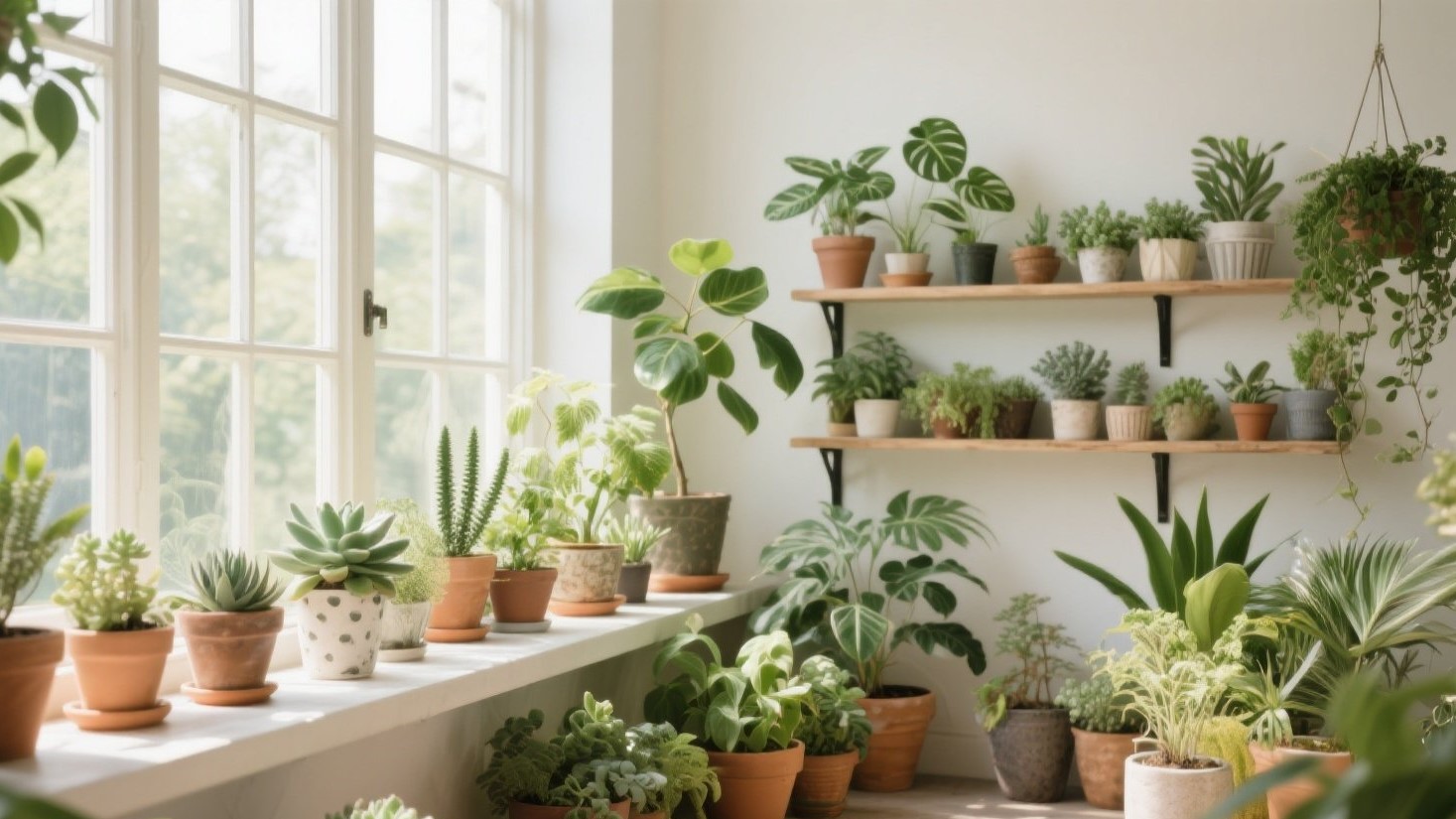
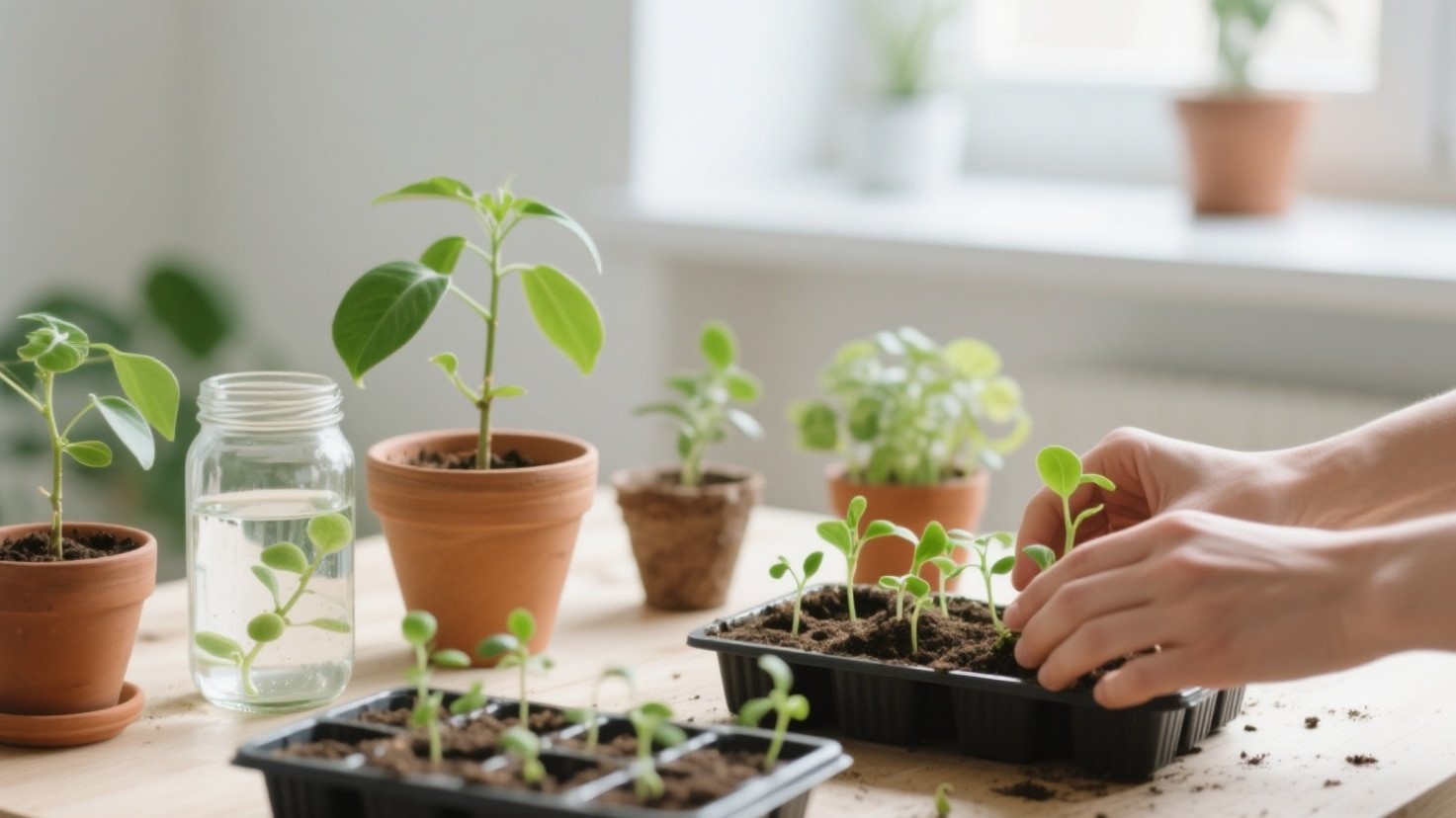
Your seedling station can look like a design vignette and stay pest-free—no sticky films, heavy smells, or ugly gadgets required. Aphids thrive in warm, cozy rooms with tender new growth, but a style-first routine keeps them in check without turning your shelves into a lab. Think curated tools—clear-mist sprayers, microfiber cloths, and handsome quarantine trays—to blend with your décor. ✨🌱
This guide uses gentle, effective methods that respect finishes, fabrics, and airflow. You’ll learn a soap-and-rinse technique that removes pests yet avoids residue, plus a wipe routine that restores leaf sheen. Every step is apartment-friendly, pet-aware, and pretty on the eye. 🫧🪴
Why Aphids Show Up Indoors (So You Can Outsmart Them)
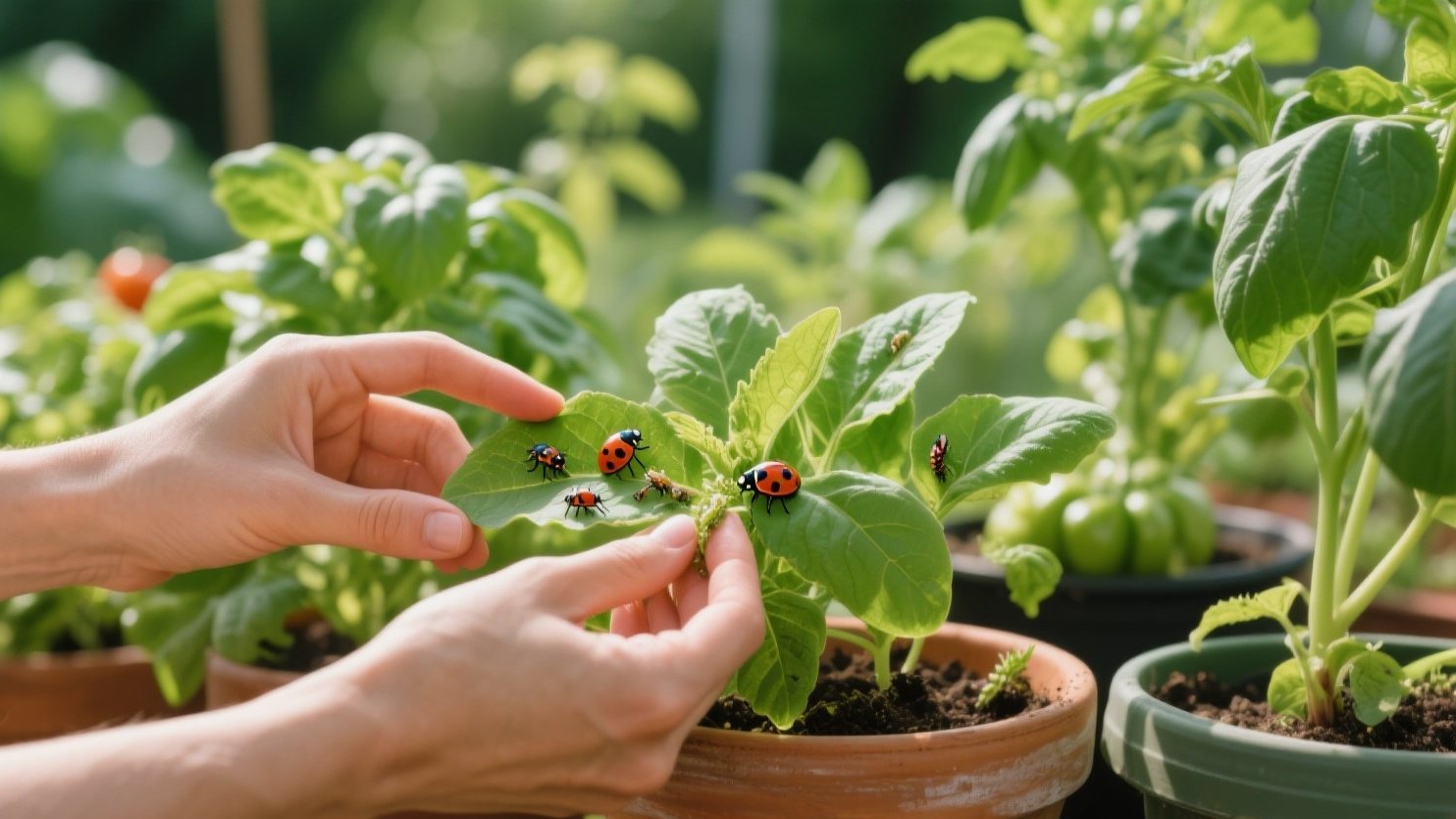
Aphids hitchhike on nursery plants, cut flowers, or even clothing, then multiply quickly on juicy seedling tips. Indoors, there’s no rain to knock them off and few predators, so populations can bloom in a week. Recognize early signs: curled new leaves, sticky honeydew, and tiny green/black/yellow specks on stems. 🔍🐞
They favor soft growth driven by cozy temperatures and generous nitrogen. Slightly cooler nights (18–20 °C) and gentler feeding slow that tender flush. Good spacing and a small fan reduce still air where aphids settle. 🌬️🌿

The Aesthetic Toolkit: Clean, Calm, and Display-Ready
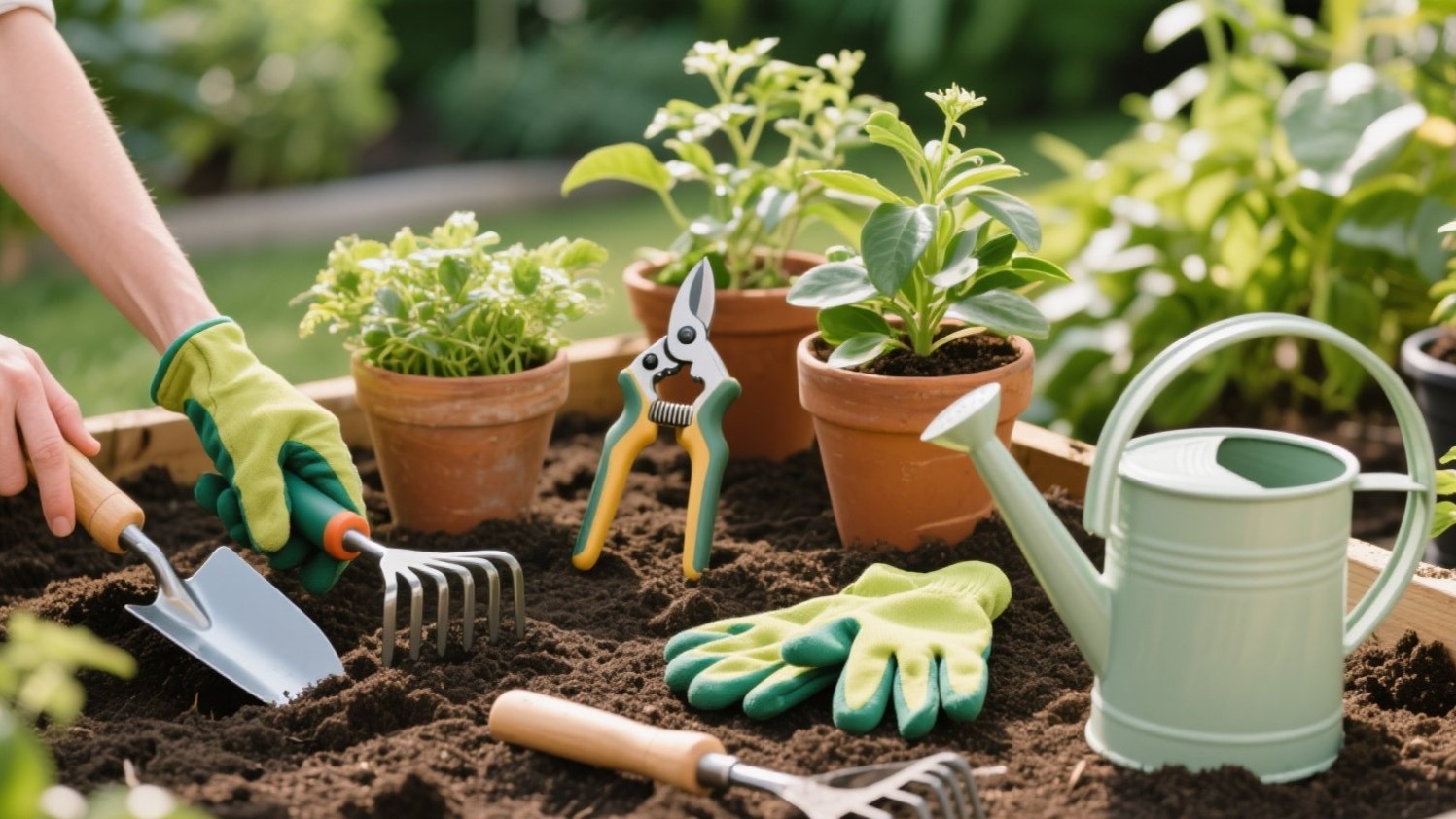
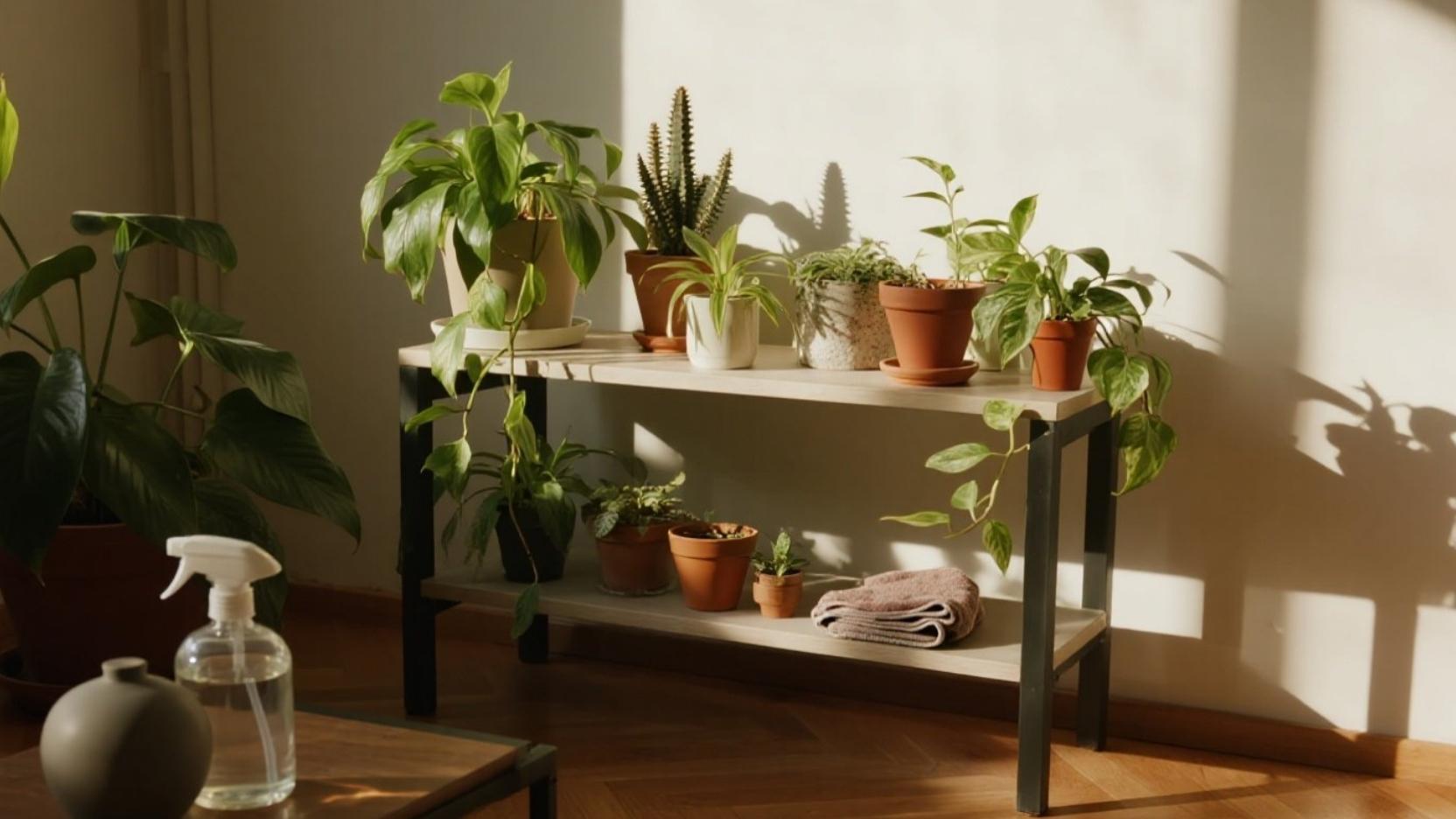
Choose a clear-fog fine-mist bottle (not a heavy sprayer) to coat leaves evenly without drips on books, frames, or floors. Stock lint-free microfiber cloths for leaf-wipes and tray shine—neutral colors look intentional on a shelf. Add attractive quarantine trays (matte ceramic or powder-coated metal) to isolate newcomers without visual clutter. 🧴🧼
Keep a small catch towel or silicone mat under plants while treating to protect wood and textiles. A handheld blowing bulb or camera rocket blower gently dislodges pests before spraying. Store everything in a lidded rattan basket so the station stays styled, not clinical. 🧺✨

The Gentle Soap Spray (Recipe & Method)
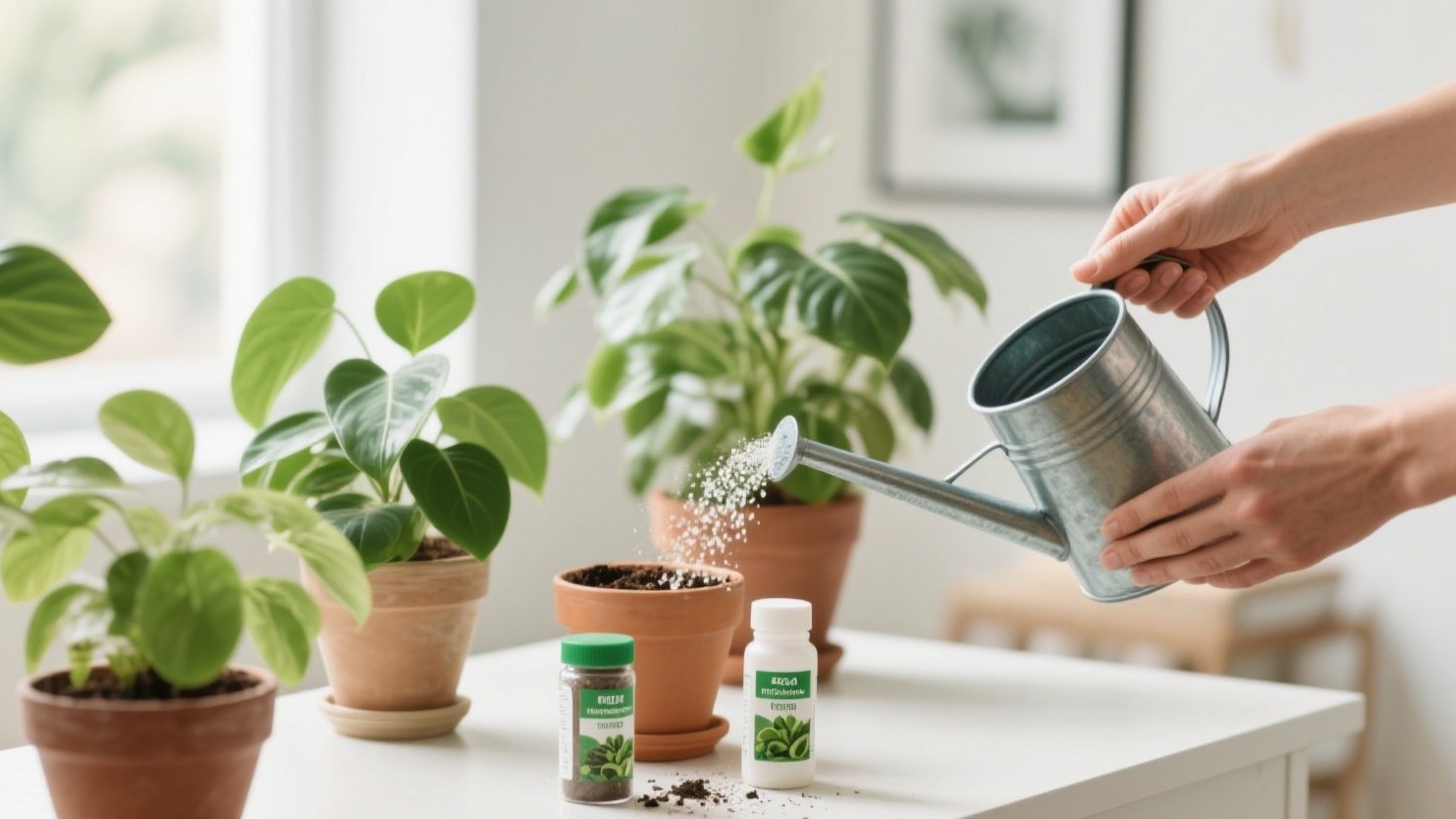
Mix a simple, widely cited solution: ~1 tbsp (15 mL) castile soap per ~1 L water in a clear bottle. Shake gently to avoid big bubbles, then test on one leaf and wait 24 hours if you’re cautious. This dilution disrupts aphid membranes but is gentle on seedlings when followed by a rinse. 🧪🌿
Spray every surface—tops, undersides, stems, leaf axils—until just glistening, not dripping. Wait 5–10 minutes so the soap contacts pests, then rinse with clean water using a fine mist to prevent spotting. Blot any pooled water from leaf bases and pot rims to keep your shelf pristine. 💧🫧
Microfiber Leaf-Wipes: Shine Without Residue
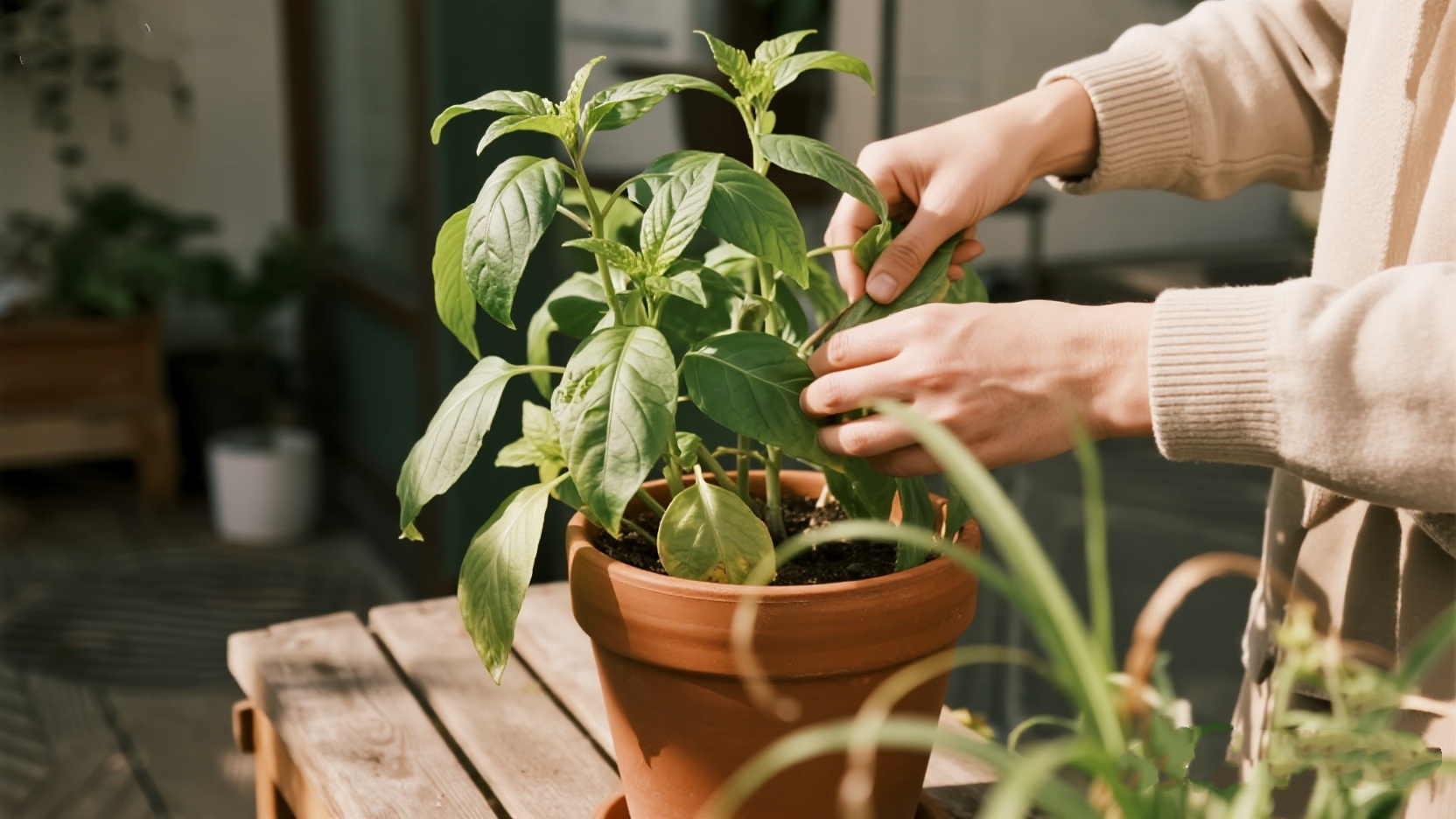
After rinsing, wrap a fingertip in microfiber and lightly wipe leaves from base to tip. This removes aphids, cast skins, and honeydew that can dull surfaces and attract dust. Work on a tray so any debris stays contained and easy to clean. 🧽🍃
For fuzzy leaves (e.g., some herbs), skip wiping and stick to mist and airflow. Replace cloths frequently so you’re not redistributing pests. Finish with a dry cloth to restore that healthy, satin leaf look. ✨🌱

Quarantine Without Eyesores
Designate one attractive tray as your “new arrivals” or “under observation” zone. Place it at least a shelf away from your main seedlings to interrupt easy spread. The tray reads like decor, but it’s doing serious IPM work behind the scenes. 🧑🌾🧊
Quarantine for 7–10 days, repeating soap-and-rinse every 3–4 days if aphids were present. Keep a small plant tag noting treatment dates so your routine stays consistent and stylishly invisible. 📆🪴
Follow-Up Cadence That Fits Real Life
Do a visual sweep every watering day: check undersides, new tips, and stake joints. If you see stragglers, repeat the spray, wait, and rinse sequence. Most light infestations resolve within 1–2 cycles. ⏱️🔄
Keep conditions slightly less aphid-friendly while you’re clearing them—cooler nights, modest feeding, and a bit more airflow. Once clear, return to your normal styling and schedule. Your shelf stays magazine-ready through it all. 📰🌬️
Prevention That Doesn’t Kill the Vibe
Rinse new plants in the sink on arrival, let them dry on the quarantine tray, then place. Dust leaves weekly with a soft brush or blower so predators (if any) can find pests and leaves photosynthesize efficiently. Water in the morning to avoid long, humid evenings. 🌄🪴
Consider yellow cards tucked discretely behind pots if you accept the look; they monitor rather than treat. Otherwise, rely on inspection plus your soap-and-rinse fallback. Style tip: choose muted stationery clips to hold any cards so they disappear into the scene. 🟨📎

Troubleshooting & Safety (Pets, Finishes, Delicates)
If a plant shows spotting, you likely skipped the rinse or used mineral-heavy water—switch to filtered or distilled for the final mist. If odor sensitivity is an issue, choose unscented castile and ventilate lightly during treatment. Always cover nearby textiles with a towel. 🧴🚫
Tough cases: repeat treatments more frequently for 7 days and prune the worst-hit tips. If you need a backup, horticultural oil can help, but it adds sheen and mild scent—use sparingly and test on one leaf. Avoid harsh alcohol dousing; it can mar finishes and stress tender seedlings. ✂️🛡️
Quick Reference: Soap-and-Rinse Mini Playbook
- Mix: ~1 tbsp (15 mL) castile soap per ~1 L water. Mist: cover tops/undersides/stems evenly. Wait: 5–10 minutes. 🧪⏳
- Rinse: fine clean water mist to remove soap and honeydew. Wipe: microfiber for smooth leaves only.
- Repeat: every 3–4 days until clear. 💧🧽
Conclusion
Aphids don’t require heavy chemicals or ugly gear—just a gentle routine that respects both plants and place. With a clear-mist bottle, microfiber cloths, and a handsome quarantine tray, your shelves stay calm and curated. The soap-and-rinse method is your reliable reset that leaves no sticky stories behind. 🌟🌿
Keep the habit simple: inspect, mist, rinse, and style. When you treat early and consistently, pests fade into the background of a beautiful, thriving room. Your seedlings—and your design eye—both win. 🏡🌱