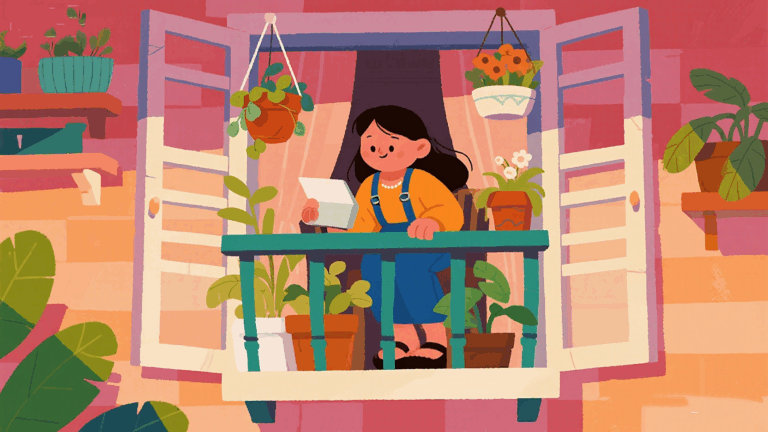
For apartment dwellers with a balcony, the dream of gardening is simple: pots of herbs, homegrown veggies, a personal green escape. Yet the reality often brings challenges—no outdoor water source, limited storage, concerns about dirt or water reaching the neighbors, wind exposure, slatted floors, and uneven light. One gardener expressed it well:
“I’m in an upstairs apartment. There’s no hose and I don’t have outside storage. My balcony has slats. I’m concerned about dirt and water dripping down to the people below.”
This captures a common dilemma: how to garden successfully without a backyard. Here’s a practical guide to planning your space, organizing tools, storing supplies, and watering efficiently—so you can enjoy gardening without the typical frustrations.

1. Plan Your Space and Workflow
Start by viewing your balcony as a compact outdoor workshop. Identify the tasks you’ll do regularly: potting, watering, pruning, harvesting. For each, ask yourself: Where will I do this? Where will tools and soil be stored? How will I handle spills or runoff?
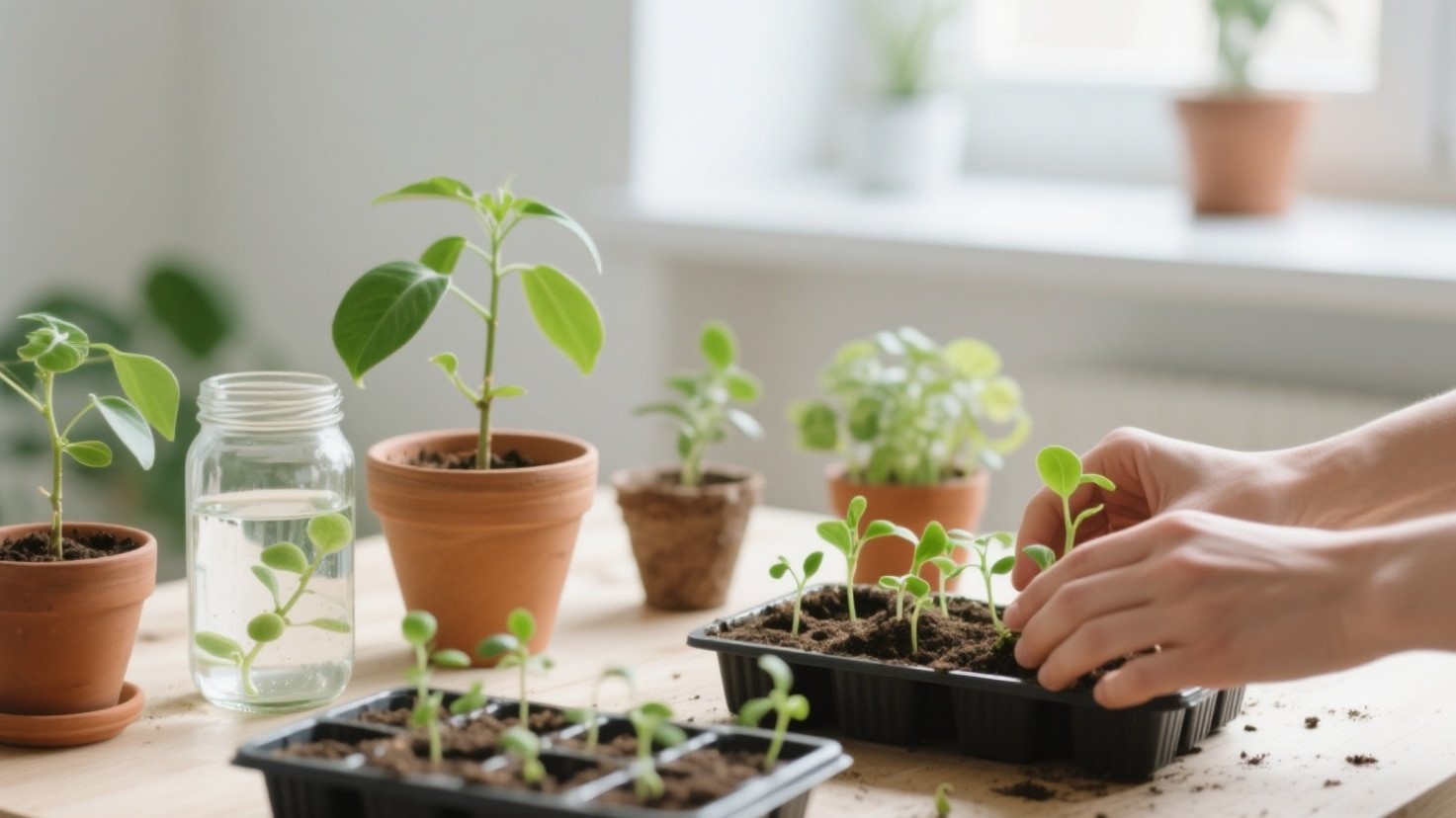
A helpful suggestion from experienced gardeners is to use a large plastic storage tub as a portable potting station:
“I do all my repotting inside a storage tub. It contains the soil, and when I’m done, I can seal it up and tuck it in a corner—or even use it as extra shelving.”
This keeps your space tidy and turns a simple container into a multi-functional gardening hub.
2. Storage and Tidiness
Limited storage is a top concern for apartment gardeners. You may not have a shed, and you’ll want to keep things presentable.
Practical solutions include:
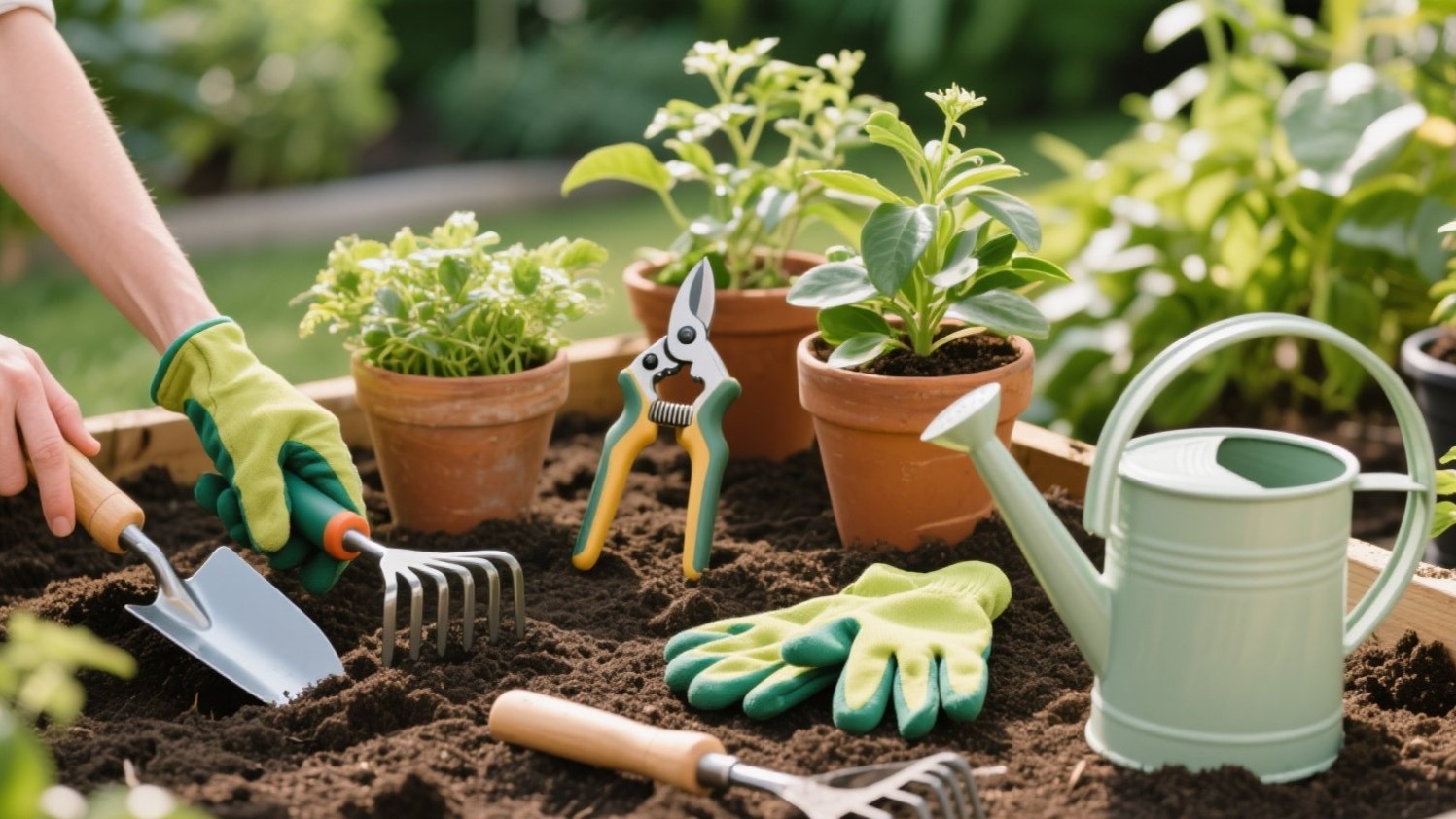
- A weatherproof storage bin for soil, tools, and gloves
- A small broom or handheld brush for quick clean-ups (“I keep a mini broom on the balcony—since you can’t hose things down, sweeping is essential.”)
- Stackable crates or shelves to organize pots and supplies
- Drip trays under every container if your balcony has slatted flooring
3. Watering Without a Hose
Watering can be a major hurdle when trying to avoid disturbing neighbors.

Try these methods:
- Use saucers or trays under all pots to catch runoff
- Water slowly, allowing the soil to absorb moisture before adding more
- Try bottom-watering: place pots in a tray of water and let them drink from below
- Explore self-watering systems like terracotta spikes or bottle irrigators
- Water in the early morning or at times when neighbors are less likely to be outside
4. Soil and Potting Setup
Without a yard, you’ll need a clean and efficient way to handle soil.
Tips:
- Lay down a tarp or plastic sheet when mixing soil to simplify cleanup
- Use pots with built-in saucers to protect your balcony floor
- Store soil in a sealed container to keep it dry and pest-free
- Choose lightweight potting mix over dense garden soil—it’s easier to carry and better for containers
5. Use Vertical Space and Stay Mobile
Maximize a small footprint with vertical thinking:
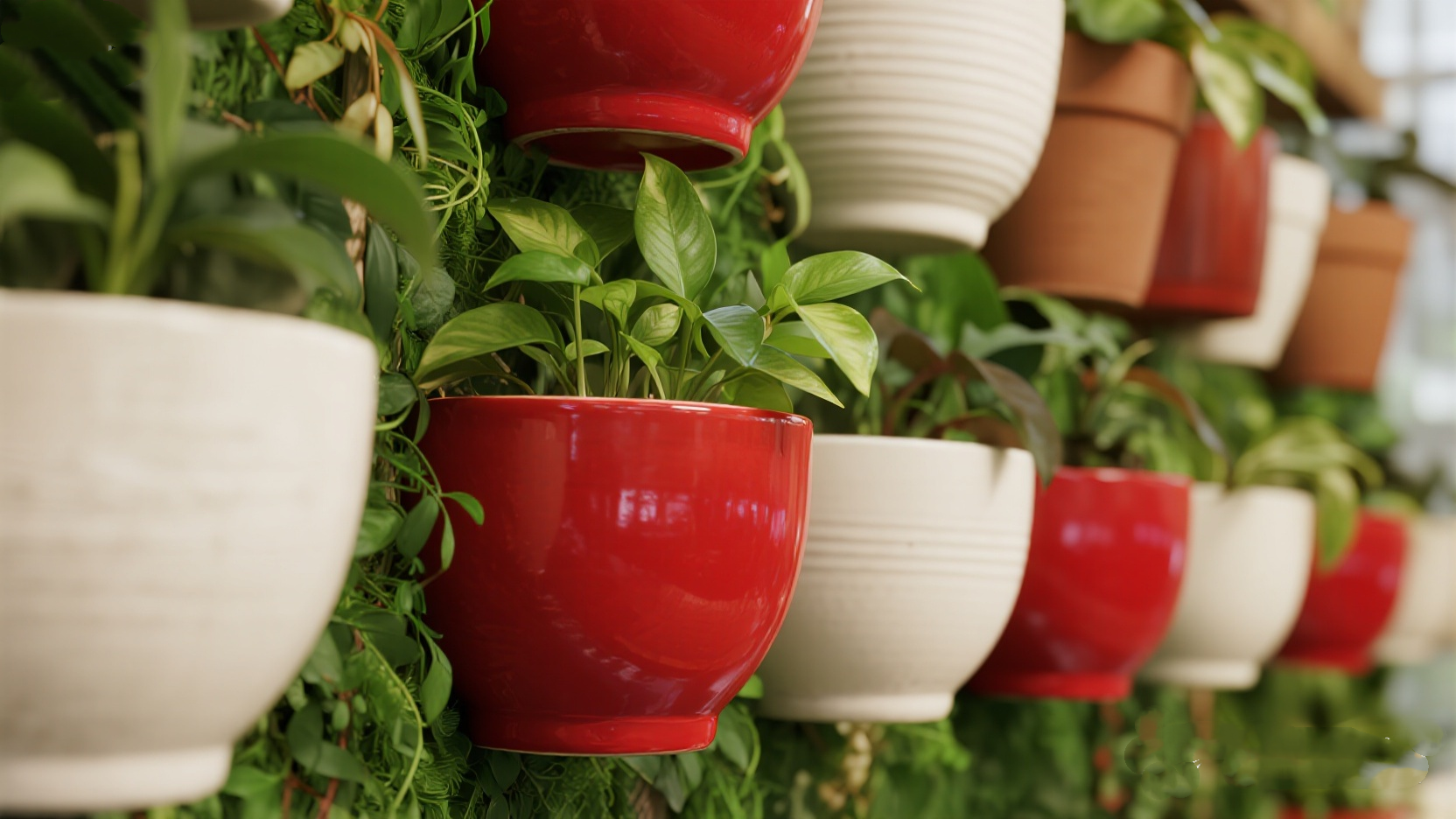
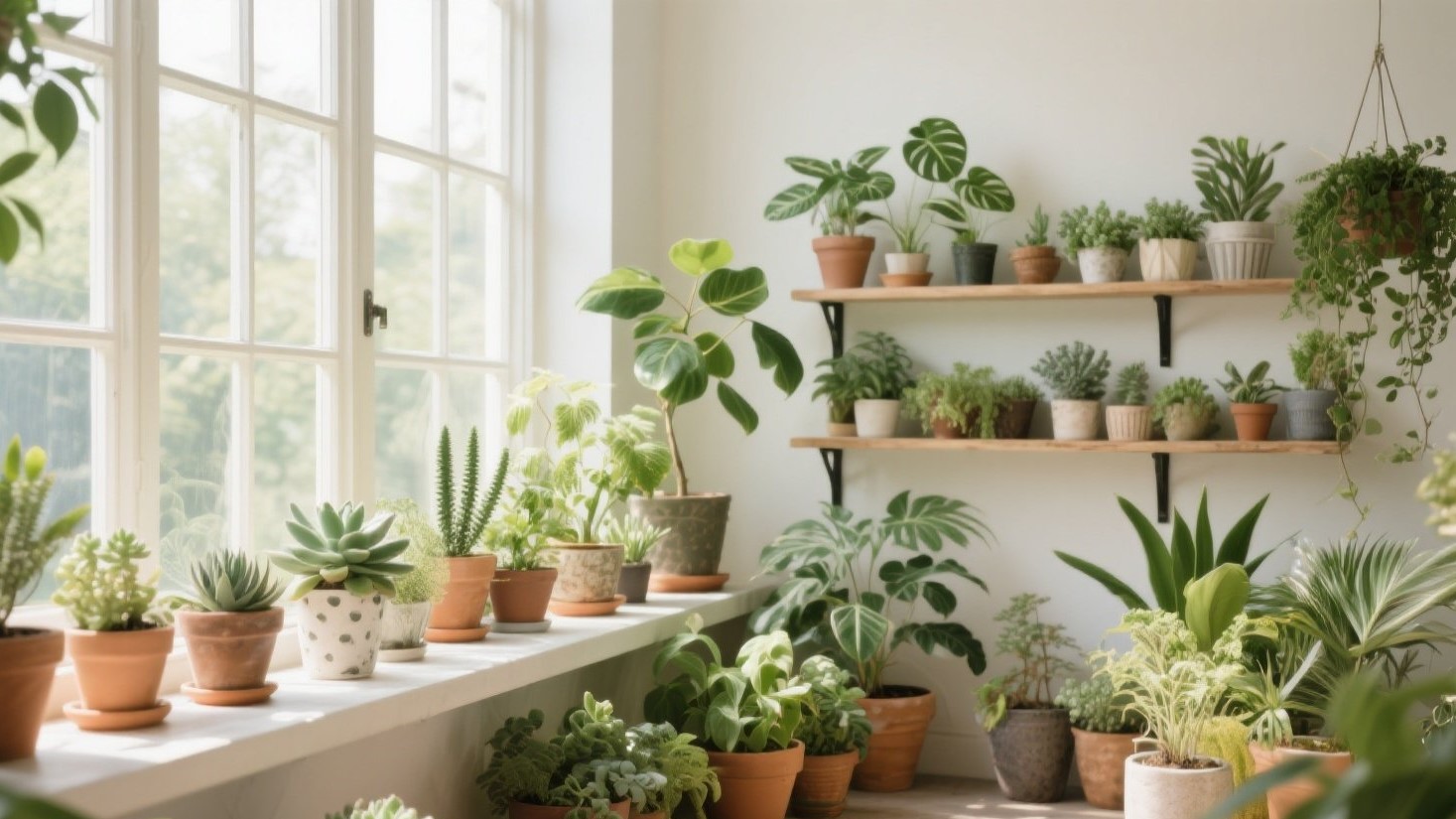
- Install wall planters, shelves, or tiered stands to grow upward
- Use a rolling cart to easily move plants for cleaning or sun adjustment
- Lightweight pots make repositioning simple when weather changes
6. Adapt to Weather and Building Rules
Balconies are exposed to wind, sun, and rain—each brings logistical challenges.

- Secure pots against wind with weights or low stands
- Use bamboo screens or rail covers to buffer strong gusts
- Check your building’s weight limits for balconies—containers, soil, and water add up
7. Create a Maintenance Routine
A little regular care prevents bigger clean-up jobs later:
- Sweep frequently to keep soil and debris under control
- Empty saucers that collect standing water to avoid pests
- Rotate plants for even sun exposure
- Wipe down surfaces monthly to prevent algae or stains
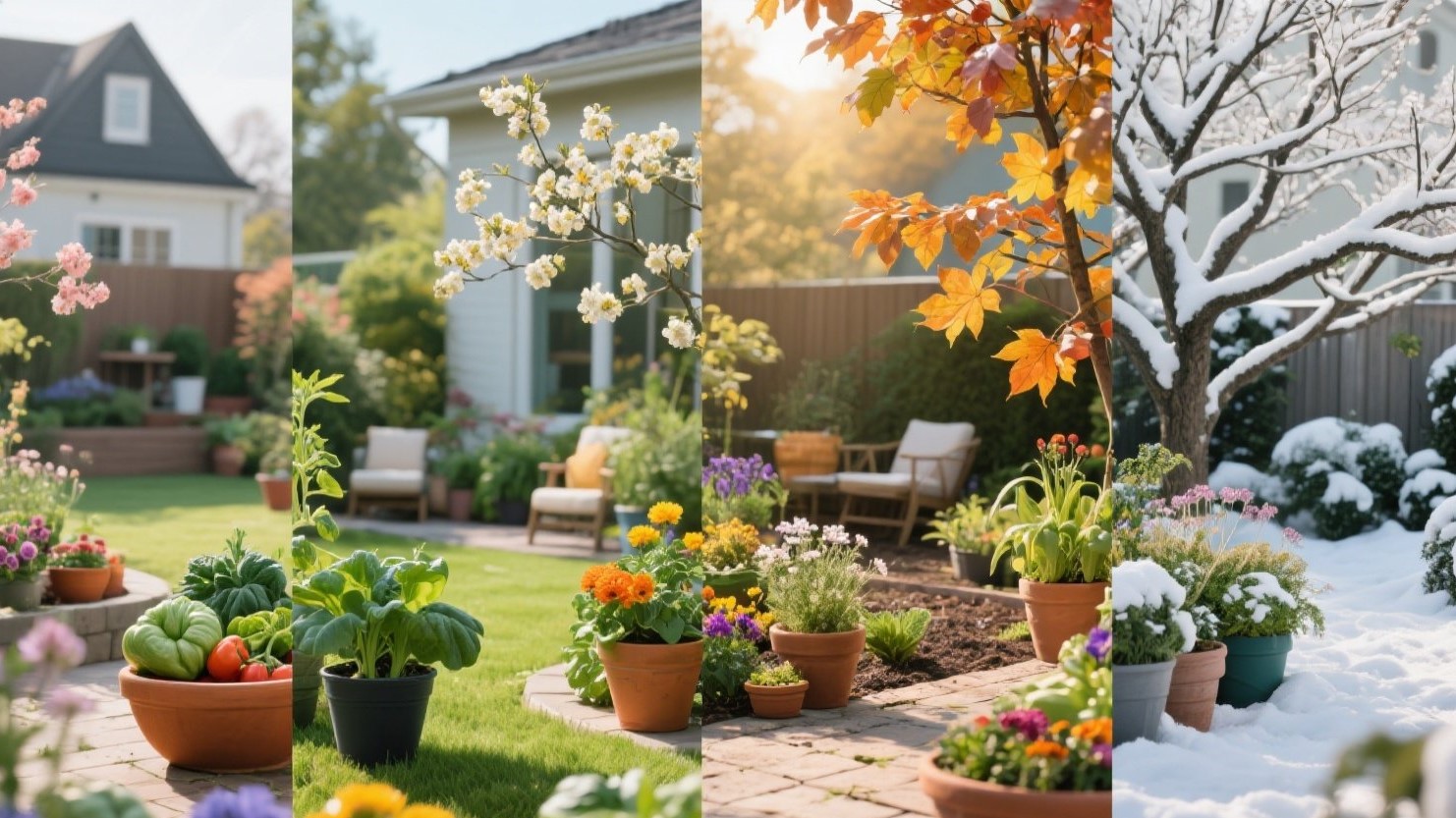
8. Plan for Seasonal Changes
Balcony conditions shift with the seasons. Stay prepared by:
- Storing pots and tools neatly during the off-season
- Setting up self-watering solutions if you travel
- Adjusting plant placement as sun angles change
9. Budget for the Long Term
Good gear lasts longer and performs better. Invest in:
- Durable, weather-resistant containers
- Quality potting mix and slow-release fertilizer
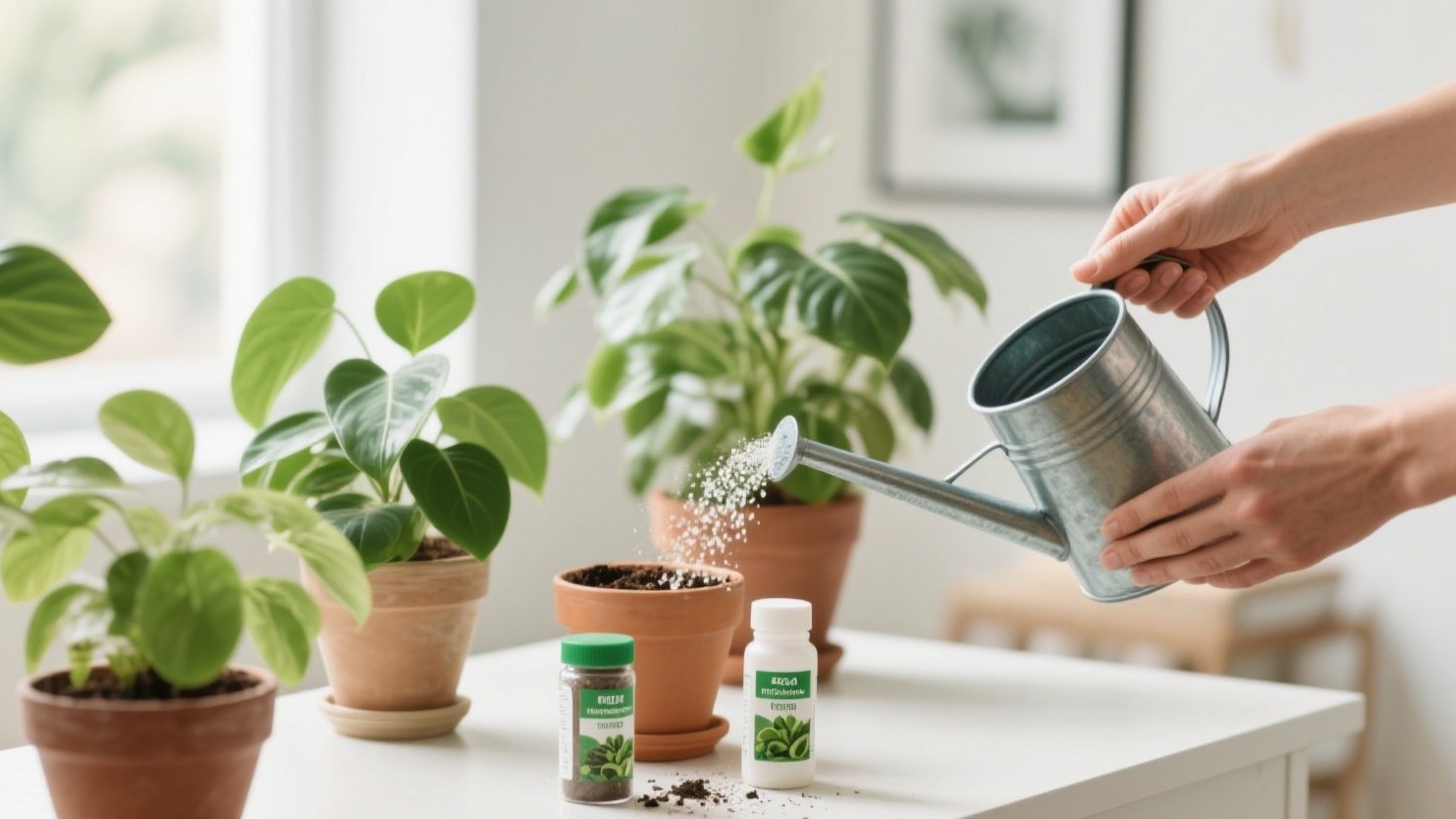
- Efficient watering tools like a long-spout can or drip system
10. Final Thoughts

Successful balcony gardening is less about having a green thumb and more about smart systems. With thoughtful setup—focused on containment, mobility, and ease of care—you can turn a challenging space into a personalized green haven.
As one gardener wisely noted:
“Does anyone have tips to manage the mess?”
Yes—start with the steps above. A little planning goes a long way in creating a balcony garden that’s both productive and peaceful.