🌱 Introduction: The Great Pot Debate
If you’ve ever scrolled through Reddit’s gardening communities like r/houseplants or r/gardening, you’ve probably come across a never-ending discussion: Are clay pots better than plastic ones?
While both camps have strong arguments, understanding the science behind each material—alongside real gardeners’ experiences—can help you choose the best home for your plants. The truth is, it’s not about which pot is universally superior, but which one best fits your specific plant’s needs, watering habits, and environment.
Let’s dig into the details and uncover why this simple choice can make a big difference in your garden’s success. 🌿
🏺 Clay Pots: Breathable but Demanding

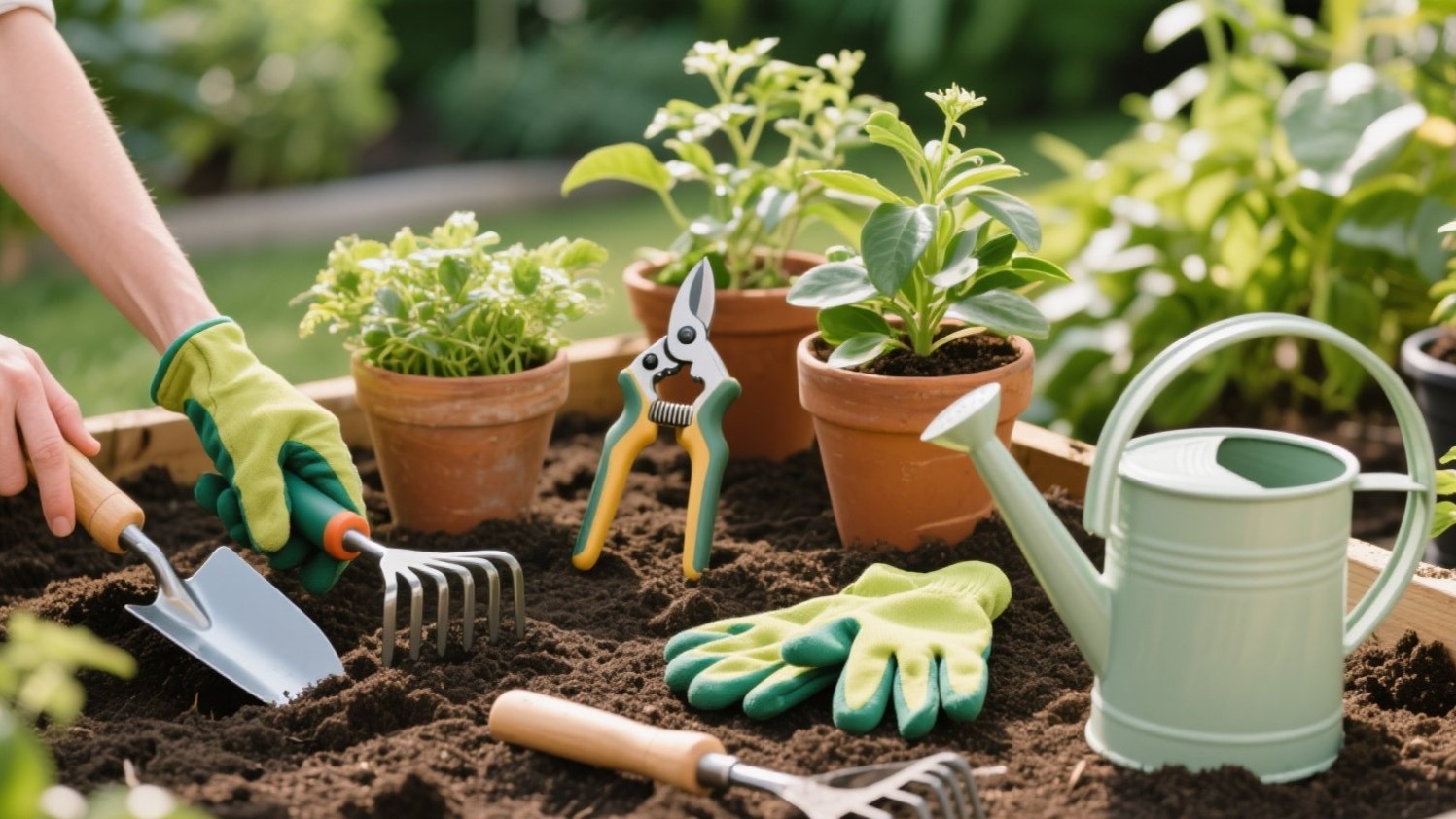
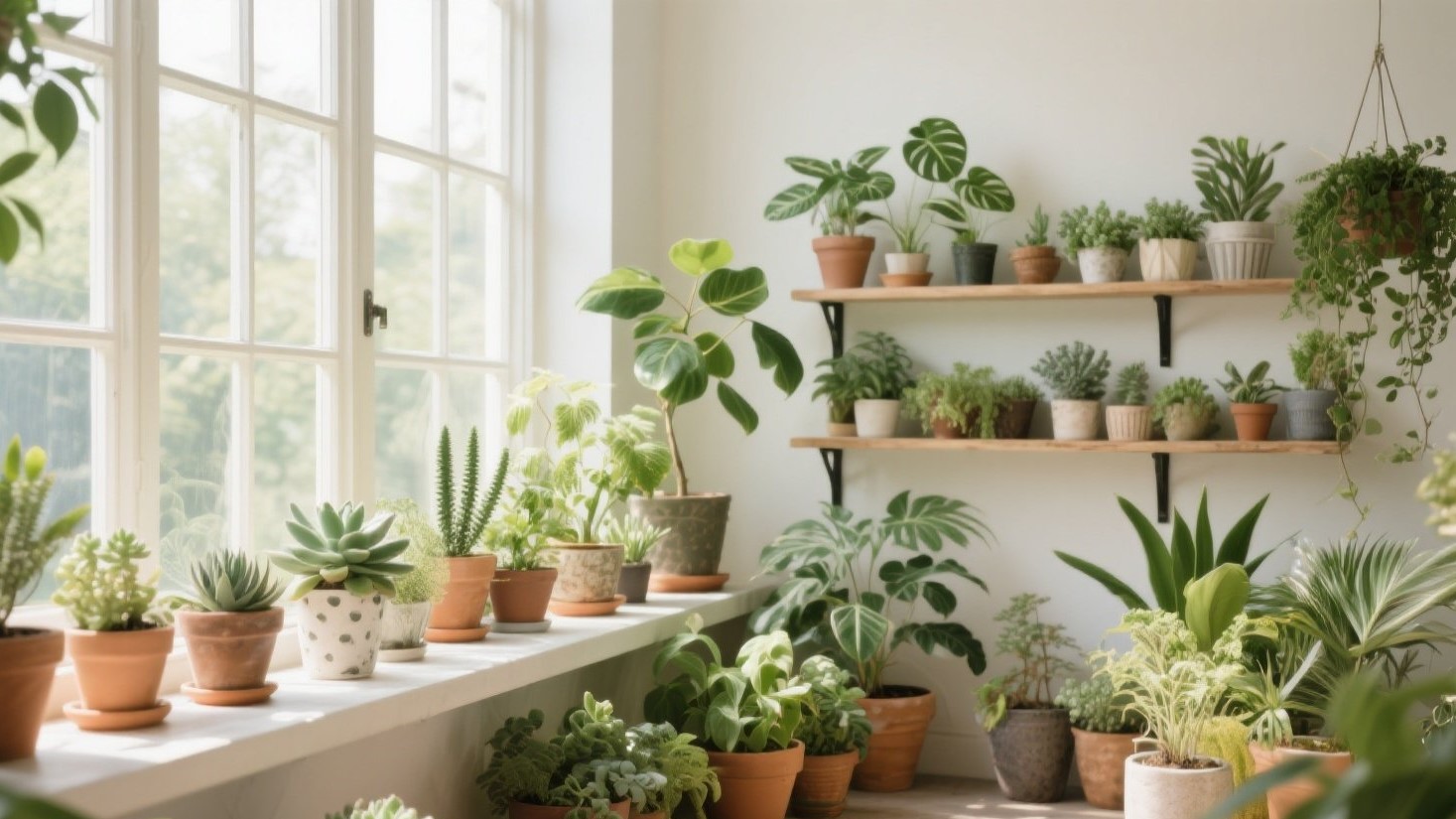
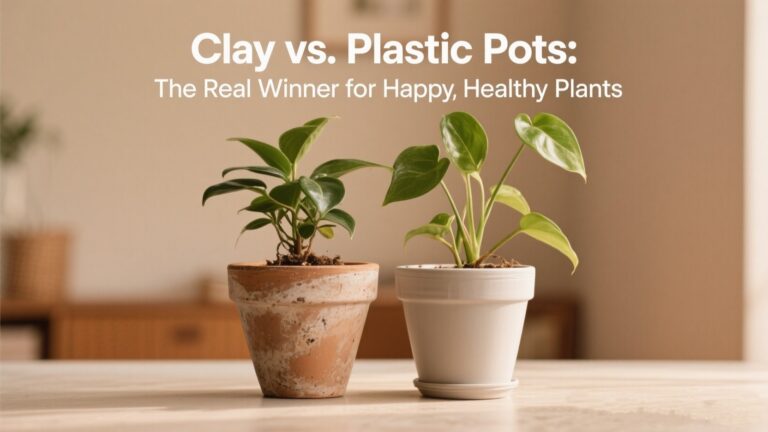
Clay (terracotta) pots are a timeless favorite among gardeners for their earthy look and natural breathability. They’re made from porous material that allows air and moisture to move freely through the walls. This helps prevent overwatering—a common cause of root rot—but also means water evaporates faster.
✅ Advantages of Clay Pots:
- Improved airflow: Roots can “breathe,” reducing fungal issues.
- Faster drying: Ideal for succulents, cacti, and Mediterranean herbs that hate soggy soil.
- Stable temperature: The thickness of clay provides a cooling effect in hot climates.
- Eco-friendly: Clay is natural, biodegradable, and can last for years with care.
⚠️ Disadvantages of Clay Pots:
- Frequent watering: Water loss through evaporation means more maintenance.
- Prone to cracking: Clay can break in freezing temperatures or if dropped.
- Heavy: Not ideal for large indoor collections or hanging planters.
- Salt buildup: Mineral deposits can form on the outside, requiring periodic cleaning.
Reddit users often note that clay is the best choice for plants that prefer drier conditions, such as snake plants, jade, or rosemary. However, it’s less suitable for moisture-loving species unless you’re vigilant with watering.
🪶 Plastic Pots: Lightweight and Low-Maintenance

Plastic pots have become the go-to for many indoor gardeners, especially beginners. They’re light, affordable, and excellent at retaining moisture—making them a safer option for those who tend to forget watering.
✅ Advantages of Plastic Pots:
- Moisture retention: Great for tropical plants and moisture-loving ferns.
- Durability: Resistant to cracks, chips, and weathering.
- Variety: Available in countless shapes, colors, and sizes.
- Budget-friendly: Perfect for large collections or propagation projects.
⚠️ Disadvantages of Plastic Pots:
- Poor airflow: Lack of breathability can lead to overwatering or root suffocation.
- Heat retention: Can trap warmth, which may stress roots in direct sun.
- Environmental impact: Non-biodegradable plastics contribute to waste if not recycled.
According to many Reddit gardeners, plastic is ideal for high-humidity plants like pothos, philodendron, or peace lilies. It also works well for people who live in dry climates or have busy schedules.
🌤️ The Verdict: Choose Based on Your Conditions
Instead of declaring a winner, the smarter approach is matching pot type to plant behavior and your environment. Here’s a quick guide:
| If You… | Choose Clay Pots | Choose Plastic Pots |
|---|---|---|
| Tend to overwater | ✅ Yes — allows quicker drying | ❌ Not ideal |
| Forget to water often | ❌ Too dry too fast | ✅ Retains moisture |
| Live in humid climate | ✅ Prevents soggy soil | ❌ May trap moisture |
| Have tropical plants | ❌ Might dry too quickly | ✅ Maintains humidity |
| Want lightweight options | ❌ Heavy and fragile | ✅ Light and easy to move |
| Care about aesthetics | ✅ Natural, rustic look | ✅ Modern, colorful choices |
Ultimately, many experienced Redditors recommend a hybrid strategy—use clay pots for succulents and drought-tolerant plants, and plastic for tropicals and water-lovers. This way, each plant thrives in its ideal micro-environment. 🌎✨
🧼 Bonus Tip: Pot Hygiene Matters
Regardless of material, always clean your pots before repotting. Wash with mild soap and water, and rinse thoroughly. For clay pots with salt buildup, soak in a vinegar-water solution for 30 minutes to dissolve mineral stains. Clean pots help prevent root rot, pests, and mold—extending the life of both plant and container.
🌿 Final Thoughts: It’s About Balance, Not Brand
The clay vs. plastic debate isn’t about picking sides—it’s about understanding your plants and how you care for them. Clay offers breathability and natural regulation, while plastic gives flexibility and moisture control. The right pot is one that fits your lifestyle as much as your plant’s needs.
As many Reddit gardeners say: “It’s not the pot that makes the plant thrive—it’s the gardener who knows what their plant needs.” 🌱💚