If your balcony garden feels more like a final resting place for potted plants, you’re not alone. Many urban gardeners start with enthusiasm, only to watch their greenery wilt, yellow, or dry out despite their efforts. Balcony gardening may look effortless in pictures, but in reality, it’s a delicate interplay of light, temperature, water, and soil—get one wrong, and your plants pay the price.
Let’s uncover the real reasons your balcony plants keep failing—and the practical, lasting fixes that will turn your space into a thriving green retreat.

1. Understand Your Balcony’s Microclimate
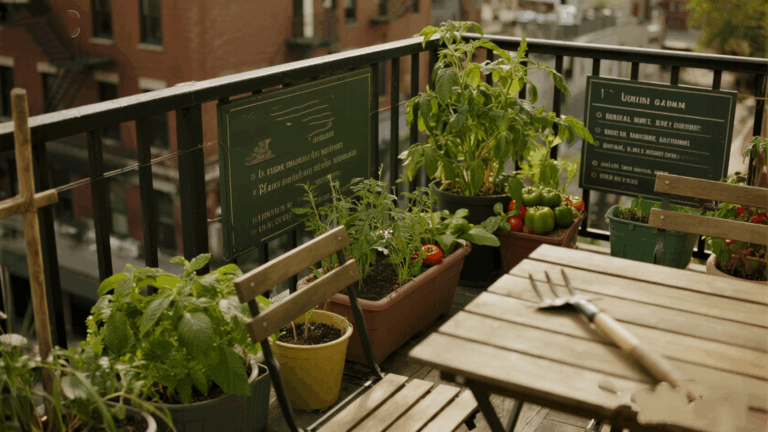
Balconies create their own “microclimates.” Sun exposure, wind intensity, humidity, and reflected heat can vary dramatically—even between two units in the same building.
A south-facing balcony might scorch plants in summer, while a north-facing one could struggle with dim light. Before planting, observe your space for a few days: note how many hours of sun it gets, whether it’s often windy, and how quickly surfaces heat up.
Once you understand your balcony’s conditions, you can select plants suited to that environment—instead of fighting nature.
2. The Container Problem: Too Small, Too Hot
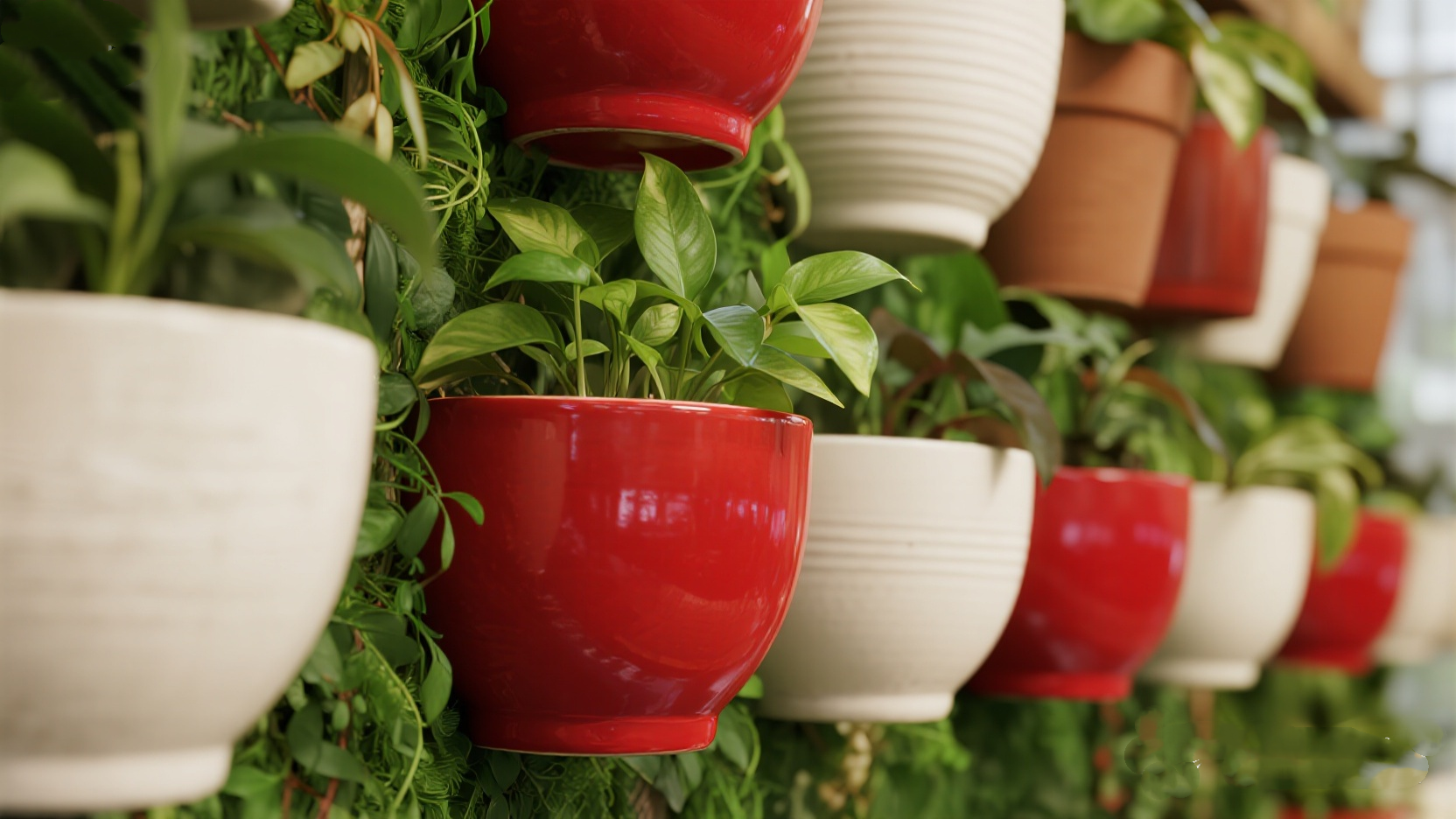
One of the most common reasons balcony plants die is poor container choice. Small pots dry out rapidly and leave roots vulnerable to temperature swings. Metal pots can overheat, while dark plastics absorb too much sun.
The fix:
- Choose larger containers—at least 10–12 inches deep—for healthier root systems.
- Opt for materials like ceramic or thick terracotta, which insulate better.
- Add a layer of mulch (such as coconut coir or straw) to keep soil temperature stable and conserve moisture.
As experienced container gardeners often note, the challenge with pots is how exposed they are to weather changes. Balcony gardening is all about buffering those extremes.
3. Overwatering vs. Underwatering
Potted plants depend entirely on you for water—and it’s easy to get it wrong. Many gardeners alternate between drowning their plants and letting them dry out completely.
The fix:
- Water deeply but less often to encourage strong root growth.
- Use the finger test: if the top inch of soil is dry, it’s time to water.
- Consider self-watering pots or drip irrigation if you’re often busy.
Shallow, frequent watering leads to weak roots. Less is often more—once you learn the rhythm.

4. Soil Is More Than Just Dirt
Regular garden soil is too heavy for containers. It compacts easily, traps moisture, and can suffocate roots. Always use a high-quality potting mix enhanced with perlite, vermiculite, or coco coir for drainage and aeration.
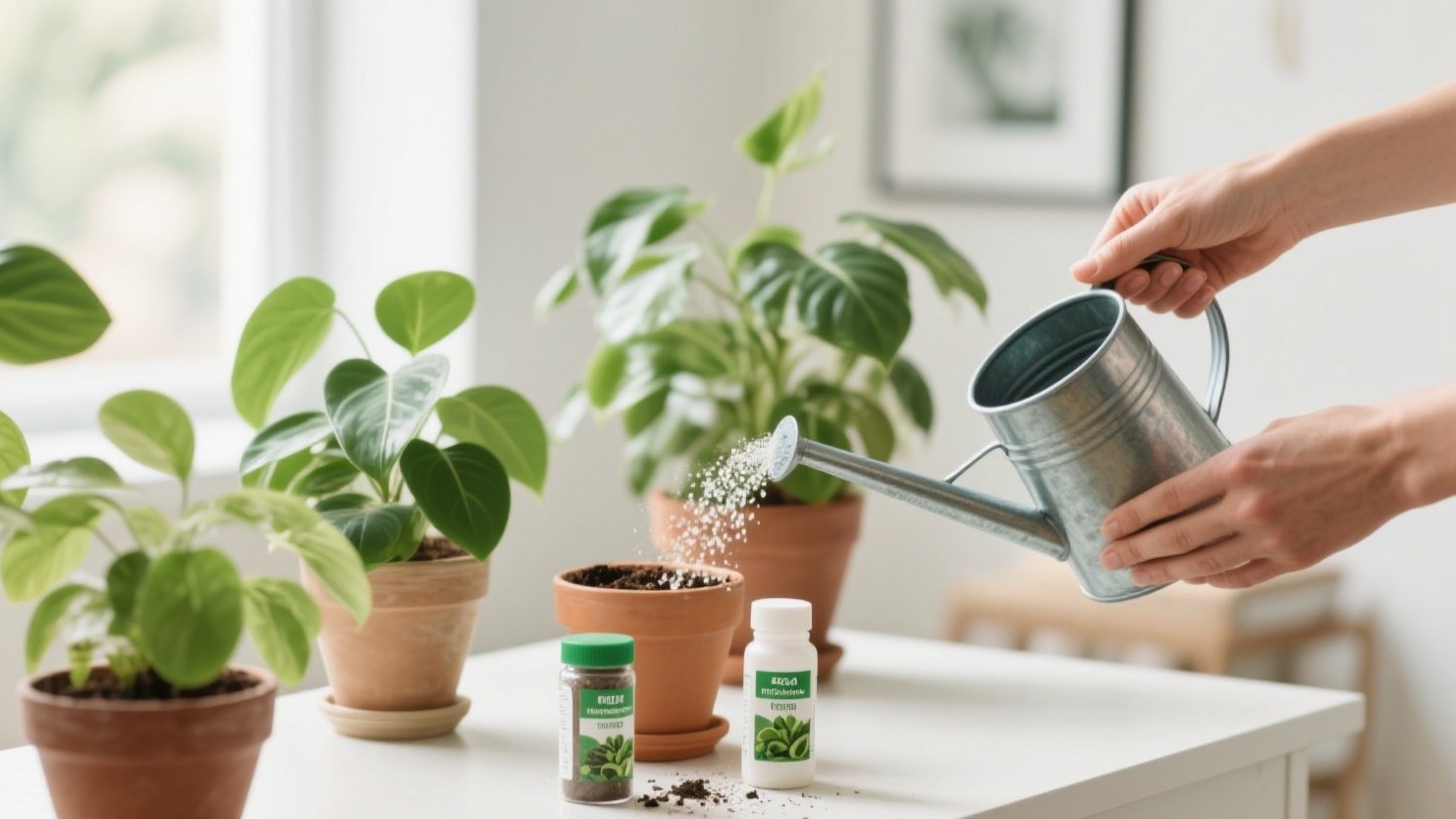
Also, refresh your soil each growing season—nutrients deplete quickly in containers. If leaves yellow despite correct watering, your plants may need feeding. A diluted organic liquid fertilizer every two weeks during the growth season can work wonders.
5. Light: Too Much or Too Little
Plants have strong preferences when it comes to light. Sun-loving tomatoes won’t thrive in shade, while shade-loving ferns will suffer in direct sun.
The fix:
- Sunny balconies: try rosemary, thyme, peppers, or succulents.
- Shady balconies: opt for ferns, peace lilies, begonias, or mint.
- If light is limited, use reflective surfaces or a small grow light to maximize what you have.
Match the plant to the place—it’s the simplest way to avoid light stress.
6. Wind and Temperature Stress
Wind is a silent plant killer on balconies. It dries leaves quickly, knocks over pots, and stresses plants through excess transpiration. Higher-floor balconies are especially exposed.

The fix:
- Use windbreaks like bamboo screens, trellises, or even taller plants as shelter.
- Choose heavier pots or secure lightweight ones to avoid tipping.
- During heatwaves, move sensitive plants closer to the wall or provide temporary shade.
7. Fertilizer Confusion
It’s easy to overfeed or underfeed. Too much fertilizer burns roots; too little leads to pale, stunted growth.
Stick to a regular but mild feeding schedule—for example, half-strength organic fertilizer every two weeks during active growth. Compost tea or worm castings are gentle options that enrich soil life without risk of burn.
8. Choose Plants Suited to Container Life
Not every plant thrives in a pot. Look for compact, resilient, and shallow-rooted varieties that adapt well to confined spaces:
- Herbs: basil, thyme, mint
- Vegetables: cherry tomatoes, lettuce, dwarf peppers
- Flowers: marigolds, petunias, nasturtiums
Combine trailing, upright, and bushy plants to create visual depth and make the most of your space.

9. Consistency Is Key
Balcony gardening rewards a gentle routine. Spend a few minutes each day checking soil moisture, removing dead leaves, and rotating pots for even light. This daily mindfulness not only helps your plants—it grounds you, too.
10. Every Setback Is a Lesson
Even experienced gardeners lose plants. Instead of seeing it as failure, treat it as feedback. Maybe the pot was too small, or the spot too windy—each mishap teaches you more about your unique growing environment.
Gardening in small spaces is less about perfection and more about learning and adapting.
Conclusion
Balcony gardening is one of the most fulfilling ways to bring nature into city life—but it asks for observation, patience, and a willingness to adjust. Once you understand your balcony’s microclimate and your plants’ real needs, you’ll move from frustration to flourishing. Your green oasis is closer than you think.