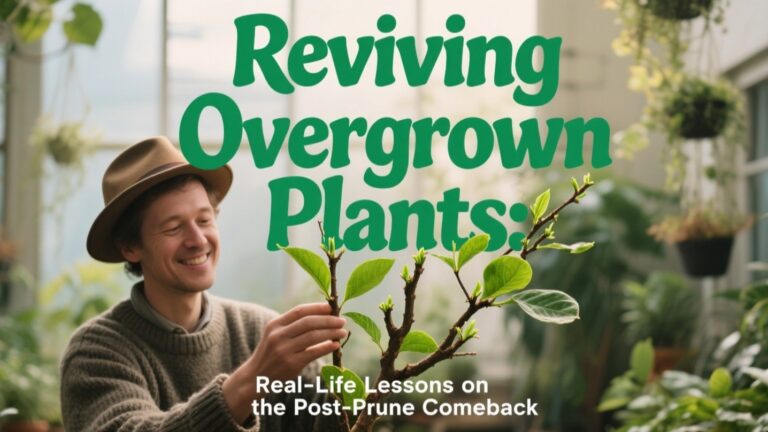
🌱 Introduction: When “Too Much” Pruning Feels Like a Mistake
We’ve all been there — standing over a once-lush plant that now looks like a collection of sad stubs after an overenthusiastic pruning session. ✂️ You meant well, but now you’re wondering, “Did I just kill it?”
Don’t panic — you’re not alone. On Reddit’s gardening communities like r/houseplants and r/gardening, countless plant lovers have shared their stories of cutting back too much, only to witness their plants make a stunning comeback.
This guide explores real recovery strategies based on those experiences — backed by plant biology, practical know-how, and a healthy dose of gardener patience. 🌿✨
🌾 Understanding What Happens After Heavy Pruning
When you prune a plant — especially aggressively — you’re not just removing leaves or branches. You’re forcing it to redistribute its stored energy into new growth points.
If done correctly, pruning helps plants:
- Develop stronger, healthier branches 🌱
- Produce more foliage and blooms 🌸
- Improve airflow and light penetration ☀️
But if you go too far or prune at the wrong time, you might trigger stress instead of growth. That’s why recovery care is just as important as the pruning itself.
💬 Real-Life Example: “My Pothos Looked Dead — Then It Bounced Back!”
A Reddit user shared how they trimmed their overgrown pothos down to only a few leaves per stem after months of neglect. Within three weeks of consistent watering, indirect sunlight, and no fertilizer, tiny green shoots began to emerge.
The key takeaway? 🌿
➡️ Healthy roots can regrow new life even when the top looks bare.
As long as the root system remains intact, your plant still has the energy reserves to recover — it just needs proper post-prune care.
🌤️ Step-by-Step: How to Help Plants Recover After Heavy Pruning
1. 🪴 Assess the Damage (Don’t Panic Yet)

Take a close look at what’s left:
- Are there green stems or leaves still attached?
- Do the stems feel firm, not mushy or brittle?
- Is the soil moist but not soggy?
If the roots and main stems are healthy, your plant still has a fighting chance.
2. 💧 Adjust Watering — Less Is Often More

After pruning, plants have fewer leaves to absorb water. Overwatering can quickly lead to root rot.
✅ Pro Tip:
- Water only when the top 1–2 inches of soil feel dry.
- Ensure proper drainage (no standing water in pots).
Many Reddit users note that their recovering plants thrived more when they reduced watering rather than increased it.
3. ☀️ Provide Gentle Light, Not Full Sun

Newly pruned plants are sensitive — they can burn easily under harsh sunlight.
🌤️ Move them to a bright, indirect light spot for at least 2–3 weeks. Once new growth appears, you can gradually move them back to their original lighting conditions.
4. 🌿 Hold Off on Fertilizer (For Now)

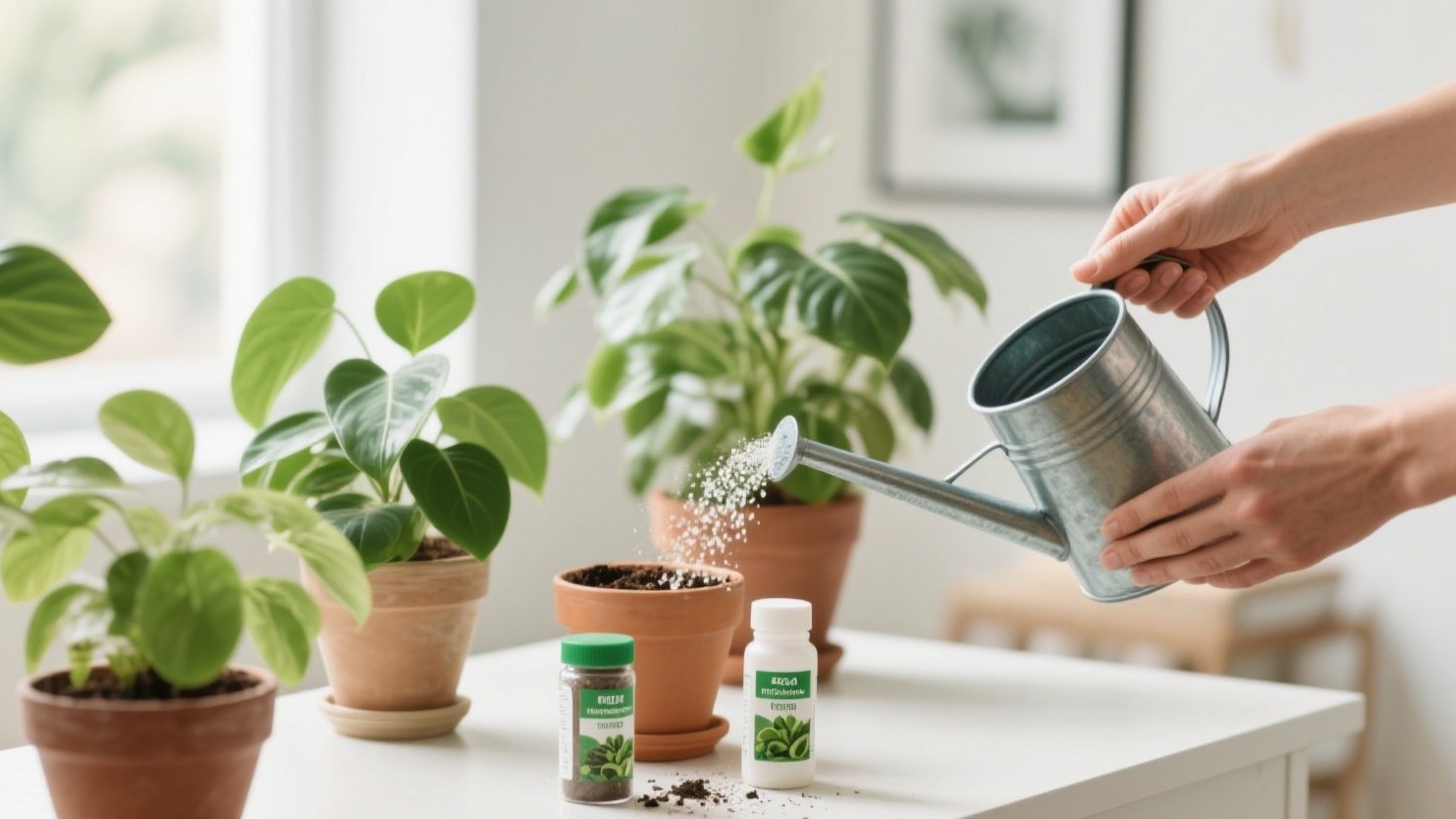
It’s tempting to feed your plant after pruning, but it needs time to heal before processing nutrients.
Wait until you see visible new growth — then reintroduce diluted fertilizer once a month. Over-fertilizing during recovery can damage tender new roots.
5. 🌬️ Improve Airflow and Cleanliness
Dusty leaves, poor air circulation, or crowded corners slow down recovery.
Wipe leaves gently, keep the soil surface clean, and provide some airflow with an open window or fan.
Good airflow helps prevent fungal issues — something that overwatered or stressed plants are prone to.
6. ⏳ Be Patient — Growth Takes Time
The most common thread in Reddit’s plant recovery stories? Patience.
Most users report seeing new growth between 2–6 weeks after a major prune. The timeline depends on plant type, season, and overall health.
🌱 As one user put it:
“I thought I’d killed my monstera, but three months later it came back stronger than ever. Plants are tougher than we think.”
🌼 Bonus: Signs Your Plant Is Recovering
Watch for these encouraging signs:
✅ Tiny new buds or leaf tips forming along the stem
✅ Firm, green stems (not limp or brown)
✅ Slow but steady new growth each week
✅ Leaves turning greener and thicker over time
If you’re seeing these — congratulations! Your plant is in comeback mode. 💪🌿
🪻 Case Highlights from Reddit Gardeners
🌿 Case 1: Spider Plant Revival
A user cut back all the leaves after pest damage. Within 4 weeks, fresh shoots appeared from the center, thriving with minimal watering and filtered light.
🌿 Case 2: Basil Over-Pruned
Another gardener cut basil stems too short — but by maintaining warm temperatures and removing flower buds, the plant regrew bushier than before.
🌿 Case 3: Ficus Tree Recovery
After losing 70% of its foliage, a ficus bounced back with new leaves once humidity was increased and the soil was allowed to dry between waterings.
These real-world results show that post-prune success depends on gentle care, light, and time — not quick fixes.
🌸 Final Thoughts: Growth Comes After the Cut
Pruning can look scary, but it’s one of the most transformative acts of care a gardener can perform. 🌿 What seems like loss is actually the beginning of renewal — plants often come back stronger, healthier, and more balanced after a trim.
So the next time you stand over your plant, scissors in hand, remember: the recovery is part of the process. With patience, sunlight, and mindful care, your “over-pruned” plant could soon be your proudest success story. 🌞🌱