If you’ve ever stood on your apartment balcony and thought, It’s too shady to grow anything, you’re not alone. Many urban gardeners start with that same doubt. But what begins as a dim and seemingly barren space can, with patience and creativity, become a lush retreat—a story that resonates with city growers around the world.
1. The Myth of the “Useless Balcony”
It’s a common assumption: if your balcony doesn’t get full sun, it can’t support a garden. Yet countless gardeners have shown that even spaces with just a few hours of indirect light can flourish. The key is to work with what you have, not against it.
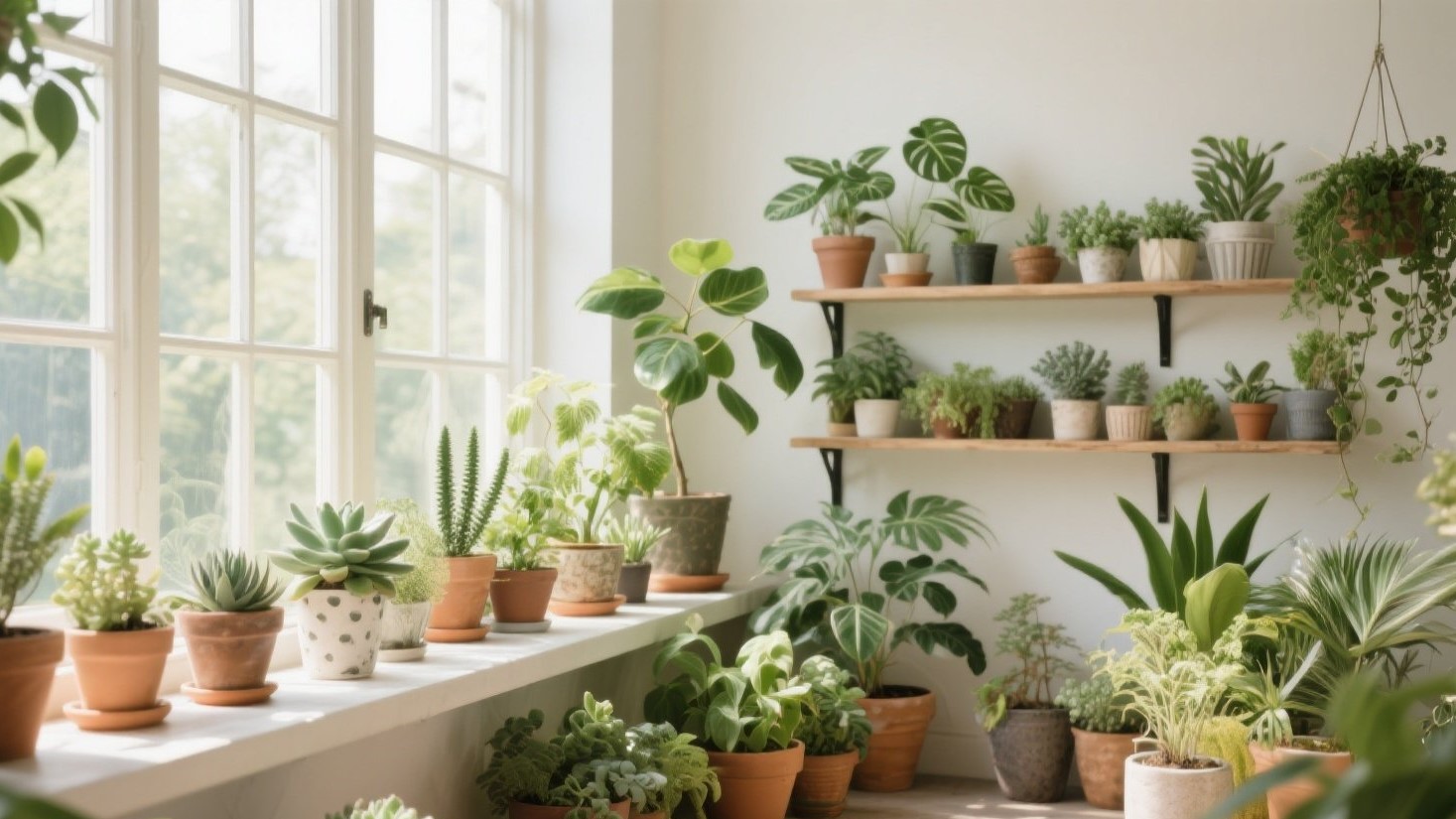
Plants like ferns, ivy, mint, chard, and certain strawberry varieties can thrive in partial shade. By choosing species adapted to lower light, you turn limitations into possibilities. What once felt like a disadvantage becomes a unique growing environment.

2. Designing for Microclimates
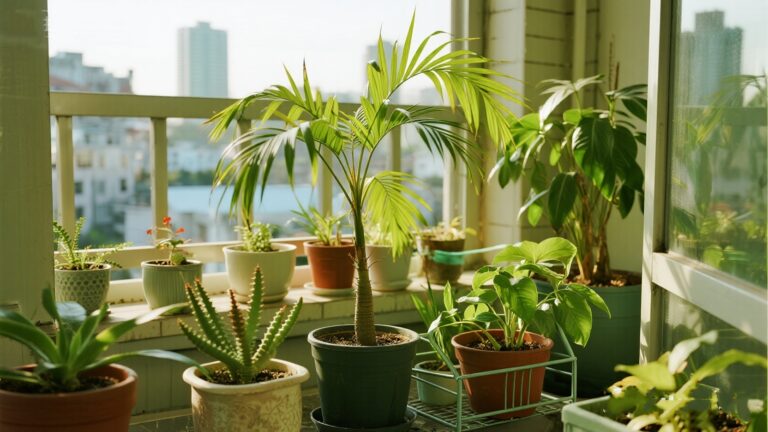
Every balcony has its own microclimate. A corner near the wall might stay cool and moist, while the railing catches more sun and wind. Observing these subtle differences helps you place plants where they’ll do best—rosemary on the sunny edge, delicate leafy greens in more protected spots.
Some gardeners use simple tricks to enhance light, like hanging a mirror or a reflective panel to direct extra sunshine toward their plants. One gardener shared, “A secondhand mirror changed everything—my herbs grew faster and greener almost overnight.”
3. Creative Use of Space
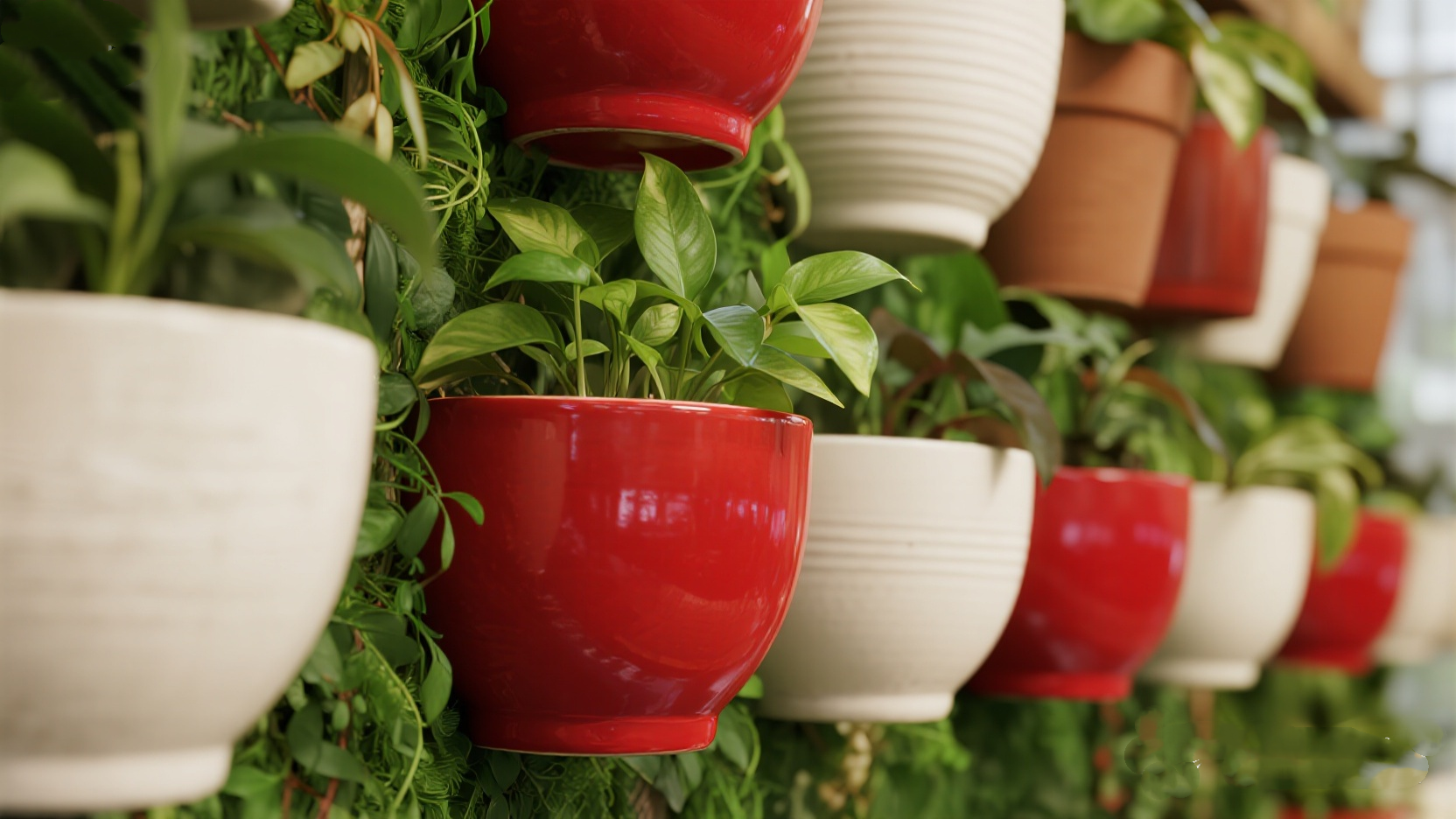
When square footage is limited, thinking vertically opens up new possibilities. Hanging planters, wall-mounted pockets, stacked crates, and even repurposed shoe organizers can host herbs, flowers, and small vegetables.
Layering plants of different heights and textures—tall grasses, trailing vines, bursts of floral color—creates a sense of abundance. You’re not just filling pots; you’re designing a living tapestry.

4. Building an Emotional Routine
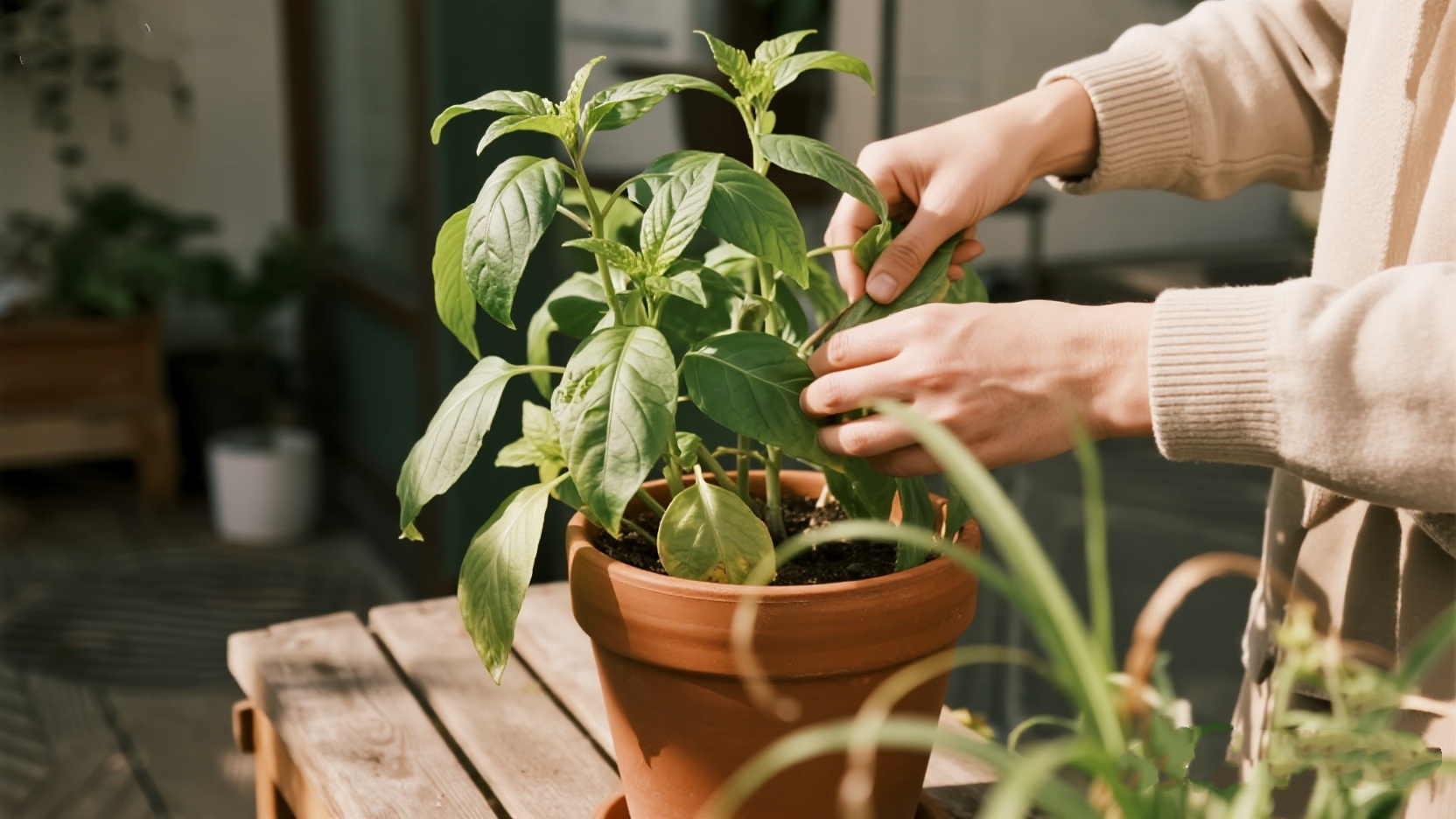
Beyond the visual beauty, balcony gardening offers something less tangible but just as valuable: a daily rhythm. For many, tending to plants becomes a form of meditation. “I water leaves instead of scrolling through screens,” one gardener reflected. This small ritual fosters presence and patience in a hurried world.
Caring for plants teaches us to notice—the way soil holds moisture, how new leaves unfurl, which stems lean toward the light. In nurturing green life, we often rediscover our own capacity for attention and care.
5. Overcoming Limitations
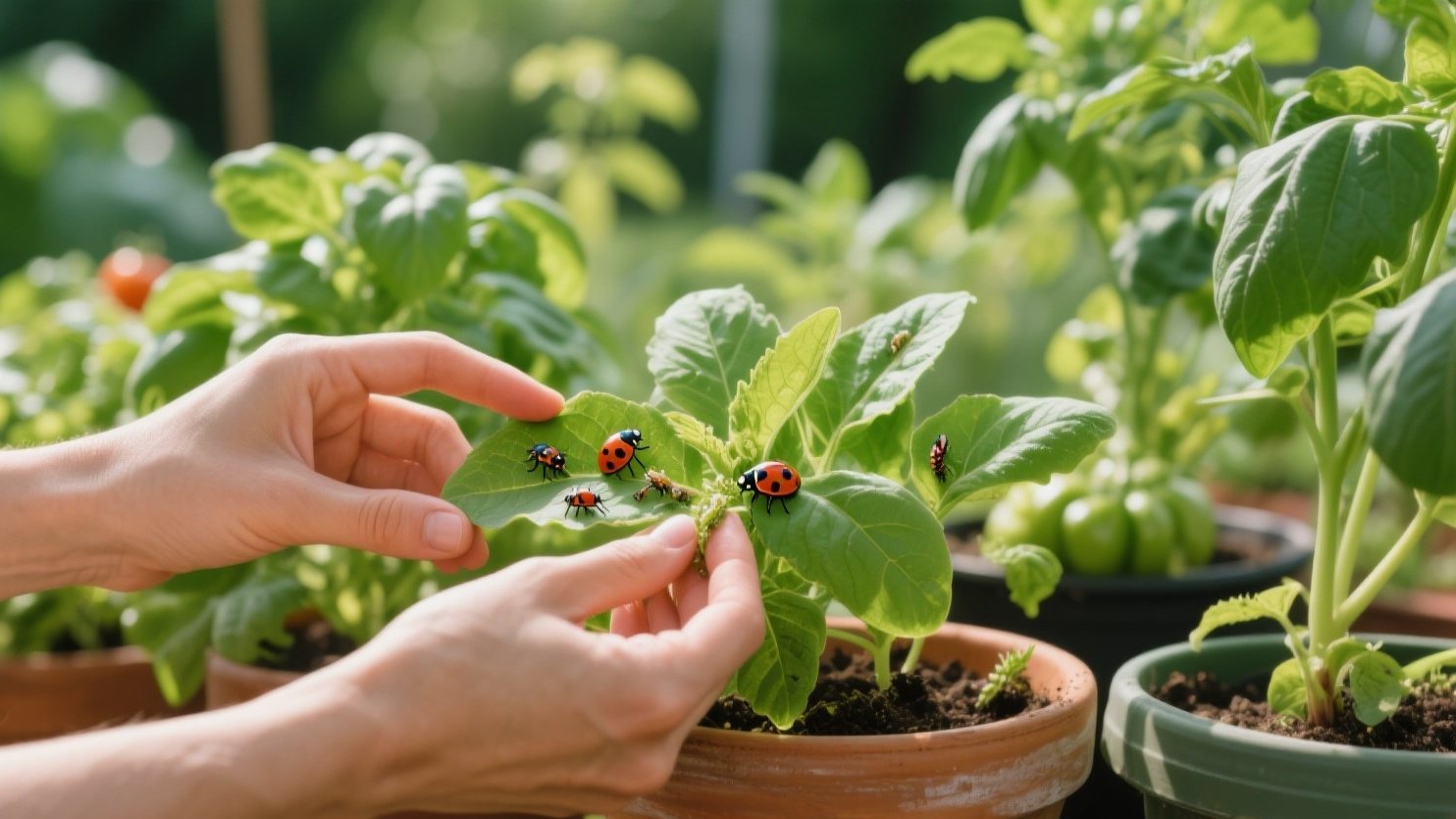
Not every plant will thrive, and that’s part of the process. Wilting basil, yellowing leaves, or unexpected pests are not failures—they’re lessons. As one gardener put it, “Every plant I’ve lost taught me something about drainage, light, or timing.”

Gardening deepens resilience. A setback with one crop can lead to success with another. Over time, you learn to read your space like a language, responding to its signals with more insight and flexibility.
6. Blending Function and Beauty
A balcony garden can be many things: a source of fresh herbs, a green sanctuary, a screen for privacy. By adding a small seat, soft lighting, or a weather-resistant rug, you create an outdoor room that blends productivity with peace.
It becomes a place to sip morning coffee, unwind after work, or share quiet moments alone or with others. When greenery grows around you, the balcony feels less like an extra space and more like a natural extension of home.
7. Watering Without Wasting
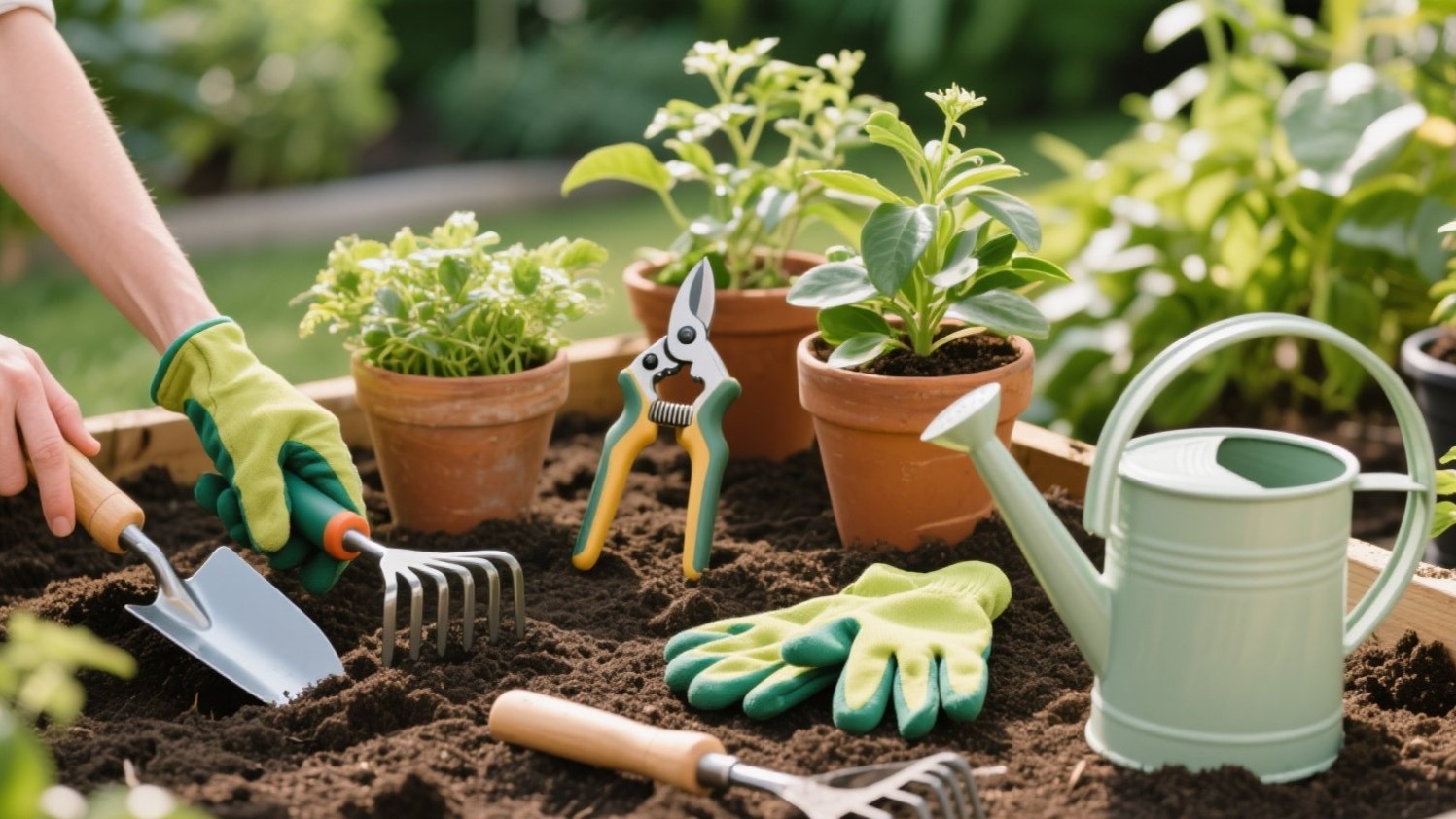
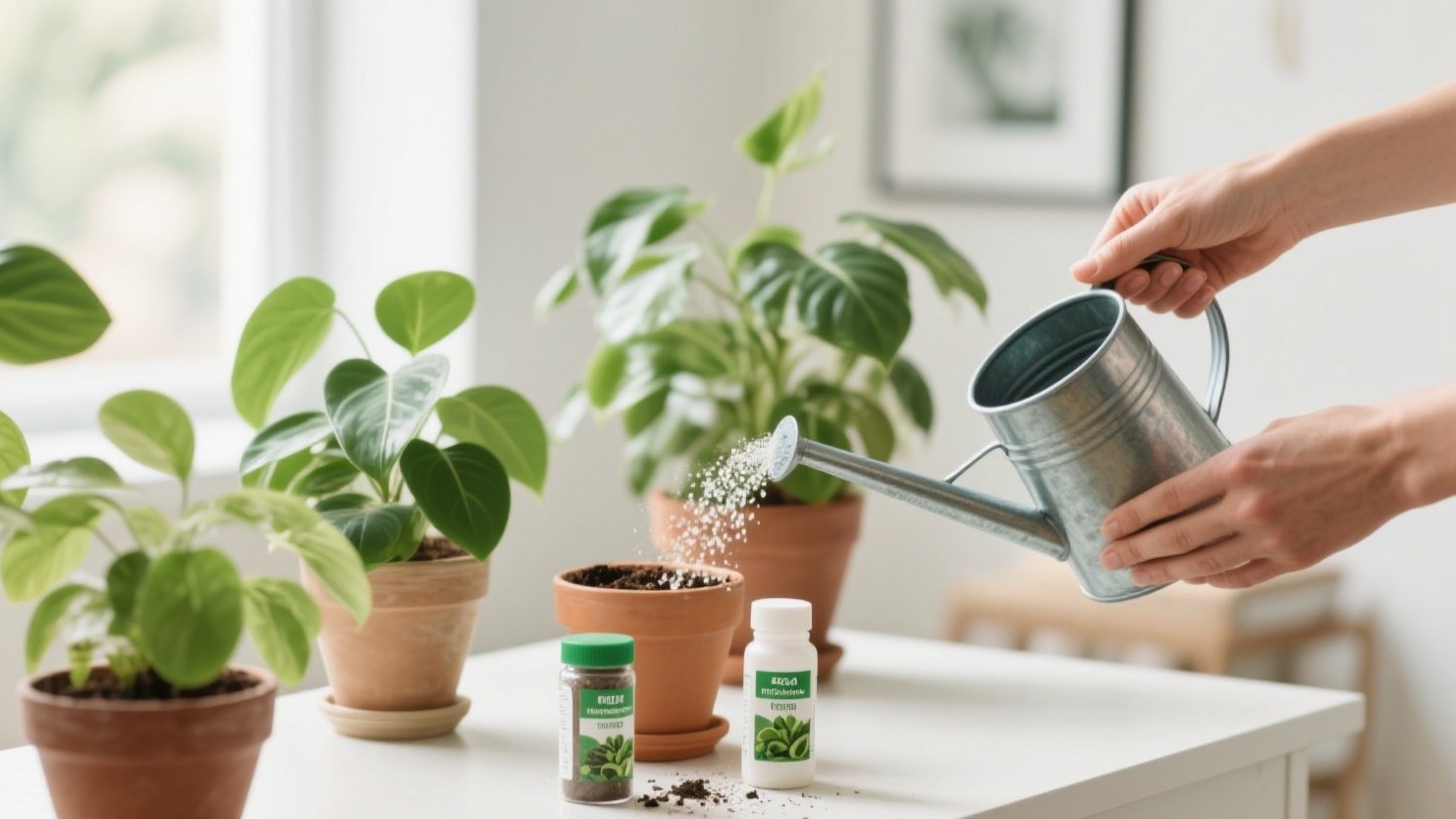
Without easy access to outdoor taps, balcony gardeners often become experts in resourcefulness. Many use watering cans or repurposed bottles, while some set up simple systems to collect rainwater—nature’s soft, free irrigation.
Grouping plants together helps maintain humidity, and adding a layer of mulch reduces evaporation. “When I started using straw mulch,” one gardener noted, “I cut my watering in half.” Small adjustments make care more efficient and eco-friendly.
8. Sustainability in Small Steps
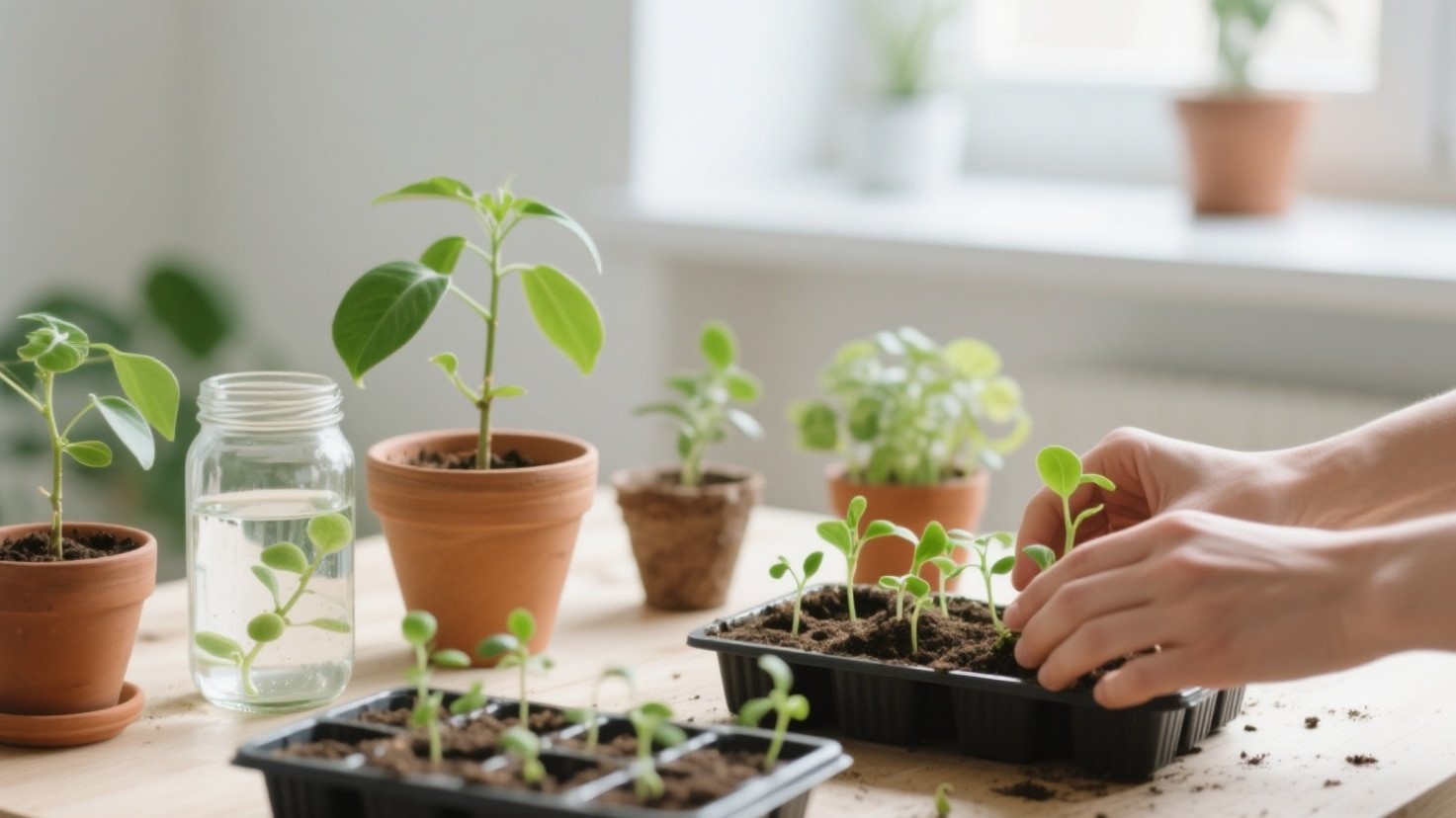
Balcony gardening naturally encourages recycling and reusing. Yogurt pots become seed starters, wooden crates turn into planters, and kitchen scraps feed homemade compost. This isn’t large-scale farming—it’s mindful living in miniature.
Each act of reuse feels like a quiet stand against waste. As one gardener expressed, “When I grow a seedling in a recycled container, it feels like I’m giving new life twice.”
9. A Year-Round Experience
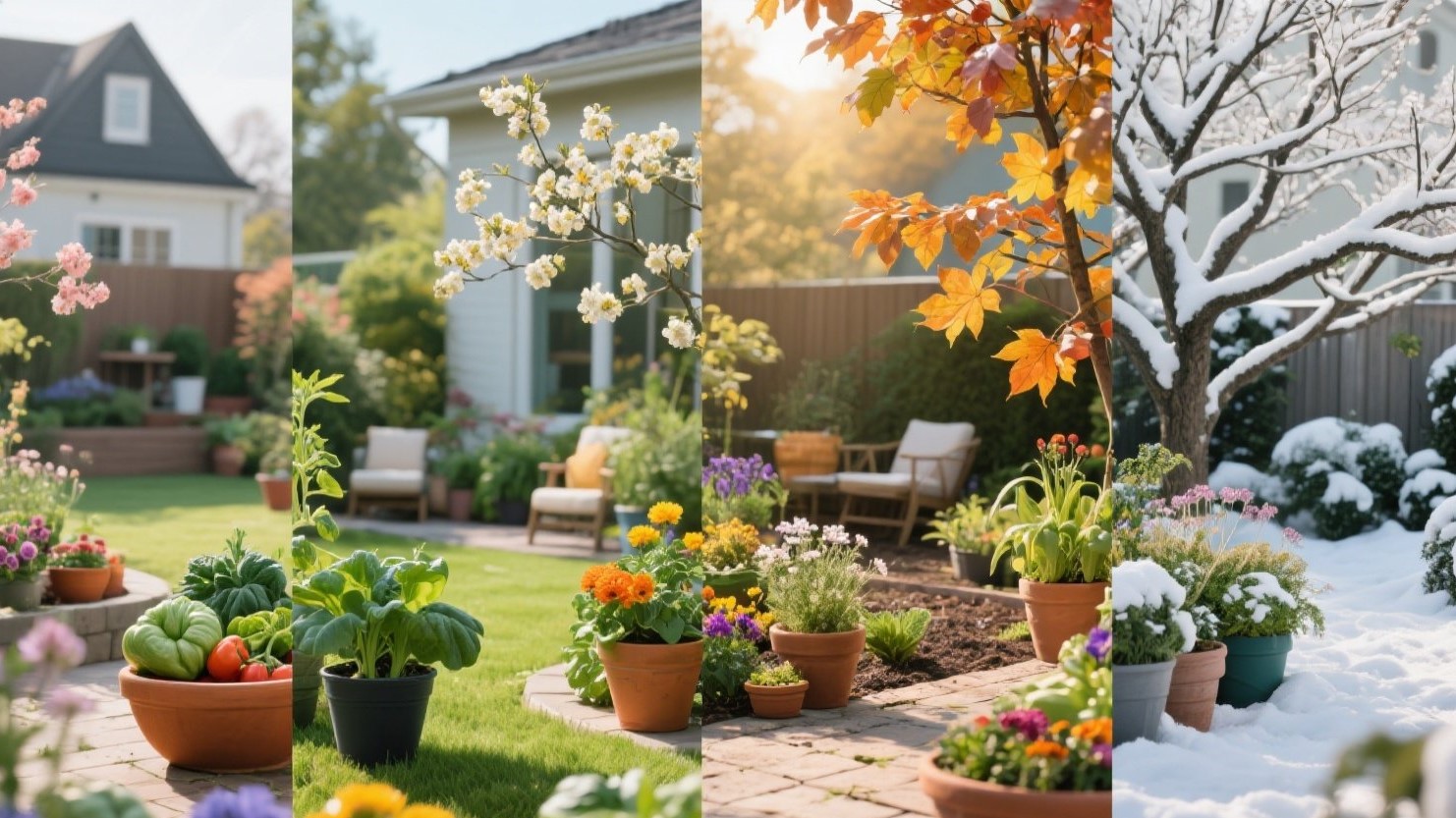
A balcony garden evolves with the seasons. Winter might mean hardy evergreens, succulents, or planning for spring under indoor lights. The garden isn’t gone—it’s resting, and so are you.
This cyclical rhythm teaches a gentle kind of resilience. Plants fade and return; so do we. There’s beauty in every phase, not only in harvest.
10. The Transformation
One gardener’s journey began with a balcony written off as “too dark.” By the end of the season, that same space held kale, mint, and strawberries—a small but vibrant oasis. The real growth wasn’t just in the plants, but in the gardener’s own sense of possibility.
That spirit—of encouragement, experimentation, and shared joy—is what connects urban gardeners everywhere. From Tokyo to Toronto, balconies, patios, and windowsills are being reimagined as pockets of green hope.
When a gray balcony turns green, it’s more than a cosmetic change. It’s a quiet revolution—a reminder that life finds a way, and so can we.