🌱 Introduction: Small Cuts, Big Impact
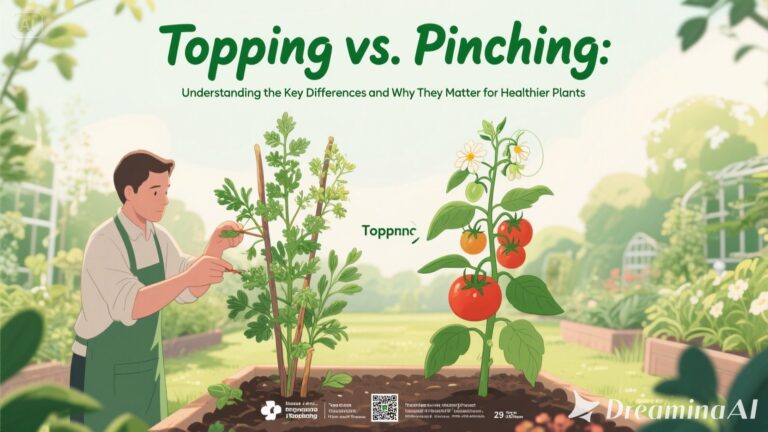
If you’ve ever wanted your houseplants, herbs, or garden vegetables to look fuller and healthier, you’ve likely come across the terms “topping” and “pinching.” Though they may sound similar, these techniques play distinct roles in shaping how plants grow — affecting not just appearance, but productivity and strength.
Both methods involve removing parts of a plant to encourage new growth, yet each has unique effects on structure and development. Understanding when and how to apply them can mean the difference between a leggy, uneven plant and a lush, well-balanced one. 🌿
Let’s break down what topping and pinching really mean, how they differ, and why these simple techniques are so important for any gardener — from beginner to seasoned grower.
✂️ What Is Pinching?

Pinching is one of the gentlest forms of pruning — and it’s exactly what it sounds like! It involves using your fingers (or small scissors) to remove the soft growing tip of a plant’s stem.
When you pinch off this topmost part, you’re redirecting the plant’s energy from upward growth to sideways growth, prompting it to sprout new branches or leaves below the cut.
🌿 Benefits of Pinching:
- Encourages bushier, fuller growth
- Helps maintain a compact shape (great for herbs and houseplants)
- Promotes more flower buds or foliage in flowering species
- Prevents plants from growing tall and spindly
🪴 Best Plants to Pinch:
- Basil, mint, oregano, and other herbs 🌿
- Coleus and impatiens (for lush foliage)
- Petunias and zinnias (for more blooms)
🌸 How to Do It:
- Wait until your plant has at least 3–4 sets of leaves.
- Use clean fingers or small scissors to remove the top 1–2 inches of the new growth.
- Avoid damaging the surrounding leaves.
- Repeat every few weeks during active growth for best results.
✅ Pro Tip: Always pinch just above a leaf node (where leaves join the stem). This is where new shoots will emerge!
🌿 What Is Topping?

Topping is a more aggressive version of pruning — used primarily for larger, woody, or fast-growing plants like tomatoes, peppers, or cannabis.
It involves cutting off the main central stem of a plant once it has developed several sets of leaves. This interrupts the plant’s natural “apical dominance” — the tendency to focus all energy on upward growth.
By removing the top, you encourage the plant to develop multiple main stems, leading to a stronger, wider, and often more productive structure.
🌾 Benefits of Topping:
- Creates multiple main branches for increased yield
- Prevents plants from becoming too tall or top-heavy
- Improves light penetration and airflow
- Encourages balanced growth and sturdier stems
🌻 Best Plants to Top:
- Tomato and pepper plants 🍅
- Cannabis plants (for controlled indoor height) 🌿
- Certain shrubs or trees that need shape management
🌱 How to Do It:
- Wait until the plant has at least 5–6 nodes (sets of leaves).
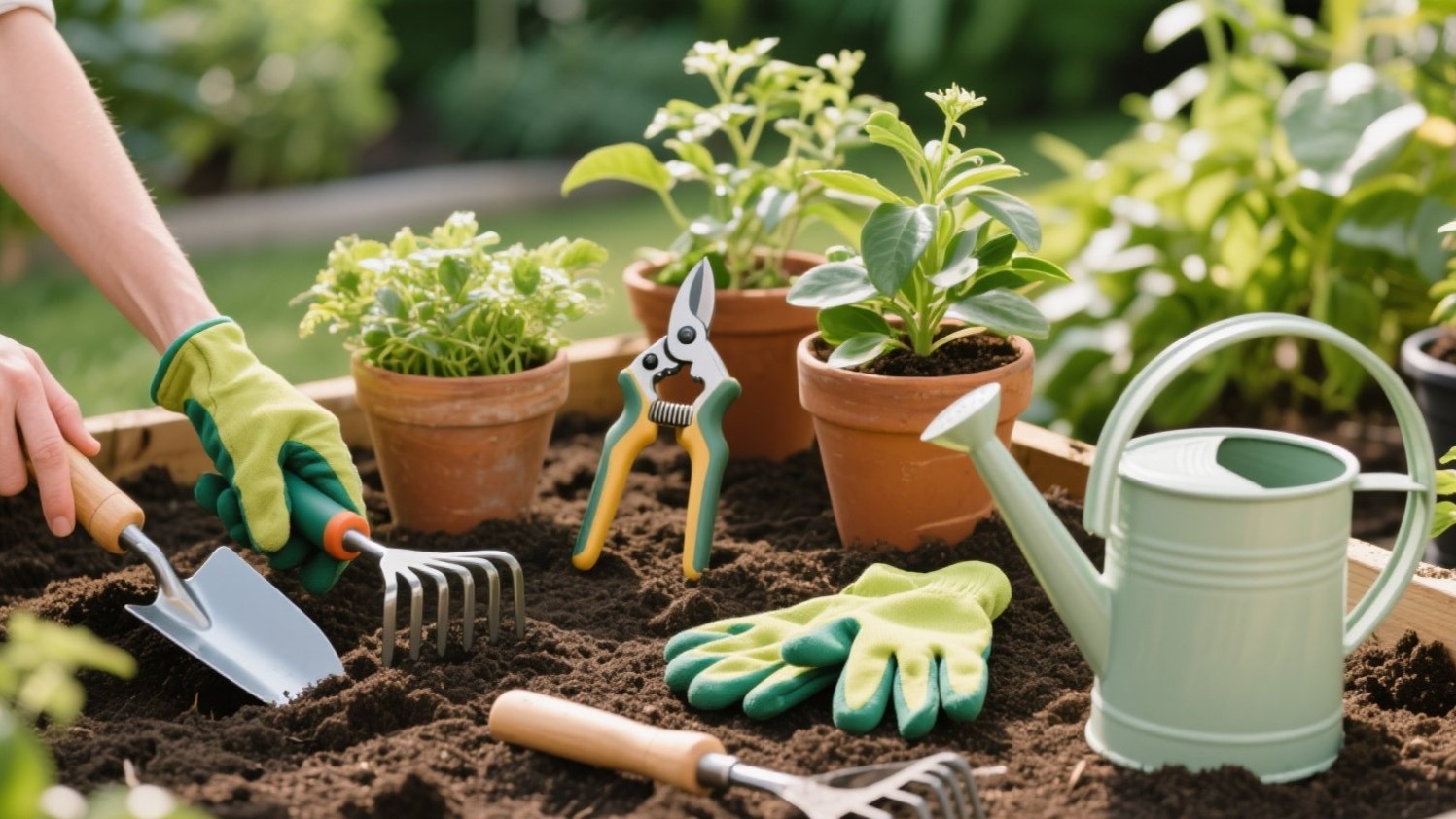
- Using sterilized pruning shears, make a clean cut above a node.
- Allow 1–2 weeks for new side shoots to emerge.
- Support your plant with stakes or cages if needed.
⚠️ Note: Topping can stress a plant if done too early or too often. Always ensure your plant is healthy and growing vigorously before topping.
🌼 The Science Behind Both Techniques
Both topping and pinching are ways to manipulate a plant’s hormones — specifically auxins, which control the direction of growth.
When the top growing point (the apical bud) is removed, the concentration of auxins in that area drops. This allows dormant buds along the stem to “wake up” and start producing new shoots.
In short:
- Pinching = gentle encouragement for lateral growth.
- Topping = bold restructuring for stronger, multi-stemmed plants.
Think of pinching as a trim and topping as a haircut! 💇♂️🌿
🪴 When to Use Each Technique
| Technique | Best For | Timing | Goal | Tools |
|---|---|---|---|---|
| Pinching | Herbs, annual flowers, soft stems | Early or mid-growth | Bushier, denser plant | Fingers or small snips ✂️ |
| Topping | Tomatoes, peppers, shrubs, cannabis | Mid-growth or once mature enough | Multiple stems, controlled height | Pruning shears 🌿 |
🌞 Common Mistakes to Avoid
🚫 Over-pruning: Cutting too much at once can stress the plant.
🚫 Dirty tools: Always sterilize scissors or shears to prevent infection.
🚫 Wrong timing: Don’t pinch or top when plants are weak or recently transplanted.
🚫 Ignoring recovery time: Allow plants a week or two to regrow before pruning again.
🌸 Final Thoughts: Shaping Growth with Intention
Both topping and pinching are more than just trimming techniques — they’re ways to communicate with your plants. You’re teaching them how to grow stronger, fuller, and more balanced.
Whether you’re nurturing a basil plant on your windowsill or managing a full backyard garden, mastering these two methods can transform your results. 🌿
Remember: healthy pruning = healthy plants = happier gardener. 🌞🌱