🌱 Introduction: The Living Foundation Beneath Every Garden
Most new gardeners think feeding plants means pouring fertilizer and watching them grow. But here’s the truth every experienced gardener knows: healthy plants start with healthy soil — not synthetic nutrients.
Soil isn’t just dirt. It’s a living ecosystem made up of minerals, organic matter, fungi, and billions of beneficial microbes working in harmony. When you feed the soil, you’re actually nurturing an entire underground community that keeps your plants strong, disease-resistant, and self-sustaining.
The secret to a lush, long-lasting garden isn’t found in a fertilizer bottle — it’s in how well you care for what’s beneath your feet.
Let’s dig in. 🌾
🌾 1. Why Feeding the Soil Matters More Than Feeding the Plant
Think of soil as your garden’s digestive system. Just as your gut breaks down food to provide your body with nutrients, soil organisms break down organic material to supply plants with what they need.
When you only “feed” plants with synthetic fertilizers, they get a quick nutrient boost — but the soil gets weaker over time. This leads to:
- Nutrient depletion
- Poor soil structure
- Reduced microbial activity
- Increased pest and disease problems
But when you focus on feeding the soil, you create a self-renewing system that keeps nutrients cycling naturally. Your plants get stronger, your yields improve, and your need for fertilizers drops dramatically.
Healthy soil = healthy plants = fewer problems. 🌿
🪱 2. The Life Beneath the Surface: What’s in Healthy Soil
It’s easy to forget, but soil is alive. A teaspoon of good garden soil can contain more living organisms than there are people on Earth.
These include:
- Bacteria and fungi that break down organic matter
- Earthworms that aerate and mix the soil
- Protozoa and nematodes that regulate microbe populations
- Mycorrhizal fungi that form symbiotic networks with plant roots
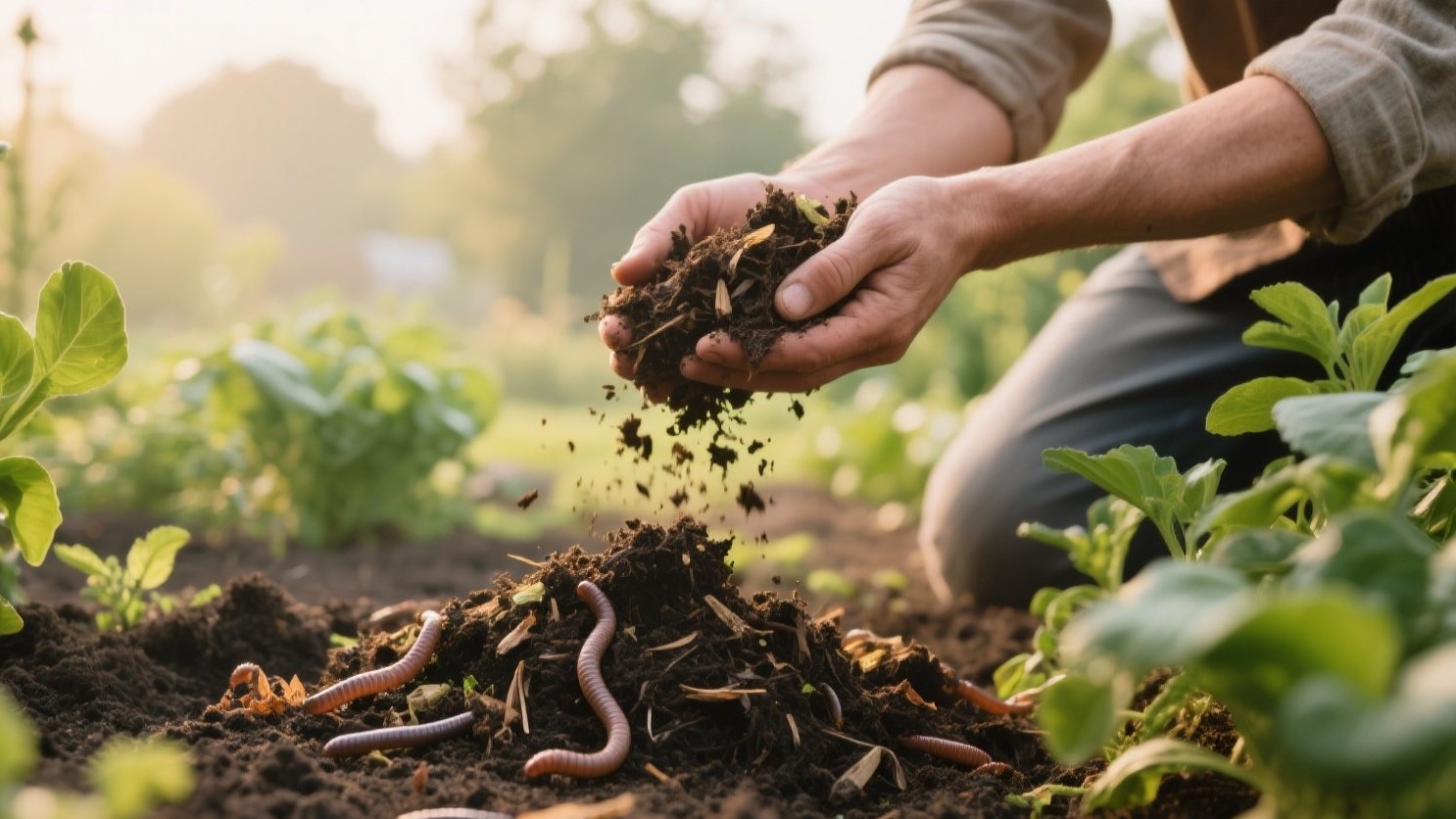
This invisible network transforms dead material into usable nutrients, improves soil texture, and helps retain moisture. When you nurture these organisms, you’re creating a living, breathing foundation for your garden to thrive on.
🌿 3. How to Feed Your Soil (and Keep It Alive)
Feeding soil means adding organic matter — anything that once lived. This includes compost, decayed leaves, grass clippings, and even kitchen scraps.
Here are simple ways to enrich your soil naturally:
🧺 a. Add Compost Regularly
Compost is the ultimate soil superfood. It adds nutrients, improves structure, and boosts microbial life.
- Add a 1–2 inch layer of compost to your garden beds every season.
- For pots or containers, mix compost with your potting soil before planting.
🍂 b. Use Mulch as a Protective Blanket
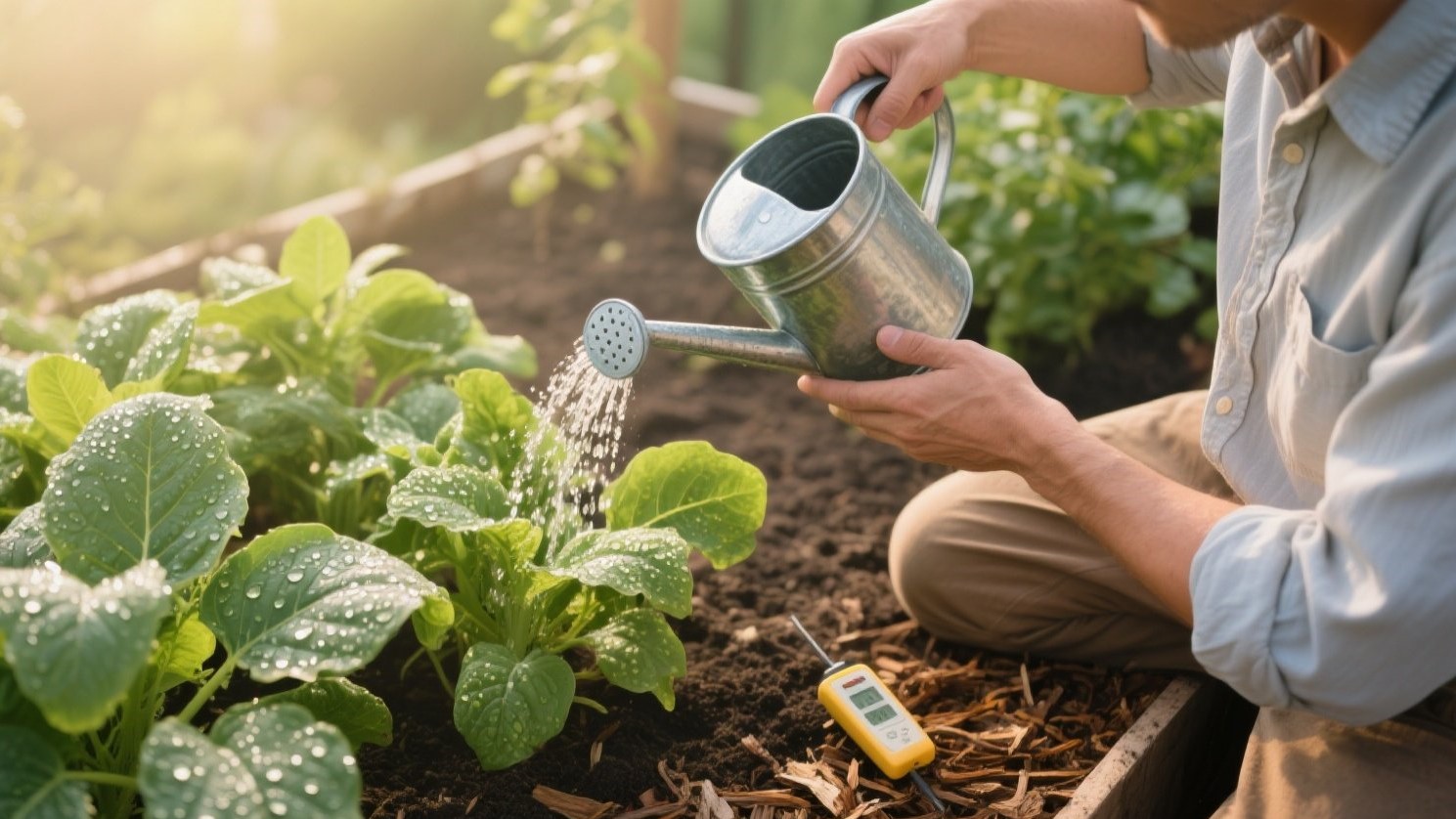
Organic mulch (like straw, wood chips, or leaves) conserves moisture and breaks down slowly, feeding the soil over time.
- Keep a 2–3 inch layer on top of your soil.
- Avoid piling mulch directly against plant stems to prevent rot.
🌾 c. Rotate and Diversify Plants
Different plants use and return different nutrients. Rotating crops each season keeps the soil balanced and prevents depletion.
Example: Follow heavy feeders (like tomatoes) with nitrogen-fixing plants (like beans).
🌱 d. Avoid Chemical Overuse
Pesticides and synthetic fertilizers kill beneficial organisms and compact the soil over time. Use them sparingly — or better yet, replace them with organic alternatives like neem oil or compost tea.
♻️ 4. DIY Composting: Turning Waste into Garden Gold
Composting is simpler than it looks — and it’s one of the most sustainable things you can do. Here’s how to start your own compost pile:
🧩 Ingredients:
- “Greens” (Nitrogen-rich): Fruit & veggie scraps, coffee grounds, grass clippings.
- “Browns” (Carbon-rich): Dry leaves, shredded paper, cardboard, twigs.
⚖️ Balance:
Aim for about 1 part greens to 2 parts browns. Too many greens = bad smell. Too many browns = slow decomposition.
🔄 Steps:
- Start with a layer of browns (to help airflow).
- Add greens, then cover with more browns.
- Keep the pile damp — like a wrung-out sponge.
- Turn the pile every 1–2 weeks to aerate.
In 2–3 months (depending on conditions), you’ll have dark, crumbly compost that smells like fresh earth — that’s “black gold” for your garden.
🌤️ 5. The Science of Organic Matter: Long-Term Soil Fertility
When you add compost or mulch, you’re not just feeding plants temporarily — you’re building soil structure for the long term.
Organic matter improves:
- Nutrient retention: Keeps fertilizers from washing away.
- Water-holding capacity: Reduces the need for frequent watering.
- Soil aeration: Prevents compaction and allows roots to breathe.
- Microbial diversity: Creates resilience against disease.
Over time, you’ll notice your soil becoming darker, richer, and easier to work with. That’s the sign of truly living soil.
🪴 6. Common Mistakes to Avoid
Even the most enthusiastic gardeners sometimes make these soil-damaging errors:
🚫 Over-tilling: Disturbs soil structure and kills beneficial organisms.
🚫 Using chemical fertilizers too often: Creates nutrient imbalances and dependency.
🚫 Leaving soil bare: Leads to erosion and moisture loss.
🚫 Composting meat or oily food scraps: Causes bad odors and pests.
The goal isn’t perfection — it’s consistency. A few mindful habits can transform your soil in a single season.
🌸 Final Thoughts: Nurture What’s Beneath the Surface
The best gardens don’t grow from chemicals — they grow from care, patience, and life underground.
When you feed the soil, you’re not just growing plants; you’re growing an entire ecosystem that will reward you year after year.
So the next time you grab a bag of fertilizer, pause for a moment and ask: “What does my soil need to stay alive?”
Because when the soil thrives, everything above it flourishes. 🌻🌍