
The Fiddle Leaf Fig (Ficus lyrata) has become one of America’s most popular houseplants, known for its dramatic, violin-shaped leaves and architectural form. While it has a reputation for being finicky, it’s actually quite resilient when you understand its basic needs. Here’s your complete guide to keeping your fiddle leaf fig healthy and beautiful.
1. Light: Bright, Indirect Light is Essential
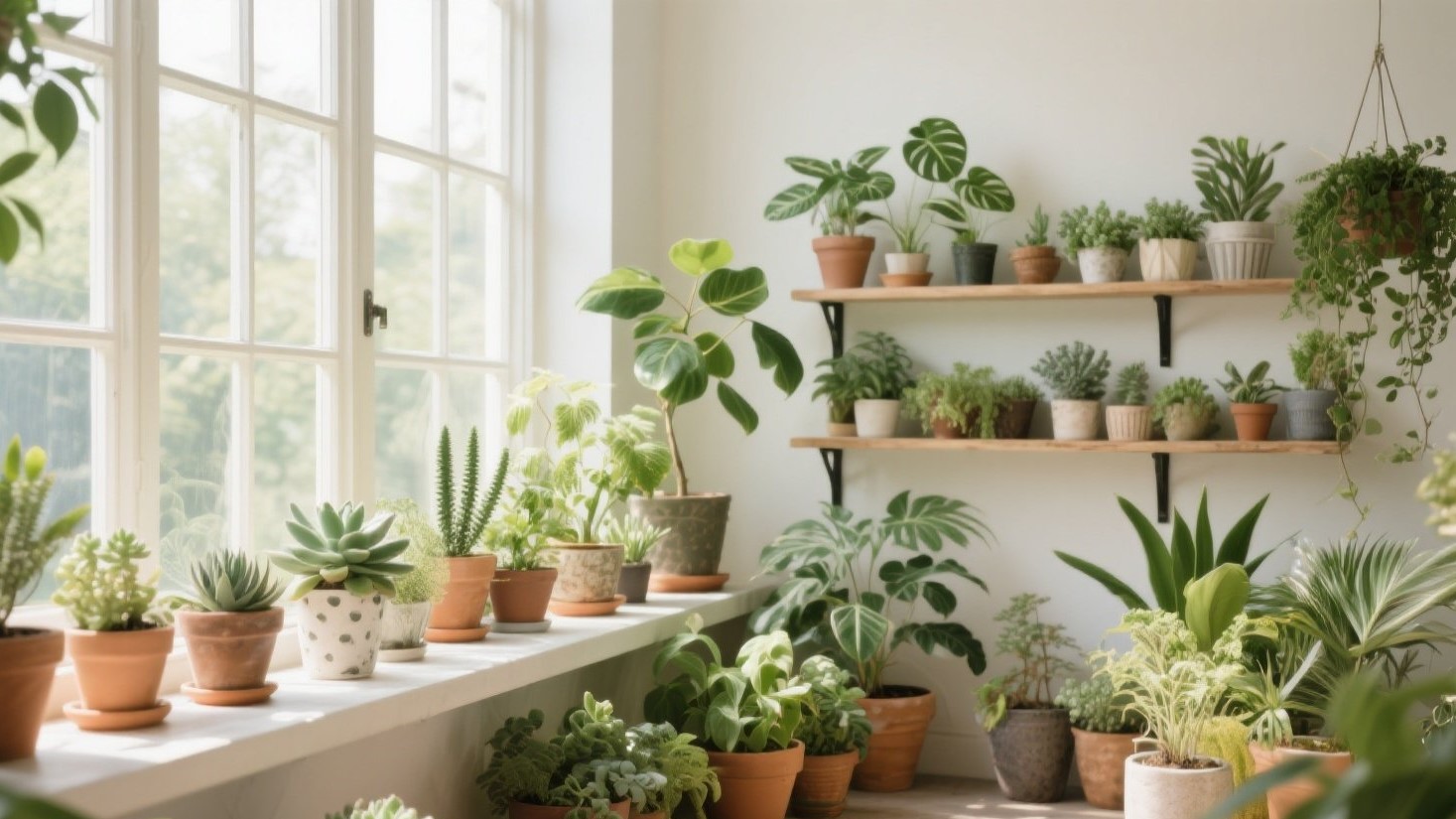
- Ideal Location: Place near an east or south-facing window with bright, filtered light
- Light Requirements: Needs 4-6 hours of bright, indirect sunlight daily for optimal growth
- Avoid: Direct afternoon sun that can scorch leaves, or deep shade that causes leaf drop
- Pro Tip: Rotate the plant weekly for even growth and to prevent leaning
2. Watering: The “Soak and Dry” Method
- Watering Rule: Water when the top 2-3 inches of soil feel dry
- Proper Technique: Water thoroughly until it drains from the bottom, then empty the saucer
- Seasonal Adjustment: Water more frequently in summer (every 7-10 days) and reduce in winter (every 2-3 weeks)
3. Soil and Repotting
- Soil Type: Use a well-draining potting mix with added perlite or orchid bark
- Repotting: Repot every 2-3 years in spring when roots circle the pot
- Container Size: Move to a pot only 2-3 inches wider than the root ball
4. Temperature and Humidity
- Ideal Temperature: 65-75°F during the day, above 60°F at night
- Humidity: Prefers 40-60% humidity. Use a humidifier or pebble tray if leaf edges brown
- Avoid: Drafts from windows, doors, and heating/cooling vents
5. Feeding for Healthy Growth
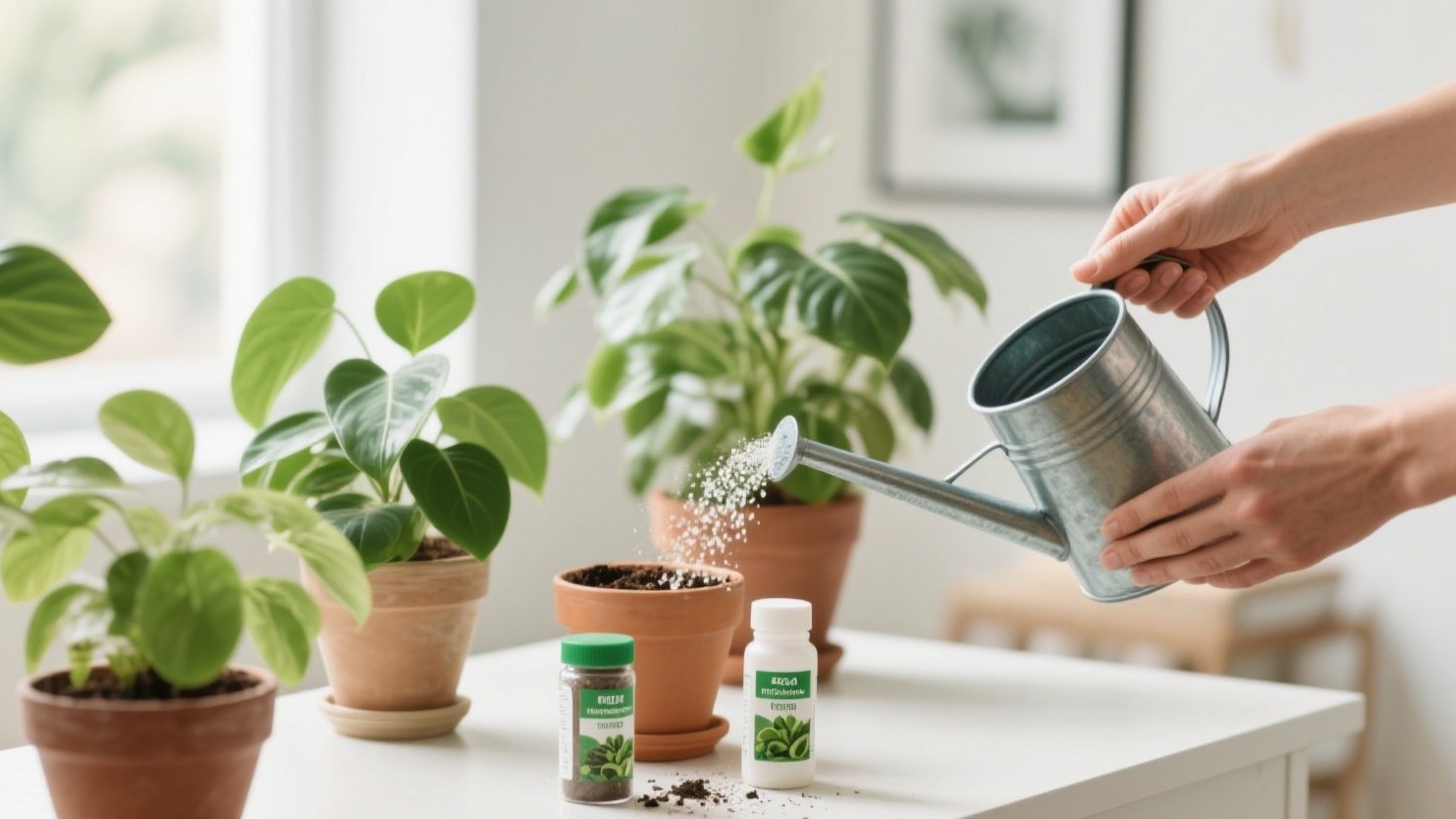
- Growing Season (Spring-Fall): Feed monthly with balanced liquid fertilizer
- Winter: Reduce feeding to every 6-8 weeks
- Organic Option: Use worm castings or compost as a gentle nutrient source
6. Pruning and Maintenance
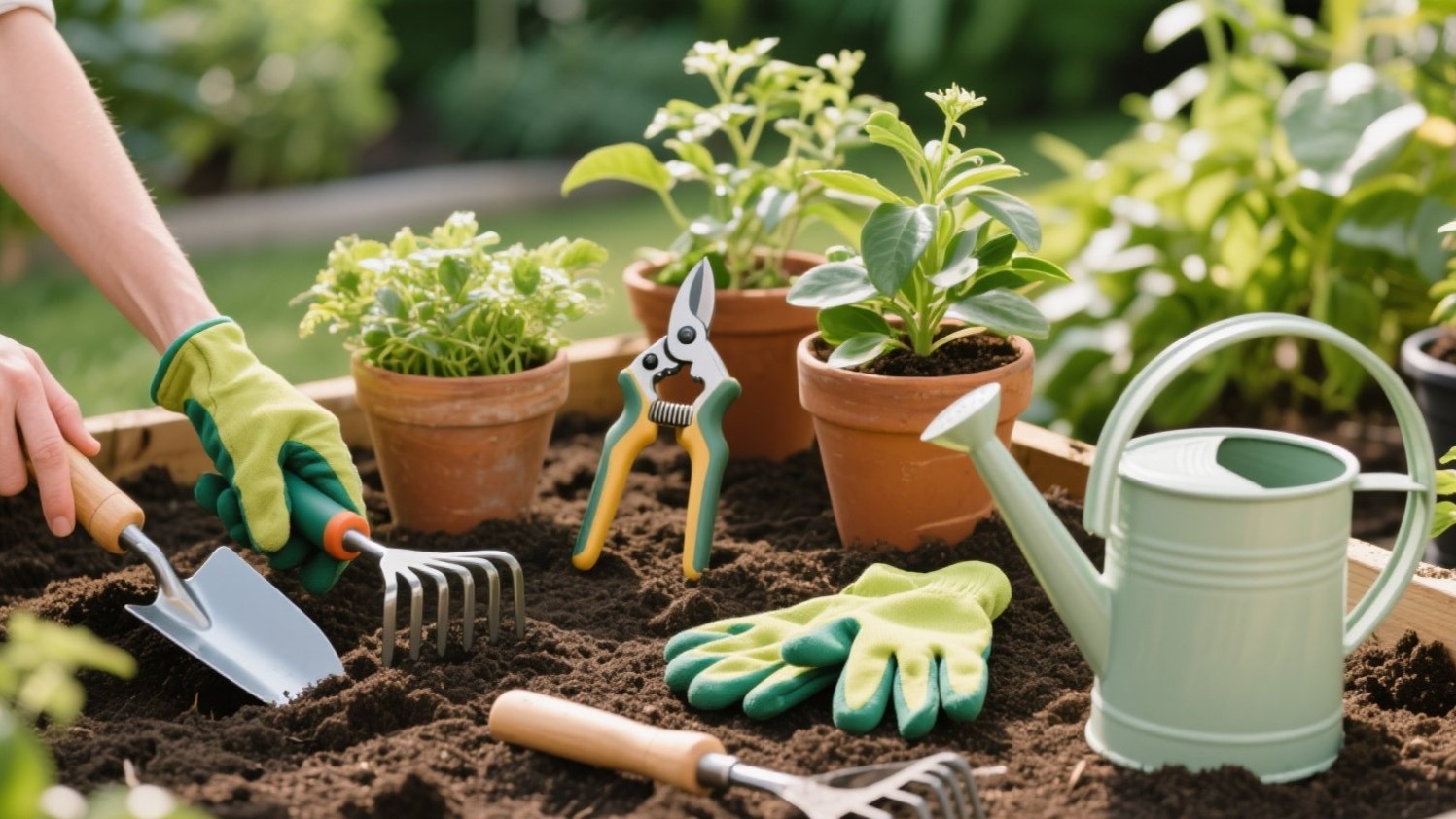
- Pruning: Cut back leggy stems just above a leaf node to encourage bushiness
- Cleaning: Wipe leaves monthly with a damp cloth to remove dust and maintain photosynthesis
- Support: Use a stake for taller plants to prevent leaning
7. Troubleshooting Common Problems
- Brown Leaf Edges: Usually indicates underwatering or low humidity
- Yellow Leaves: Often caused by overwatering or nutrient deficiency
- Leaf Drop: Sudden environmental changes or insufficient light
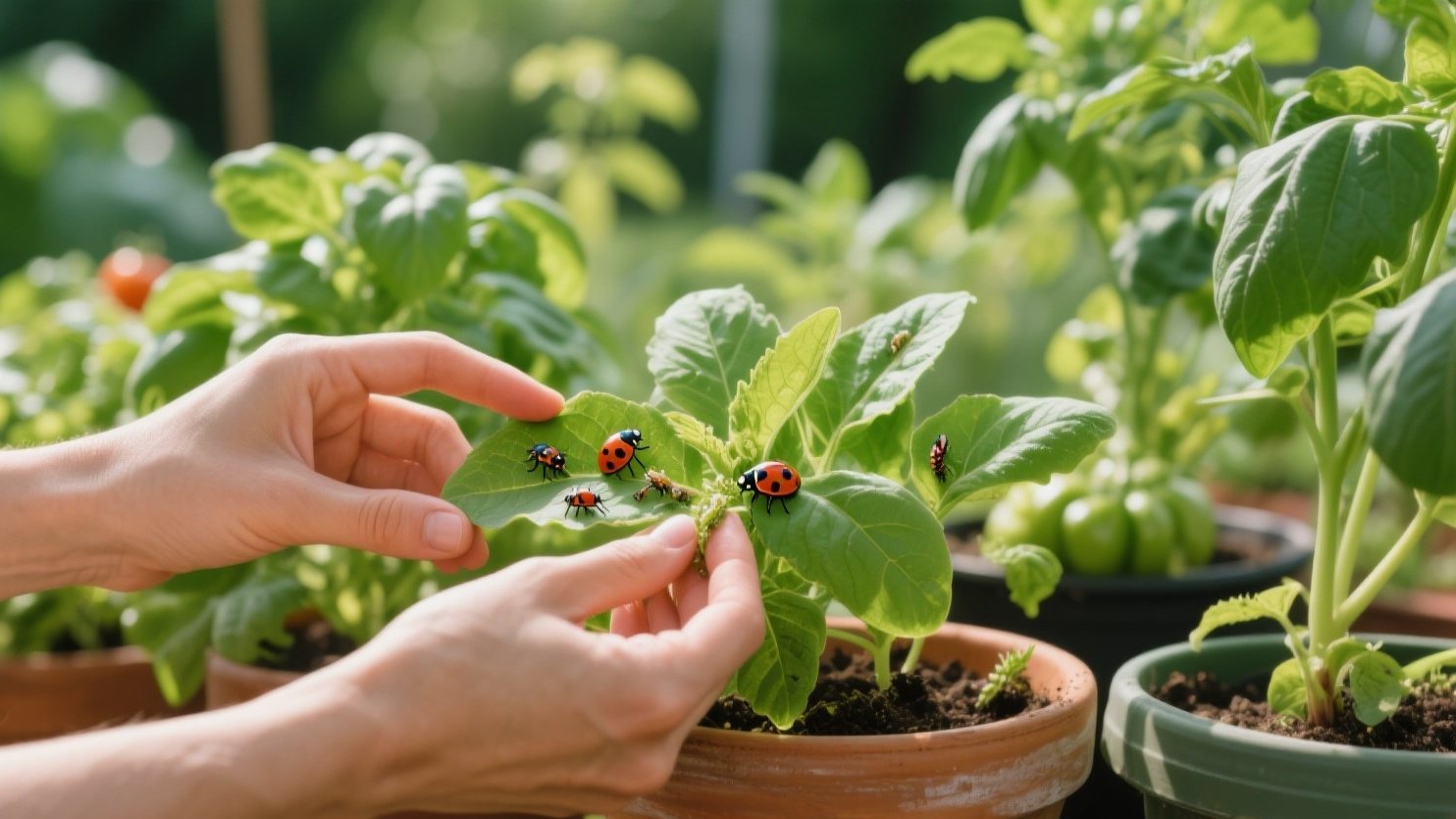
- Pests: Watch for spider mites; treat with insecticidal soap
8. Propagation Made Simple
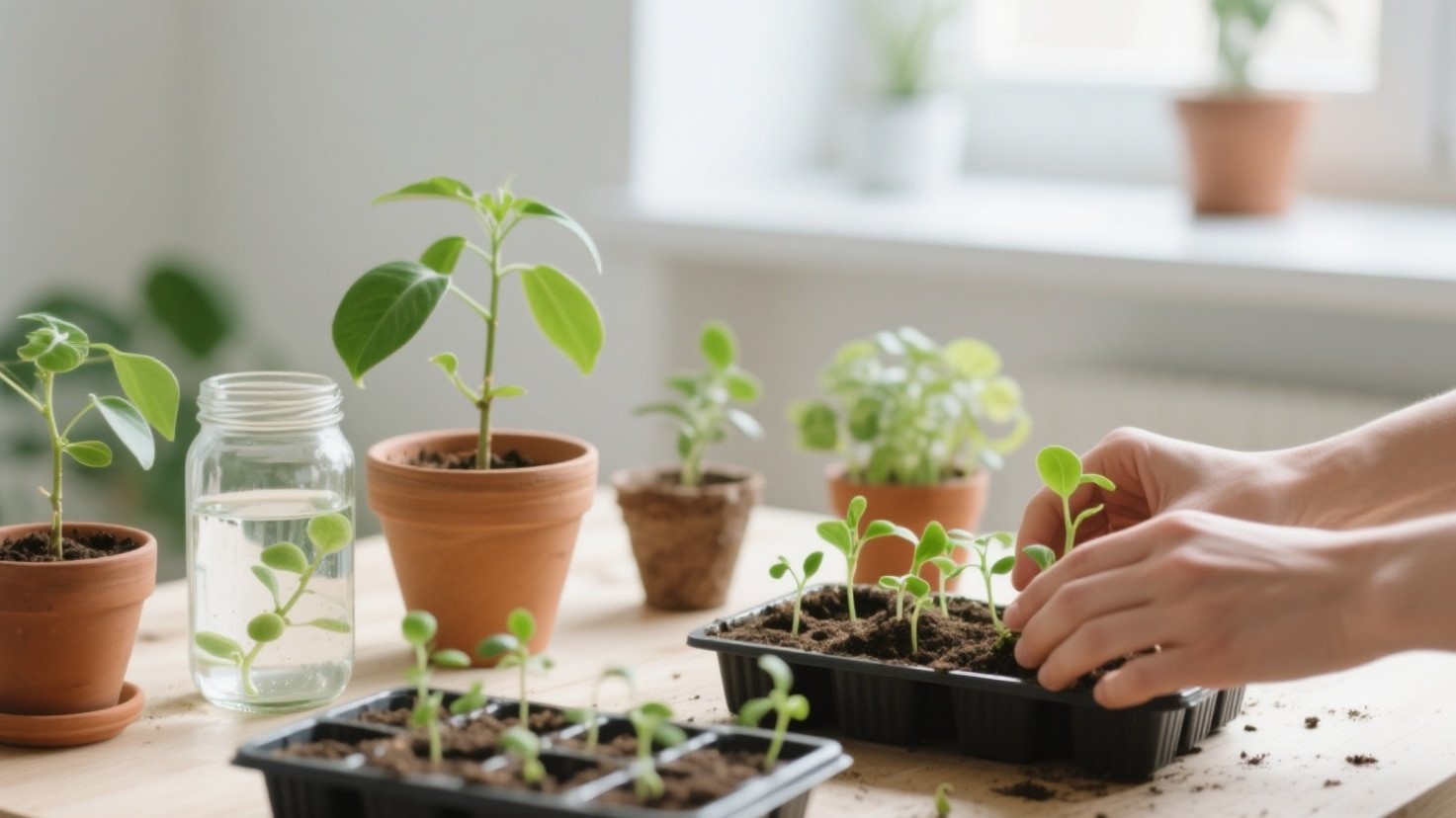
- Stem Cuttings: Take 6-8 inch cuttings with at least 2 leaves
- Rooting: Place in water or moist soil, keeping in bright, indirect light
- Timing: Best done in spring when growth is most active
Why Fiddle Leaf Figs are Worth the Effort:
- Air Purifying: Helps remove indoor toxins
- Architectural Impact: Makes a dramatic statement in any room
- Long-Lived: With proper care, can thrive for decades
- Adaptable: Once established, quite resilient to minor care mistakes
Pro Tip: Fiddle leaf figs dislike being moved frequently. Choose a permanent spot with ideal light conditions and avoid relocating unless necessary.
With consistent care and the right conditions, your fiddle leaf fig will reward you with spectacular growth and become the centerpiece of your indoor plant collection. Remember that patience is key – these plants grow slowly but the results are well worth the wait!