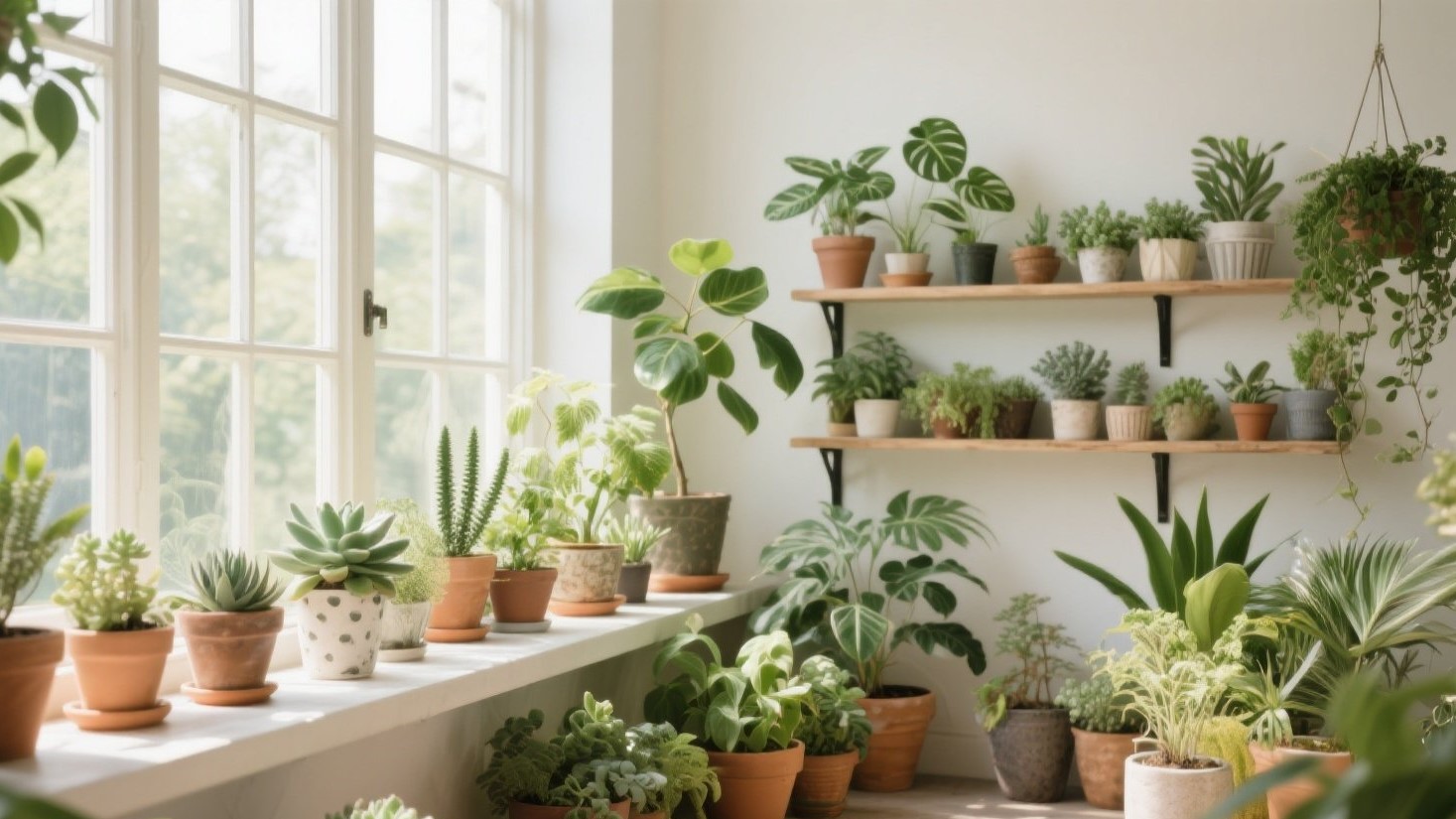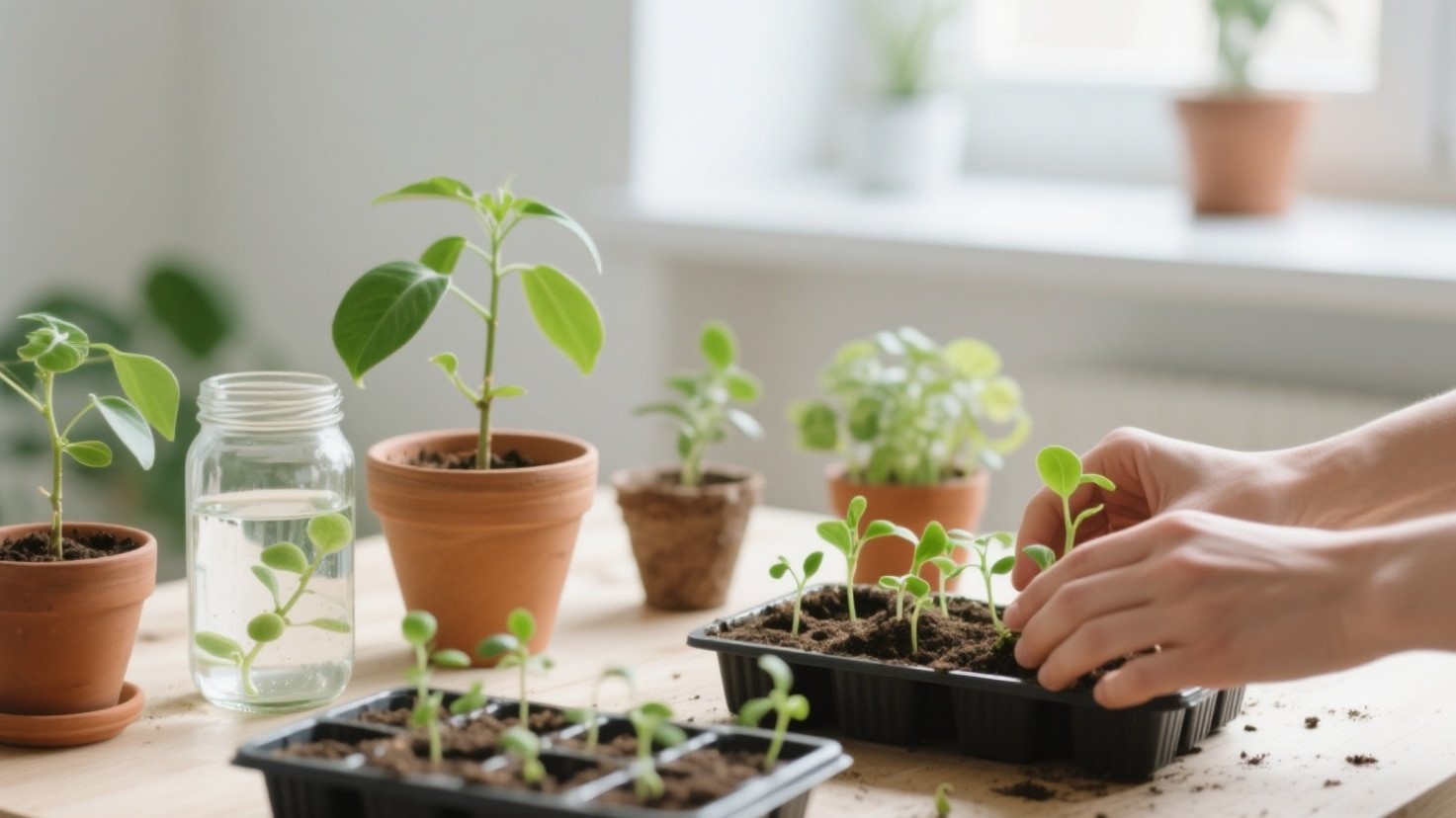
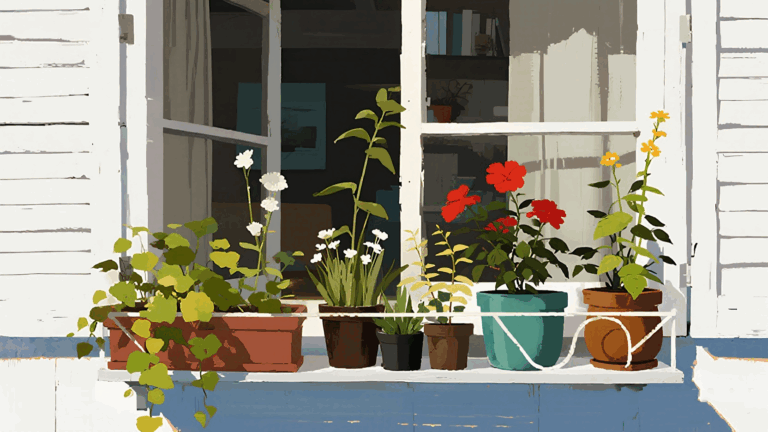
Dreaming of transforming your bland balcony into a lush, green oasis? A balcony garden is a fantastic way to connect with nature, enhance your living space, and create a personal sanctuary. However, before you rush out to buy planters and seeds, it’s crucial to understand that designing and renovating a balcony garden involves specific considerations that differ from ground-level gardening. Overlooking these can lead to safety hazards and costly repairs. To ensure your project is both beautiful and successful, here are the five essential points you absolutely must consider.
1. Load Capacity: The Non-Negotiable Priority

First and foremost, safety is paramount. The most critical aspect of any balcony project is understanding and respecting its load capacity. Balconies, especially cantilevered ones, are engineered to support a specific weight, typically ranging from 200 to 500 kg per square meter. Overloading it can risk structural damage.
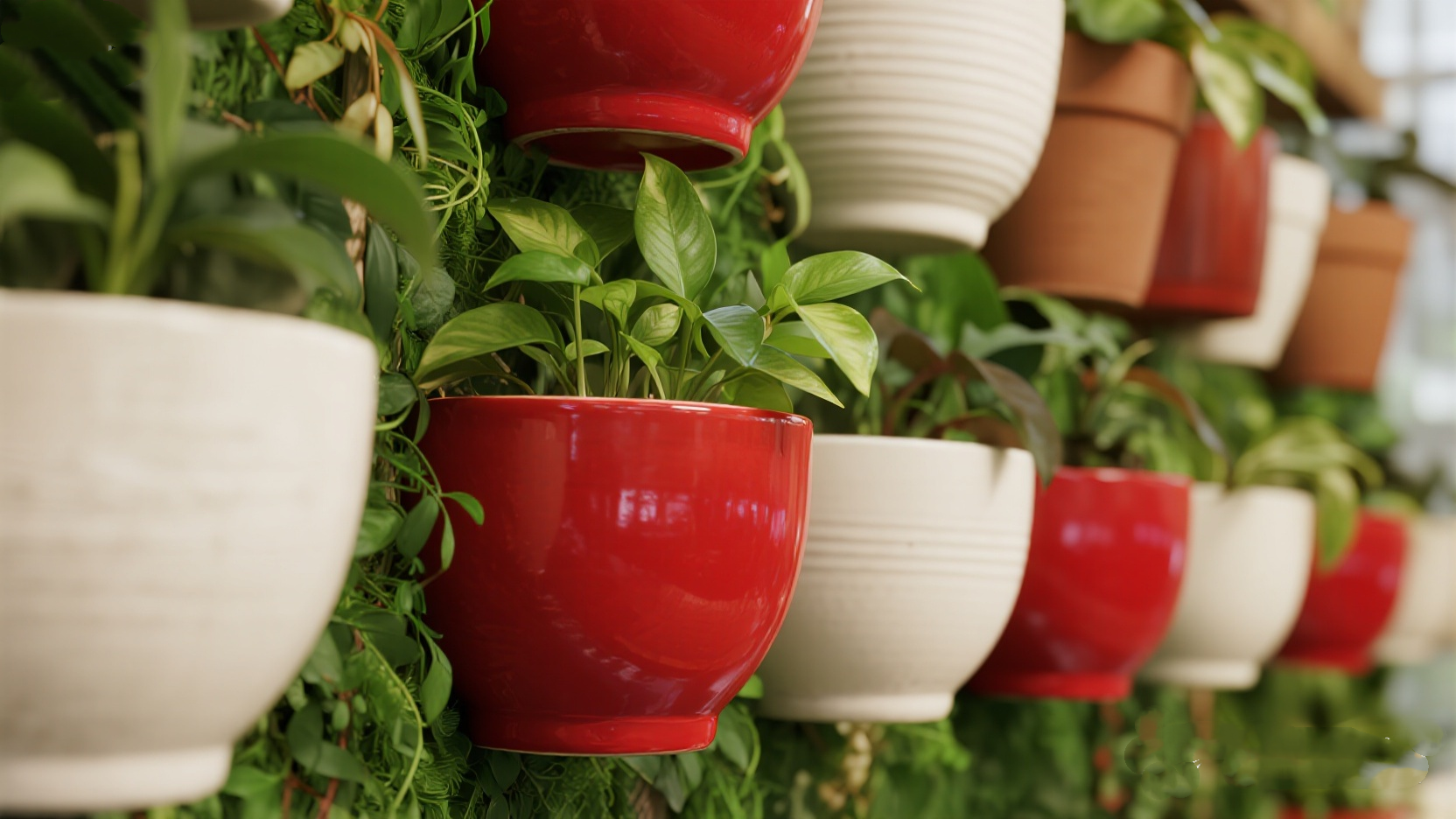
- What to do: Before you start, try to consult your building’s original plans or speak with your property manager to determine the exact load limit. When planning, account for the combined weight of saturated soil (which is much heavier than dry soil), planters, furniture, and people. Opt for lightweight materials wherever possible. For instance, use plastic, fiberglass, or geo-fabric planters instead of heavy concrete or ceramic pots. Using a lightweight potting mix, rather than dense garden soil, can also significantly reduce the overall weight.
2. Waterproofing: Your First Line of Defense

A compromised waterproofing layer is a one-way ticket to major headaches, including water leaks into your own home or your neighbor’s. The existing waterproof membrane on your balcony is its primary defense against the elements. During renovation, it’s vital not to damage this layer.
- What to do: If you’re installing new flooring or planters, be extremely careful not to puncture the waterproof membrane. For an added layer of protection, especially if you plan on extensive planting, consider applying a new layer of liquid waterproofing membrane over the existing one. Always perform a flood test before proceeding with the rest of your project: block the drains, pour water onto the balcony, and check the ceiling below for any signs of leakage after 24-48 hours.
3. Drainage: Keep the Water Flowing

Even with excellent waterproofing, proper drainage is essential to prevent water from pooling on your balcony surface. Stagnant water can damage floor coverings, create slippery surfaces, and lead to plant root rot.
- What to do: Ensure that the balcony’s drainage channels or outlets are never blocked during construction. When designing the layout, create a slight slope towards the drains to guide water away efficiently. A highly effective method is to use elevated planters with drainage holes or place pots on pot feet. Furthermore, installing a drainage layer at the bottom of large planters—using materials like gravel, clay pebbles, or a special drainage cell—will allow excess water to escape freely from the soil, keeping plant roots healthy and preventing waterlogging on the balcony slab.
4. Wind Exposure: Secure Everything
Balconies, especially on higher floors, are exposed to much stronger wind forces than gardens at ground level. This wind exposure poses two risks: plants can be damaged, and unsecured items can become dangerous projectiles.
- What to do: Assess the wind conditions on your balcony. For tall plants or trellises, use sturdy stakes and secure them firmly to the balcony rails or walls. Choose wind-resistant plant species with flexible stems. When selecting furniture and decor, prioritize heavy, stable pieces or have a plan to anchor them down. Avoid lightweight ornaments that can easily be blown over. Installing a windbreak, such as a tempered glass panel or a permeable screen, can help reduce wind speed and create a more sheltered microclimate for your plants.
5. Material Choice & Maintenance: Go Lightweight and Be Proactive

This point covers three interconnected aspects: weight, root management, and pest control.
- Lightweight Materials: As mentioned, choosing lightweight materials for planters, soil, and furniture is key to managing load. This makes your garden safer and easier to rearrange.
- Root Barrier: For larger planting beds or when using aggressive growers, consider using a root barrier. This is a tough fabric liner that prevents plant roots from growing into and potentially damaging the balcony’s waterproofing layer and structure.
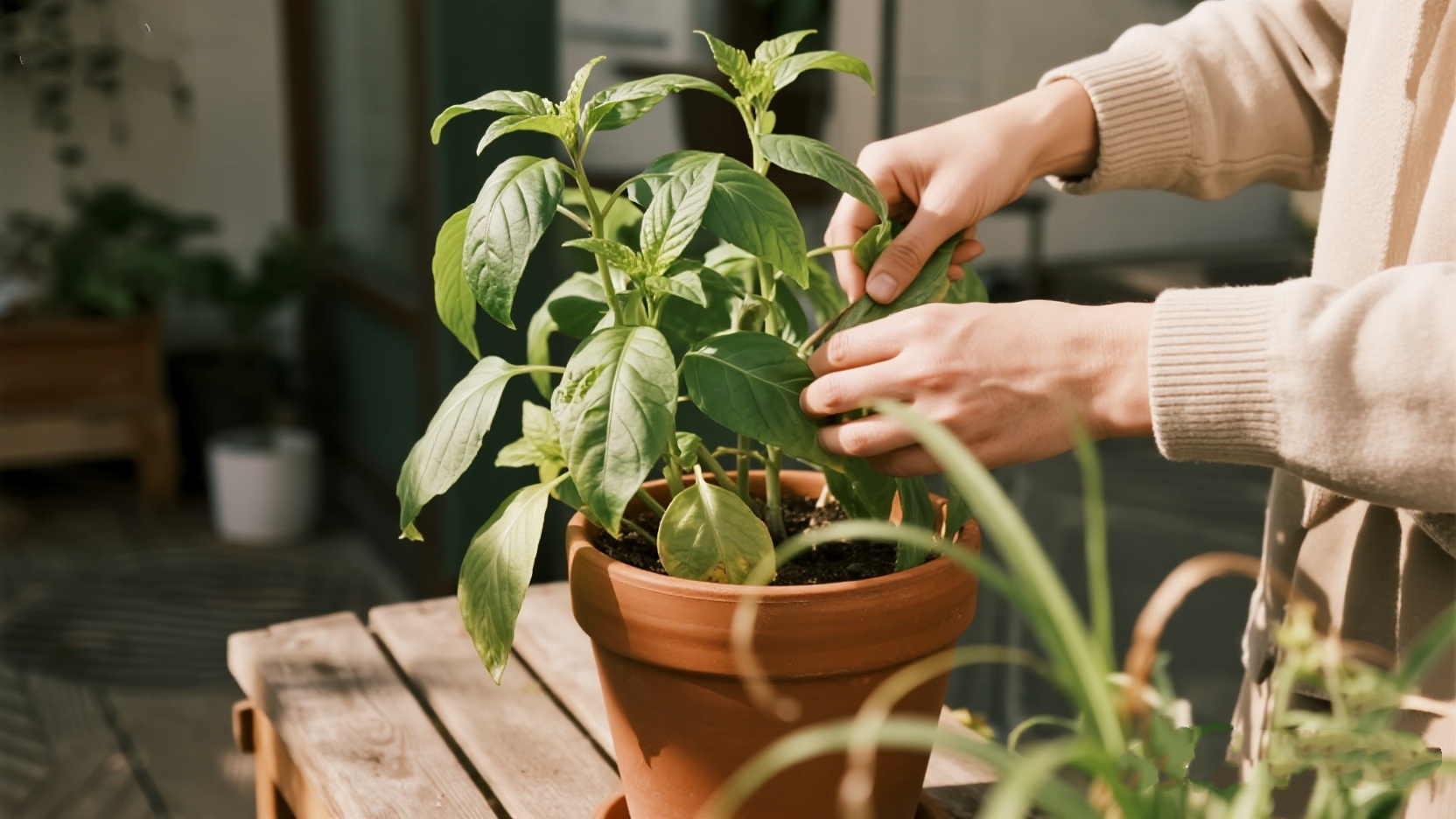
- Pest Control: Container plants can be susceptible to pests like aphids and spider mites. Practice good pest control by regularly inspecting your plants. Encourage beneficial insects like ladybugs, or use organic insecticidal soaps to manage infestations early, keeping your garden healthy and thriving.
In conclusion, while creating a balcony garden requires careful planning around these five key areas—load capacity, waterproofing, drainage, wind exposure, and smart material choices—the effort is immensely rewarding. By addressing these points from the start, you can build a stunning, safe, and sustainable green retreat that you can enjoy for years to come.