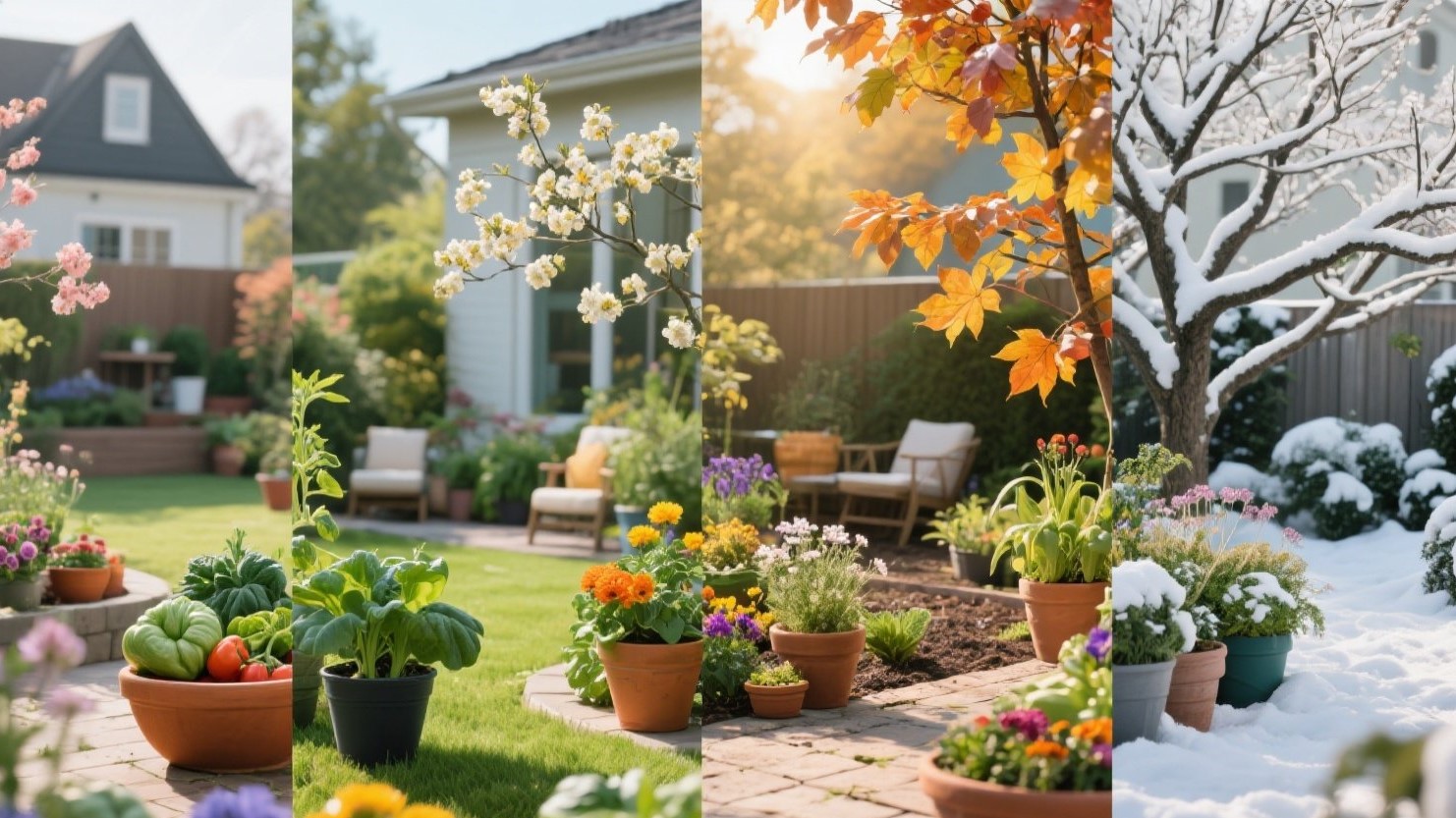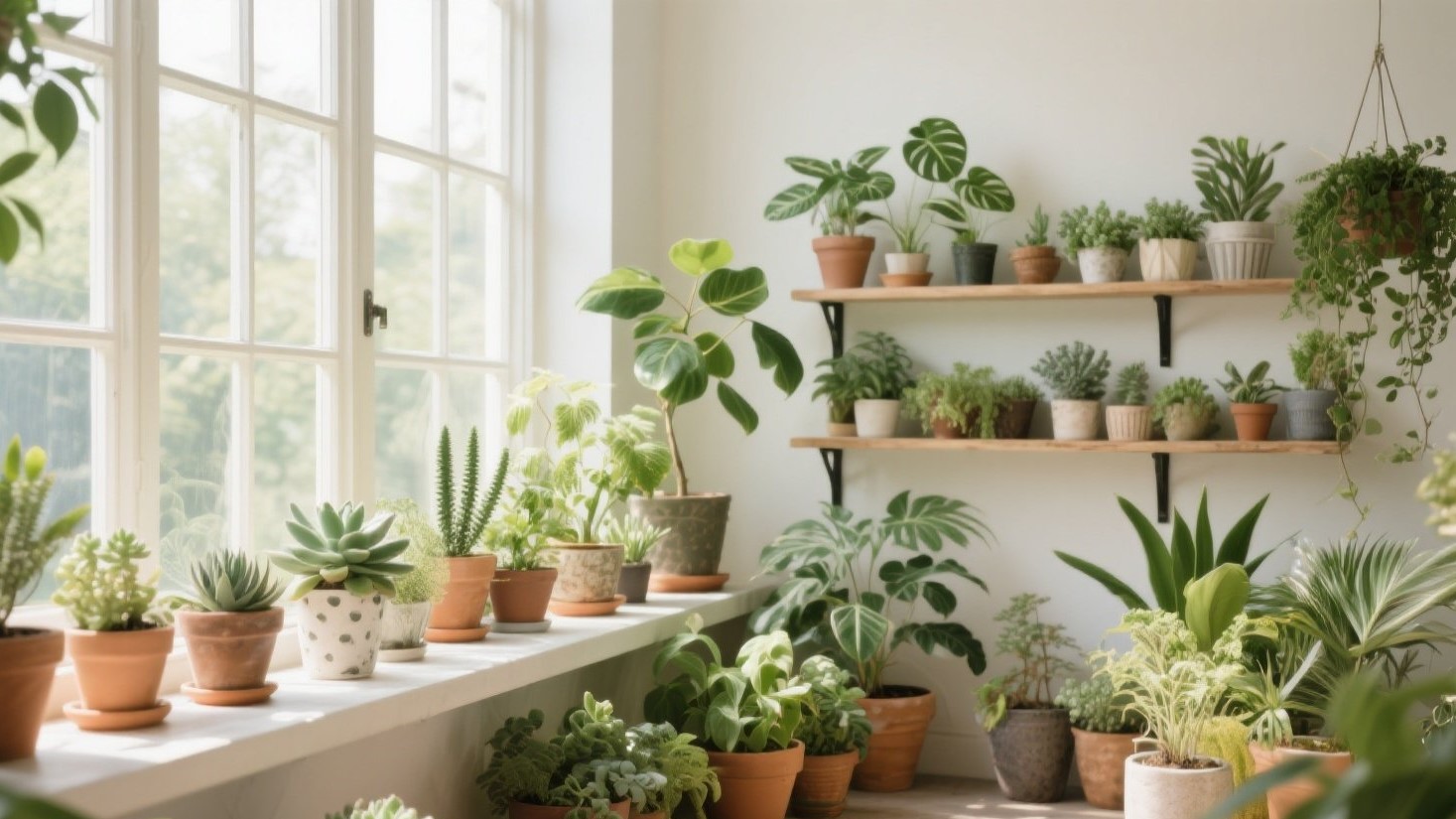
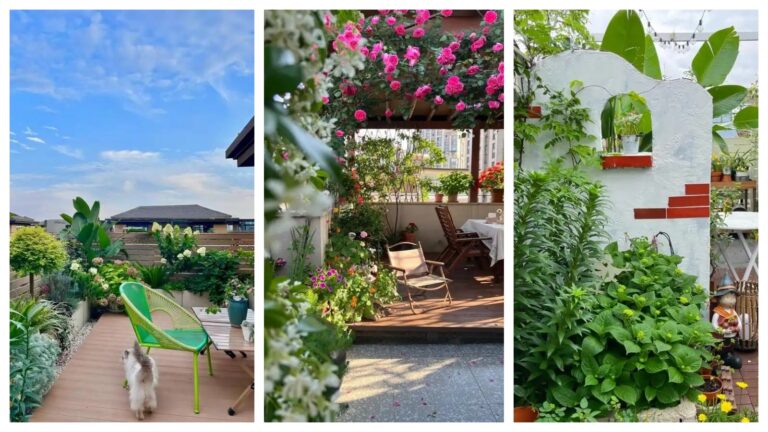
If you have a balcony, be sure to transform it into a rooftop garden—creating a delightful leisure oasis amidst a busy life.
However, due to the unique environment of a rooftop, the construction process requires special attention to several key aspects compared to a ground-level garden.
01 Structural Safety Assessment
Before starting, the most important step is to ensure the roof structure can support the garden’s weight. This requires a professional assessment, as different structures have different load-bearing capacities.

- Understand the roof type and its design load capacity. Generally, flat roofs are more suitable for gardens than sloped roofs, but regardless of type, you must know its original design purpose and load limits. The roof should have a load-bearing capacity of at least 200 kg/m² to be suitable for a garden.
- Consider the total weight, including soil, plants, decorative elements, and potential human activity. For instance, large planters filled with soil or sizable landscape rocks add significant weight. Distribute heavy items evenly to avoid concentrating pressure on one area of the structure.
02 Waterproofing and Drainage Systems
Effective waterproofing is fundamental. If done improperly, it can lead to leaks and damage the building interior.
- For waterproofing, conduct a thorough inspection and reinforcement before construction. Use professional waterproof coatings or membranes to ensure integrity and durability. Pay extra attention to vulnerable areas like corners and around pipes.
- Drainage is equally critical. Since roofs lack natural drainage slopes, design an artificial system. Install drainage boards, create slopes in planting areas to direct excess water to drains, and ensure drains are sufficient and unblocked. Consider using filter materials to prevent soil and debris from clogging the pipes.
03 Planting Soil Selection
Soil choice is vital as it directly affects plant health and the roof’s load.

- Opt for lightweight, loose, fertile, and well-draining soil. Specialized rooftop garden mixes—often containing peat moss, perlite, and vermiculite—provide nutrients and aeration while reducing weight.
- Avoid heavy natural soils like field soil. If used, mix them with lightweight materials and control the depth. Soil depth depends on plant type: shallow-rooted plants may need only 15-30 cm, while deep-rooted plants might require over 60 cm, but this increases the load.
04 Plant Selection
Choosing suitable plants is key to a successful rooftop garden, considering the unique environmental conditions.
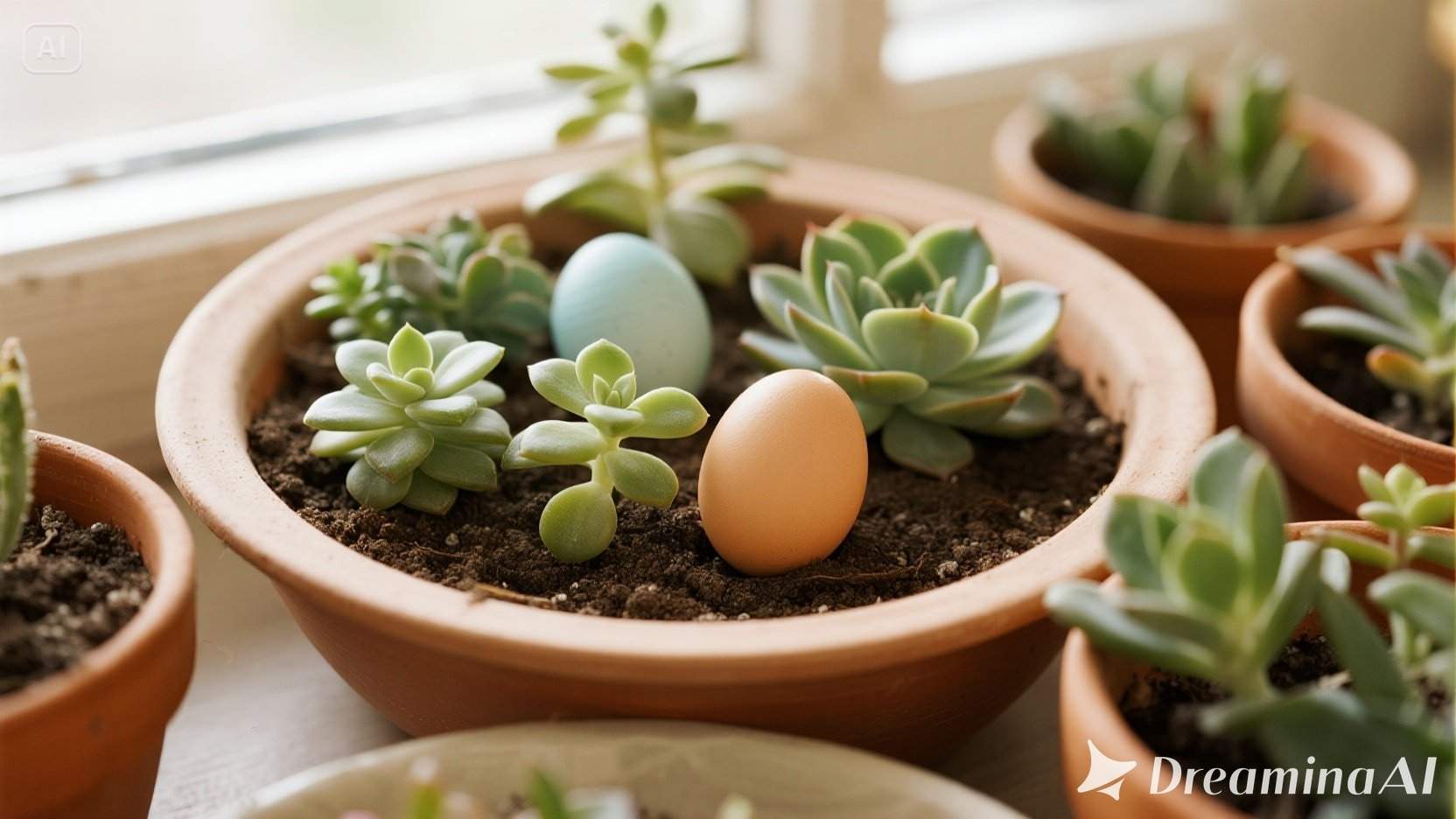
- Select plants adapted to the rooftop environment. Due to strong sunlight, wind, and temperature fluctuations, prioritize drought-tolerant, cold-resistant, wind-resistant, and low-fertility-tolerant species. Examples include succulents, sedums, petunias, and lavender, which thrive with minimal maintenance.
- Consider plant height and root systems. Avoid plants with aggressive roots or rapid growth that could damage waterproofing or structure. Arrange plants at varying heights for layered aesthetics, but ensure tall plants don’t block views or become prone to wind damage.
05 Wind Protection Measures

Wind forces are stronger on rooftops, making wind protection essential.
- Secure taller plants with stakes. For large flowers or shrubs, use sturdy wooden or metal stakes inserted into the soil and tie the main stems to them for support.
- Installing windbreaks is also effective. Use fences, shade nets, or plant dense shrubs to reduce wind speed. The height and density of windbreaks should suit local wind conditions; typically, 1-1.5 meters high is suitable.
06 Irrigation System
A well-designed irrigation system ensures plants receive adequate water while saving labor.
- Consider drip or micro-sprinkler systems. These deliver water directly to the root zone, minimizing evaporation and waste. Use timers to adjust frequency and duration based on plant needs and weather.
- When designing the system, plan the water source location and pipe layout carefully. Ensure a stable water supply and arrange pipes to avoid interfering with other roof features. Also, implement freeze protection measures in winter to prevent pipe damage.
07 Leisure Space Planning
Thoughtful planning of the leisure area significantly enhances the experience of your rooftop garden retreat.

- First, determine the size and layout based on the roof’s area and shape. Ample space allows for distinct zones like dining, lounging, and viewing decks. In compact areas, prioritize comfortable seating. Choose outdoor furniture made from durable, weather-resistant materials like teak or aluminum, complemented with soft cushions for comfort.
- Furthermore, shade and rain protection are essential. Install retractable awnings for adjustable coverage or a simple pergola that adds charm while providing shelter. Lighting is also important—incorporate gentle ground lights or wall lights around the seating area to extend usability into the evening, allowing you to enjoy the garden under the stars.
Conclusion
Creating a rooftop garden requires comprehensive consideration of structural safety, waterproofing, drainage, soil, plant selection, wind protection, and irrigation.
Only by thoroughly addressing these key points can you create a beautiful, functional, and safe rooftop garden.