
Introduction: Why This Combo Works 💡
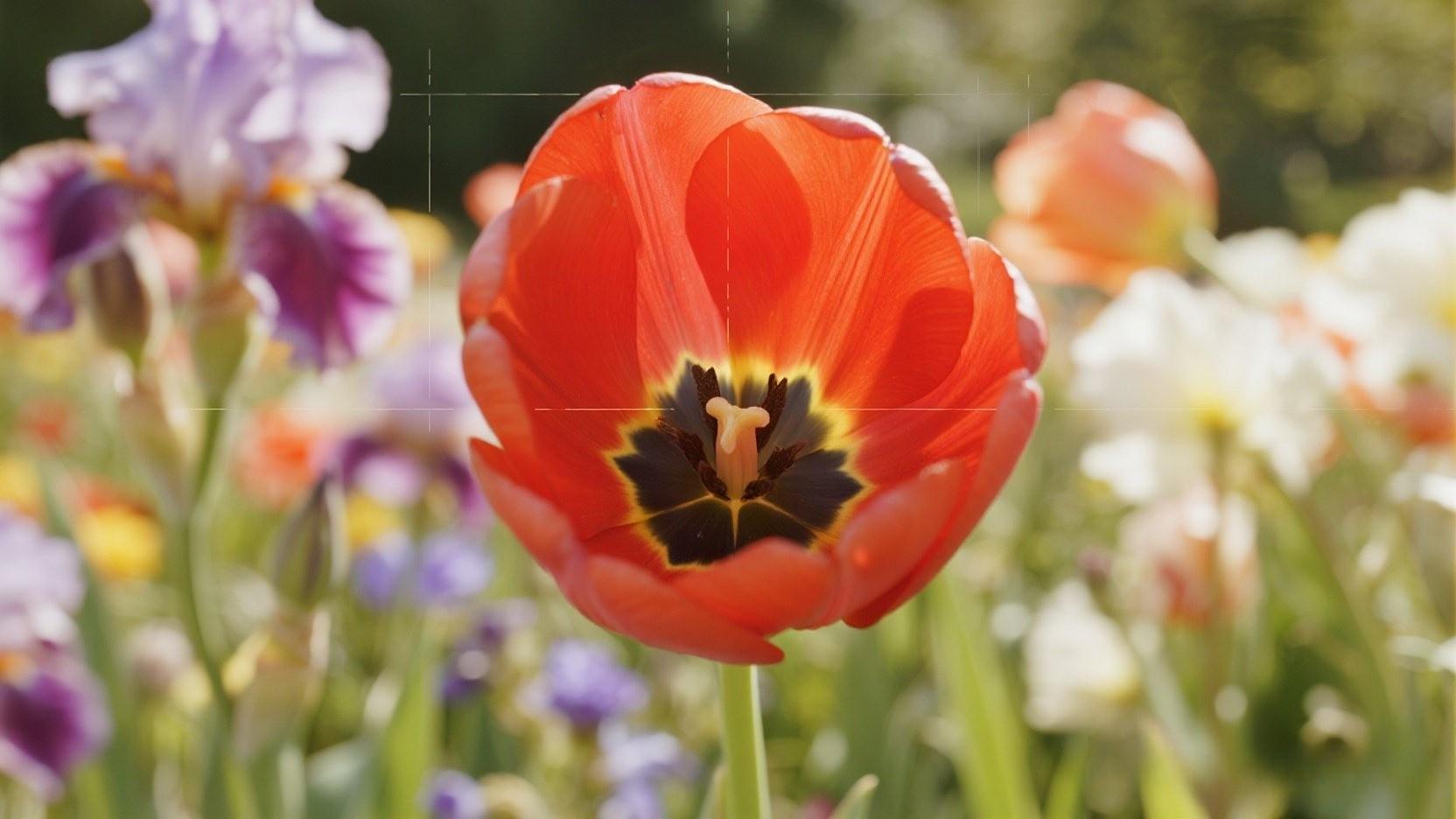
Tulips bring saturated cups of color in spring, then bow out just as ornamental alliums send up dramatic globes. The hand-off is smooth: tulips peak first; alliums rise right after, giving height, rhythm, and a sense of continuity. It’s like a relay—tulips pass the baton, alliums sprint to the finish. 🏃♀️
Alliums are nectar-rich and famed for pollinator appeal, which keeps beds lively when tulips fade. Many alliums are deer- and rodent-resistant, a helpful foil to tulips in pressure-prone gardens. Together, the pair delivers color, structure, and ecological value without replanting each season. 🐝
Timing & Bloom Sequence: The Spring → Early-Summer “Handoff” ⏱️
In Zone 5, most tulips flower from mid-April to May, depending on early/mid/late types. Many ornamental alliums follow from late May through June, creating an overlap that looks intentional. Stagger tulip groups by earliness so each passes color to the next—and then to alliums. 🌈
Use mid-season tulips to bridge into classic giants like Allium ‘Gladiator’ or ‘Globemaster’. If you want a longer arc, add late tulips plus later alliums (e.g., A. cristophii, A. sphaerocephalon). This cadence prevents visual drop-off and keeps photos crisp for weeks. 📸
Bulb Layering Basics: Depths, Spacing, and Fall Planting 🧰
Plant both in fall before the ground freezes; in Zone 5 that’s typically late September through November. Standard tulip bulbs go 6–8 in (15–20 cm) deep and 4–6 in (10–15 cm) apart. Large alliums (e.g., ‘Gladiator’, ‘Globemaster’) generally sit 6–8 in deep and 12–18 in (30–45 cm) apart for full heads and airflow. 🪡
Layer by depth: tulips can share strata with big alliums (similar depths), while smaller alliums (e.g., A. moly, A. sphaerocephalon) sit 3–4 in (7–10 cm) deep above or between tulips. Keep bulbs offset—not directly stacked—to reduce rot and competition. Backfill with a free-draining mix and avoid soggy sites to protect allium necks and tulip basal plates. 🌱
Clumps vs. Drifts: Designing Flow and Focal Points 🎨
Use clumps (tight groups of 5–9 bulbs) for punchy color islands and easy photo framing. Place clumps of tulips in the mid-front and echo them with taller, looser clumps of alliums behind. This creates tiered layers and repeatable focal notes along a border. 🎯
For drifts, stretch ribbons of 20–50+ bulbs with gentle curves that mimic meadow movement. Let tulips create the low “river” and alliums rise like purple buoys through the flow. Drifts feel naturalistic, reduce visual clutter, and soften the gap as tulip foliage declines. 🌊

Hide the Fade: Masking Tulip Leaves with Perennials 🌿
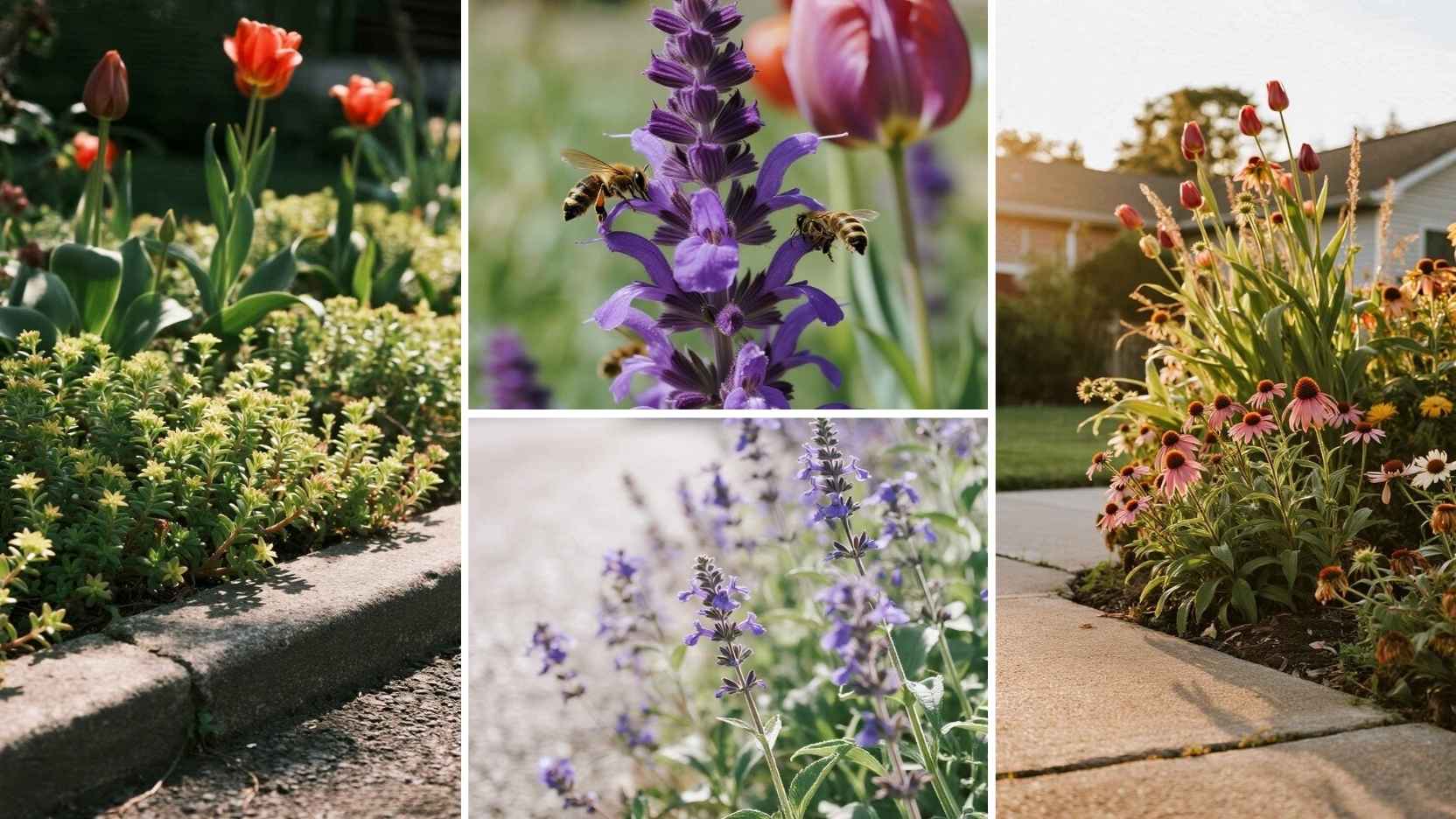
Tulip foliage must recharge 4–6 weeks after bloom; don’t cut it early. To keep beds photogenic, plant friendly “veils” such as hardy geranium (cranesbill) and heuchera (coral bells). Their mounding leaves slide in front of yellowing tulips without smothering them. 🫶
Geranium x cantabrigiense types weave a low mat; Heuchera adds glossy texture and color contrast. Other helpful veils include nepeta, brunnera, and lady’s mantle along the front edge. The result: a clean look while bulbs quietly store energy underground. ✨

Starter Recipe (Zone 5): The “Gladiator Relay” 🧪
Planting Map (4×8 ft bed):
Back row: Allium ‘Gladiator’ × 7, spaced 14–16 in apart, depth 6–8 in. Mid row: Mid-season tulip mix (e.g., ‘Apricot Beauty’ + ‘Negrita’) × 45, 5 in apart, depth 6–8 in. Front edge: Geranium x cantabrigiense (3–5 plants) + Heuchera (3 plants) to veil foliage. 🗺️
Bloom Flow: Mid-April–May tulips fire first; late May–June, ‘Gladiator’ lifts 3–4 ft stems with 6–8 in purple globes. Bees flood the alliums as tulip leaves fade behind the geranium/heuchera veil. Deadhead tulips (leave leaves), let allium heads dry for sculptural seed-heads or cut for vases. 🐝

Care, Pests & Performance: Keep the Show Going 🔧
Water in after fall planting and mulch lightly to buffer freeze-thaw. In spring, ensure drainage; alliums resent wet crowns and tulips dislike soggy basal plates. After bloom, feed lightly (balanced or bulb fertilizer) to support next year’s performance. 💧
Alliums are typically deer- and rodent-resistant; tulips are often browsed—use repellents, fencing, or tuck tulips amid unpalatable perennials. Lift and dry overcrowded tulip clumps every few years if perennializing; many giant alliums persist for years in well-drained soils. Leave some allium seed heads standing for architecture—or harvest for dried arrangements. 🦌
Quick Pairing Menu: Mix-and-Match Ideas 🍽️
Graphic Pops: Tulip ‘Negrita’ + Allium ‘Globemaster’ + Heuchera ‘Caramel’. Saturated purple meets warm caramel foliage and oversized globes. Works in modern or cottage borders. 🎨
Soft Pastels: Tulip ‘Apricot Beauty’ + Allium ‘Mount Everest’ + Geranium ‘Biokovo’. Apricot cups, white globes, and a blush-edged groundcover for airy romance. Great near paths and seating. 🌸
Final Thoughts: A High-Impact, Low-Fuss Strategy ✅
Alliums and tulips are a natural duet—color now, architecture later, and food for pollinators through the shoulder season. With smart layering, staggered bloom windows, and foliage veils, you get weeks of continuity. The result is a border that reads intentional in photos and forgiving in real life. 📷
Start with one “recipe” bed, record bloom dates, and refine your timing next fall. Add another drift or change tulip earliness to stretch the handoff. In two seasons, you’ll have a signature spring-to-early-summer show that practically designs itself. 🌟