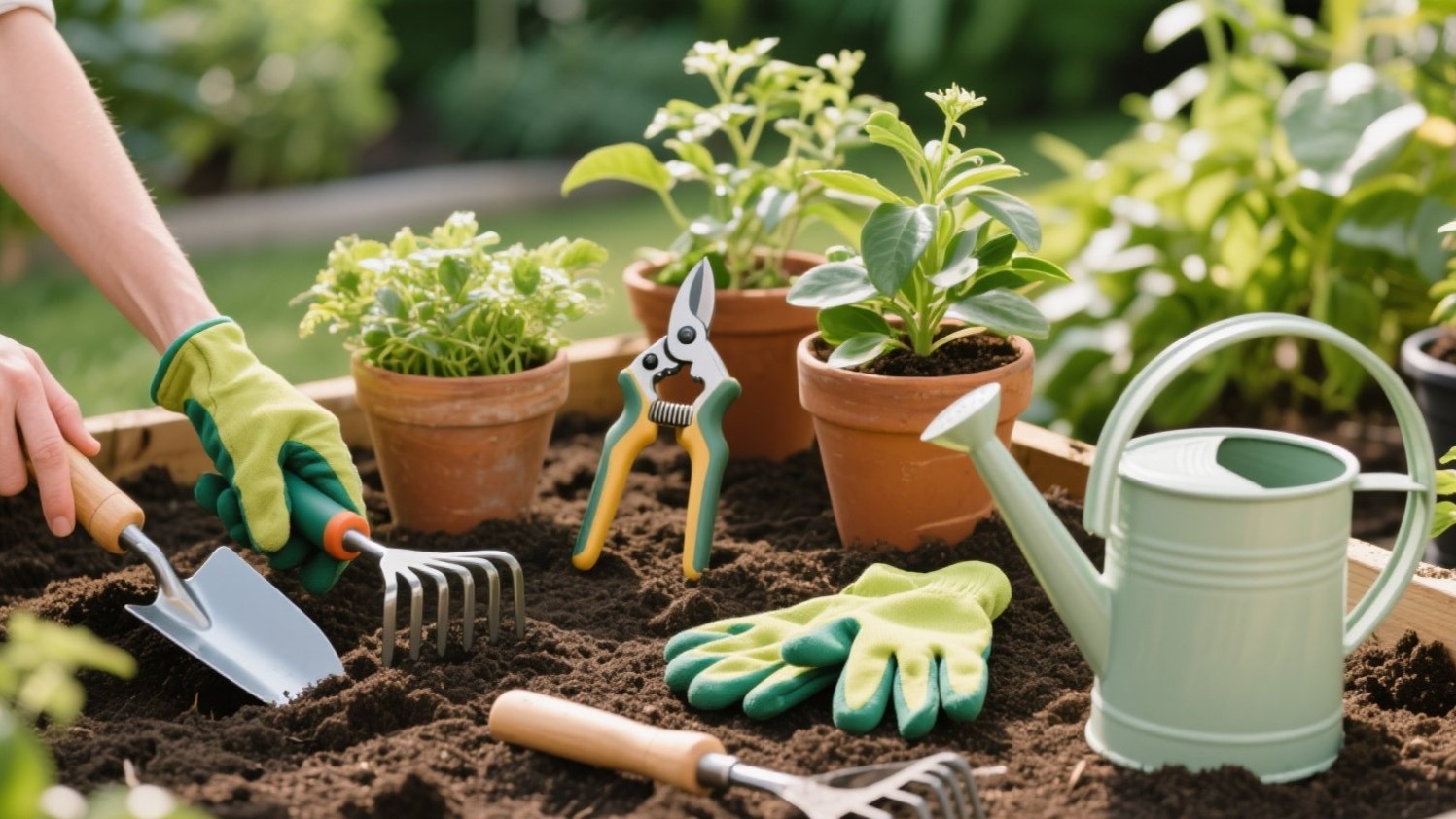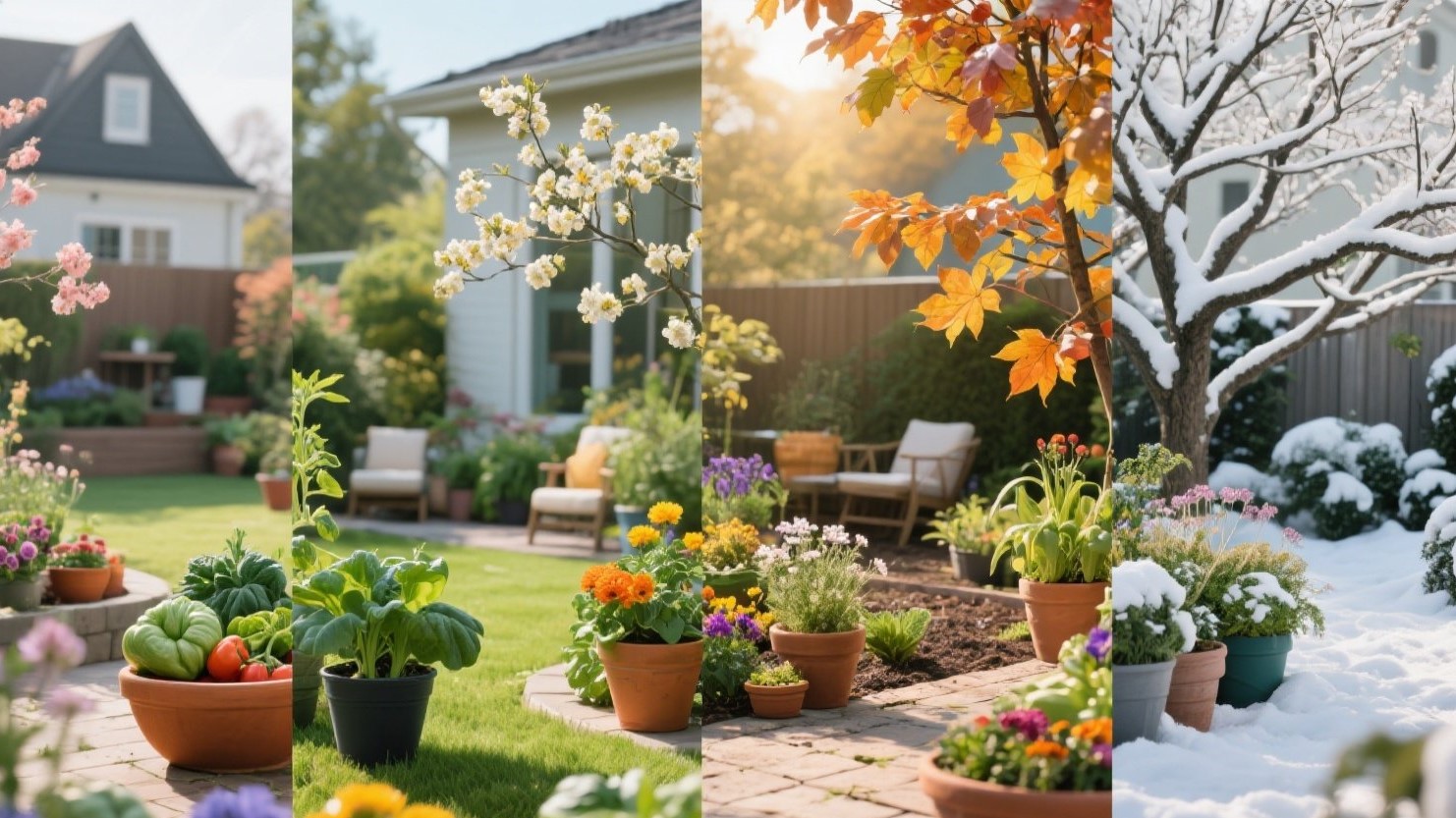
Introduction: Why Driveway Edges Are Tricky 🌡️🧂
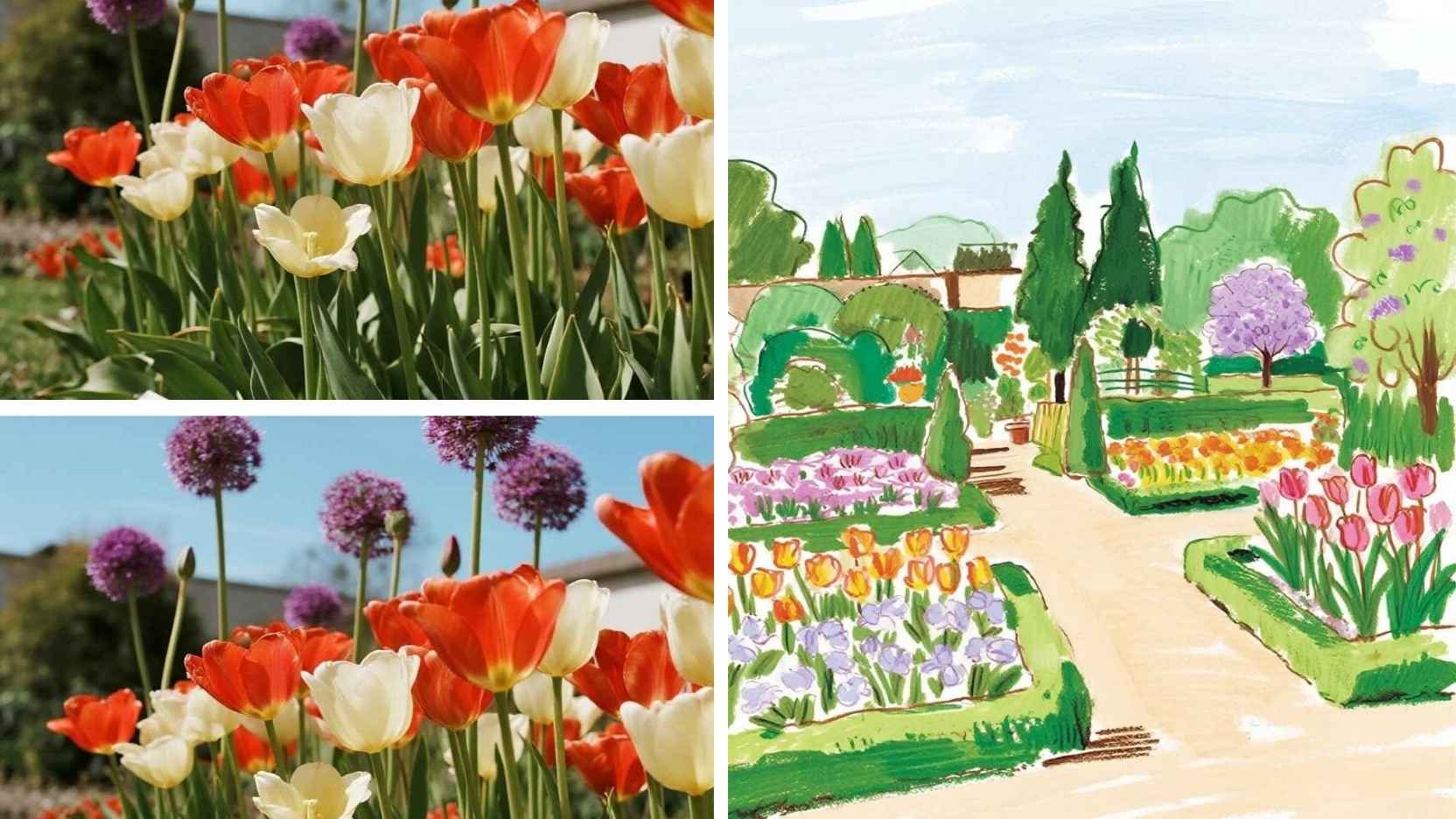
Tulips can look stunning near pavement, but the microclimate is harsh. Asphalt stores heat, reflecting it back into nearby foliage and bulbs well beyond midday. Winter de-icing salt or sea-spray salt can splash into the bed, stressing leaves and shortening bloom time.
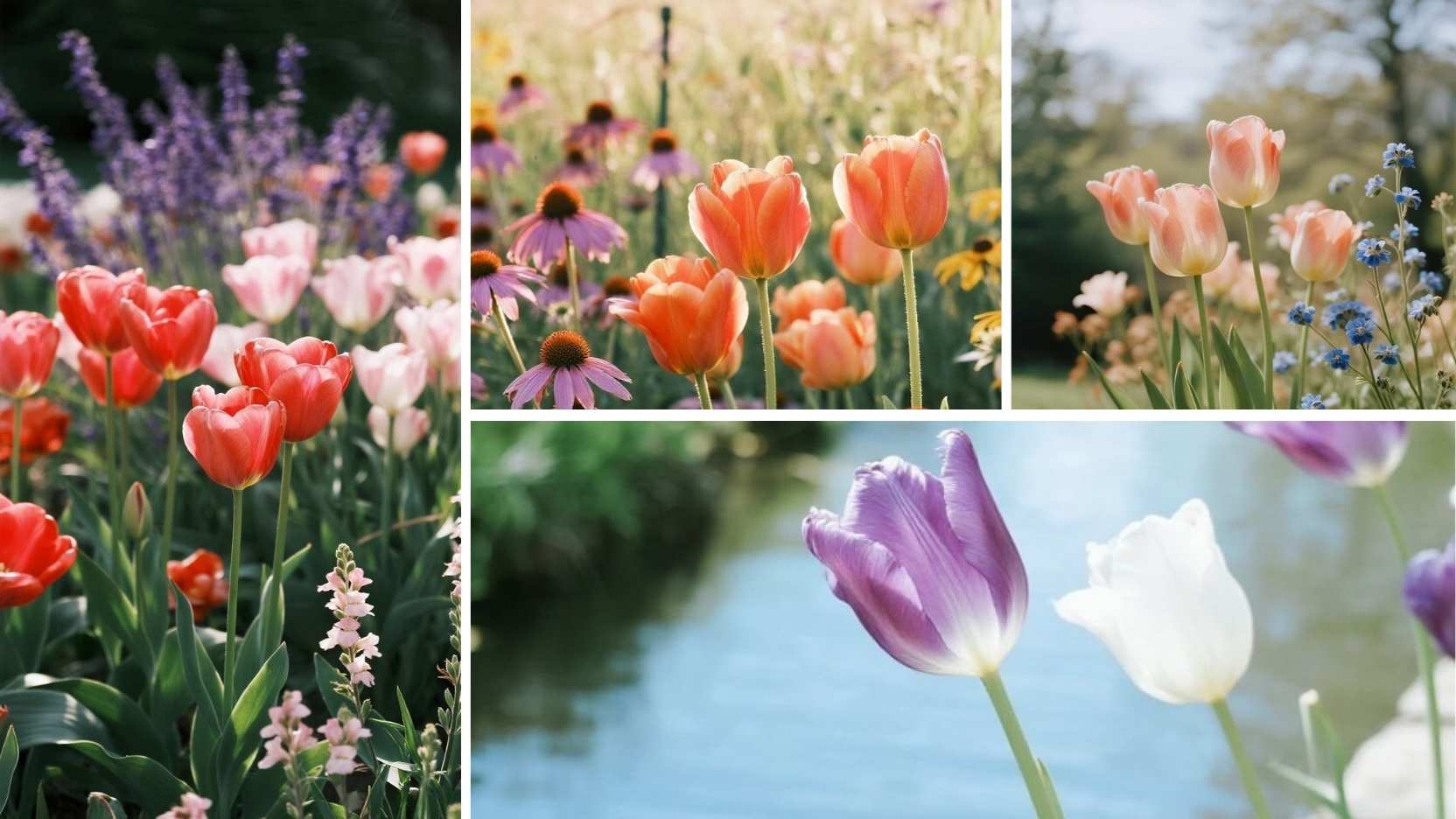
Success comes from pairing tulips with plants that tolerate heat and occasional salt while still offering real flowers. The right companions also shade soil, lowering temperatures around bulbs and conserving moisture. With smart placement and tough bloomers, your driveway edge can perform from spring to fall. 😊
The Stressors: Heat, Salt, and Soil Compaction 🔥🧪
Pavement radiates heat that pushes leaf temperatures above air temperature, hastening tulip fade. Salt dehydrates tissues and can disrupt nutrient uptake, causing leaf burn and stunted growth. Foot traffic and construction often leave compacted subsoil that drains poorly and overheats fast.
Mitigate by adding 5–7 cm of compost annually and top-dressing with fine gravel to improve drainage. Create a slight grade so runoff flows away from bulbs during winter melt events. Where salt use is heavy, install a 15–30 cm “splash gap” of gravel along the curb. 🛡️
Sedum (Stonecrop): The Heat-Shielding Groundcover 🪨🌿

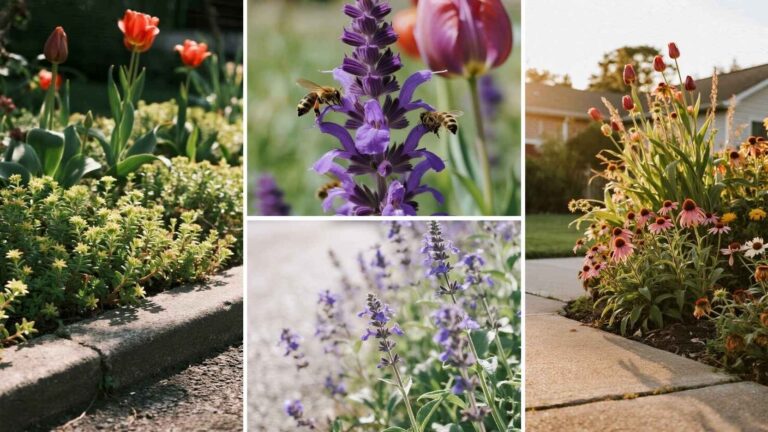
Low, mat-forming sedums shrug off heat and brief salt exposure while flowering for pollinators. Their succulent leaves store water, keeping soil cooler around tulip bulbs. As living mulch, sedums reduce evaporation and stabilize soil after heavy summer rain.
Choose varieties like Sedum spurium or Hylotelephium groundcovers for driveway fronts. Space plants 20–25 cm apart to knit a mat within one season. Trim lightly after bloom to keep a tidy, dense edge. ✂️
Anise Hyssop (Agastache foeniculum): Summer Nectar Columns 🍯🪰

Anise hyssop thrives in reflected heat and blooms through summer, extending color long after tulips fade. The licorice-mint fragrance and nectar-rich spikes attract bees and butterflies. Deep roots help the plant ride out dry spells along hot pavement.
Plant in repeating clumps 30–45 cm behind tulip lines to create rhythm and height. Deadhead once to encourage a longer show, or leave late spikes for seed-eating birds. In lean soils, one spring dose of compost often suffices. 🌱
Catmint (Nepeta): Cool Haze, Hot Site Champion 🐱💜

Catmint handles heat, light salt, and poor soils while producing a long lavender-blue haze. Its arching habit softens hard edges and frames tulip clumps beautifully. Shearing mid-summer often triggers a fresh flush of bloom.
Site Nepeta as a drift between tulip groups for color continuity. Give 35–45 cm spacing and allow airflow to reduce humidity stress near hardscape. Pair with sedum at the front for a layered, resilient edge. 🎨
Low Junipers (Optional): Evergreen Structure with Caveats 🌲⚠️
Low junipers add year-round structure and tolerate heat, drought, and some salt. They’re excellent for visual order where you need a permanent evergreen base. However, they provide foliage interest more than floral color.
Use sparingly as punctuation at corners or to anchor transitions. Choose truly low cultivars to avoid smothering bulbs, and keep a mulch-free collar around crowns. If maximal bloom is your priority, limit junipers to the outermost curb zone. 📐
Tactics: Place Tulip Bulbs Farther from Pavement 🎯🌷
To prolong bloom, set tulip bulbs 30–45 cm back from the pavement where temperatures are a few degrees cooler. Plant at 15–20 cm depth in sharply drained soil amended with grit or pea gravel. A front ribbon of sedum can intercept salt and heat at the curb.
Stagger early-, mid-, and late-season tulip types to stretch the show two to four weeks. Cluster bulbs in groups of 7–11 for saturated color pops. After petals drop, let foliage yellow naturally to recharge bulbs. 🍃
Late-Season Color: Chrysanthemums + Echinacea Relay 🌼🧡

Hardy chrysanthemums deliver dense autumn color precisely when summer companions tire. Plant compact, cushion forms between spring bulb gaps for a seamless handoff. Pinch once by early July to keep plants low and floriferous.
Echinacea adds mid-to-late-summer daisies and strong seedheads for winter birds. It tolerates heat and some dryness, thriving just behind the sedum line. Together, mums and coneflowers keep curbside beds lively into fall. 🍂
Maintenance Playbook: Water, Salt, and Clean-Up 🧰🚿
Deep-soak new plantings weekly for the first month, then taper to weather-based watering. After winter storms, hose down the curb zone to dilute residual salt before thaws. Each spring, top-dress with compost and a thin mineral mulch to steady moisture.
Shear catmint after first bloom and deadhead anise hyssop for a longer season. Clip mums lightly during summer, then let them bloom freely in fall. Leave echinacea seedheads standing for birds and winter texture. 🐦
Two Simple Layouts to Copy 🗺️✨
Layout A (Slim Border, 60 cm deep): Curb → 15 cm gravel splash strip → 20 cm sedum ribbon → tulip clumps set 30–40 cm back → alternating catmint pockets behind. Add two echinacea anchors per meter for mid-summer. Tuck compact mums where tulip foliage will senesce.
Layout B (Corner Wedge, 1.2 m deep): Curb → gravel splash strip → sedum sheet → triangular drifts of tulips → a central anise hyssop clump for vertical bloom → optional low juniper at the outer tip. Edge with fine gravel to reflect light and shed salt. Use repeating color families for cohesion. 🎯
Final Thoughts: A Blooming, Bulletproof Edge 🌟
Driveway beds don’t have to be bloom deserts if you design for heat and salt first. Sedum, catmint, and anise hyssop take the lead on toughness while delivering real flowers. Low junipers can frame the space if you accept foliage-first interest.
Set tulips back from the curb, improve drainage, and schedule a fall color relay with mums and echinacea. These moves extend the display from early spring through autumn without fussy care. The result is a curbside garden that thrives where others fade. 🌷🚗💪