
🌿 Introduction: Growing More from What You Already Have
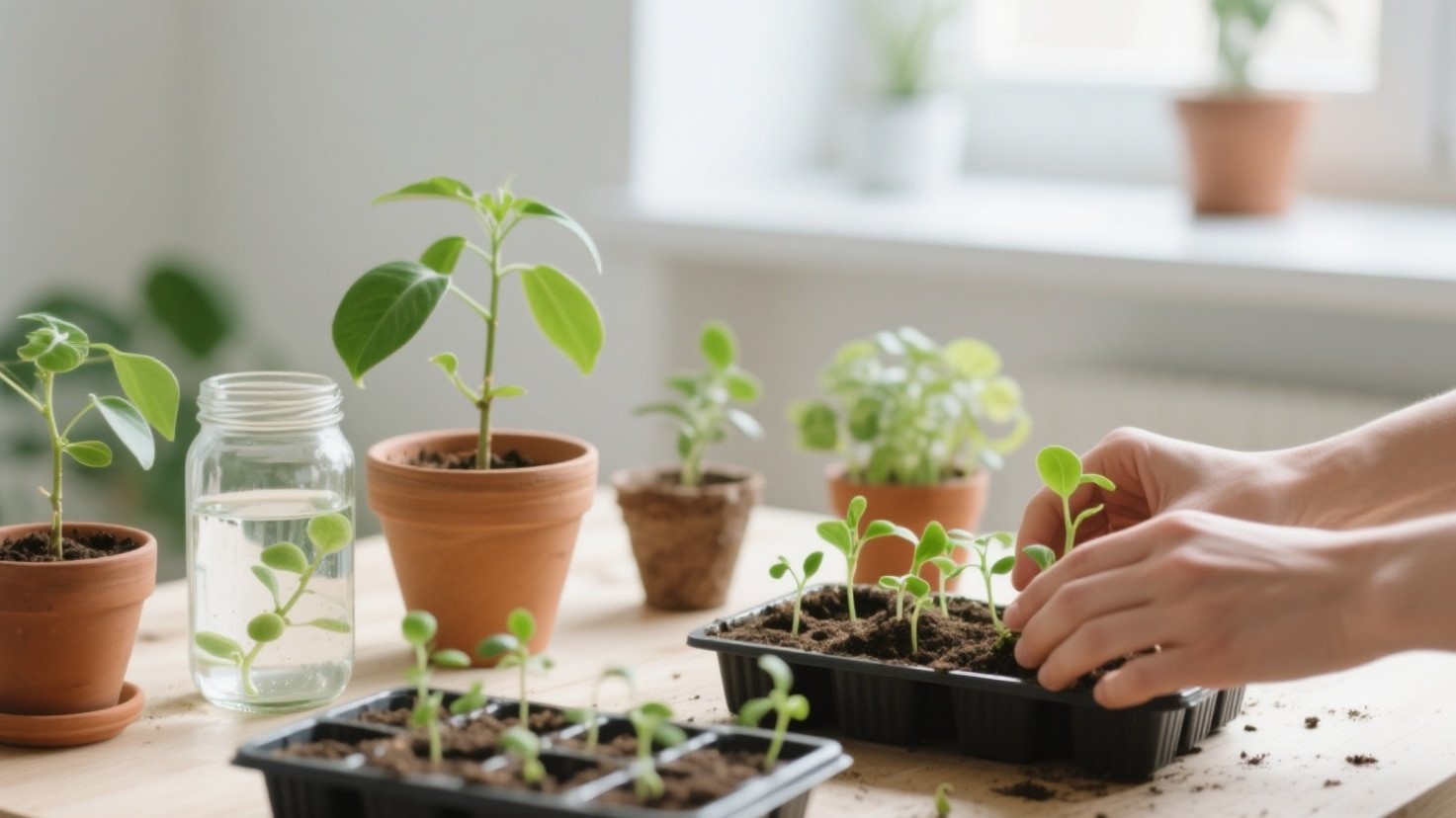
One of the most rewarding moments for any plant lover is realizing that you can grow an entirely new plant from a single cutting. 🌱
Plant propagation — the process of creating new plants from existing ones — isn’t just for experts or botanists. With a little care, the right tools, and some patience, even beginners can master it. Whether you’re looking to expand your indoor jungle, share plants with friends, or save money, propagation is a practical and magical skill worth learning.
But success isn’t guaranteed unless you understand how each plant type roots and what conditions they need to thrive. Let’s explore the easiest plants to propagate and how to keep your cuttings healthy from start to finish.
🌼 Why Propagation Works (and What’s Really Happening)
When you take a cutting, you’re essentially giving the plant a chance to grow roots from stem tissue that still carries its genetic blueprint. This is possible because of a plant’s meristematic cells — special cells capable of regenerating roots and shoots under the right conditions (moisture, warmth, and light).
By mimicking these conditions, you can encourage your cutting to “think” it’s still part of the parent plant — and that’s when roots begin to form.
🌿 The Easiest Plants to Propagate (and Why They Rarely Fail)
Below are beginner-friendly species known for their quick, forgiving rooting behavior — perfect for those just starting out.
🪴 1. Pothos (Epipremnum aureum)

Why it’s easy: Nearly indestructible and roots quickly in both water and soil.
How to propagate:
- Cut a 4–6 inch section of vine, making sure there’s at least one node (the small bump where leaves and roots grow).
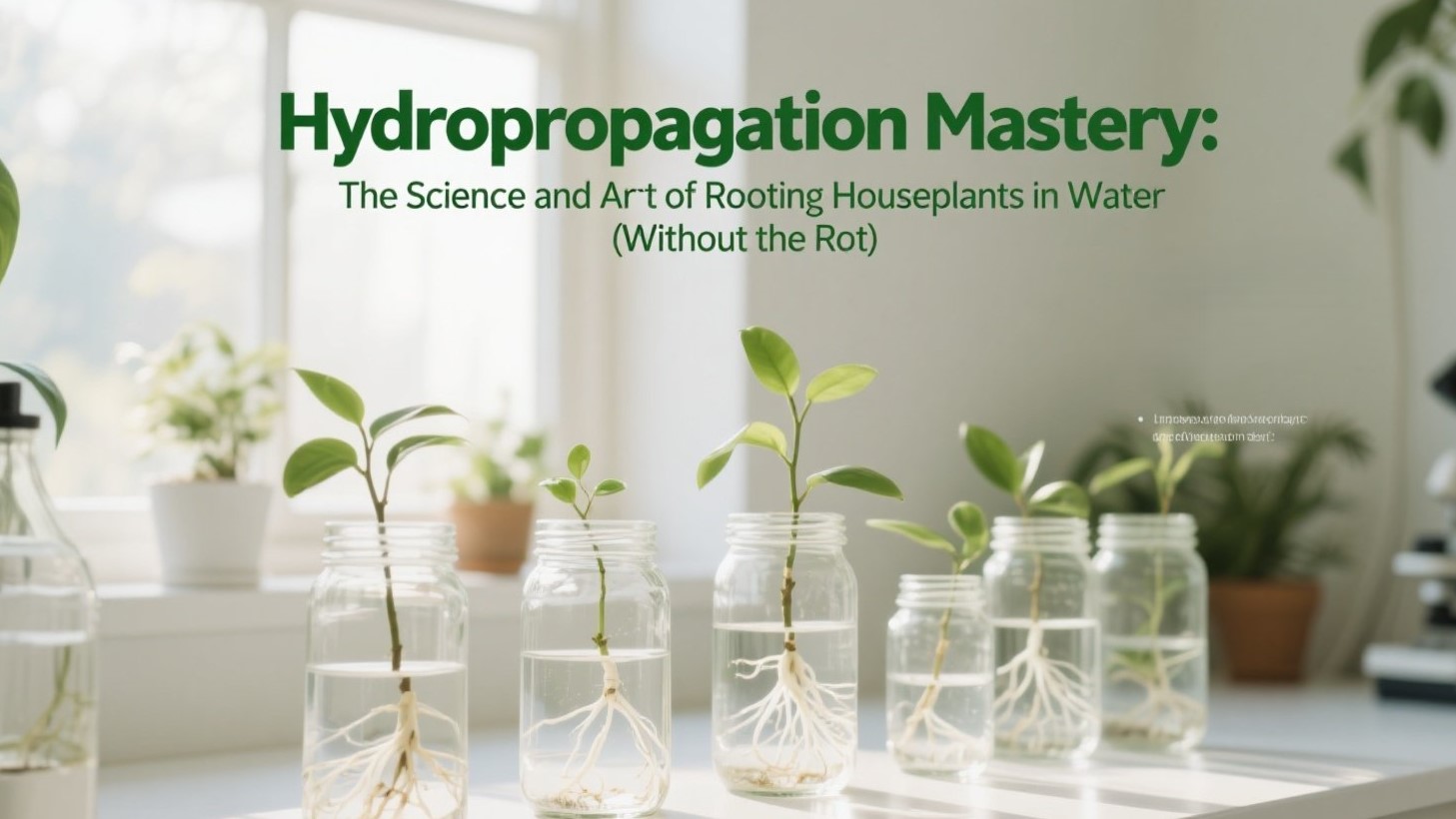
- Place in a jar of water, ensuring the node is submerged.
- Keep in bright, indirect light and change water every few days.
When ready to pot:
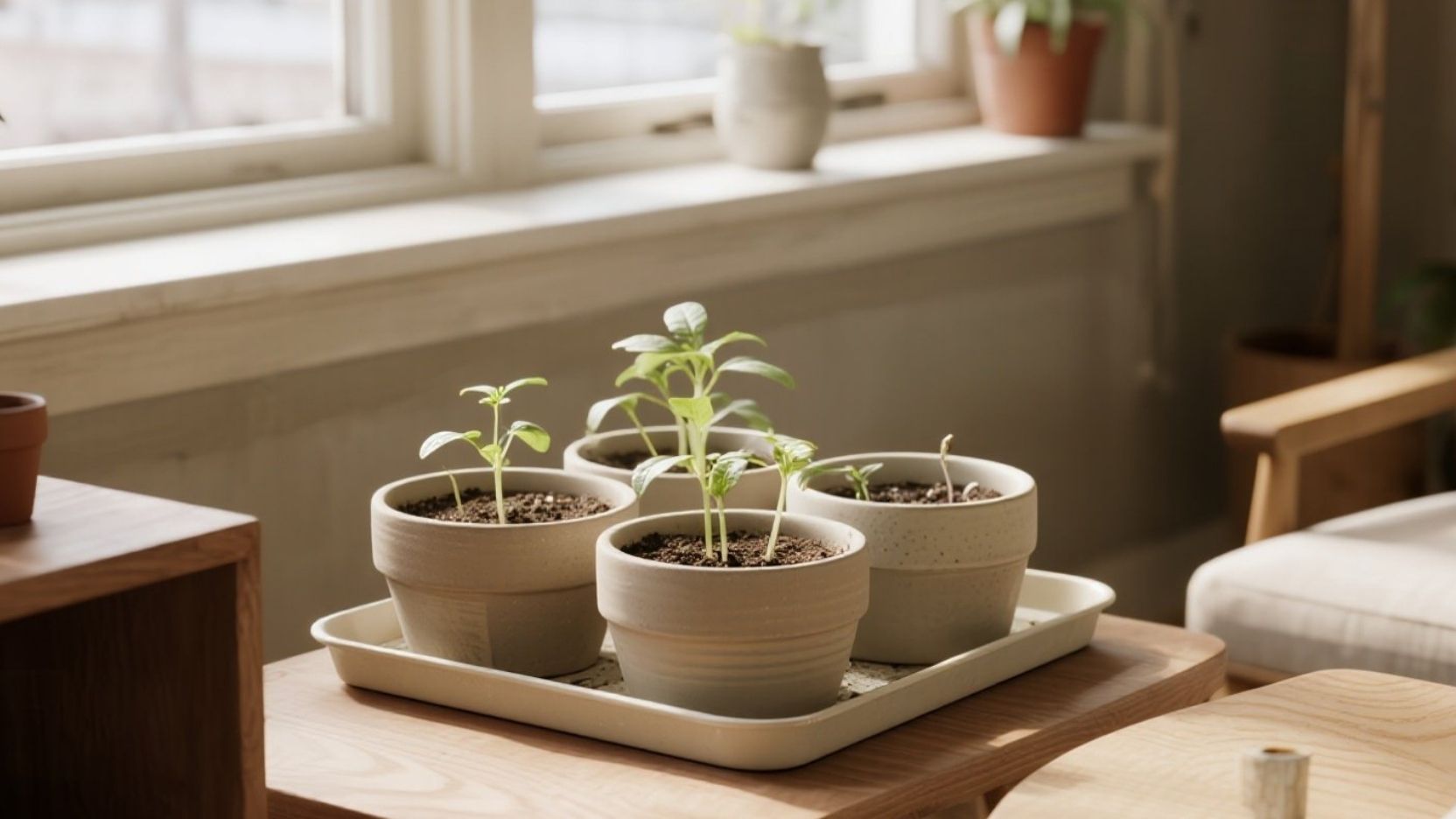
Once roots are about 2 inches long (usually after 2–3 weeks), transfer to soil.
💡 Tip: Pothos can even root under fluorescent office lights — perfect for low-light spaces.
🌱 2. Spider Plant (Chlorophytum comosum)

Why it’s easy: Produces baby plantlets (“spiderettes”) that are practically pre-grown.
How to propagate:
- Clip off a baby spiderette once it has small roots.
- Place in water or directly into soil.
- Keep soil evenly moist but not soggy.
Bonus: You can leave the baby attached to the mother plant while it’s rooting — the parent will continue supplying nutrients.
🌿 3. Snake Plant (Sansevieria trifasciata)

Why it’s easy: Can be propagated from leaf cuttings or division — roots grow slowly but steadily.
How to propagate:
- Cut a healthy leaf into 3–4 inch sections.
- Let the cut edges dry for 1–2 days (this prevents rot).
- Place upright in moist soil with the base end down.
💡 Tip: Keep the soil slightly damp and wait — it can take 6–8 weeks for new growth. Patience pays off!
🌿 4. Succulents (like Echeveria or Sedum)

Why it’s easy: Designed by nature to regrow from almost any leaf.
How to propagate:
- Gently twist off a healthy leaf.
- Let it dry for 2–3 days until a callus forms.
- Lay on top of dry succulent soil (don’t bury it).
- Mist lightly every few days until roots appear.
Important: Don’t overwater — succulent cuttings rot easily.
🌿 5. Coleus (Plectranthus scutellarioides)

Why it’s easy: Grows roots in just days in water.
How to propagate:
- Take a 4-inch cutting just below a leaf node.
- Remove lower leaves and place in water.
- Keep in a bright but shaded area.
When ready to pot:
After roots reach about 1 inch, transplant to soil. You’ll see new leaves within weeks!
💡 Pro Tip: Pinch off the tips occasionally to encourage bushier growth.
🌿 6. Mint (Mentha spp.)

Why it’s easy: Roots extremely fast and grows aggressively — great for beginners.
How to propagate:
- Take a 4-inch cutting from a healthy stem.
- Place in water or directly in moist soil.
- Roots appear within a week.
Tip: Grow mint in containers — it spreads fast and can take over a garden bed.
🌿 7. Tradescantia (Wandering Dude / Inch Plant)

Why it’s easy: Highly adaptable and decorative.
How to propagate:
- Snip a 3–5 inch stem just below a node.
- Place in water or moist potting mix.
- Roots form in 7–10 days.
💡 Bonus: Great for hanging baskets — snip and replant regularly to keep it lush.
🌞 Step-by-Step: How to Not Kill Your Cuttings
Propagation is easy, but mistakes happen when the basics are overlooked. Here’s how to maximize your success:
🪴 1. Use Clean Tools
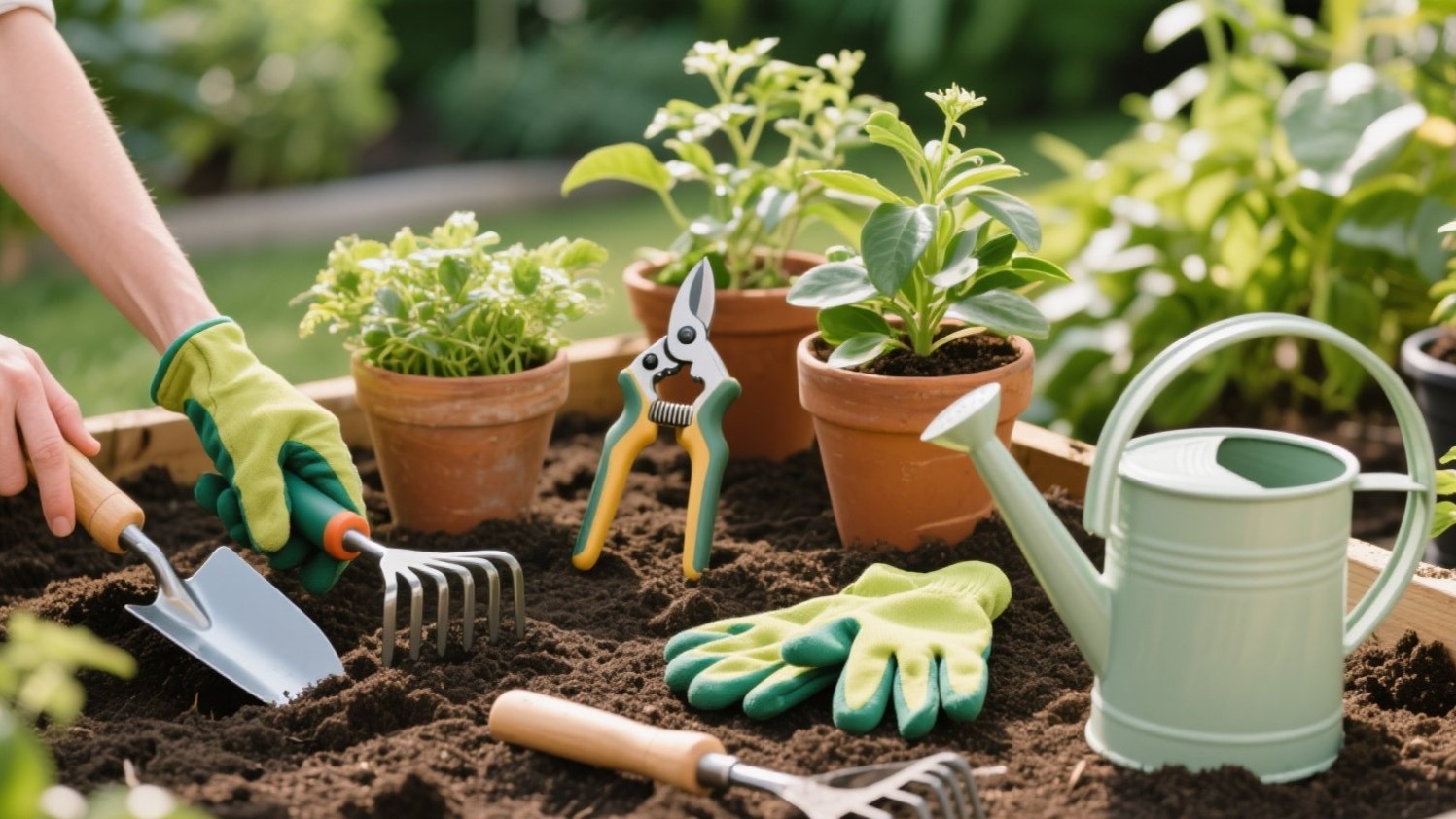
Always sterilize scissors or shears with rubbing alcohol before cutting to prevent infection.
💧 2. Avoid Overwatering
Too much water causes rot before roots can develop. The soil should be moist, not soaked.
🌤️ 3. Provide Indirect Light
Bright but indirect light encourages root growth — direct sun can scorch fragile cuttings.
🌡️ 4. Maintain Warmth
Cuttings root best at temperatures between 21–27°C (70–80°F). A heat mat can help if your home is cool.
🌫️ 5. Boost Humidity
Cover your cuttings with a clear plastic bag or dome to create a mini greenhouse — this keeps moisture in while roots form.
⏳ 6. Be Patient
Some species root in a week, others in a month. Don’t give up if nothing happens right away!
🌼 Common Mistakes to Avoid
🚫 Taking cuttings without nodes
🚫 Placing cuttings in dark corners
🚫 Constantly moving or replanting them too early
🚫 Forgetting to refresh water or check for rot
Remember — each cutting is a small experiment. Even failed attempts are valuable lessons in observation and care.
🌿 Final Thoughts: Multiply Your Garden, Multiply Your Joy
Propagation is one of the simplest, most sustainable ways to expand your plant collection. Each new cutting represents growth, patience, and the incredible resilience of nature.
When done right, propagation isn’t just a gardening trick — it’s an act of renewal. You’ll soon find that sharing your homegrown plants with friends is just as satisfying as watching them grow. 🌱💚