
Why layering works (the color “handoff”) 🌈
Layering turns a short tulip moment into a months-long show by handing off color to the next wave of bloomers. Tulips peak, then their foliage must recharge for 4–6 weeks, which is when gardens can look tired. Partner plants that wake up right after tulips keep beds photogenic while leaves fade gracefully.
Tulips are hardy in many temperate climates and typically sit at 10–14 inches of spring foliage height. Choose companions that emerge just taller than that line, so they veil yellowing leaves without smothering them. Think of it like a relay race: one runner finishes strong while the next one is already sprinting. 🏃♀️🌷

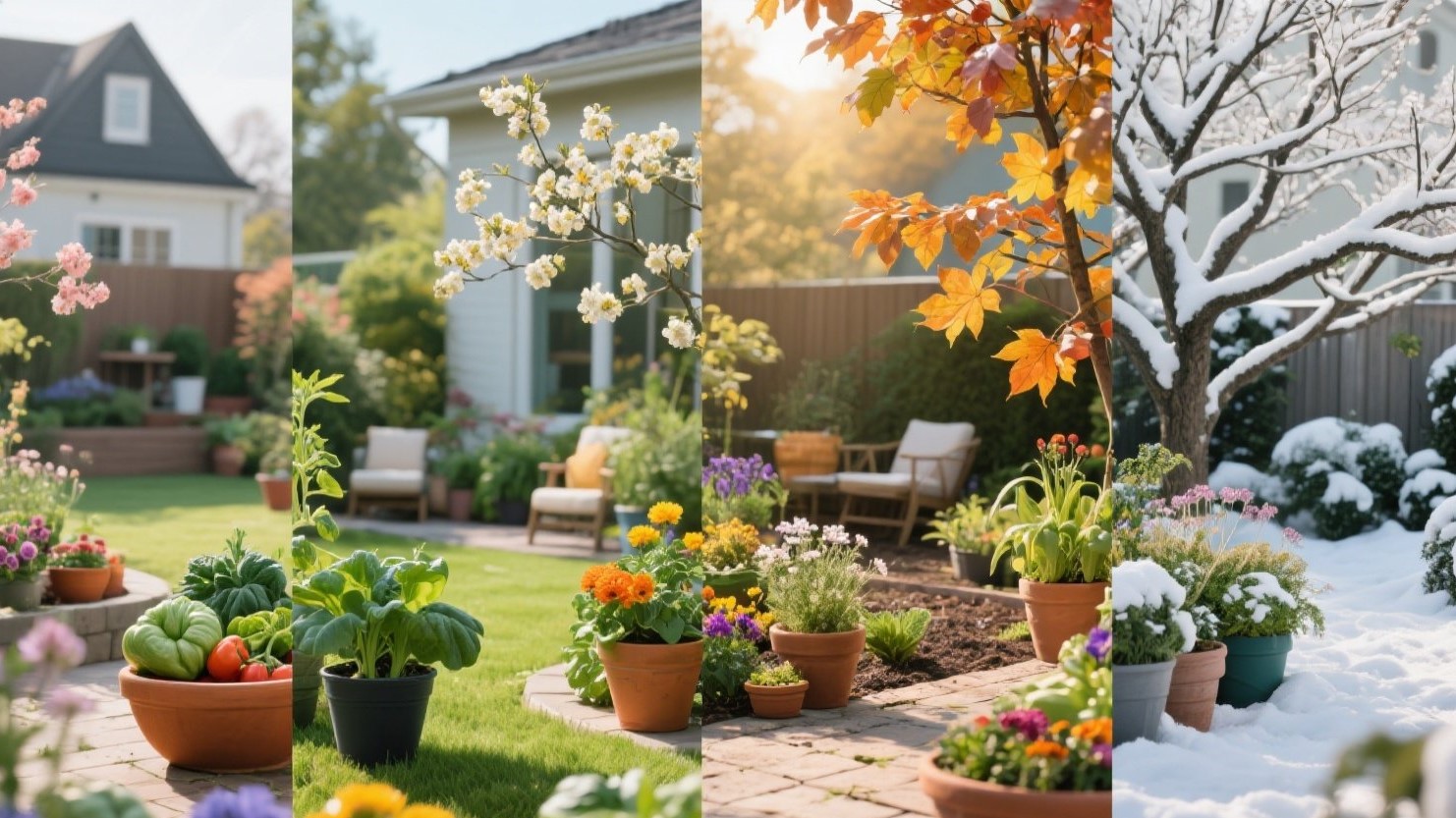
Early → mid → late color sequence 🌼→🌺→🌸
Early (with tulips): Bearded or Siberian irises bring vertical flags and swordlike leaves that echo tulip shape. The overlap feels intentional: tulips deliver saturated cups while irises add architectural lines and a second focal height. Aim for complementary palettes—e.g., apricot tulips with violet irises for instant contrast. 💜🧡
Mid-season bridge: As tulips finish, cue poppies, salvias, or snapdragons for continuous bloom and pollinator traffic. Nepeta (catmint) can also form a cool lavender “mist” that disguises tulip die-back. This bridge period keeps eyes moving so no one notices the cleanup happening underneath. 🐝
Late anchor: Asters and hardy mums extend the party into late summer and fall. Their dense mounds and daisy forms reset the bed’s texture after spikes and cups. Choose mildew-resistant asters and cushion mums for tight, photo-ready shapes. 🍂
Height & spacing cheatsheet to hide yellowing leaves 📏
Match heights so companions are just taller than post-bloom tulip foliage. For most beds: tulip foliage 10–14″, daylilies/nepeta/salvia 16–24″, bearded iris 24–30″, asters/mums 18–24″. This ratio covers the mess without shading bulbs to death. 🌿
Spacing rules that save you work: Plant tulips 4–6″ apart at 6–8″ deep; stagger companions 12–18″ apart depending on variety. Leave a 6–8″ “service lane” around clumps so spent tulip stems can be removed without trampling new growth. Mulch lightly in spring to keep moisture even and the scene tidy while leaves mature energy back into bulbs. ✅
Mini plans for sun vs. part-shade beds ☀️🌤️
Full sun plan (6–8 hours): Front row: low nepeta to create a haze that hides fading leaves. Mid row: daylilies or salvias to take the baton in early summer. Back row: fall asters or compact mums to anchor the finale; add one ornamental grass for movement. ✨
Part-shade plan (3–5 hours bright light): Front row: heuchera or lamium for leaf color that distracts from tulip senescence. Mid row: hosta or hardy geranium to bulk up and screen foliage with lush leaves. Back row: Japanese anemone or shade-tolerant asters for late pops without sun stress. 🍃

Quick care notes for longer bloom and reliable returns 🧰
Deadhead tulips after petals drop, but leave stems and leaves until they naturally wither. Water deeply during the recharge window and avoid cutting green foliage, since that’s next year’s flower budget. In fall, top-dress with compost to fuel both bulbs and perennials without shocking the soil food web. 🌱
Divide clumping partners like daylilies or nepeta every 3–4 years to keep screens dense but not overcrowded. Choose disease-resistant cultivars of asters and mums to minimize summer maintenance. Treat your design like a storyboard: early drama, mid-season rhythm, fall finale. 🎬

Section image prompt recap (copy-paste ready)
-
Intro/Why Layering Works: close-up relay concept garden + tulip foliage fading + fresh perennial growth rising + depth-of-field + caption “color handoff” + spring morning dew
-
Early → Mid → Late Sequence: triptych garden scene + tulips & irises + salvias poppies snapdragons + asters mums + seasonal light + infographic labels
-
Height & Spacing Cheatsheet: soil cross-section + bulbs depth 6–8″ + height markers + spacing grid + clean labels + macro detail
-
Sun vs. Part-Shade Plans: split overhead plan + labeled front/mid/back rows + daylily nepeta asters + hosta heuchera anemone + soft diagram style
-
Quick Care Notes: deadheading close-ups + composting + “recharge window” callout + natural documentary lighting
Fast reference: plant combos by season 🗓️
-
Early overlap: Tulips + Bearded/Siberian Iris
-
Mid bridge: Tulip fade + Poppies/Salvia/Snapdragons/Nepeta
-
Late anchor: Asters + Hardy Mums
With these handoffs and height tricks, your tulip beds stay camera-ready from first bloom to sweater weather. Happy layering and longer blooming! 🌷🙌