
Introduction
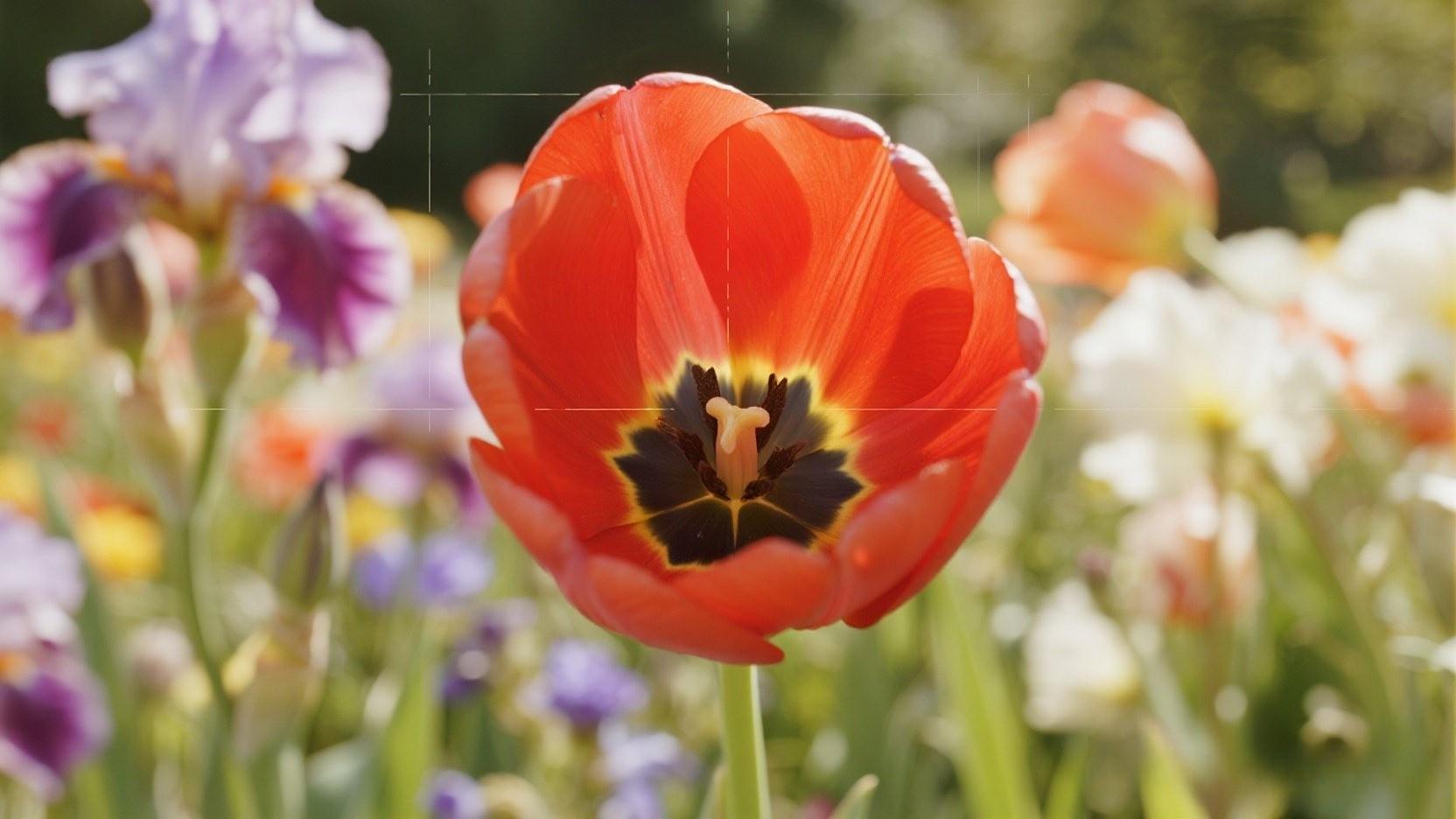
Spring’s headline act ends fast: tulips blaze, then their foliage flops—and your border suddenly looks “between shows.” 🌷➡️😶 The fix isn’t more work; it’s smarter casting—pairing tulips with plants that rise exactly when petals fall. Think of it as a garden relay where the baton never hits the ground.
This guide curates community-trusted combos—tulips + daylilies, catmint/salvia, hosta for shade, and later lilies—so you get seamless color and tidy structure. 🌿💡 Each pairing includes quick pros/cons, realistic care notes, and spacing pointers that keep beds photo-ready. By the end, you’ll have a one-page shopping list timed by bloom window, so your garden hums from April into summer without the awkward pause. ✅📅
1) Tulips + Daylilies: The Foliage Screen That Saves Spring Beds 🌷🟡
Tulips blaze early and then collapse into floppy, yellowing leaves—right when your path photos begin. Daylilies (Hemerocallis) surge just as tulips fade, throwing up clean, strappy foliage that covers spent tulip leaves while you let them recharge. The result is a seamless handoff: spring fireworks, zero messy “intermission,” and buds stacking for early summer color. 😊
This combo is loved because it’s low-drama and high-impact for mixed borders and front-yard beds. Pros: daylily foliage hides tulip die-back; drought-tolerant once established; huge color range to echo or contrast tulips. Cons: daylilies can bulk up fast and require division every few years; some varieties rebloom unevenly; deer may browse in certain regions. 📝

2) Tulips + Catmint/Salvia: Color Bridges and Pollinator Flow 🌷💜
Catmint (Nepeta) and salvias light up just as tulips bow out, washing borders in blues and violets that flatter every tulip palette. Their airy habit threads between bulbs, giving you movement, bees, and a cool “afterglow” that reads designer without effort. In windy sites, these perennials also help stabilize tall tulip stems during late storms. 🐝
This pairing is about rhythm—tulips as the chorus, catmint/salvia as the bridge to early summer. Pros: extended bloom window; pollinator magnet; shear-and-rebloom habit keeps beds fresh. Cons: needs one shearing to prevent flop and encourage a second flush; some salvias resent heavy, water-logged soil; catmint can seed lightly if not deadheaded. ✂️

3) Tulips + Hosta in Shade: When Leaf Drama Is the Show 🌷🌿
In dappled shade or north-facing beds, tulips deliver the pop; hosta delivers the long season. As tulips decline, emerging hosta leaves unfurl into bold shapes and variegations, instantly tidying the scene. The contrast—sleek tulip cups over sculptural hosta—is photogenic from porches and entry walks. 📸
This combo excels where afternoon shade protects both players from heat stress. Pros: hosta leaves cloak tulip senescence; minimal maintenance beyond slug watch; countless leaf colors and sizes for design play. Cons: only works where summer shade is consistent; hosta needs moisture and slug/snail management; deer protection often required. 🌧️

4) Tulips + Later Lilies (All-Bulb Bed): A Bulb-Only Relay 🌷🧭🧡
If you love bulb precision, pair tulips with Asiatic, LA-hybrid, or early oriental lilies for a clean, layered relay. Plant lilies deeper and slightly behind tulip lines so stalks rise right as tulip foliage retires. You’ll get spring spectacle followed by architectural stems and starry summer flowers—all from bulbs you bury in fall. 🌟
This is the minimal-weeding, maximal-drama strategy for formal beds and narrow strips. Pros: one planting season powers two bloom waves; vertical accents make small spaces feel lush; easy to color-coordinate. Cons: lilies need staking in windy corridors; beetle pressure in some regions; fragrance preference varies by cultivar and household. 🪴

Planting Pattern That Works Across All Combos 🧩
Stagger bulbs in triangles (8″ centers) with perennials offset by 6–10″ to avoid piercing tulips at planting. Keep tulips at 6–8″ deep in most climates; lilies deeper (per label), daylilies and hosta at crown level, catmint/salvia just above grade. Feed lightly at planting and again as shoots emerge; then let perennials carry aesthetics while tulip foliage restores bulbs. 🌱
Water logic matters: tulips want spring moisture and summer dry-down, which daylilies, catmint, and salvia tolerate well. In shade mixes, prioritize mulch to hold hosta moisture without rotting bulbs. Deadhead tulips to redirect energy to bulbs, then resist cutting leaves until they’ve yellowed naturally. ✅
One-Page Shopping List by Bloom Window 🛒🗓️
Use this as a quick pick-list at the nursery; choose colors to echo or contrast your tulips.
Early–Mid Spring (anchors)
-
Tulips (Darwin hybrids, Triumph, singles) — primary color splash; standard 6–8″ depth; 8″ spacing.
-
Bonus for windy sites: short fosteriana/greigii types for sturdier stems.
Late Spring (bridge bloom & foliage cover)
-
Catmint (Nepeta ‘Walker’s Low’, ‘Cat’s Pajamas’) — shears for rebloom; 18–30″ tall.
-
Salvia (S. nemorosa ‘Caradonna’, ‘May Night’) — dark stems, easy cut-back.
-
Daylilies (Hemerocallis ‘Stella de Oro’, ‘Happy Returns’, or tall mids) — foliage screen + summer color.
Shade Companions (structure after tulips)
-
Hosta (variegated, blue, or chartreuse forms) — pick leaf size to match bed scale; slug defense as needed.
-
Brunnera or Heuchera (optional) — extra leaves/texture if deer pressure allows.
Summer Stars (all-bulb relay)
-
Lilies
-
Asiatic/LA-hybrid — earliest lily color, typically fragrance-light.
-
Oriental/OT hybrids — bigger flowers, scent varies; stake in wind.
-
-
Support — discreet stakes, lily beetle control where present.
Quick Care Cheatsheet 🧯
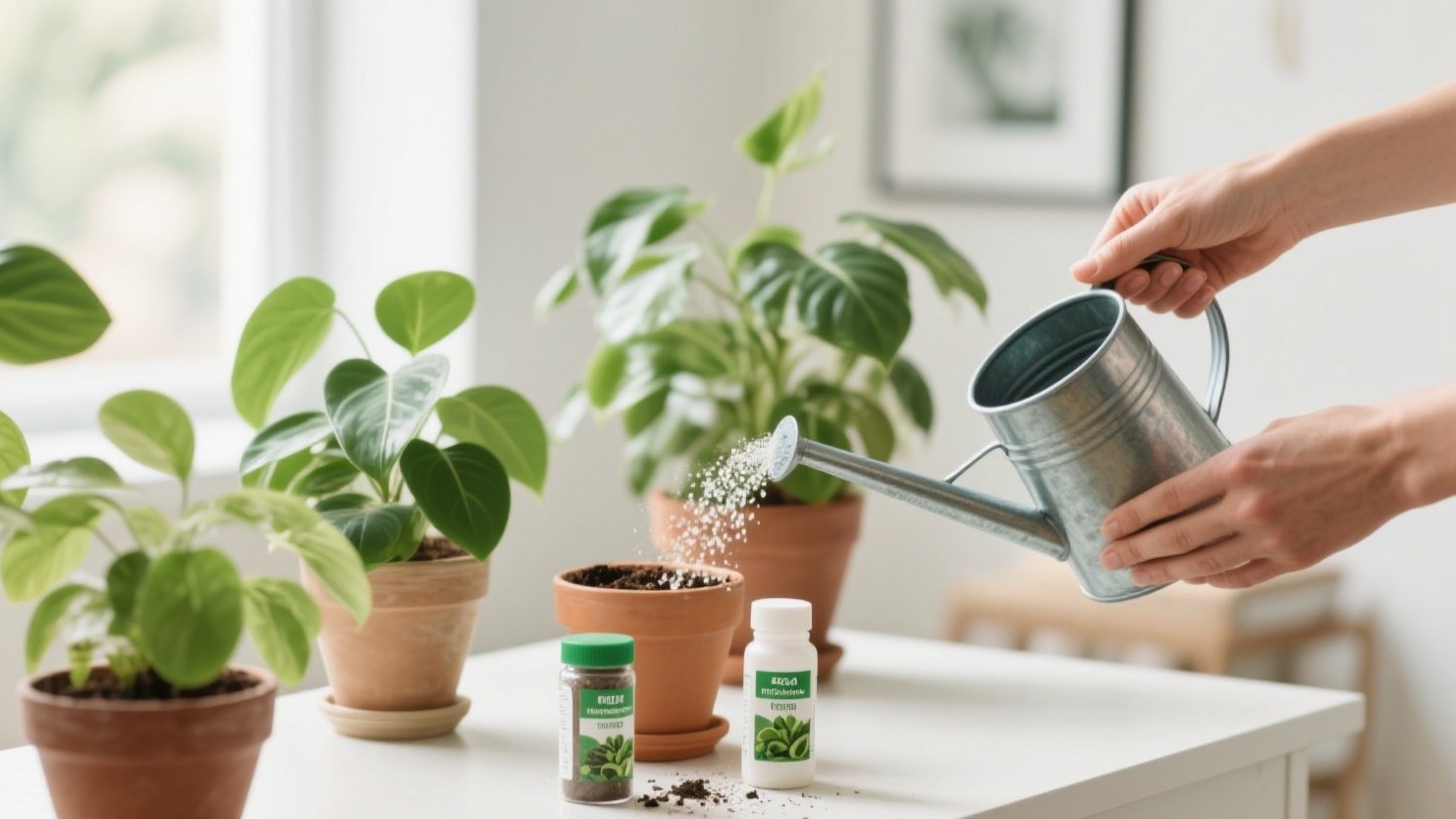
Fertilize bulbs with a balanced, slow-release product at planting and as shoots appear the next spring. Shear catmint/salvia after the first wave to trigger compact regrowth, and divide daylilies every 3–4 years to keep clumps vigorous. In shade, water deeply but less often to push hosta roots down and stabilize foliage through heat. 💧
Where deer or rabbits are common, prioritize resistant cultivars and physical barriers during emergence. In rainy zones, elevate drainage with coarse compost and avoid over-mulching crowns. For tight spaces, pick dwarf catmint/salvia and compact lilies to maintain crisp edges. 🦌
Final Note 🌈
These four pairings—tulips + daylilies, tulips + catmint/salvia, tulips + hosta in shade, and tulips + later lilies—are community-tested because they solve the same problem differently: hide the fade, keep color moving, and reduce maintenance. Treat tulips as Act I and choose the right Act II based on your light, water, and wildlife reality. With a smart pairing, there’s no “lull,” only a smooth seasonal crescendo. 🎶