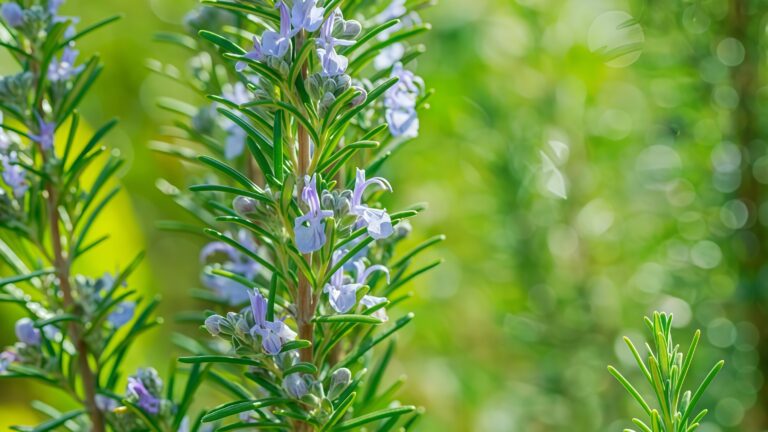
Rosemary is a beloved Mediterranean herb known for its aromatic foliage and culinary versatility. While it has a reputation for being challenging to grow indoors, understanding its natural preferences will help you cultivate a thriving plant. Here’s your complete guide to rosemary success.
1. Light: Full Sun is Non-Negotiable
- Ideal Conditions: 6-8 hours of direct sunlight daily
- Best Location: South-facing window or outdoor spot with full sun
- Indoor Success: Requires the sunniest spot in your home
- Light Deficiency: Causes leggy growth and poor fragrance
2. Watering: The “Dry Side” Approach
- Watering Rule: Allow soil to dry completely between waterings
- Method: Water thoroughly, then wait until top 2 inches are dry
- Signs of Overwatering: Yellowing leaves and musty soil smell
- Winter Care: Reduce watering frequency during dormant period
3. Soil and Potting: Excellent Drainage is Key
- Soil Type: Sandy, well-draining mix with perlite or grit
- Container: Terra cotta pots ideal for moisture evaporation
- Repotting: Every 2-3 years in spring when root-bound
4. Temperature and Humidity
- Ideal Temperature: 60-75°F during active growth
- Winter Hardiness: Hardy to 20°F when established
- Humidity: Prefers low humidity – avoid misting leaves
5. Feeding: Light and Infrequent
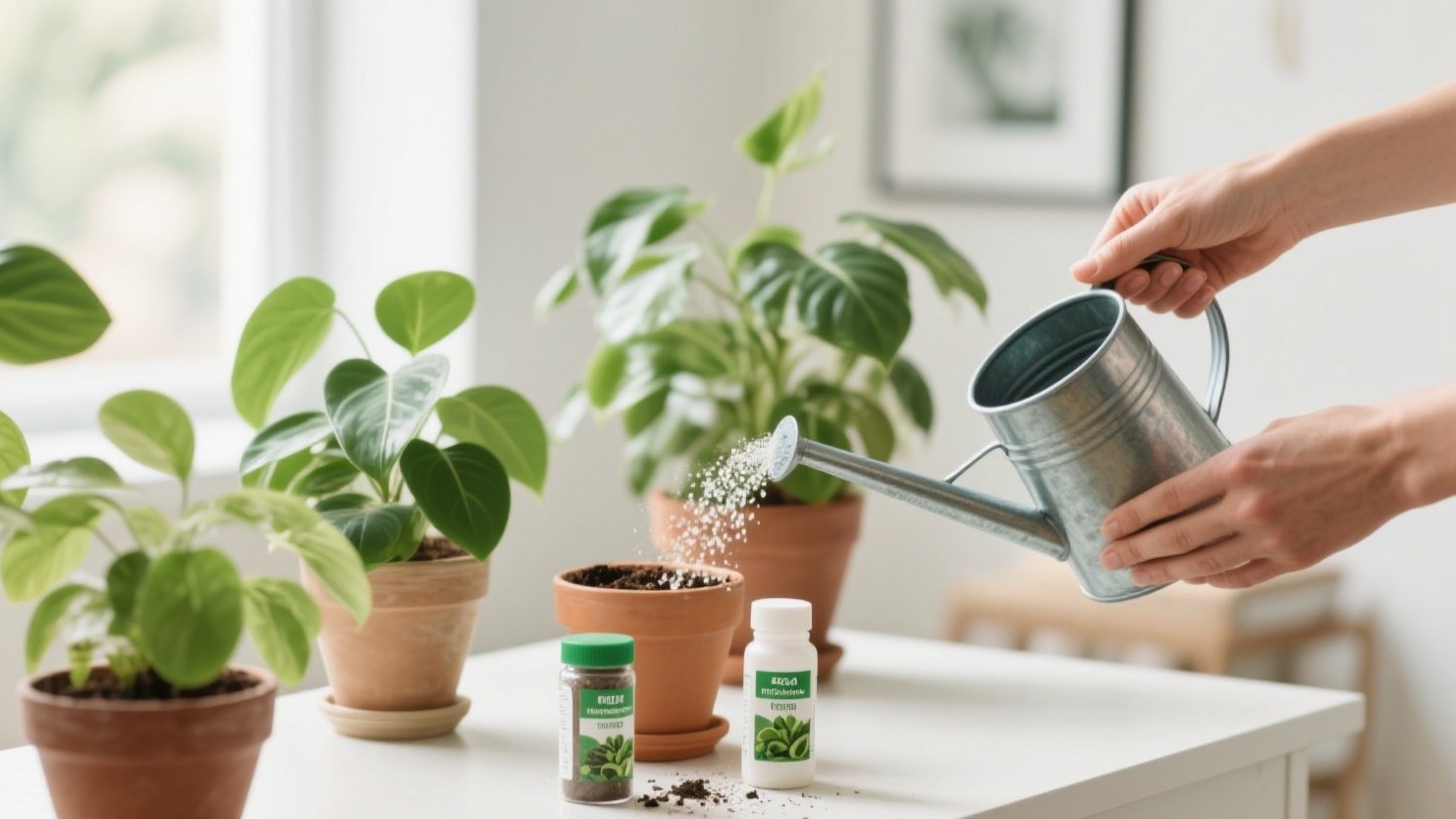
- Fertilizing: Use half-strength balanced fertilizer monthly in growing season
- Organic Option: Compost tea provides gentle nutrition
- Dormant Season: No feeding in winter
6. Pruning for Bushy Growth
- Harvesting: Regular harvesting promotes branching
- Pruning: Never remove more than one-third of growth at once
- Shape: Prune after flowering to maintain compact form
7. Propagation Made Simple
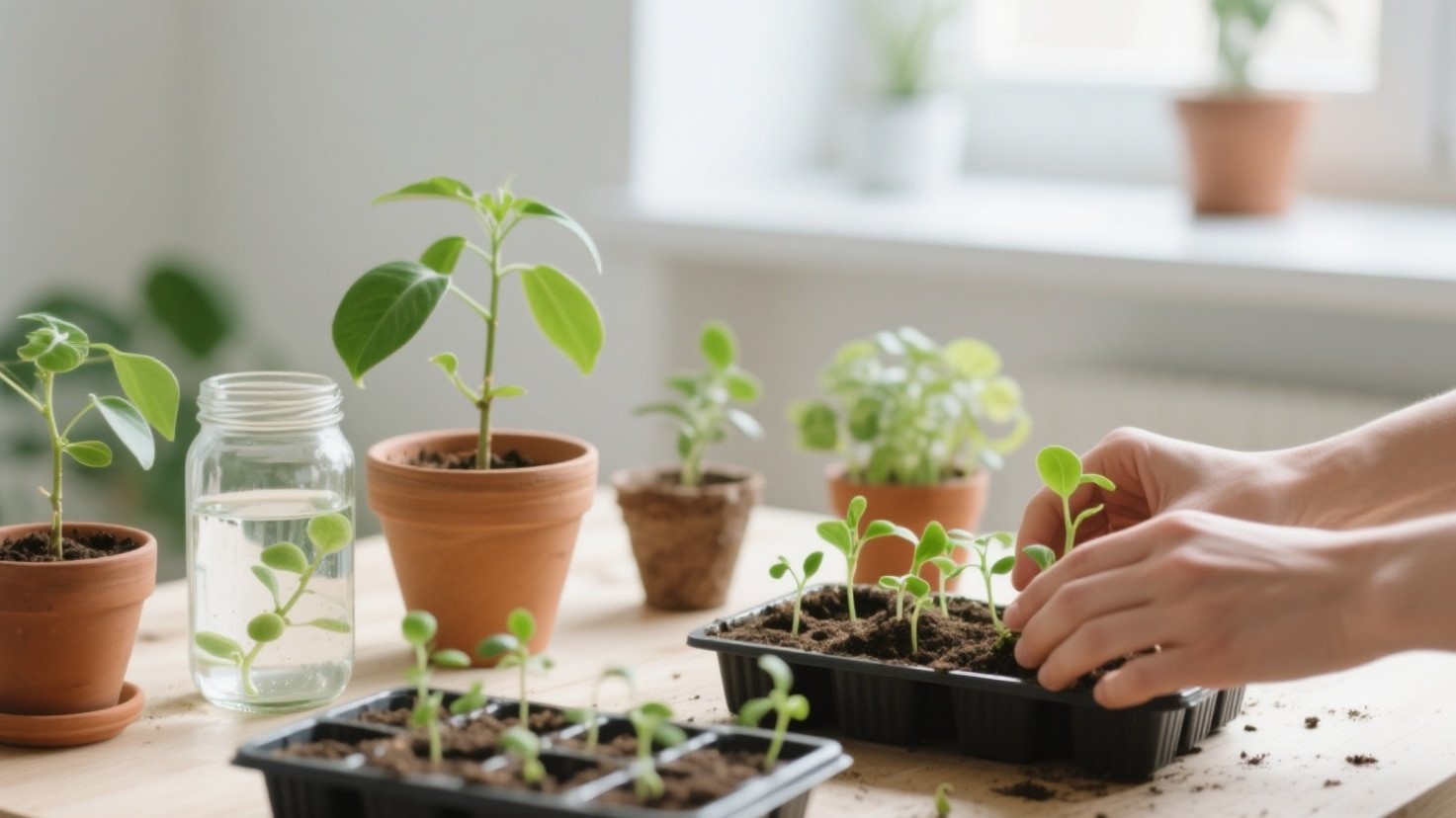
- Stem Cuttings: Take 4-inch cuttings from new growth
- Rooting: Remove lower leaves, dip in rooting hormone, plant in sandy mix
- Success Rate: High when kept warm and slightly moist
8. Common Problems and Solutions
- Powdery Mildew: Improve air circulation and reduce watering
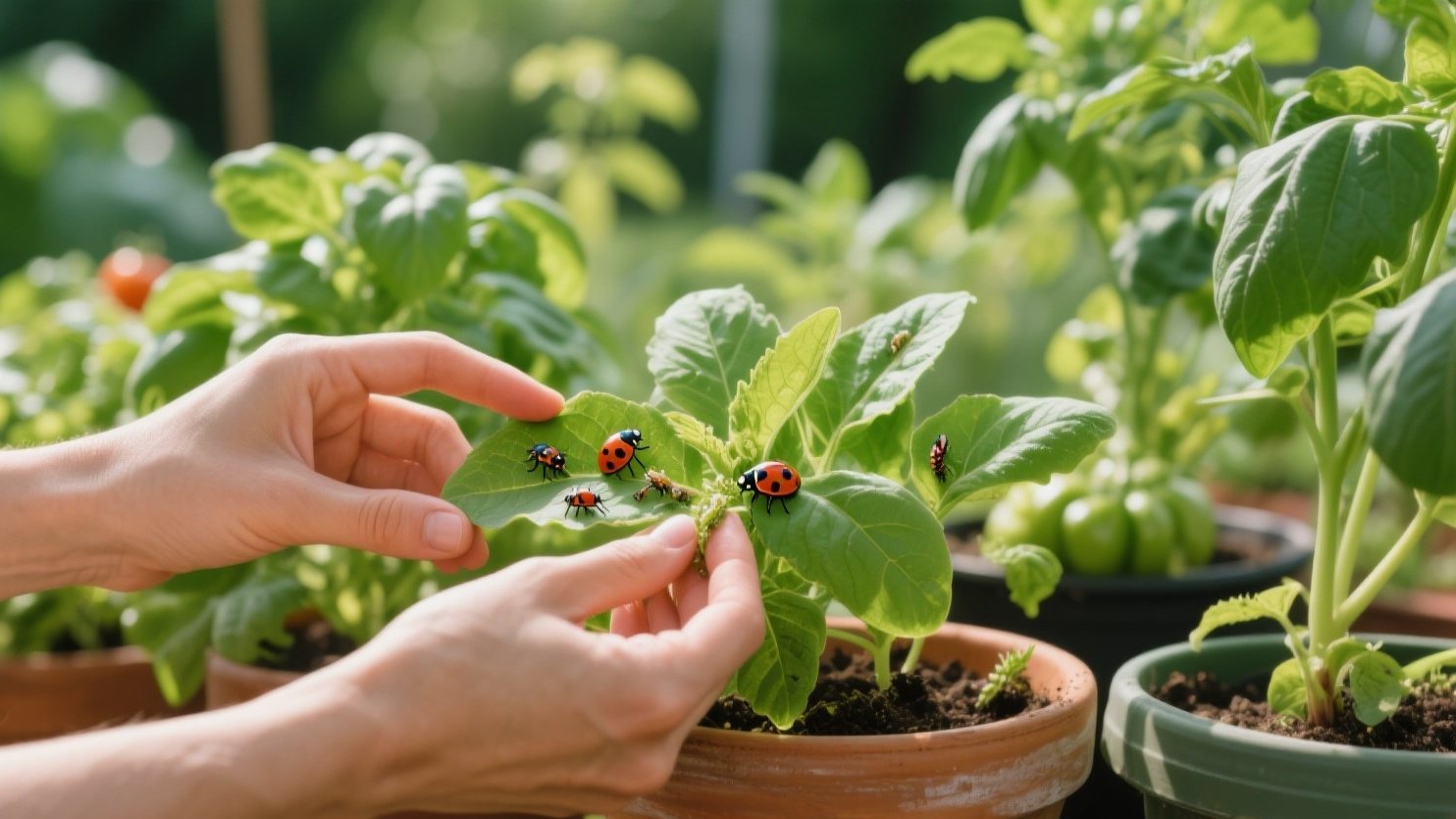
- Spider Mites: Treat with insecticidal soap or neem oil
- Root Rot: Always caused by overwatering – improve drainage
Why Rosemary is Worth Growing:
- Culinary Uses: Fresh herbs for cooking year-round
- Aromatic: Freshens indoor air naturally
- Ornamental: Attractive needle-like foliage
- Pollinator-Friendly: Flowers attract bees when grown outdoors
Pro Tip: Grow rosemary near your kitchen for easy access while cooking. The more you harvest, the bushier your plant will become!
While rosemary demands specific conditions, its delightful fragrance and culinary value make it one of the most rewarding herbs to grow. With plenty of sun, excellent drainage, and careful watering, your rosemary plant will thrive for years to come.