A soft landing (Not a shock move) 🌿
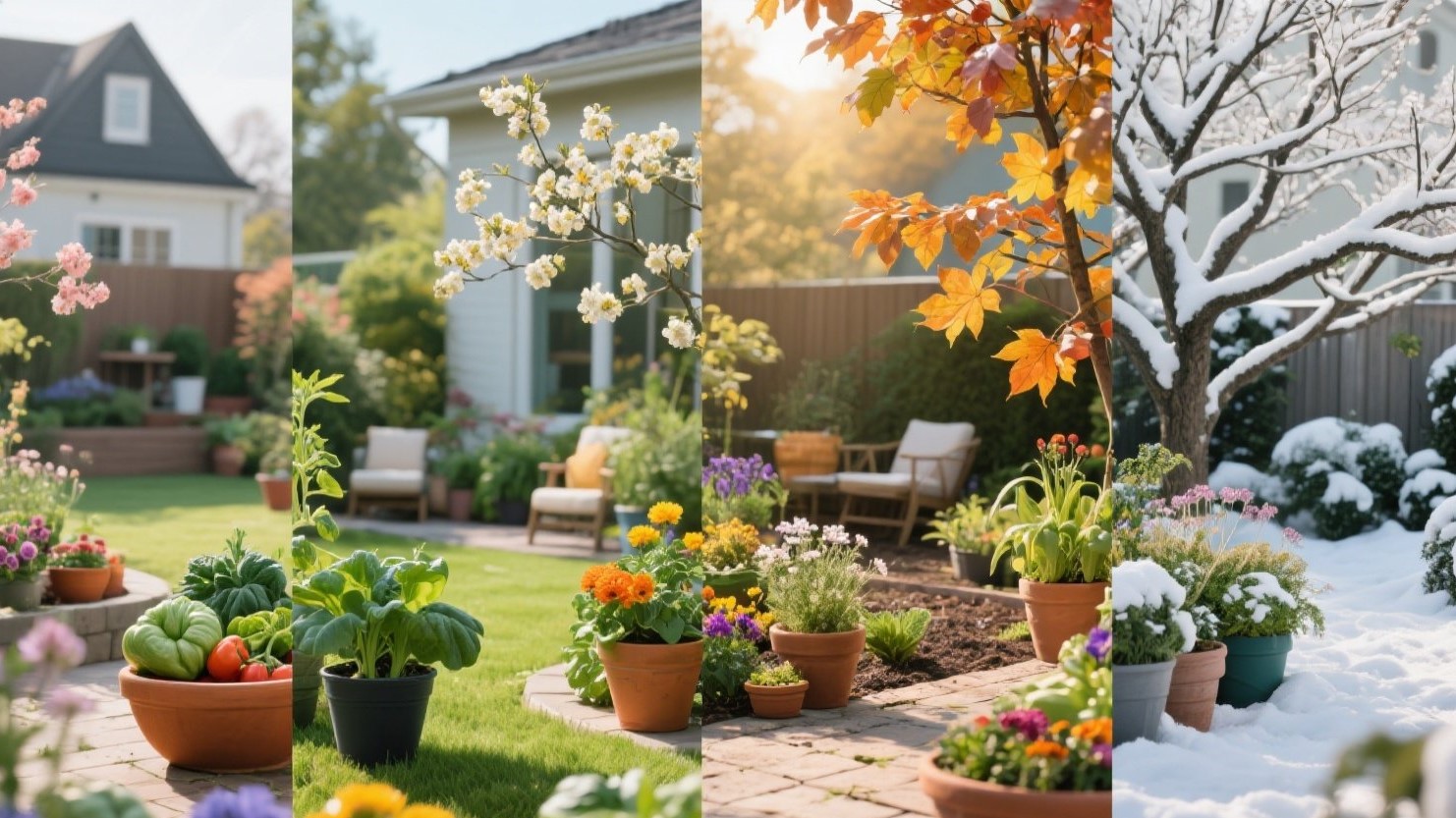
When nights get cooler and days get shorter, your plants don’t “die suddenly”—they slow down. The goal is to bring them inside without carrying pests across the threshold and without forcing them to adapt overnight 😅. Think of this as a cozy transition: clean, check, trim, then gradually adjust to indoor light and air.
Step 1: Pick the right day and stage your “plant landing zone” 🧺
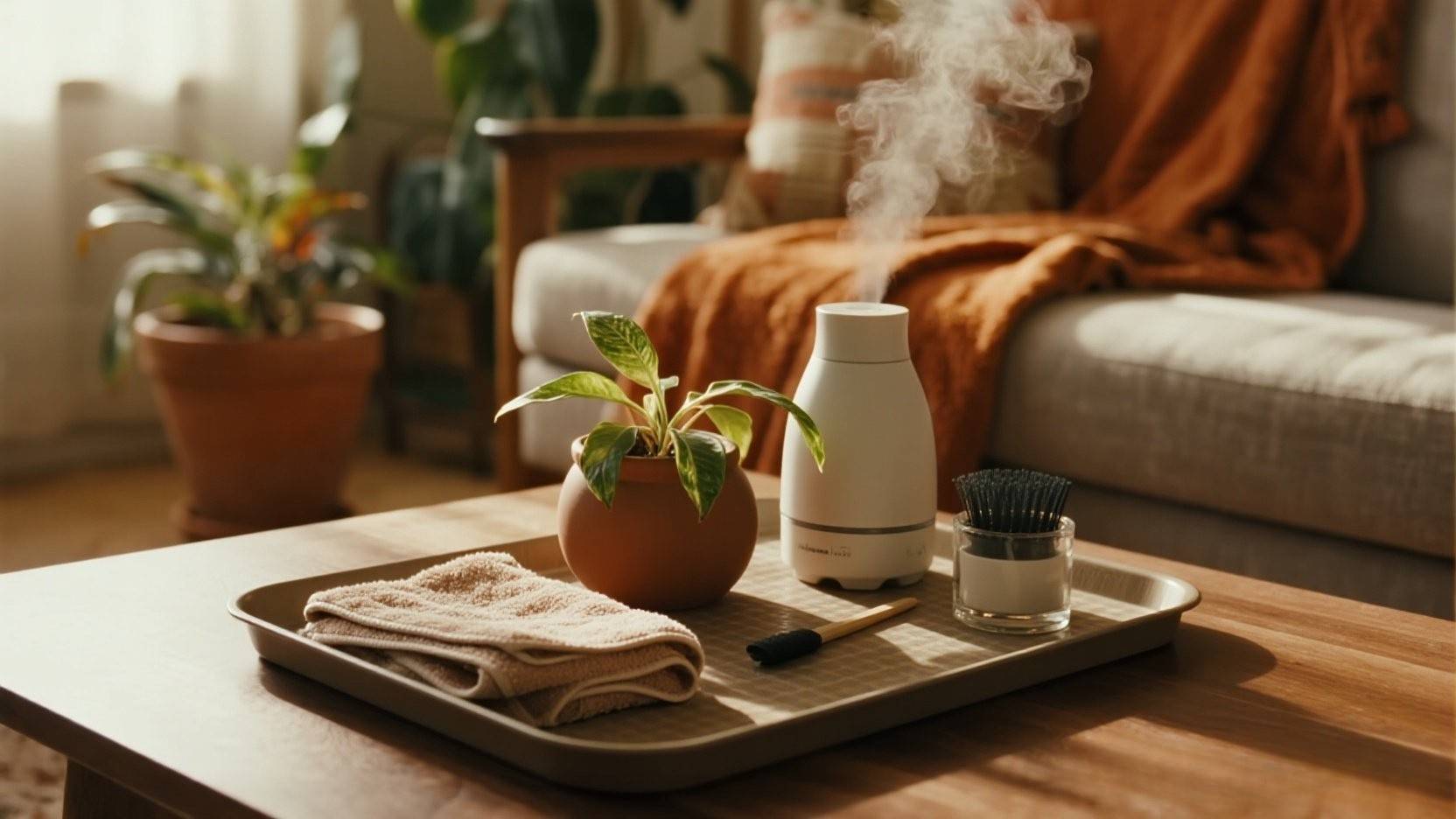
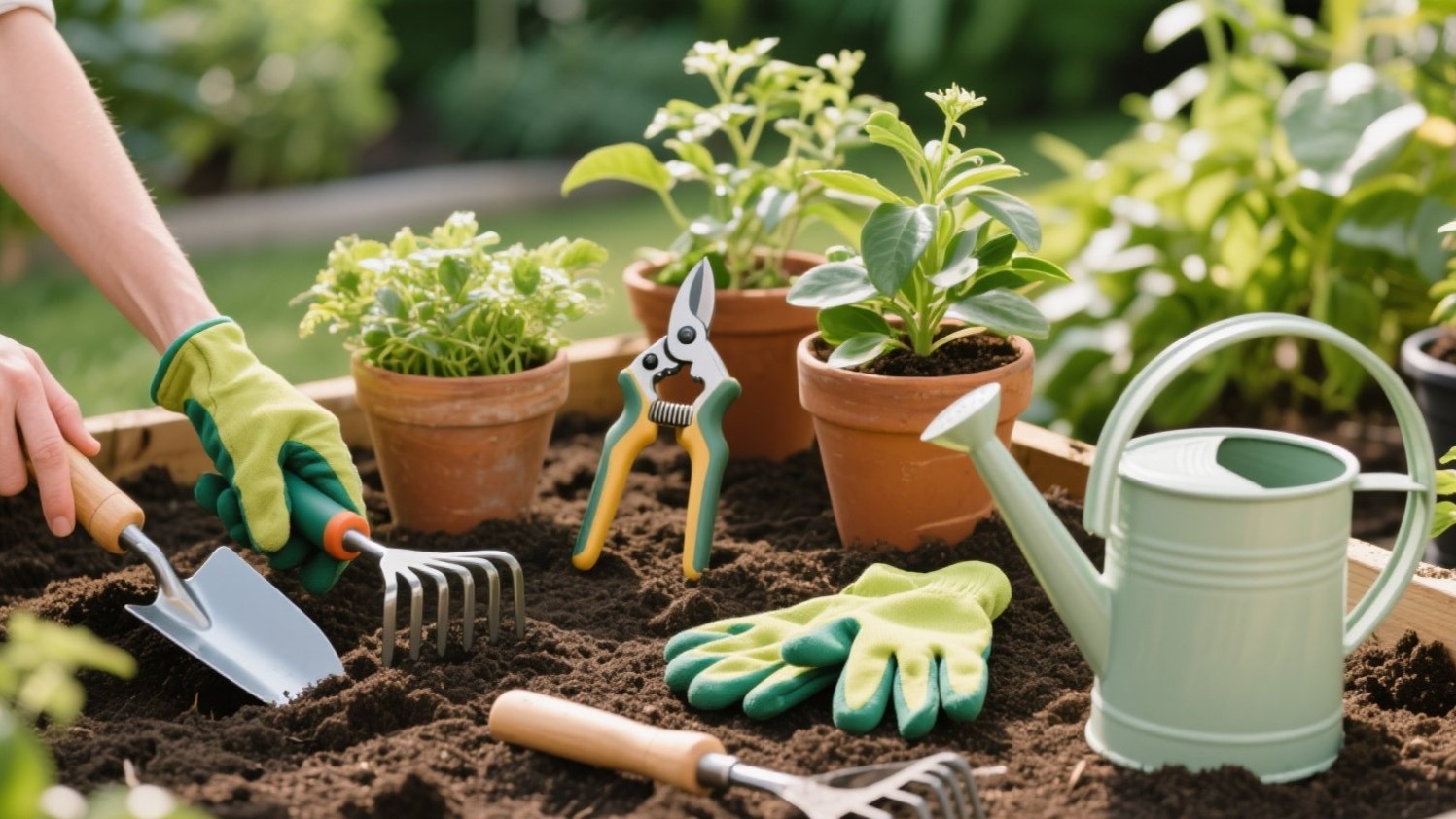
Choose a dry day (not right after rain) so soil isn’t soggy and leaves aren’t wet—both make inspection harder 🌤️. Set up a landing zone near a sink, shower, or bathtub with an old towel, gloves, and a small trash bag for debris. If you can, keep this area separate from your main indoor plants so you can spot problems early 👀.

Step 2: Rinse, inspect, and treat before they cross the threshold 🚿🕵️
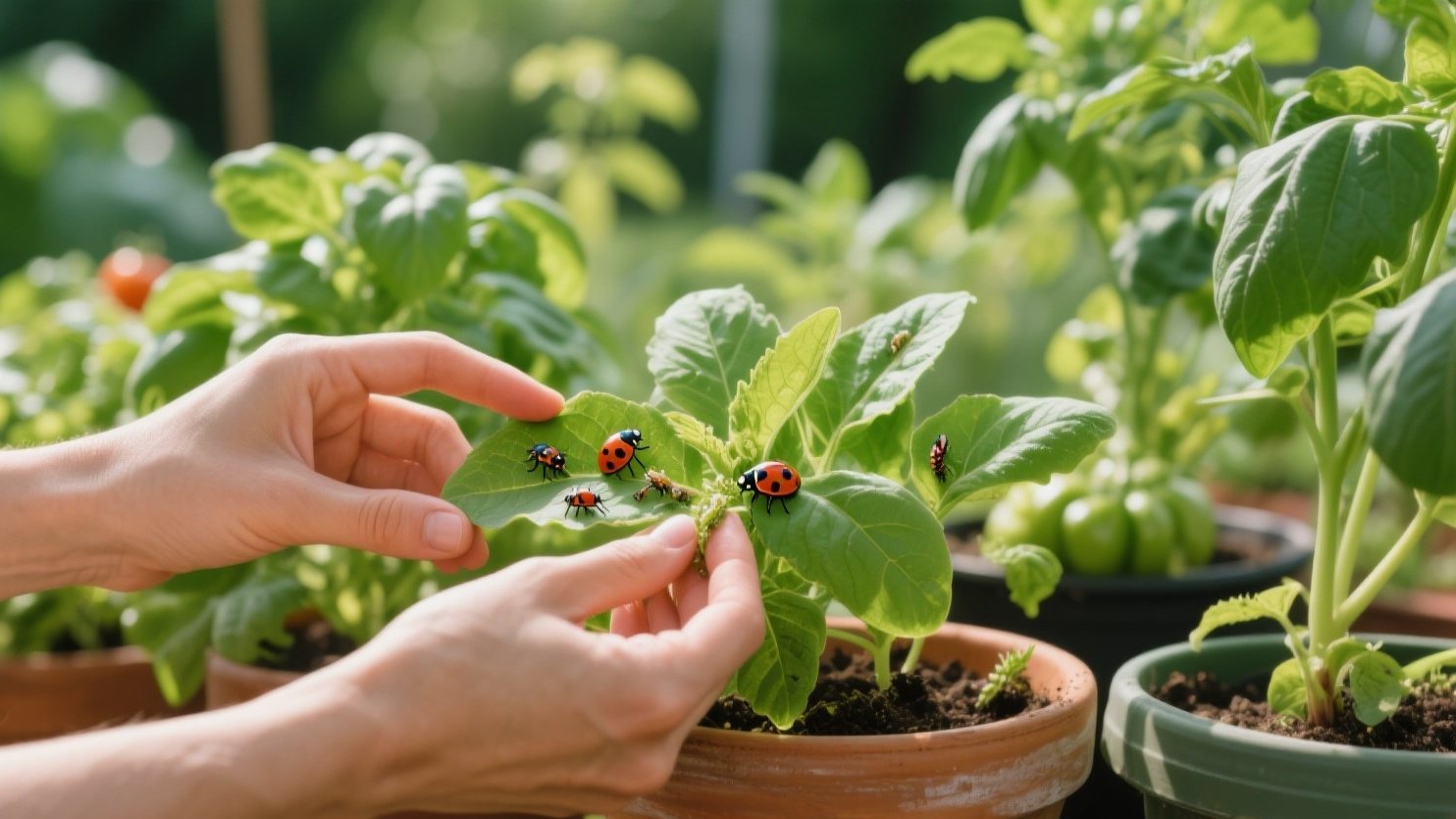
Start with a gentle rinse: spray the leaves (top and underside) to knock off dust, webbing, and hitchhikers 🕸️. Check leaf joints, stems, and soil surface for common pests like spider mites (fine webs), mealybugs (cottony clumps), aphids (clusters), and scale (hard bumps) 🐛. If you see anything suspicious, isolate the plant and wipe leaves with a soft cloth; for stubborn pests, repeat cleaning every few days until no new signs appear ✅.

Quick trim (only what’s needed) ✂️
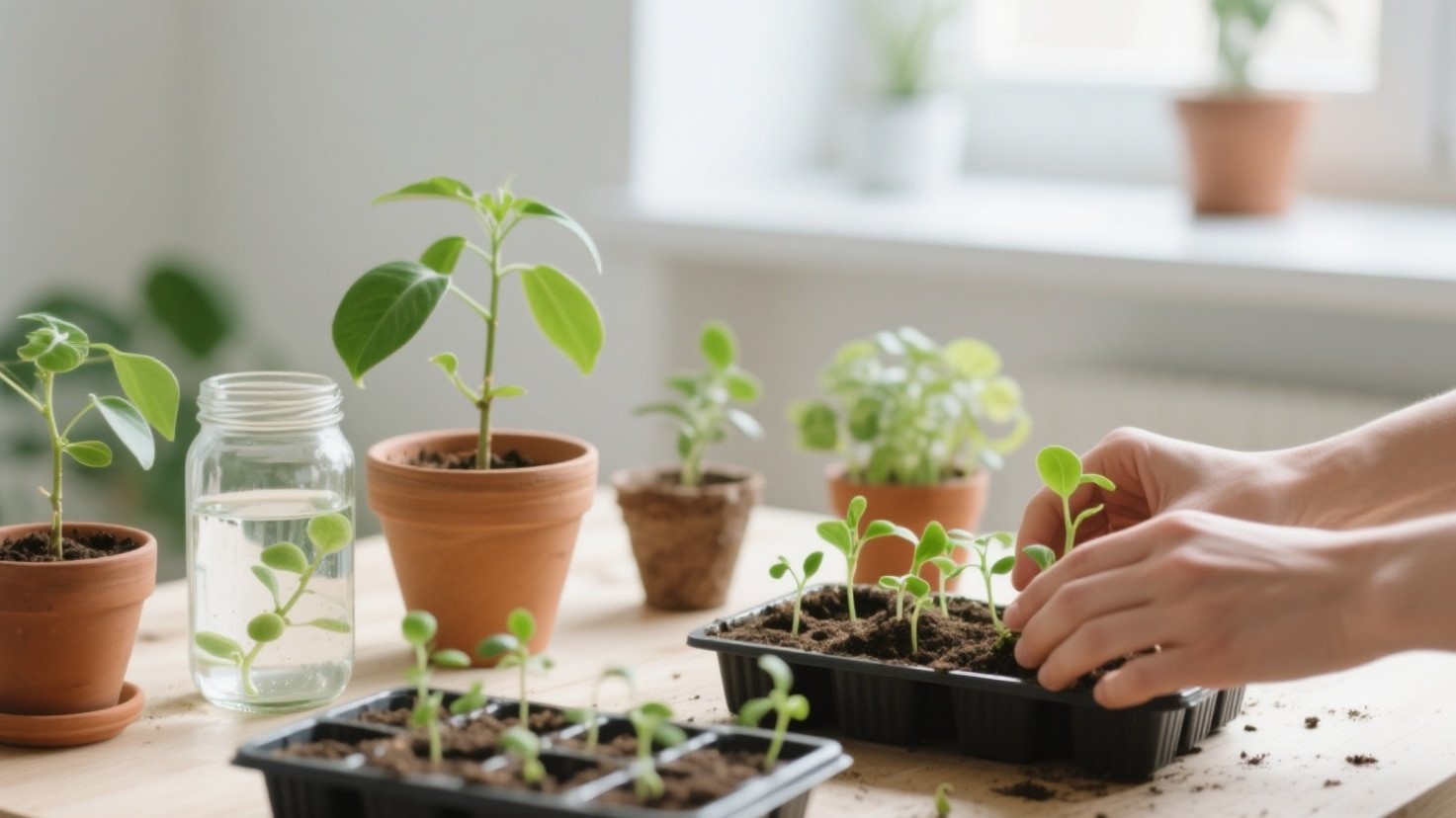
Trim yellowed leaves, broken stems, and spent flowers so the plant can redirect energy to healthy growth 🌱. Use clean scissors or pruners and make neat cuts above a node when possible to reduce ragged tissue. If the plant is very leggy, save major reshaping for spring—fall is about minimizing stress, not big makeovers 🍃.
Step 3: Do a “light step-down” instead of a sudden move 🌥️➡️🏠
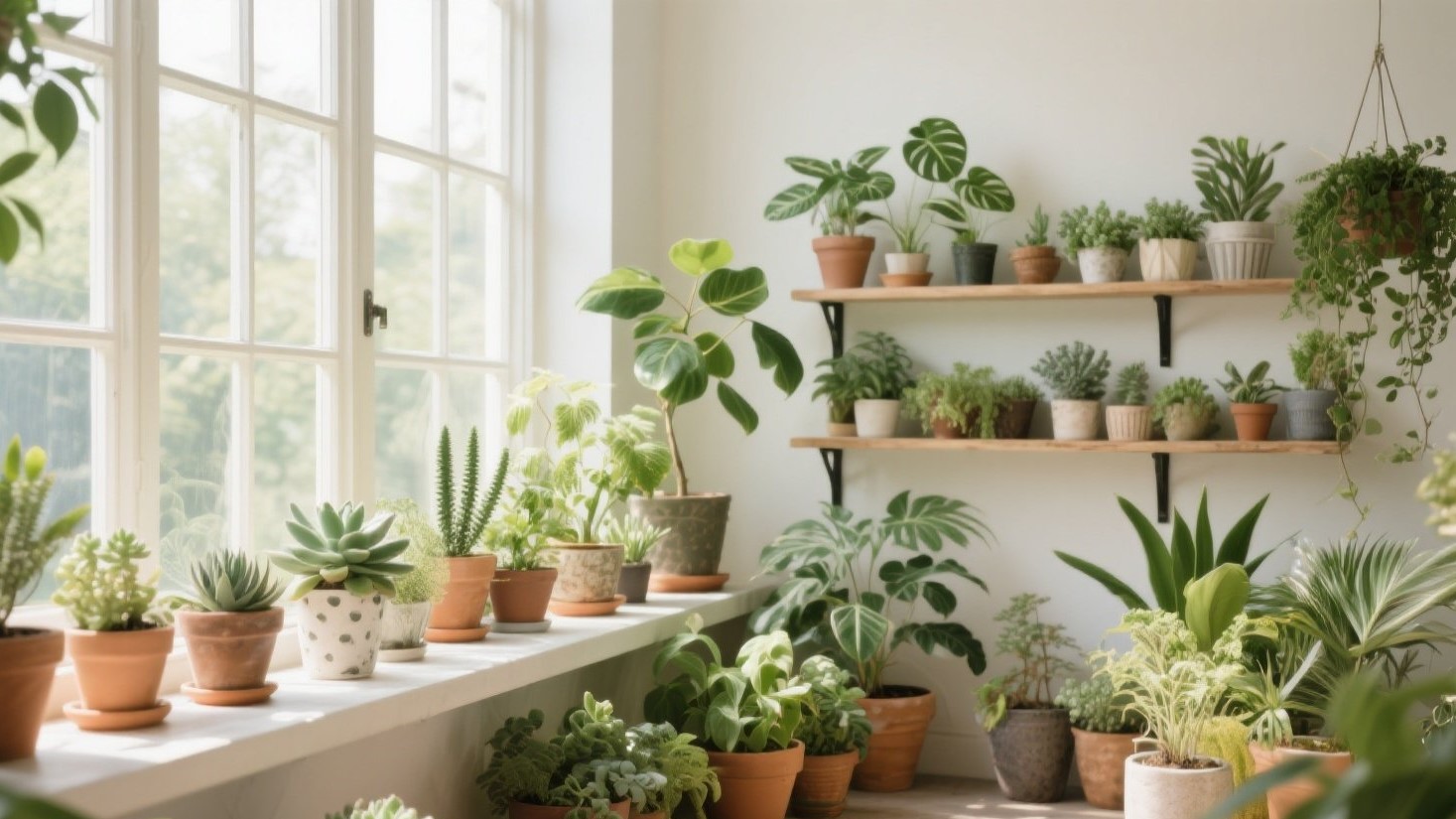
Outdoor light is stronger than indoor light—even a bright room often feels dim to a patio plant 🌞➡️🌤️. For the first week, place plants in the brightest indirect light you have, then slowly move them to their final spots over 7–14 days. Rotate pots every week so one side doesn’t lean hard toward the window 📐🪴.

Watch the “thirst gap” (watering changes indoors) 💧
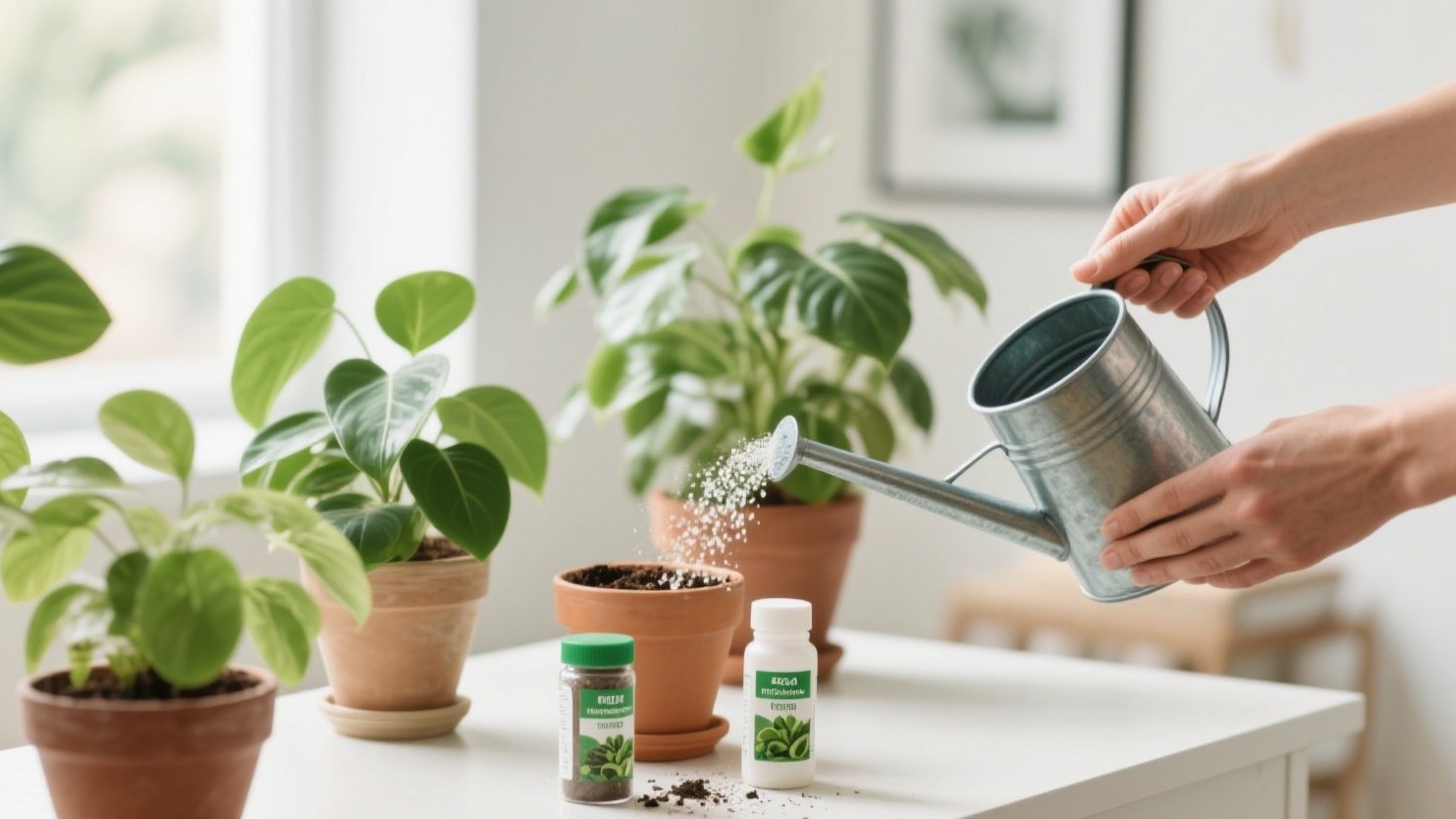
Indoors, plants usually dry out more slowly because light is weaker and temperatures are steadier. Water only when the top layer of soil feels dry (and the pot feels lighter), not on a strict schedule 🗓️. Always empty saucers after watering so roots don’t sit in puddles 🚫🫧.
Step 4: Quarantine like a pro (Even if you “see nothing”) 🧼🚪
Even clean-looking plants can hide early pests or eggs, so keep new arrivals separated from your indoor collection for about 10–14 days 🕰️. During quarantine, inspect twice a week and wipe leaves once a week to remove dust that blocks light capture ✨. This one habit prevents most “why are all my plants struggling?” moments later 😮💨.

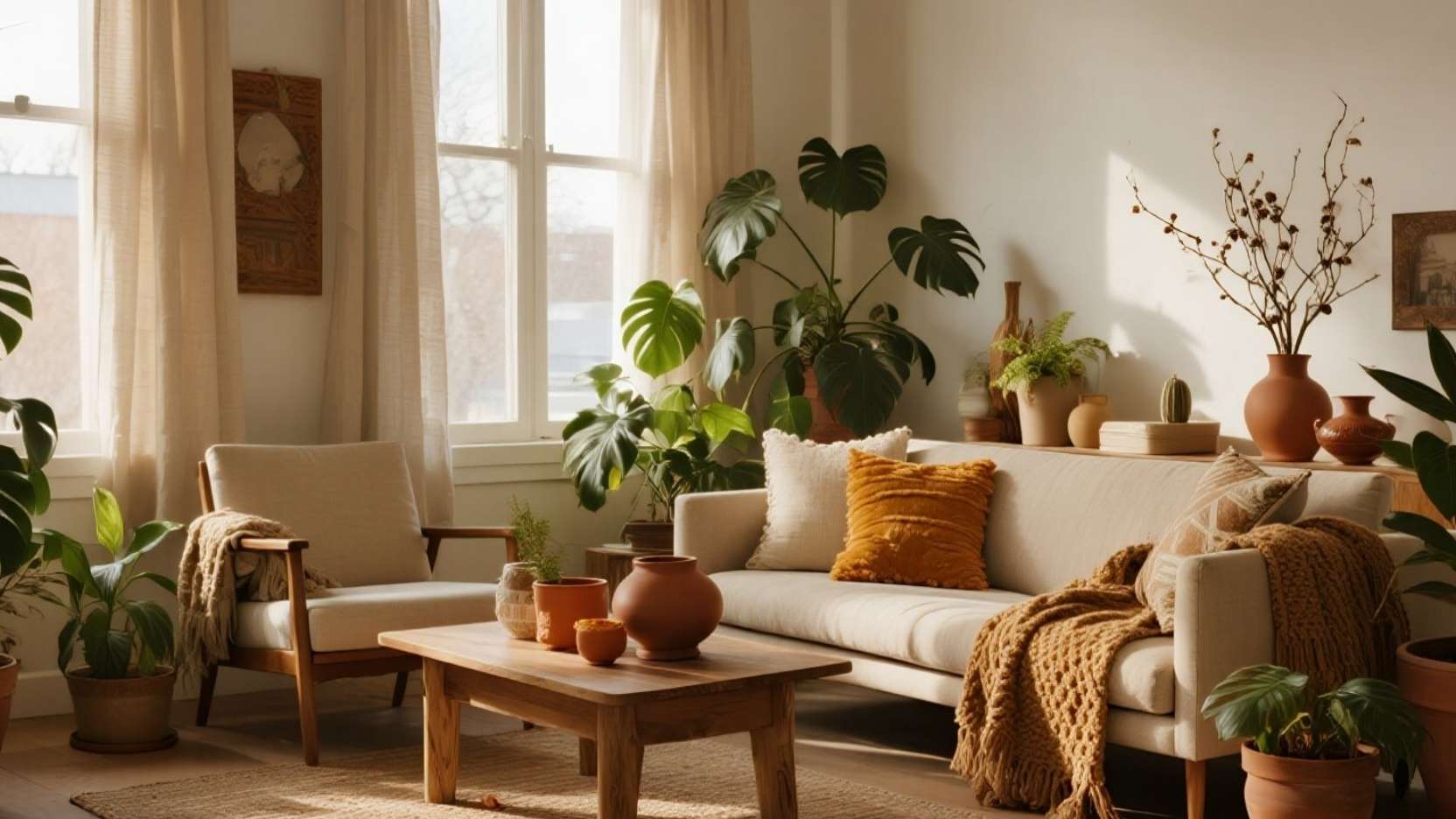
Step 5: Turn ex-outdoor pots into a cozy autumn reading corner 🕯️📚
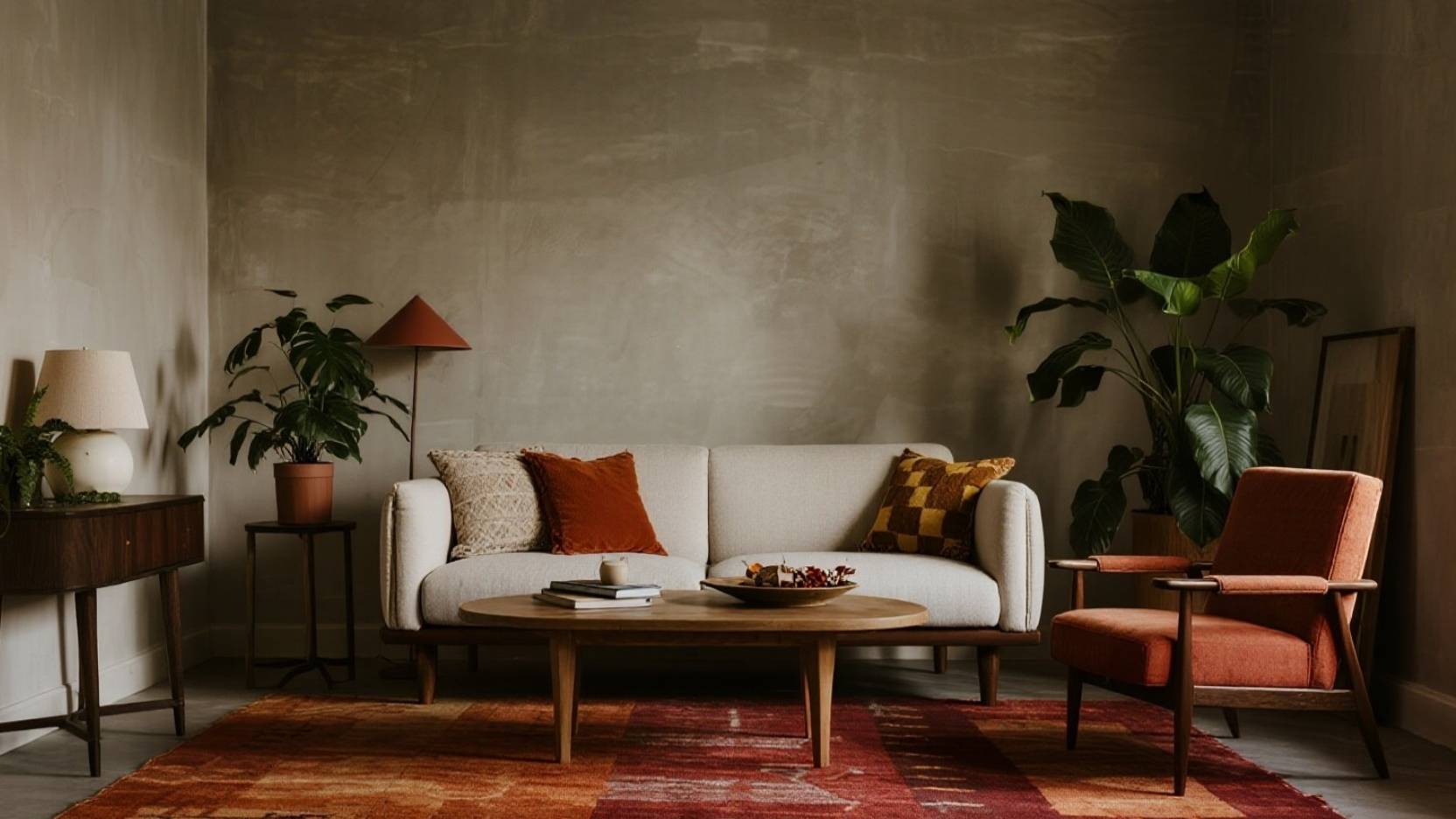
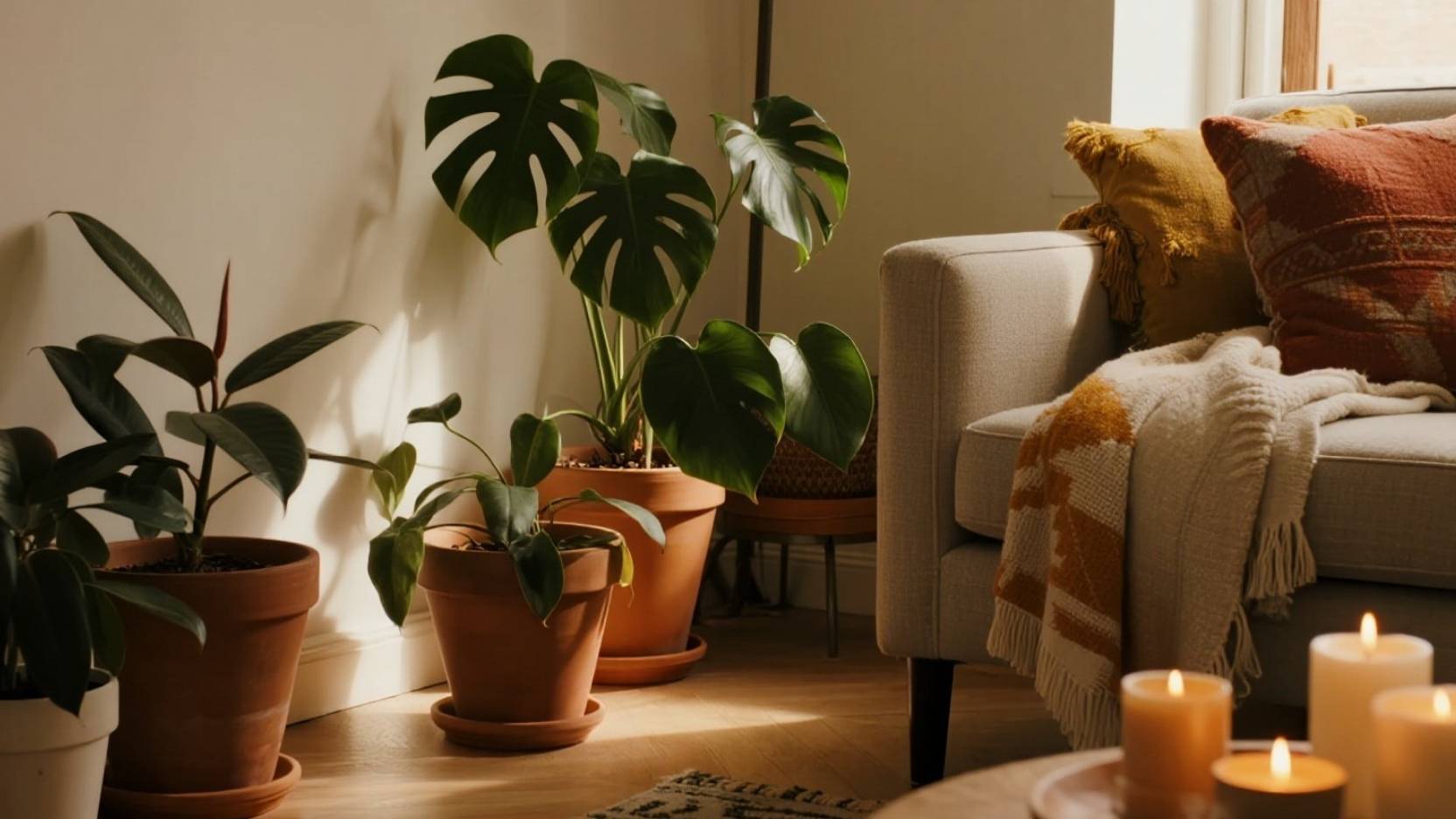
Group plants in odd numbers (3 or 5) and mix heights using stands, stools, or stacked books so the arrangement feels intentional—not like you “ran out of patio space” 😄. Echo fall colors with terracotta, amber glass, warm neutrals, and textured baskets, then add a blanket and candle nearby for that “cozy corner” glow 🍁. Keep flames safely away from leaves and avoid placing plants right next to heating vents to prevent crispy edges 🔥🌿.

Styling cheat code: “one texture + one warm tone” 🧡
Choose one texture (rattan, knit, linen) and one warm tone (terracotta, caramel, brass) and repeat it across the corner for harmony. Let the plants be the “green accent” while your decor carries the seasonal mood 🍂. This keeps the setup calm and curated even if the plants are a mix of shapes and sizes ✅.
Helpful plant facts to keep your move gentle (2–3 paragraphs, 3 sentences each) 🧠🌿
Once indoors, many plants slow growth because shorter days mean less energy from light, so needing less water is normal—not a sign you’re doing something wrong 🙂. Lower light can also reduce evaporation, which is why overwatering becomes the most common fall mistake. A simple fix is to water based on soil feel and pot weight, not the calendar 🪴.
Indoor air often gets drier as fans or air-conditioning run, which can lead to brown tips—especially on thinner-leaf plants 🌬️. Instead of overwatering to “fix dryness,” increase humidity gently with grouping plants together or using a pebble tray (water below the pot level) 💦. Aim for stable conditions: steady light, steady watering habits, and no drafts from doors or vents 🚪.
Most pest flare-ups happen after the move because stressed plants are easier targets, and pests love still indoor air 😬. That’s why wiping leaves, checking undersides, and quarantining is more effective than panicking later. If you catch issues early, a few simple cleanings usually beats a full-blown infestation battle ✅🧼.
Final thoughts: Make it cozy, make it calm 🍁🏡
Moving plants indoors for fall isn’t a race—it’s a transition. Clean first, inspect like a detective, then give them a gentle light and watering adjustment while you style them into your space ✨. A little patience now means happier plants all winter—and a cozier home for you too 🪴💛.