Autumn repotting, but make it gentle 🍁
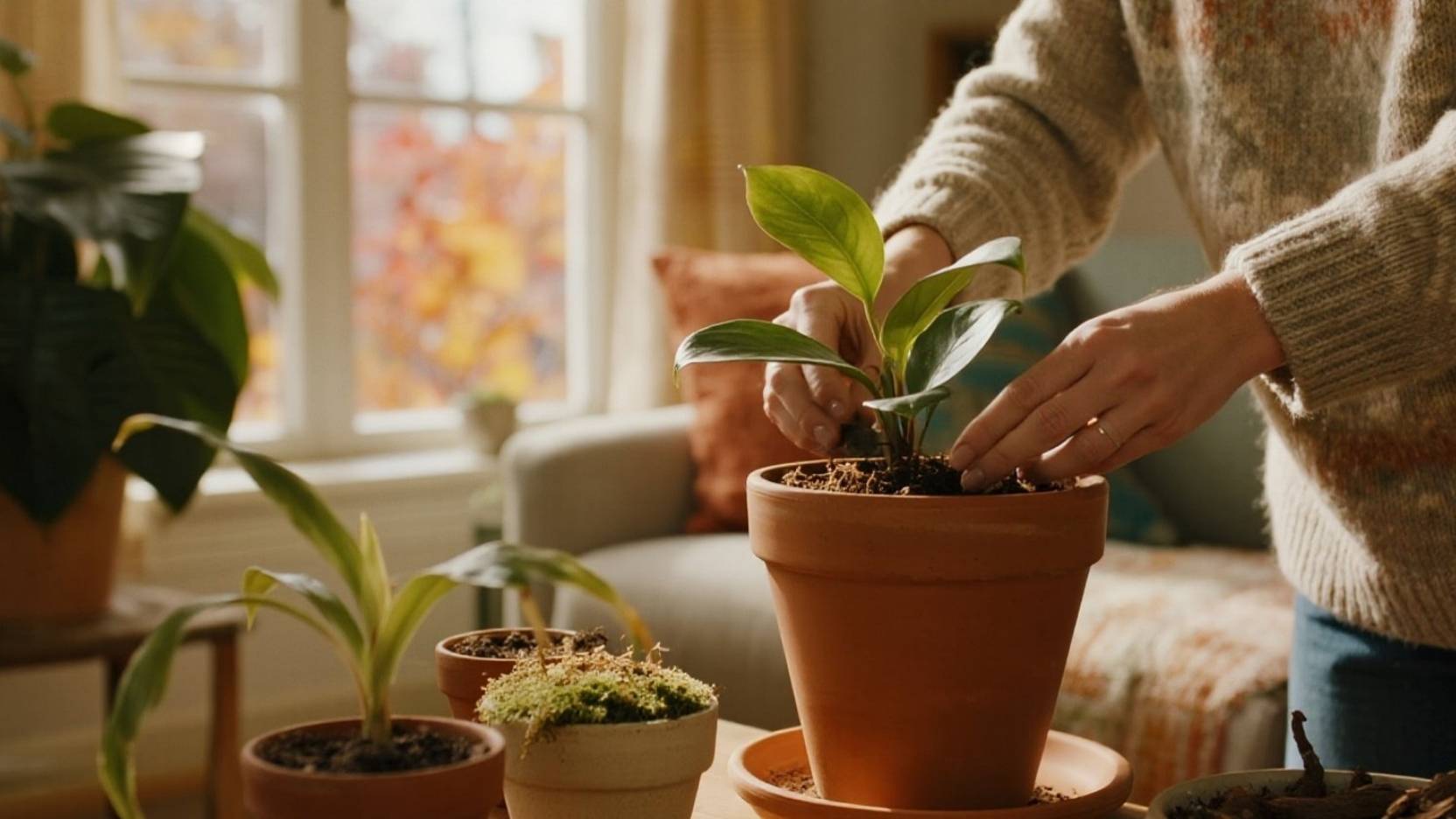
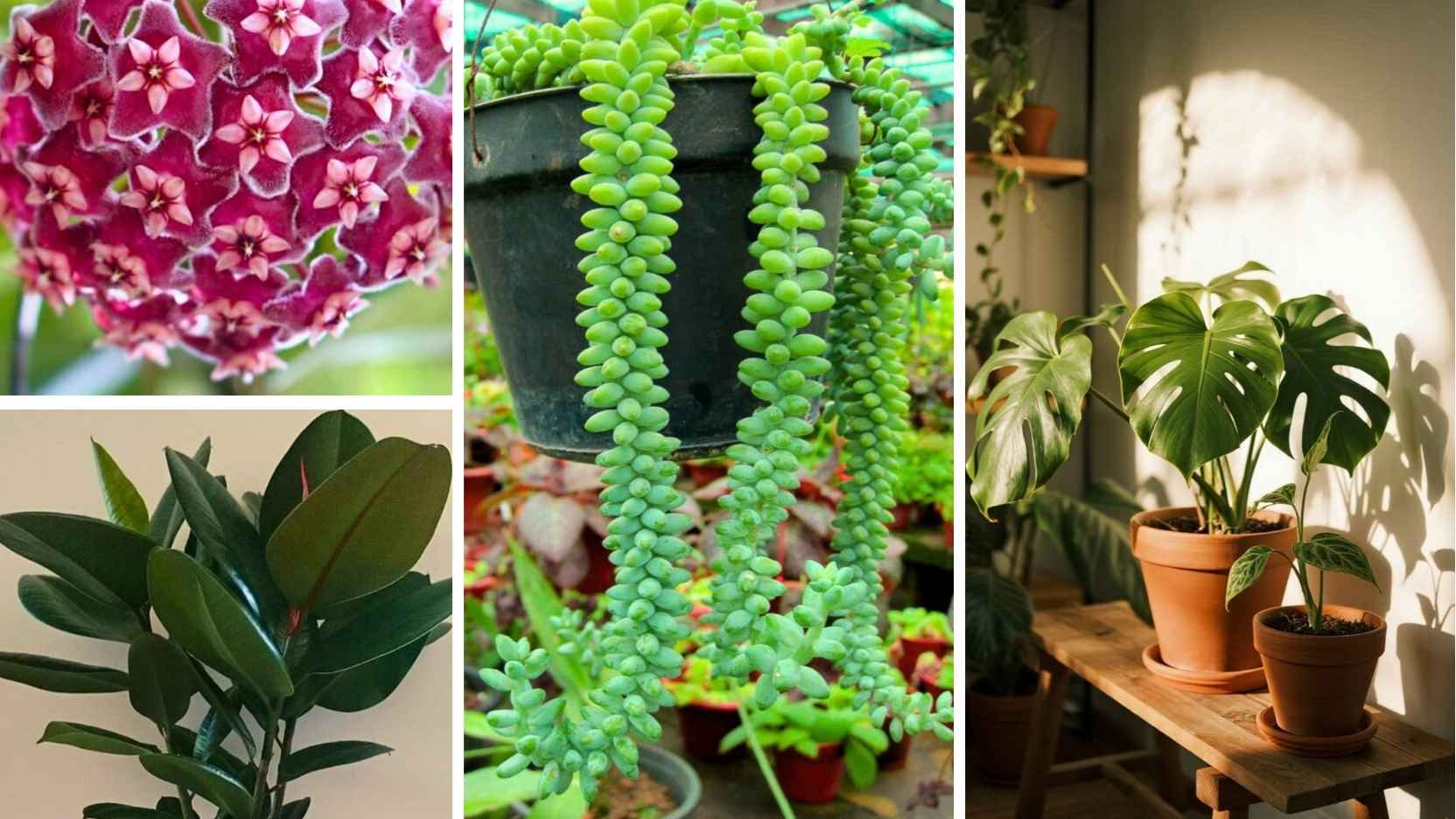
As the weather cools and days get shorter, your tropical houseplants start to slow down, even if they live indoors. 🍃 That’s why autumn repotting is less about aggressive root work and more about small, thoughtful adjustments. With a gentle approach, you can give ficus, hoyas, aroids, and even burro’s tail a fresh start without shocking them before winter.
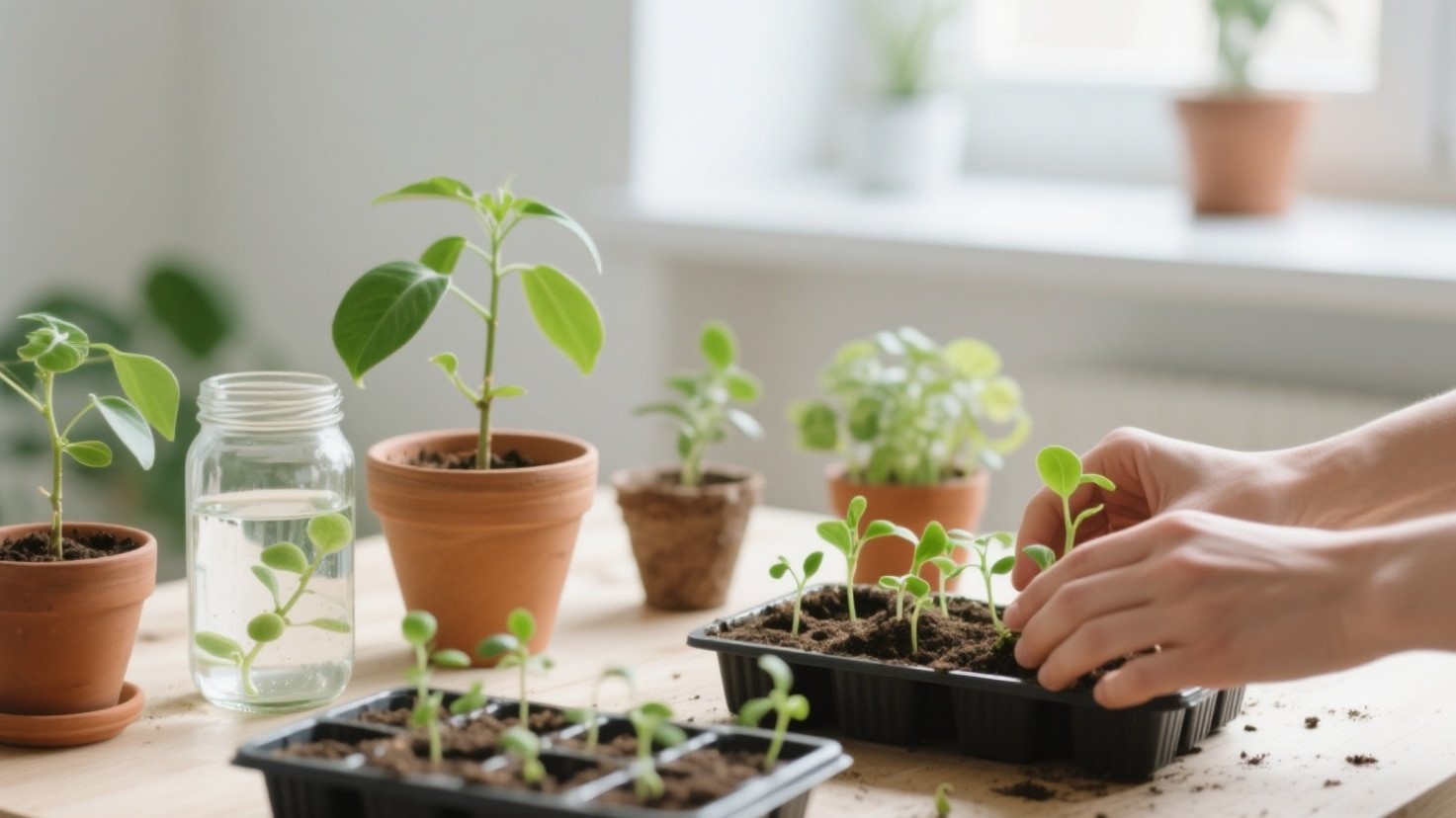
Instead of thinking “big new pot, lots of new soil,” think “small upgrade and minimal root disturbance.” 🌱 Focus on checking roots, refreshing the top layer of mix, and adjusting watering to match slower growth. This way, you keep plants healthy, reduce stress, and still enjoy a cozier, greener home for the colder months ahead.
Ficus in fall: when and how to repot 🌿
Ficus trees, like fiddle leaf, rubber plants, and weeping figs, prefer stability but still benefit from occasional repotting when root-bound. Look for roots circling the bottom, pushing through drainage holes, or soil drying out a day after watering. If you see these signs in early to mid-autumn, you can repot with care rather than waiting for spring. 😌
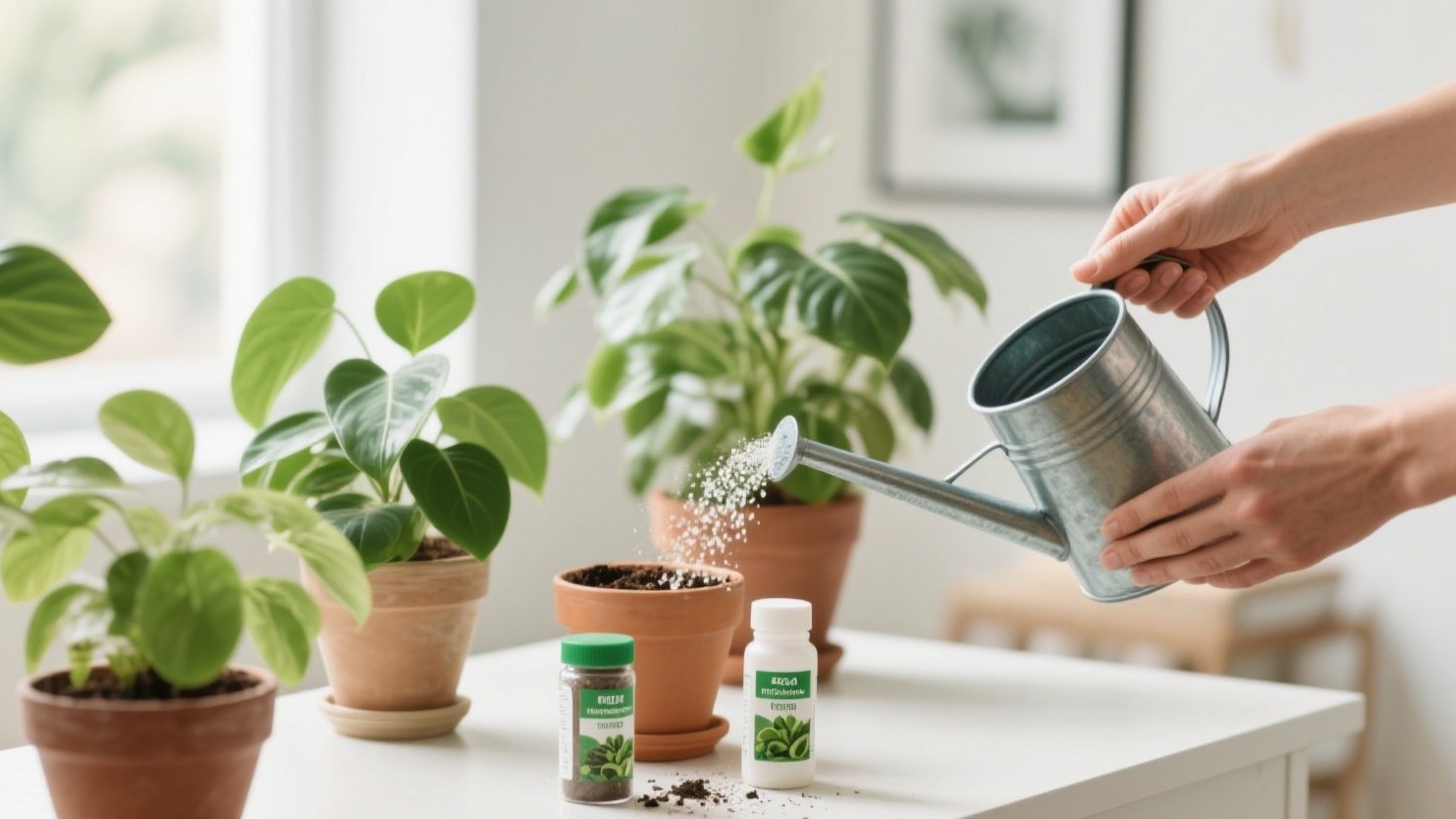
Choose a pot just 1–2 inches wider than the current one so the soil doesn’t stay soggy for too long. Gently loosen the outer root layer with your fingers instead of aggressively breaking the root ball, and trim only dead or rotten roots. After repotting, water once to settle the soil, then let the top few inches dry more between waterings as light levels drop.
Styling-wise, ficus looks beautiful in a tall, cinnamon-toned or caramel ceramic pot placed near a bright, sheer-curtained window. 🍂 The vertical shape of the tree pairs well with clean, simple lines in your furniture. Add a warm-toned rug or throw nearby so the plant feels like part of a cozy corner rather than a separate object.

Hoyas: delicate vines, careful moves 🌸
Hoyas often grow happily in snug pots, so you only need to repot when roots are circling tightly, the plastic pot feels “bulging,” or water runs straight through. Because they dislike staying wet and actually bloom better when slightly root-bound, choose a pot only a tiny bit wider than before. In fall, focus more on refreshing the soil mix around the edges than completely tearing apart the root ball. 🌿
Loosen the sides gently, keeping as much of the central root mass intact as you can. Use a chunky, fast-draining mix and reduce watering frequency once repotted, letting the top half of the pot dry between drinks. As days get darker, avoid heavy fertilizing and instead prioritize light—placing hoyas where they still get bright, indirect sun.
For styling, hoyas shine in hanging baskets where their vines can drape naturally. ✨ Try a simple matte white or cream pot with brass or leather hangers to warm up the look. Hang it near a window or above a reading chair so the trailing vines frame your space like living decor.

Aroids: monsteras, philodendrons & friends 🌱
Aroids like monstera, philodendron, and pothos are generally forgiving but still feel seasonal shifts in light and temperature. In early autumn, check for roots circling the pot, dense root mats at the bottom, or collapsing soil that dries and rewets unevenly. If they’re actively growing and not dropping lots of leaves, a gentle repot is still on the table. 🍃
Move up just one pot size and use a chunky mix with bark, perlite, and a bit of compost to keep roots airy. Loosen the roots around the sides and bottom with your fingers or a chopstick, shaking off only the loosest soil. After repotting, water thoroughly once, then stretch the intervals between waterings as cooler, darker days slow evaporation.
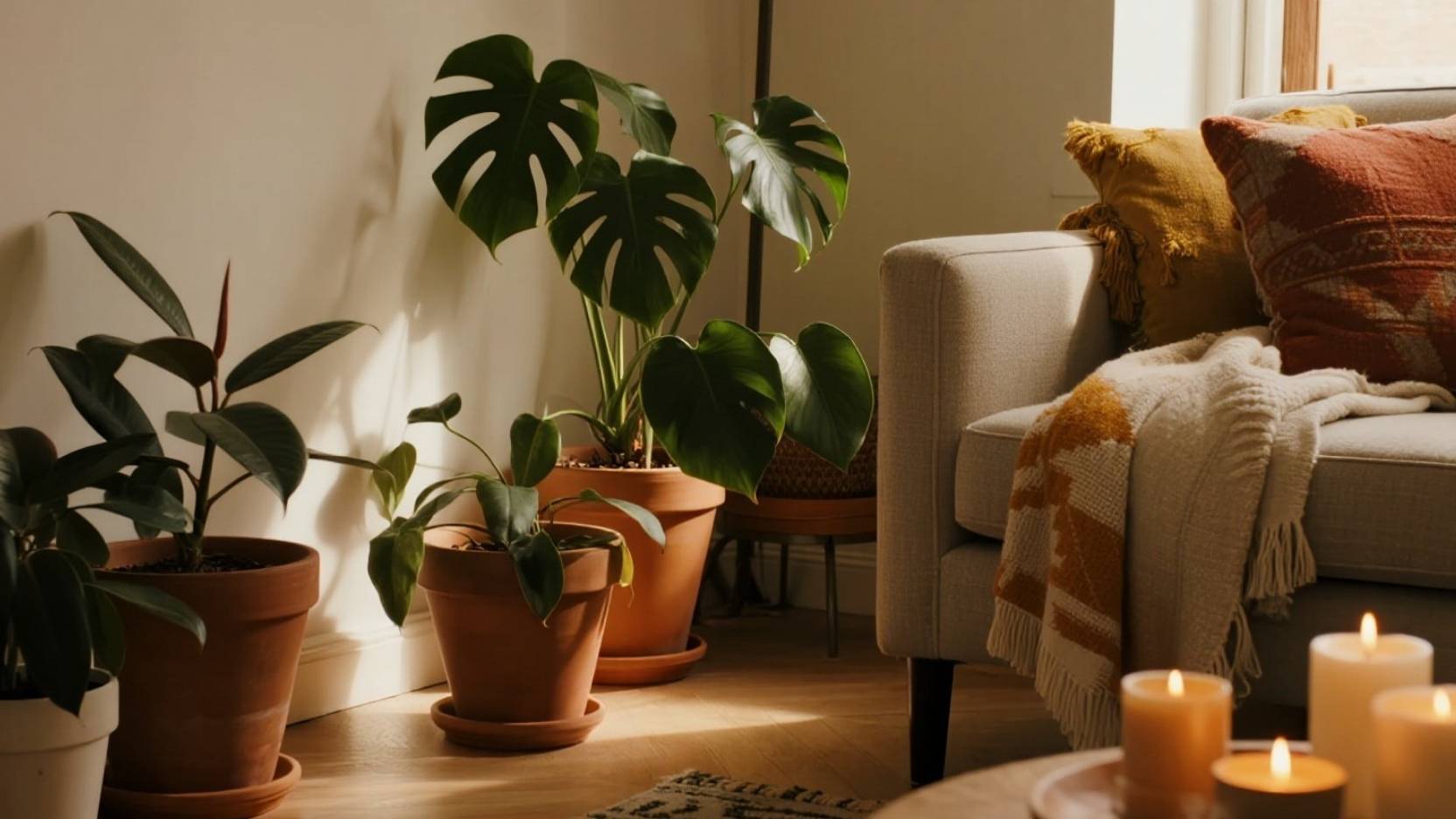
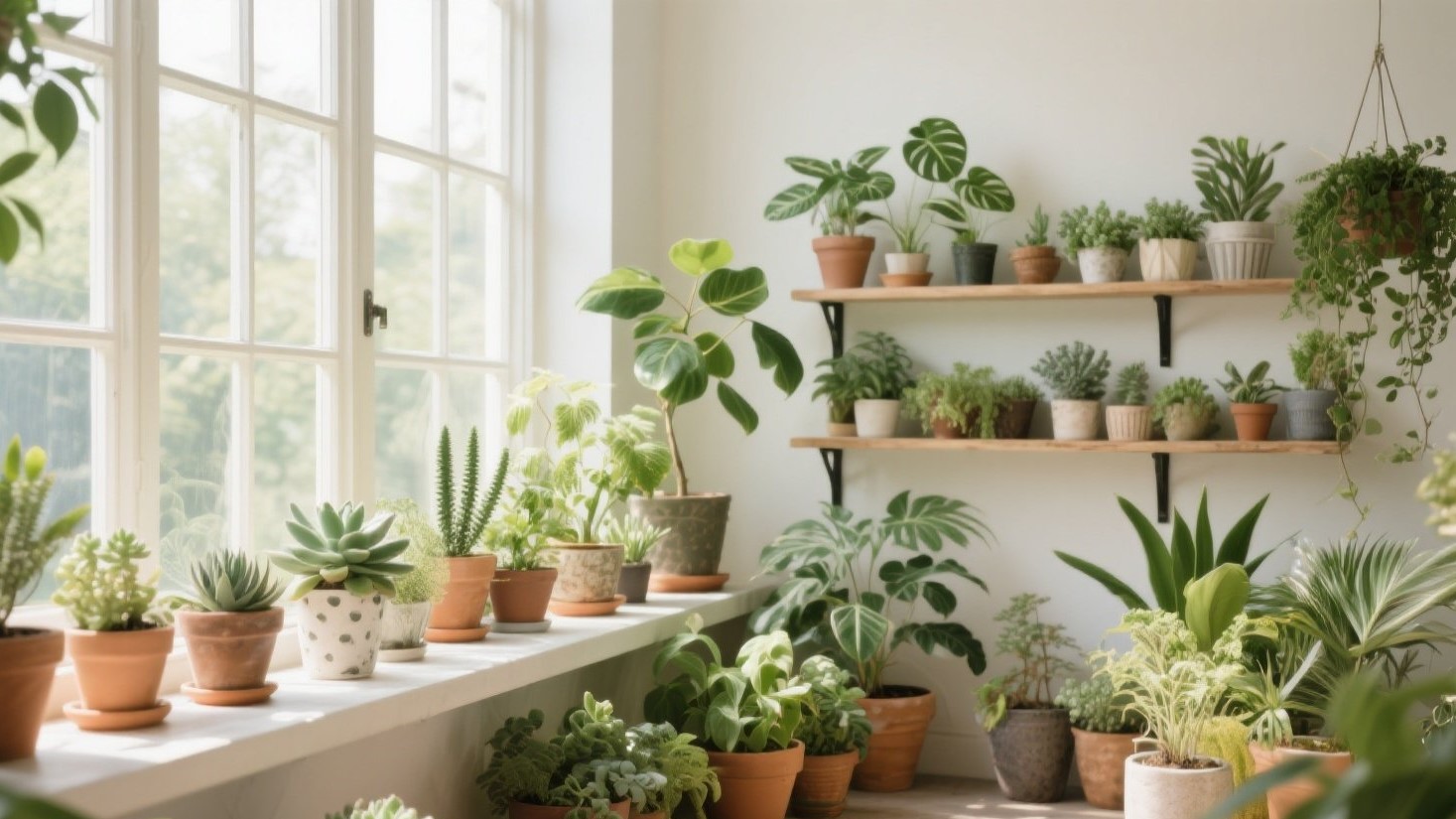
For styling, aroids look fantastic grouped together in warm terracotta pots on a wooden bench or low shelf. 🌾 Their big, sculptural leaves create a “mini jungle” effect that softens sharp corners and hard furniture lines. Add a neutral throw pillow or woven basket nearby so the whole area feels like an intentional plant vignette, not just random pots.

Burro’s tail: when to refresh this fragile beauty 🌵
Burro’s tail (Sedum morganianum) behaves differently from tropicals, as a succulent with water-storing leaves that fall at the slightest bump. In autumn, repot only if truly necessary—like when roots are overflowing the pot or the soil has broken down and stays wet for too long. If the plant seems stable and healthy, consider a top-dress of fresh, gritty mix instead of a full repot. 🙂
When you must repot, cradle the plant gently and support the trailing stems with your hand, towel, or a shallow tray. Choose a pot just slightly larger with excellent drainage and a cactus–succulent mix, and avoid breaking apart the root ball more than needed. After repotting, water sparingly, letting the soil dry almost completely between light drinks, especially as temperatures cool.
For styling, burro’s tail thrives in a shallow, sturdy pot placed on a high shelf where its trails can cascade like a green waterfall. 🌊 A soft grey or sand-colored container highlights the blue-green leaves beautifully. Keep it near a bright window but out of high-traffic areas so people don’t accidentally brush against and knock off the fragile leaves.

Bringing it all together: your gentle autumn checklist 🍂
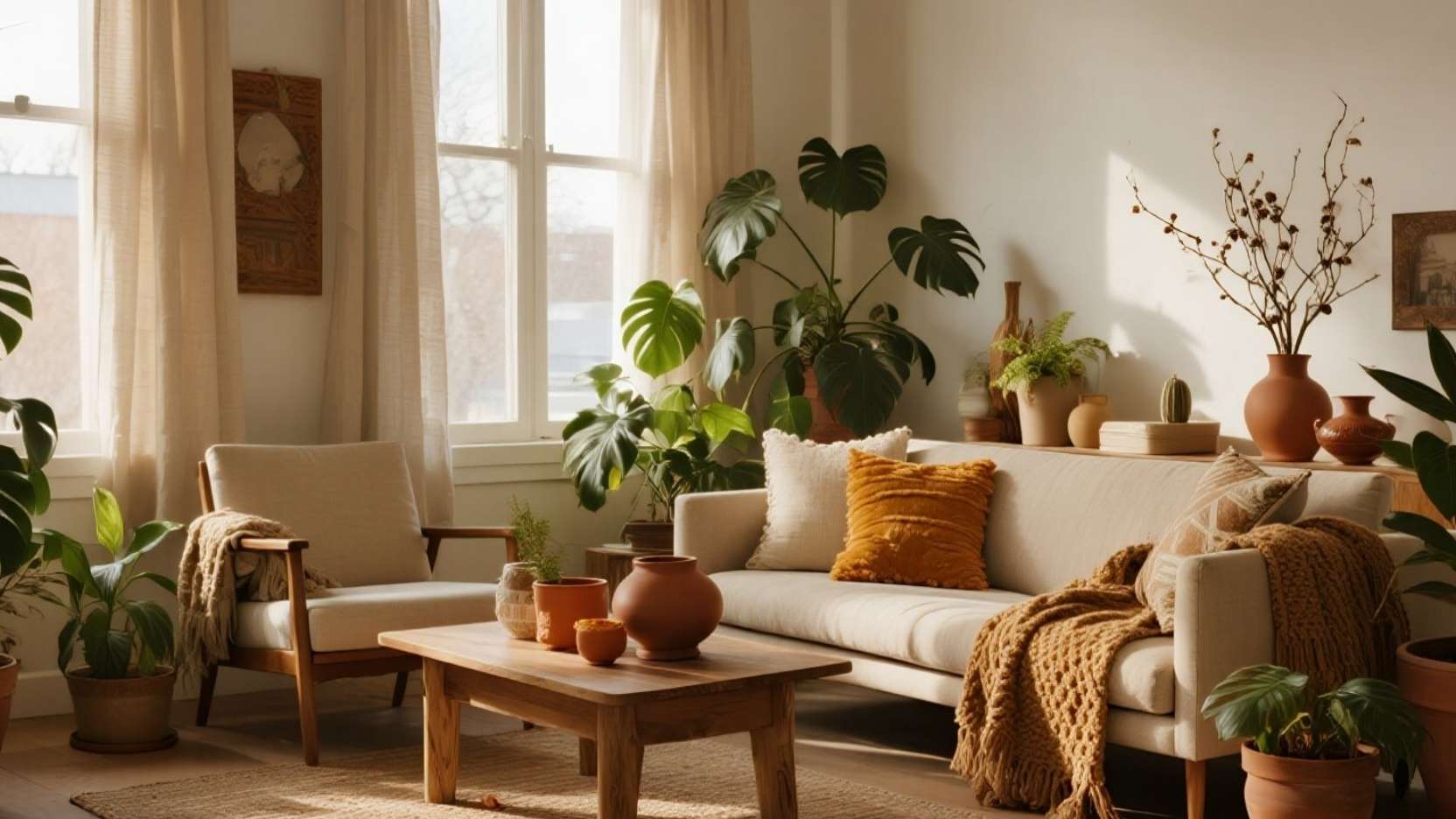
Autumn repotting is less about dramatic makeovers and more about quiet maintenance: checking roots, upgrading one pot size, refreshing mixes, and adjusting watering to match the season. 🌥️ When you look at ficus, hoyas, aroids, and burro’s tail through this gentler lens, you avoid stress while still giving them what they need. Think of it as tuning instruments for a softer, slower season, not re-building the entire orchestra.
Walk through your home room by room and quickly assess each plant: roots, soil, light, and watering habits. Decide which ones truly need a pot upgrade and which only need a top-up of fresh mix or a better spot near the window. With a calm, checklist-style approach, your tropical houseplants will ease into the colder months right alongside you, making every corner feel a little cozier and more alive. 💚