Cozy Fall, Curious Roots: What Changes For Your Houseplants? 🍁
Cooler days, warmer sweaters, and suddenly you’re wondering if your plants need a wardrobe change too. 🍂 Many indoor gardeners start eyeing their pots in fall, asking whether to repot now or play it safe and wait for spring. This guide walks you through that decision gently, so your plants stay cozy and your space feels beautifully refreshed.
Think of fall as a soft transition period rather than a dramatic reset. 🌱 Outdoors, plants begin to slow down, but indoors, stable temperatures and steady light can keep growth going. The key is learning when a full repot is helpful and when a light refresh is kinder to your plant.
Repot Now or Wait for Spring? Understanding the Sweater-Weather Debate 🧶
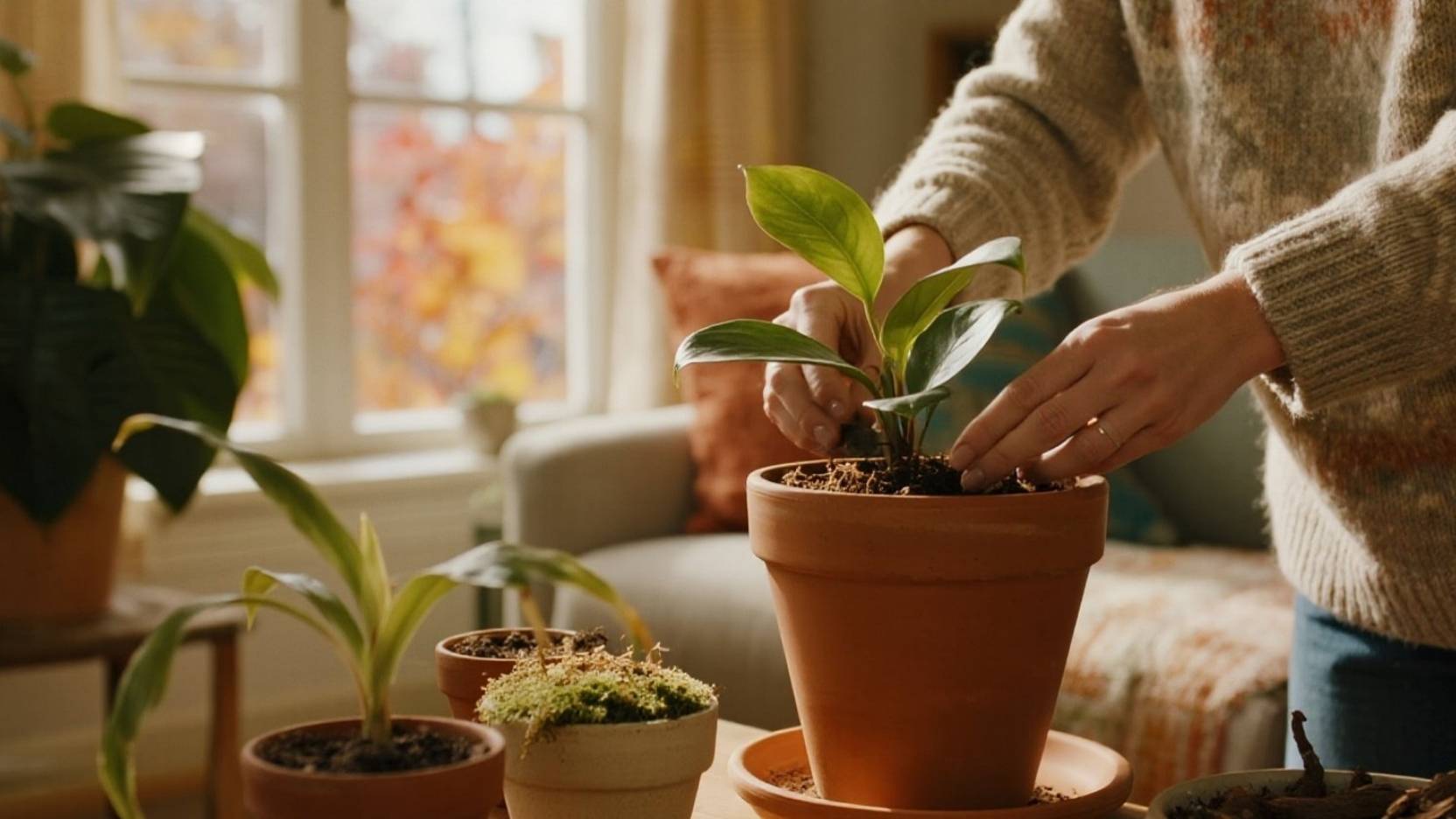
The classic advice says to repot in spring because plants are waking up and ready to grow new roots. 🌤️ However, many indoor plants live in controlled environments with stable temperatures and supplemental light, which means their timing is more flexible. If your plant is actively pushing out new leaves and not dropping foliage, fall repotting can still be safe.
The main risk of fall repotting is that roots may not recover quickly if light drops sharply and growth slows. 🌧️ When roots are disturbed at the wrong time, plants can sulk, yellow, or stop growing just when they should be resting. That’s why the decision isn’t purely about the calendar but about your plant’s actual conditions indoors.
Signs Your Plant Is Ready for a Fall Repot 🌿
Start by checking whether your plant is root-bound. 🪴 If roots circle tightly around the pot, poke out of drainage holes, or push the plant upward, it’s asking for more space. Soil that dries out extremely fast, even after a thorough soak, is another hint that roots have taken over.
Healthy roots should look firm and white or light tan when you gently slide the plant from its pot. 🤍 Mushy, brown, or foul-smelling roots signal trouble that may require careful trimming and fresh soil. If the top growth looks strong and leaves are glossy, your plant will usually handle a fall repot just fine.
Environment matters just as much as root health. 🌡️ If your home stays between about 18–24°C (65–75°F) and drafts are minimal, your plant won’t feel a harsh seasonal shock. Access to a bright window or grow lights gives it the energy to rebuild fine roots after repotting.

When to Hit Pause and Wait for Spring 🌙
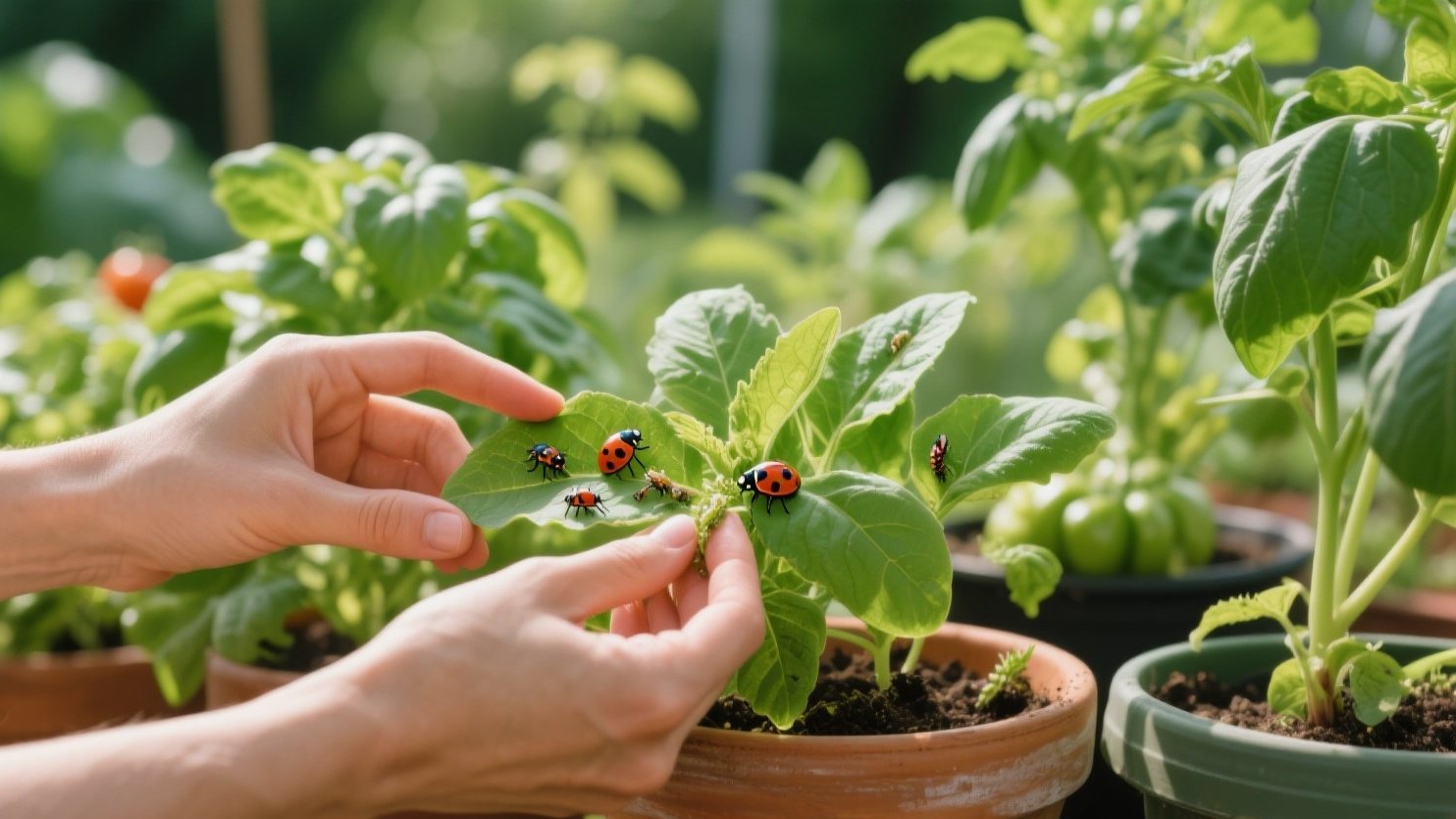
Sometimes, the kindest choice is to leave the roots alone until days lengthen again. 🕯️ If your plant has recently been stressed by overwatering, pests, or a big move, another shock can slow its recovery. Pale new leaves, drooping stems, or sudden leaf drop are all signs to postpone a major repot.
Low-light homes can make fall extra tricky. 🌑 If your plant already struggles to find light, disturbing the root system while growth is sluggish can lead to long recovery times or losses. In these cases, a gentle surface refresh is safer than a full soil change.
Also skip repotting if temperatures near windows swing dramatically between day and night. 🌬️ Roots dislike constant change, and pairing that with fresh soil and a bigger pot can be too much at once. Mark these plants for a spring project when conditions feel calmer and brighter.

A Gentle Autumn Refresh: Top-Dressing and Styling Instead 🎨
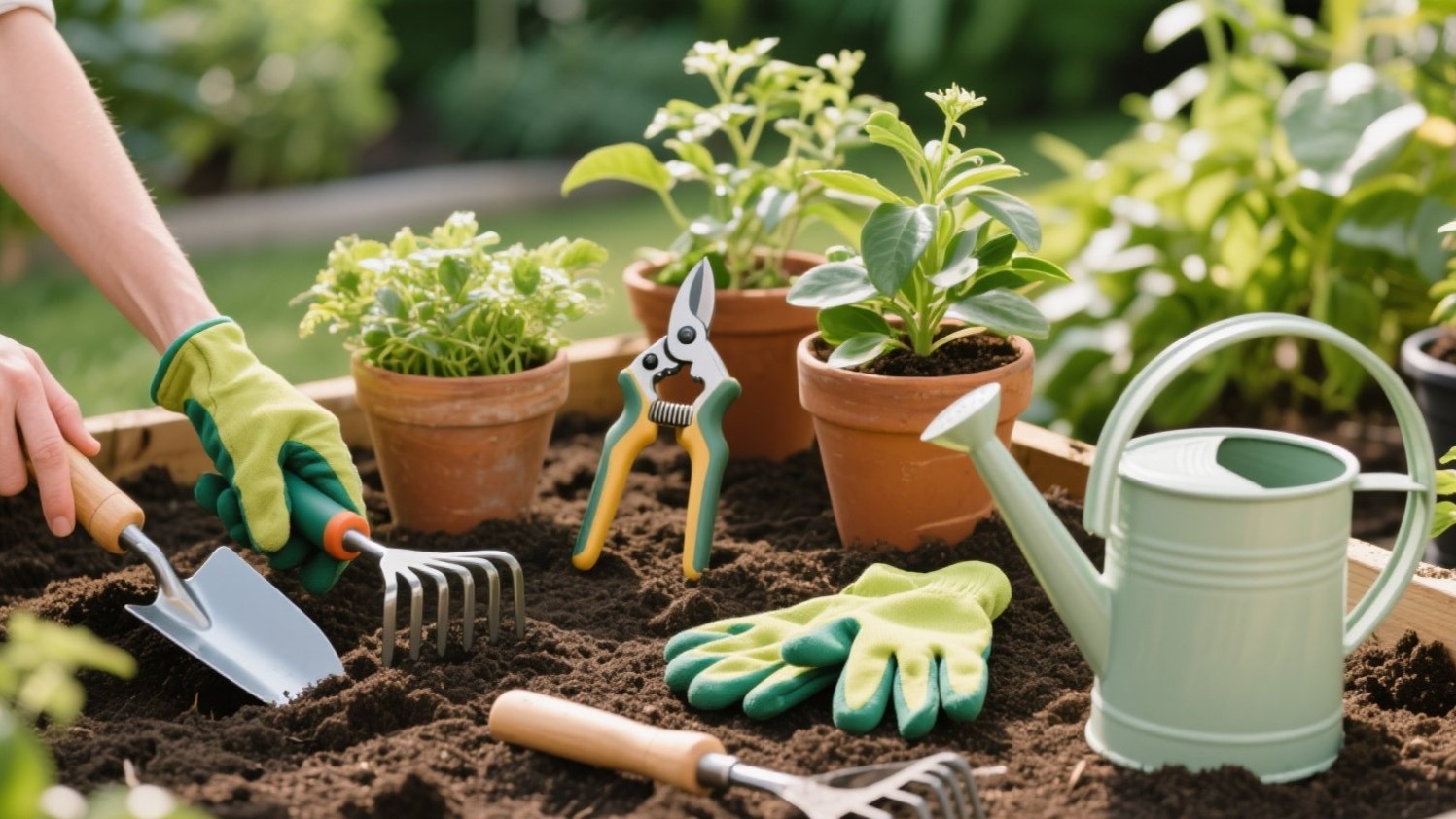
You don’t need to repot to give your plants a fresh fall mood. 🍁 Start by removing the top couple of centimeters of tired soil and replacing it with fresh, high-quality potting mix to add nutrients and improve texture. This “mini refresh” supports the roots without disturbing the entire root ball.
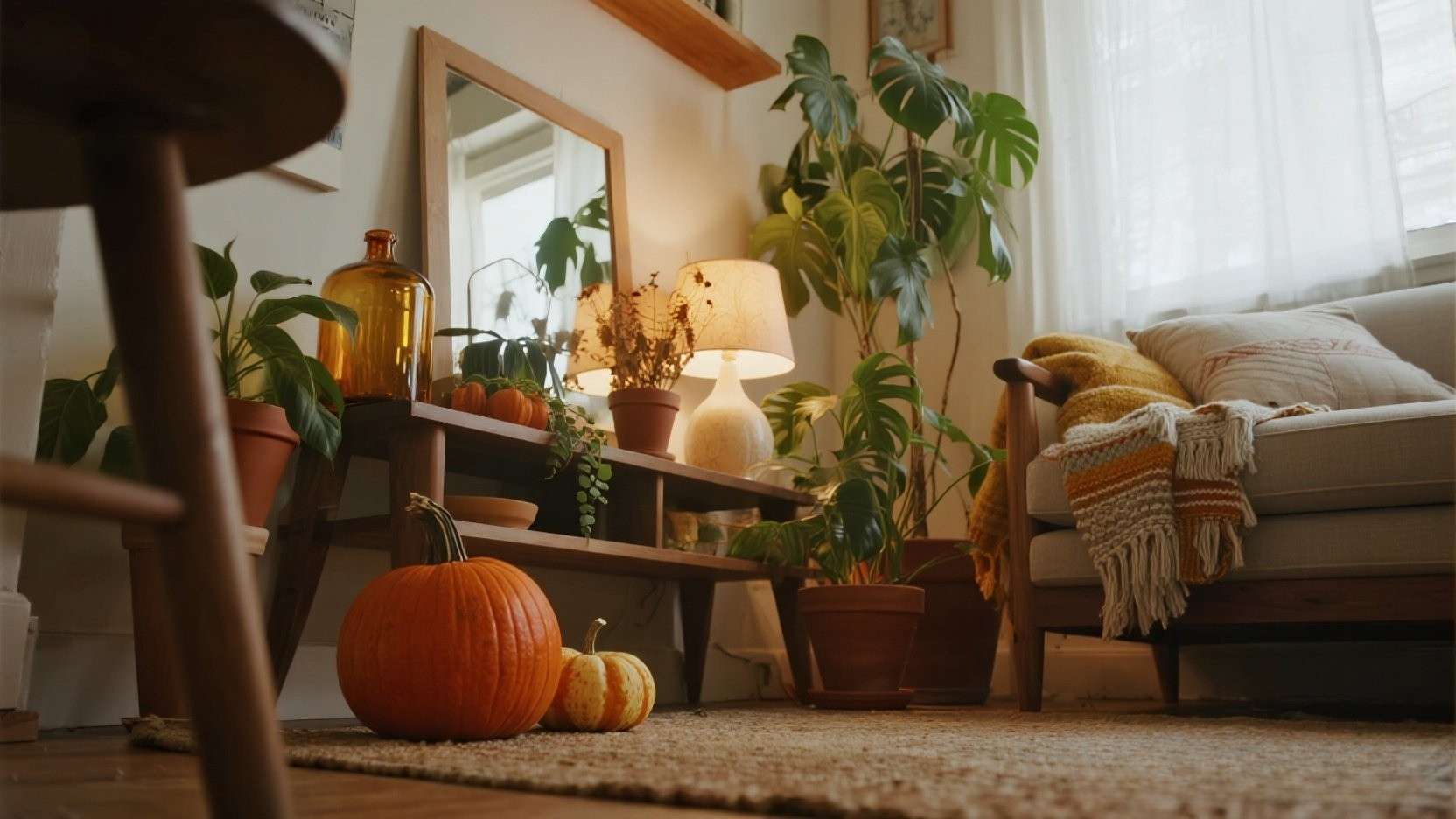
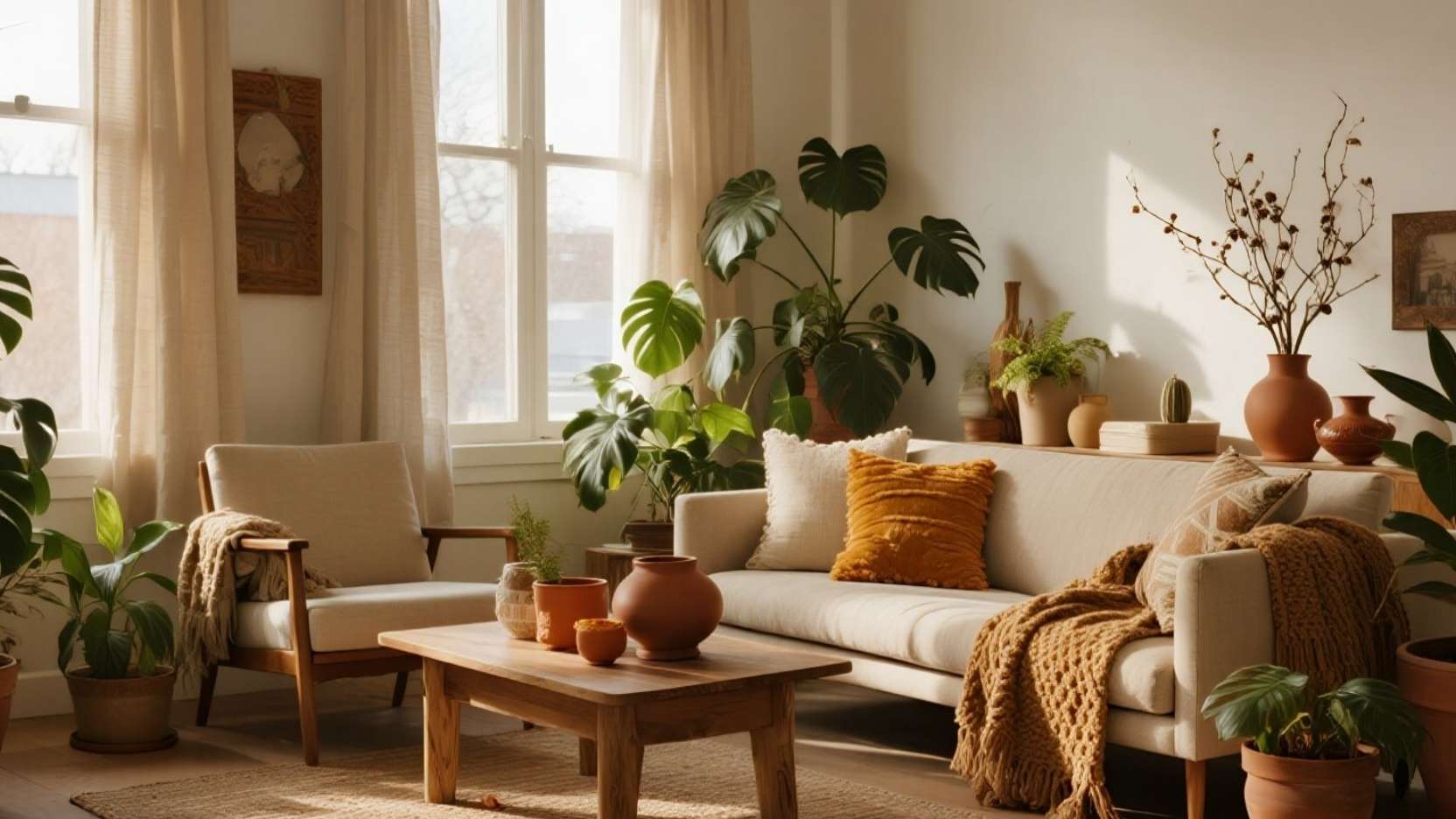
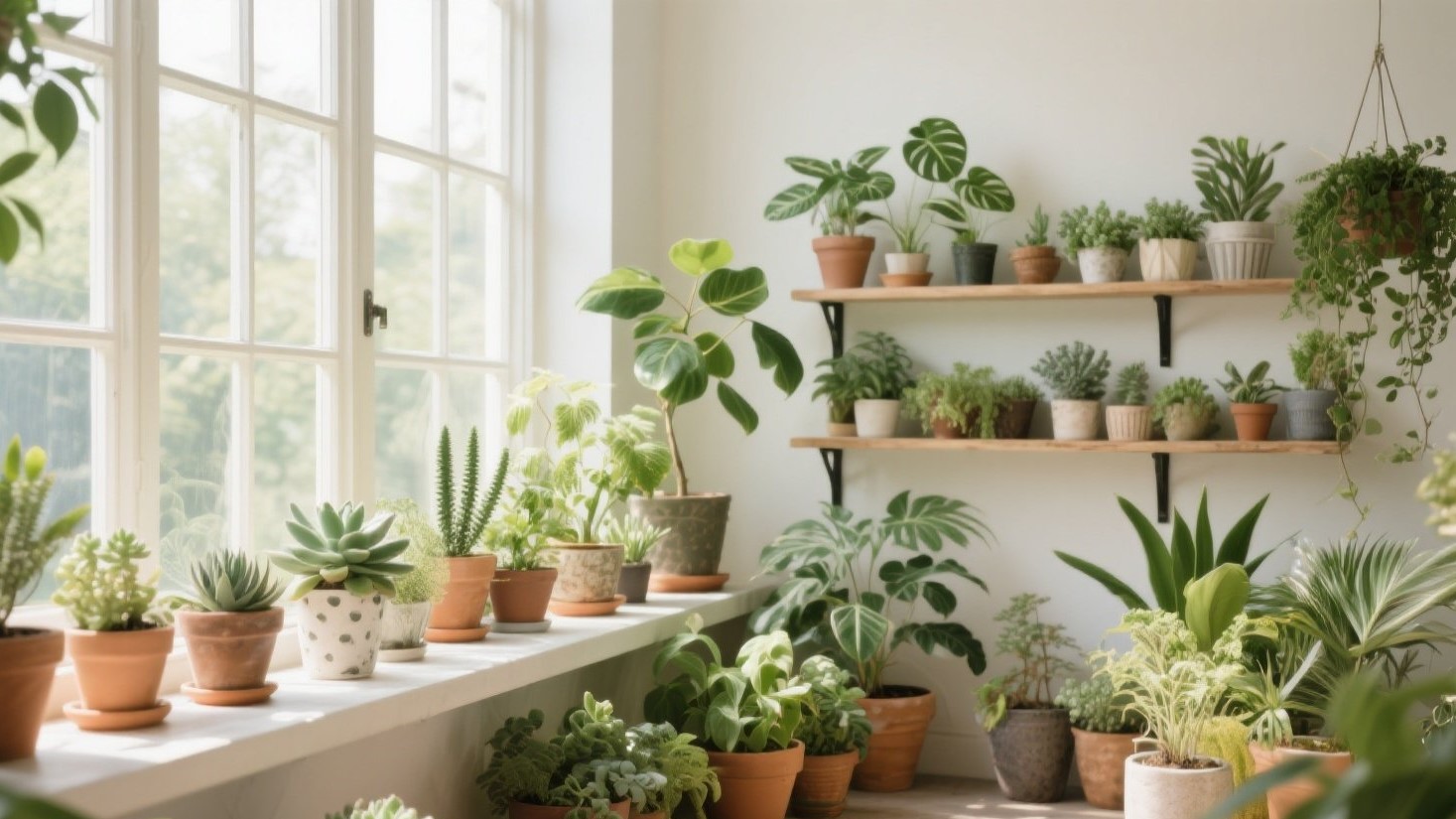
Next, play with pot style and top-dressings to echo the season. 🧡 Warm terracotta, sand-colored ceramic pots, and matte cream planters pair beautifully with moss, fine bark chips, or decorative pebbles in russet and amber tones. Together, they create a layered look that feels like cozy knitwear for your plants.
You can also group plants by similar light and watering needs to build little “plant families.” 🤎 Clustering them makes care easier because you water and check them on the same rhythm. At the same time, you create lush, autumn-inspired corners that feel intentional rather than cluttered.

Final Thoughts: Let Your Plants Match the Season, Not the Calendar 🍃
Repotting in sweater weather isn’t automatically wrong; it just requires a slower, more observant approach. ☕ When roots are healthy, conditions are stable, and light is decent, a careful fall repot can set your plant up for a strong year ahead. When things feel borderline, a top-dress and style refresh may be the wiser move.
Think of yourself as a seasonal stylist for your green roommates, not a strict rule follower. 🍃 By watching how each plant responds and adjusting between full repots and gentle refreshes, you build confidence and reduce stress for both of you. Over time, your home becomes a calm, autumn-ready sanctuary where plants and people can quietly thrive. 🌾