Understanding your plant’s seasonal rhythm 🍂
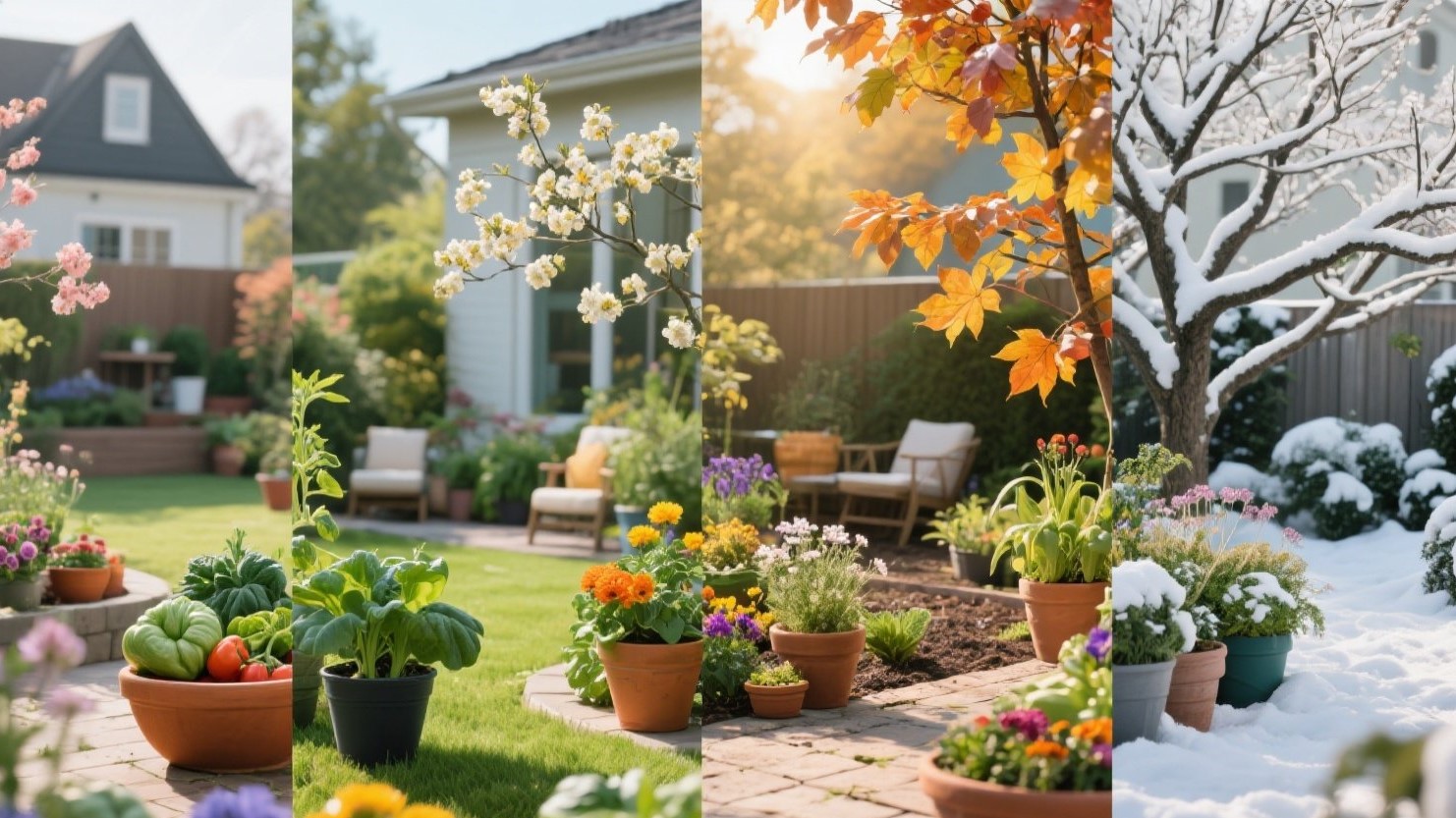
When days get shorter in fall and winter, your houseplants naturally slow down because they receive less light energy. 🌥️ Their metabolism, including photosynthesis and root activity, shifts into a “maintenance mode” instead of rapid growth. You’ll notice fewer new leaves, slower unfolding, and sometimes a complete pause in visible growth—and that’s normal, not a sign you’re a bad plant parent.
This quiet phase is often called dormancy or semi-dormancy, depending on the species. 🌿 Instead of pushing for new foliage, plants focus on preserving energy and strengthening their existing root and leaf systems. Once you understand this built-in seasonal rhythm, it becomes easier to adjust your care and stop expecting summer-level growth from a winter-light plant.
Why less water saves your plants in fall–winter 💧
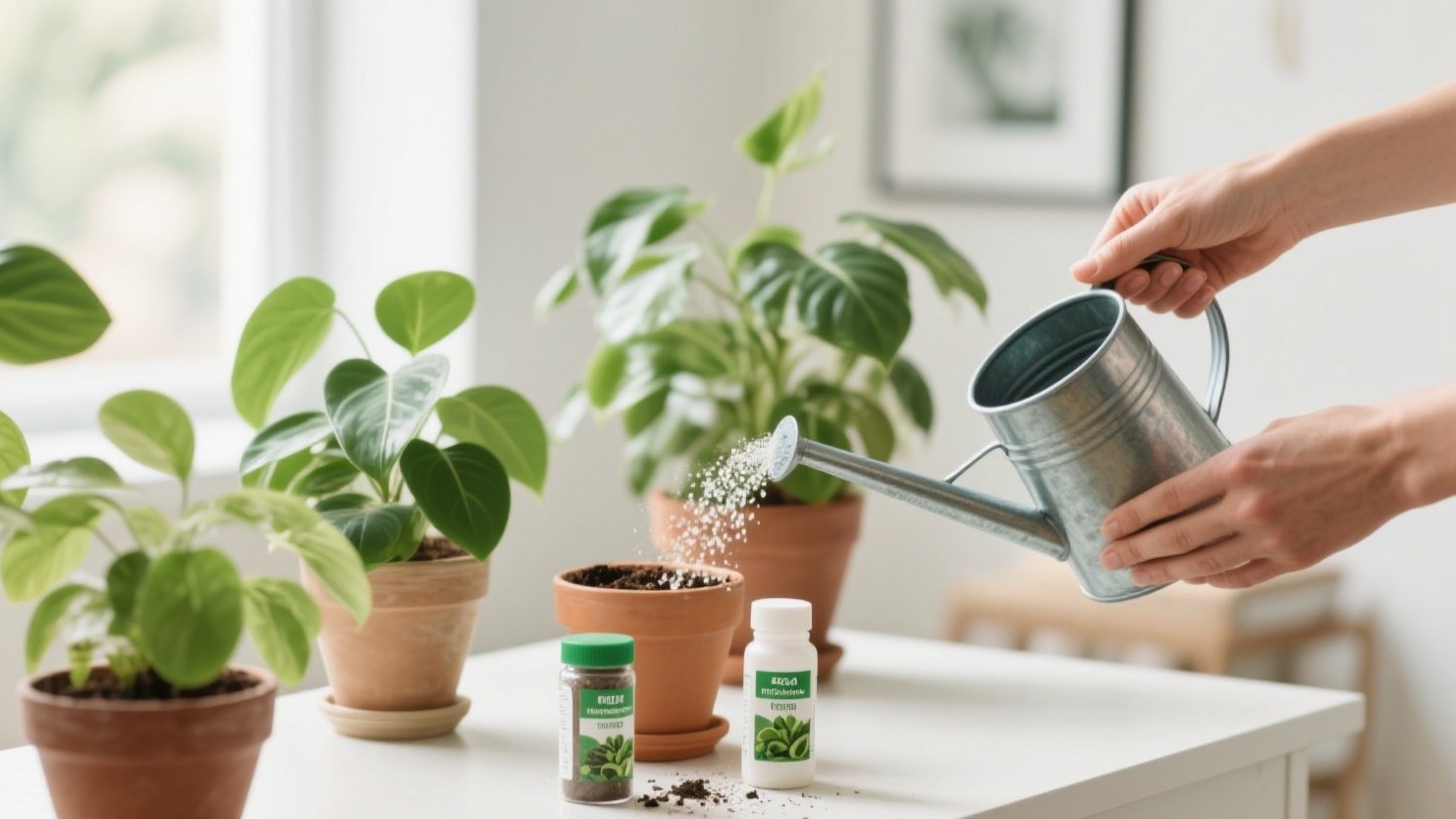
When growth slows, plants drink far less water, which means the soil stays wet for longer. 🪴 If you keep watering as frequently as you did in summer, the roots sit in soggy soil and can’t get enough oxygen. This is when root rot becomes the silent killer—leaves yellow, stems mush, and the plant declines even though you were “caring” for it.
A safer cold-season rule is to water by checking the soil, not by your old calendar routine. 👆 Stick a finger into the pot—if the top 2–5 cm (1–2 inches) feel dry, it’s time to water; if it’s still cool and damp, wait a few more days. Many common houseplants, like pothos, snake plants, and ZZ plants, will happily stretch to longer intervals between drinks in fall–winter, often needing only half as much water as they did in summer. 🌗

Designing a slower, cozier watering routine 🕯️
Instead of watering “whenever you remember,” turn it into a calm, intentional ritual once or twice a week. 📅 Choose specific days—like Sunday mornings or midweek evenings—and slowly walk through your home, checking each pot’s soil and leaves. This rhythm-based approach reduces random overwatering and helps you catch small issues, like pests or drooping leaves, before they become big problems.
You can pair your watering check with small, soothing habits: putting on gentle music, lighting a candle, or sipping tea as you move from plant to plant. ☕ This transforms plant care from a rushed chore into a mini self-care session that grounds you at the end of a busy week. Over time, your plants will associate this slower pace with better health, and you’ll associate it with a calmer, cozier home. 🏡

Styling your pots for cold-season glow ✨
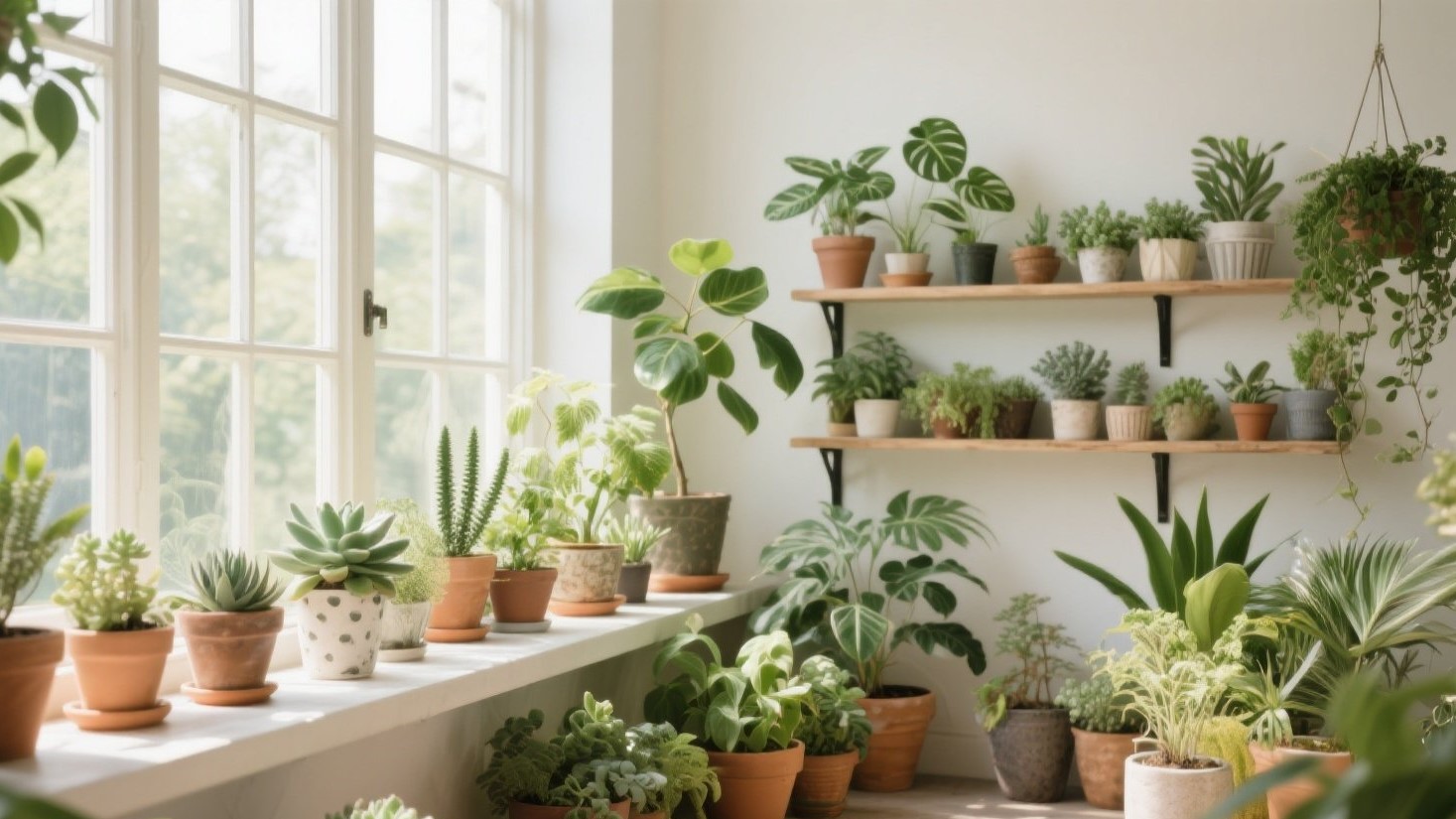
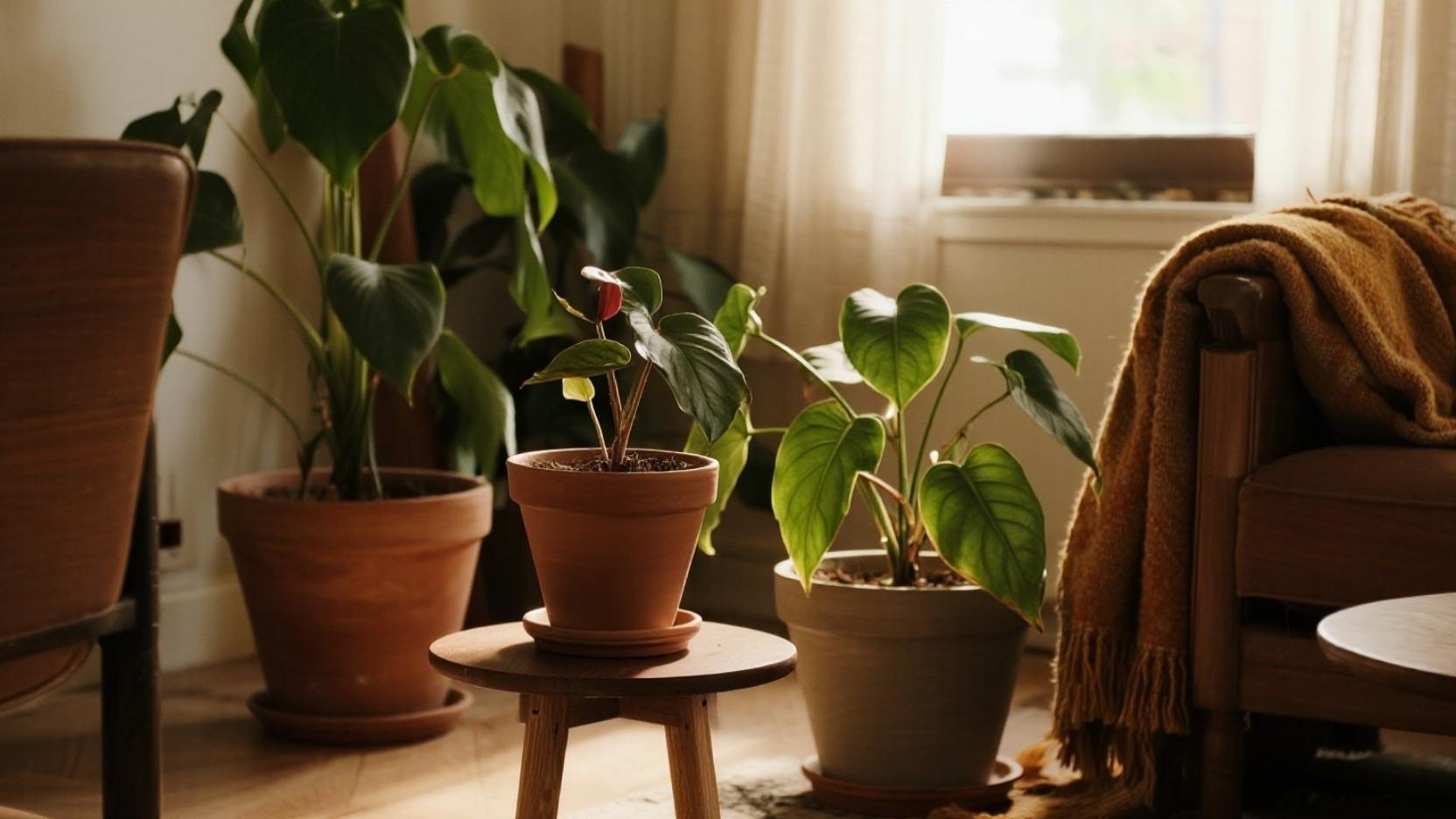
The slower watering schedule is the perfect excuse to refresh your plant styling for fall and winter. 🍁 Heavier ceramic and stoneware pots not only look more substantial in the cooler months, they also help stabilize moisture and temperature around the roots. Warm-toned top dressings—like bark chips, tan pebbles, coconut husk, or preserved moss—add texture, hide bare soil, and reduce evaporation.
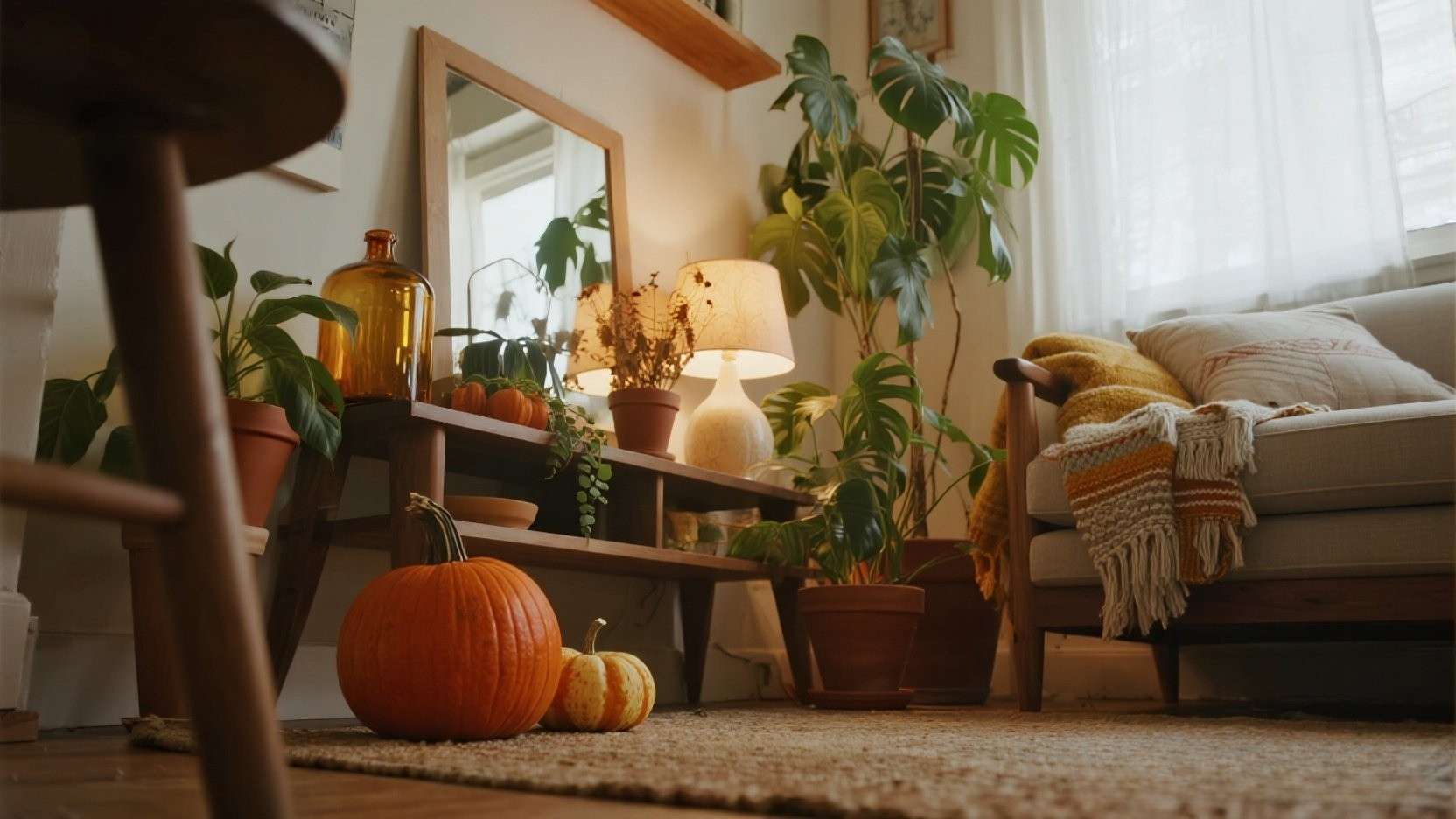
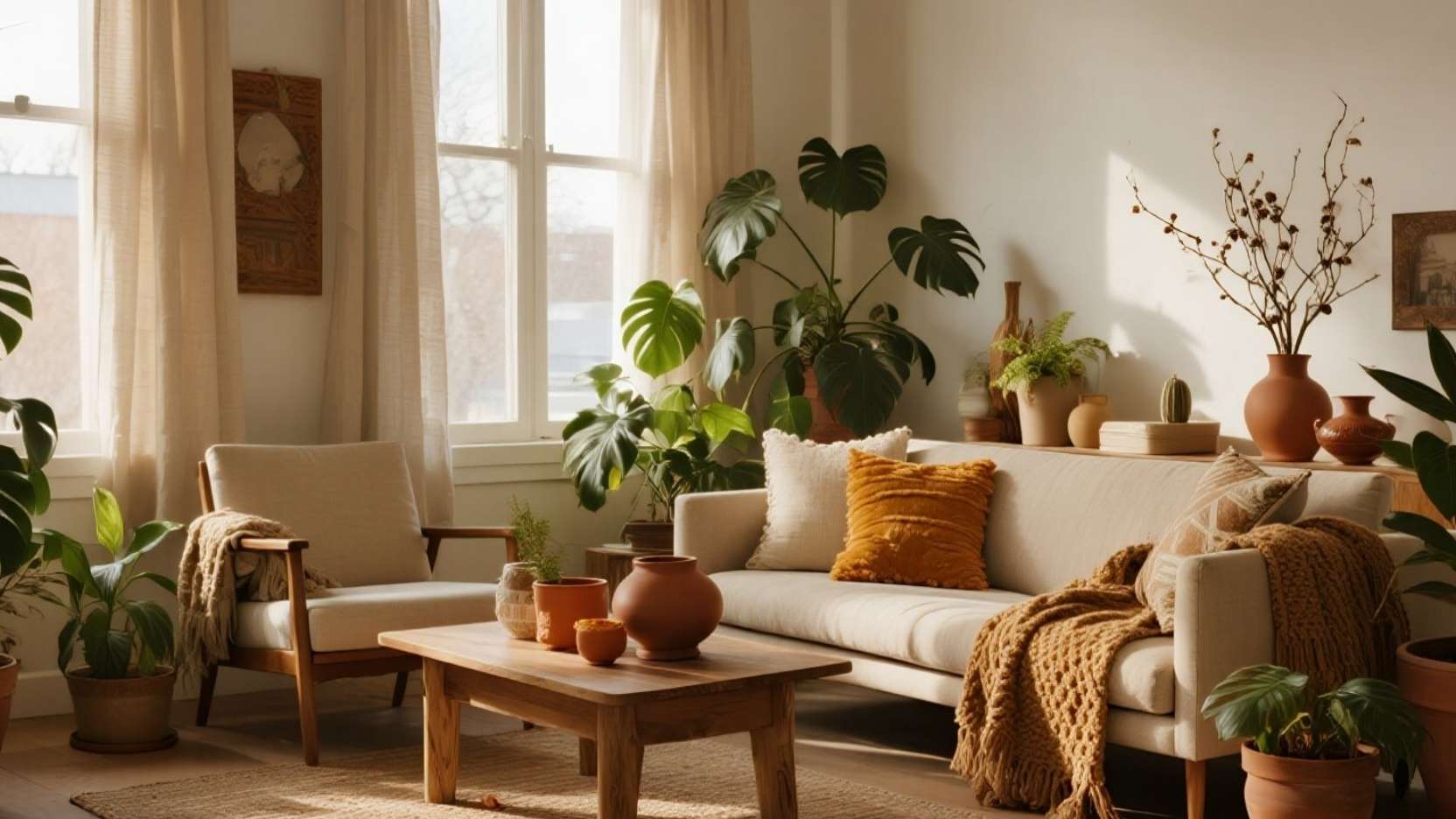
By grouping plants in clusters, you create lush “green corners” that feel intentional, not cluttered. 🌿 Place a tall plant in a heavy pot at the back, medium plants in the middle, and trailing ones at the front for a layered look. Add a warm-toned throw, wooden stool, or soft lamp nearby, and suddenly your plant corner becomes a seasonal vignette that glows even when it’s grey outside. 💡

Make peace with the pause: enjoying dormant beauty 🌙
When you accept that fall–winter is a pause, not a failure, you stop chasing new leaves and start enjoying the stillness. 🌌 You can admire the mature foliage, the silhouettes of each plant, and the way they interact with light and shadow in your space. This mindset shift takes the pressure off you and your plants, turning “nothing is happening” into “everything is resting.”
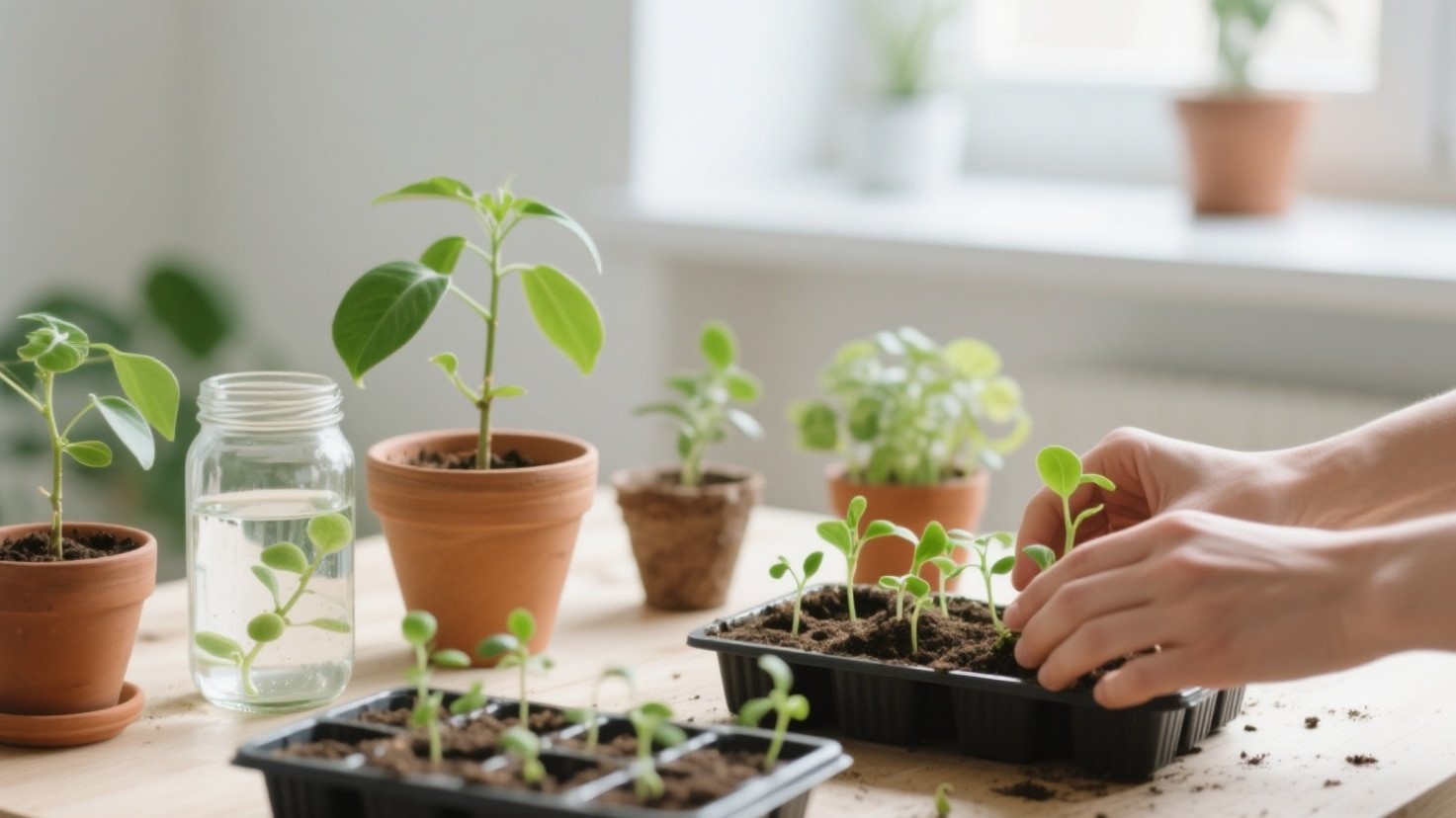
Use this quieter season to observe which plants truly fit your lifestyle and light, and which ones might need a new spot or a new home. 🧩 Instead of forcing growth with extra fertilizer or water, you gently support what already exists. By spring, both you and your plants will be ready to wake up together—rooted, rested, and glowing a little more than before. 🌱💫