Introduction: Color, Warmth, and Winter Salads 🌿🍂
Late fall doesn’t have to mean bare beds and empty salad bowls. By layering amber-toned leaf mulch with simple cold frames and low hoops, you hold soil warmth and keep greens sweet. Think of it as a cozy duvet for the garden paired with a glass roof that lets winter sun in.
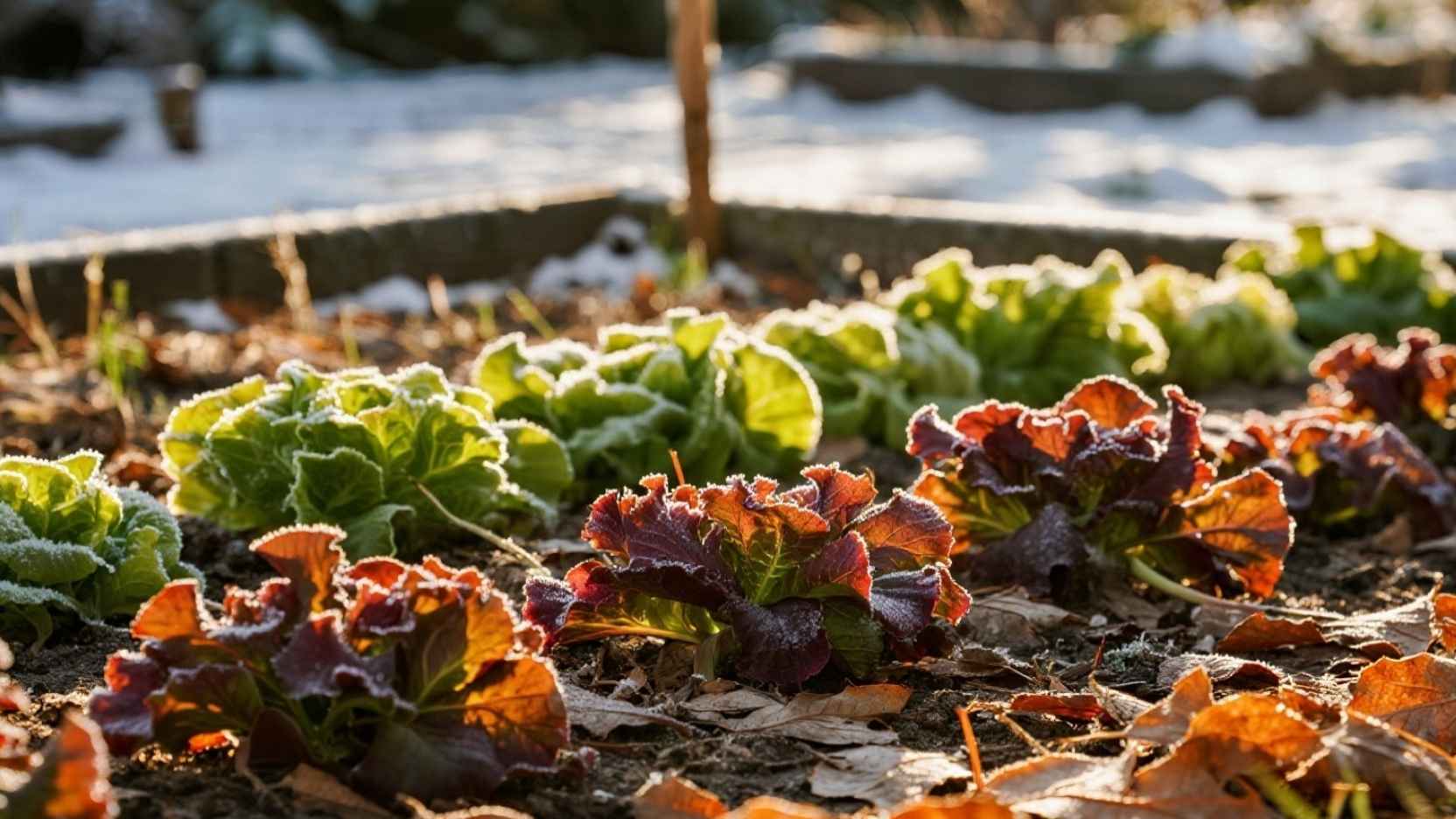
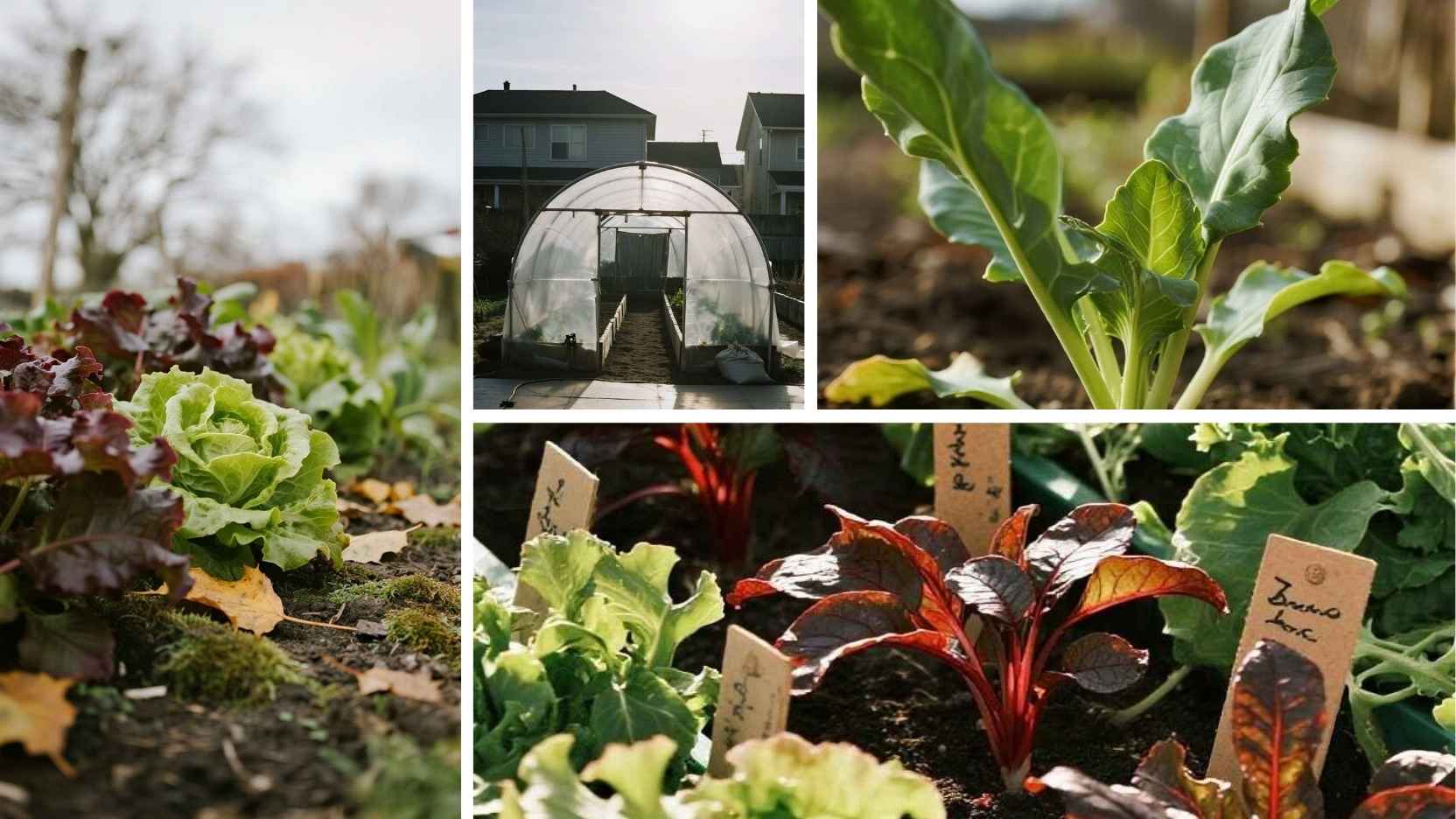
The visual payoff is real, too. Mossy winter lettuces beside burgundy mustards create depth and contrast while the mulch adds golden glow. Your bed becomes both a pantry and a picture. ✨
The Texture Strategy: Amber, Moss, and Burgundy 🎨
Texture cues help you design for both function and beauty. Amber = leaves that insulate and slow evaporation, moss = green lettuces carpeting the surface, burgundy = mustards and beets that add color and bite. Arrange them in bands or checkerboard blocks to guide the eye and distribute growth evenly.
This scheme also supports microclimates. Dark burgundy leaves capture a touch more heat; dense lettuce buffers wind. The leaf layer underneath keeps soil life humming all winter. 🌬️🪱

Leaf-Mulch “Duvet” Method: Fast Insulation, Cleaner Soil 🛏️🍁
Rake dry leaves and shred them if possible for faster settling and better airflow. Lay 2–3 inches of mulch around seedlings and along bare paths, keeping a small collar open at stems. This traps warmth, reduces splash on leaves, and slows weeds.
As the season cools, top up thin spots after rain compacts the layer. The mulch breaks down into organic matter that feeds microbes and spring crops. Think of each addition as adding another blanket on a chilly night. 🔥

Cold Frames & Low Hoops: Quick Builds for Sweet Greens 🛠️🌱
A low hoop house is just flexible conduit, ground pins, and a clear cover. Space hoops 3–4 feet apart, pull plastic snug, and secure with clamps and sandbagged edges. Add a center ridge clip to shed water so the cover doesn’t sag.
Cold frames are even simpler: short walls, a transparent lid, and a south-facing tilt. They store daytime heat and buffer frost, improving flavor in lettuce and spinach. Vent on sunny days to prevent wilting and mildew. 😎

Salvaged-Window Lids: Capture Heat, Frame the Palette 🪟🌤️
Old sash windows make excellent cold-frame lids. Screw simple hinges to a low box frame, add a prop stick for ventilation, and lay weatherstrip along the top edge to reduce heat loss. The glass gives bright light and a charming vintage look.
Safety matters: sand rough edges and check for weight before mounting. Place the hinge on the north side so the lid opens away from prevailing winds. A single window spans a narrow bed; two or three can ladder across a longer run. 🧰

Simple Plantings That Shine: Lettuce, Beets, and Carrots 🥬🫶
Choose cold-tolerant lettuce mixes (oakleaf, romaine, butterhead) for mossy greens, and add burgundy mustards or beet greens for contrast. Sow carrots in a band for baby roots and thin to finger spacing as they size. Edge with beet seedlings for red stems that glow against amber mulch.
Stagger sowings two weeks apart to spread harvests. Under frames or hoops, growth stays steady and flavors turn sweeter after light frosts. Keep a few rows uncovered to compare color and texture outdoors. ❄️

Care Routine: Venting, Watering, and Frost Nights 🧊🚪
On sunny days, crack lids by 1–3 inches to keep temps under control. If condensation streams down the inside of the cover, vent more until droplets stop forming. Re-close before late afternoon to trap heat for night.
Water lightly and early in the day so leaves dry before dusk. In hard freezes, lay a spare row cover under the lid for a double layer. After cold snaps, harvest outer leaves first to minimize stress. 💧
Photo & Palette Framing: Make the Garden Camera-Ready 📸✨
Use the window lid as a natural frame: shoot through glass at a shallow angle so amber mulch fills the foreground. Place mossy lettuces mid-frame and anchor the back edge with burgundy mustards. Early or late light adds warmth without glare.
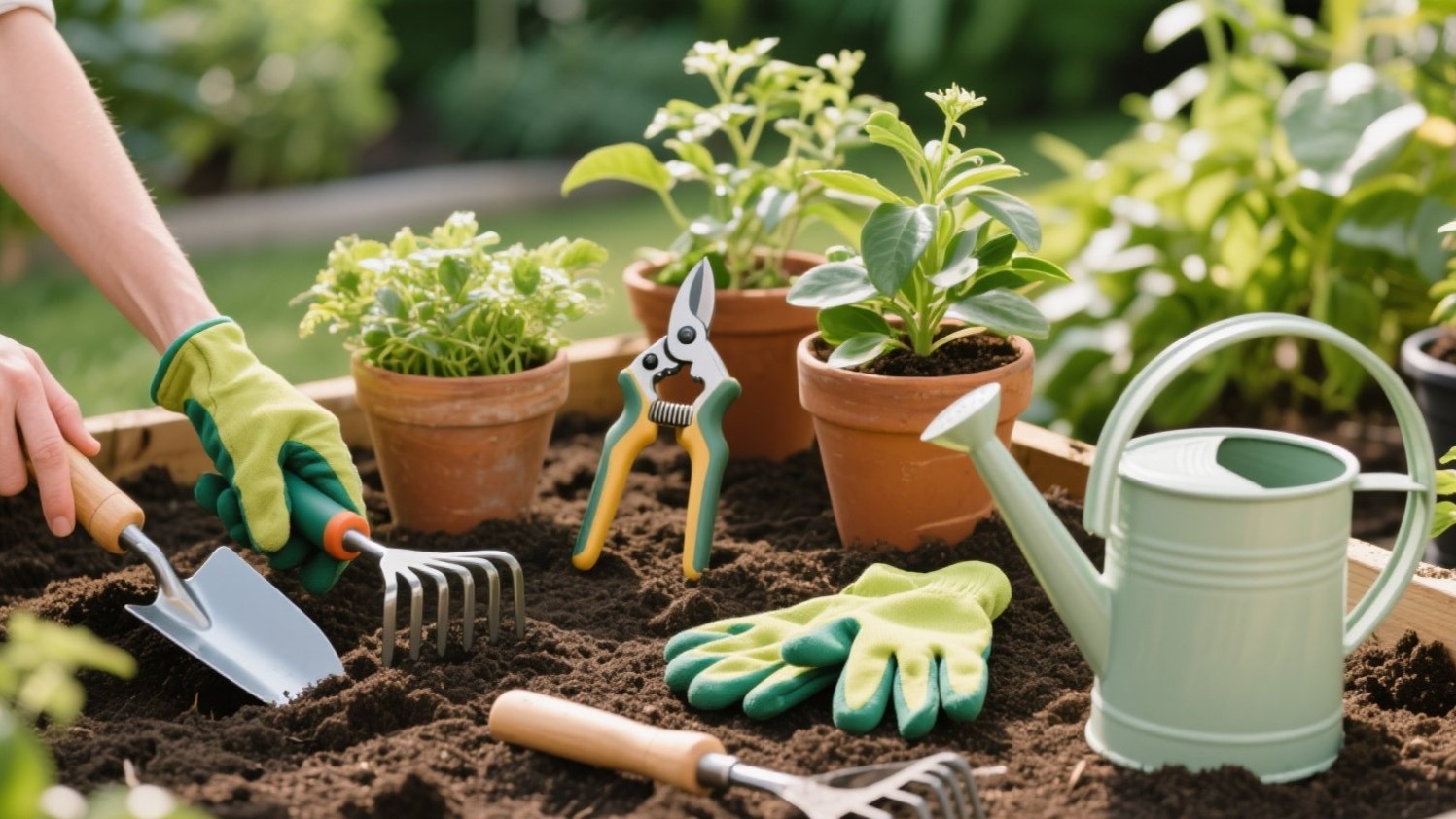
For overheads, tidy paths and brush mulch into smooth arcs. A small hand rake makes clean texture lines that read crisply on camera. Keep tools out of frame unless they’re intentionally styled. 🎯

Quick Build References from the Community (No-Frills Wins) 🧑🌾✔️
Gardeners commonly report success with simple conduit hoops, spring clamps, and 6-mil clear poly. Others prefer cold frames at knee height with salvaged windows for easy access and wind resistance. Both approaches are inexpensive and repeatable.
Keep the bill of materials short: conduit or PVC, rebar stakes, clamps, poly, and sandbags for hoops; scrap lumber, hinges, weatherstrip, and salvaged glass for frames. These builds scale from balcony boxes to long beds. Start small, observe, and iterate. 🔄
Closing Harvest Notes: Cozy Beds, Crisp Bowls 🥗💛
With an amber duvet below and a clear lid above, your garden keeps working while the neighborhood goes gray. Lettuce stays tender, mustards bring color and spice, and roots keep sizing for winter stews. The scene looks good and tastes better.
Start with one framed bed, learn your site’s sun and wind, and expand next season. Reuse windows, rake your leaves, and treat the camera as part of your toolkit. Small moves, big salads, all winter long. 🌤️