🪴 Introduction: The Drainage Dilemma
Scroll through r/PlantClinic, and one question pops up almost daily:
“My plant is dying even though I repotted it with the perfect soil. What’s wrong?”
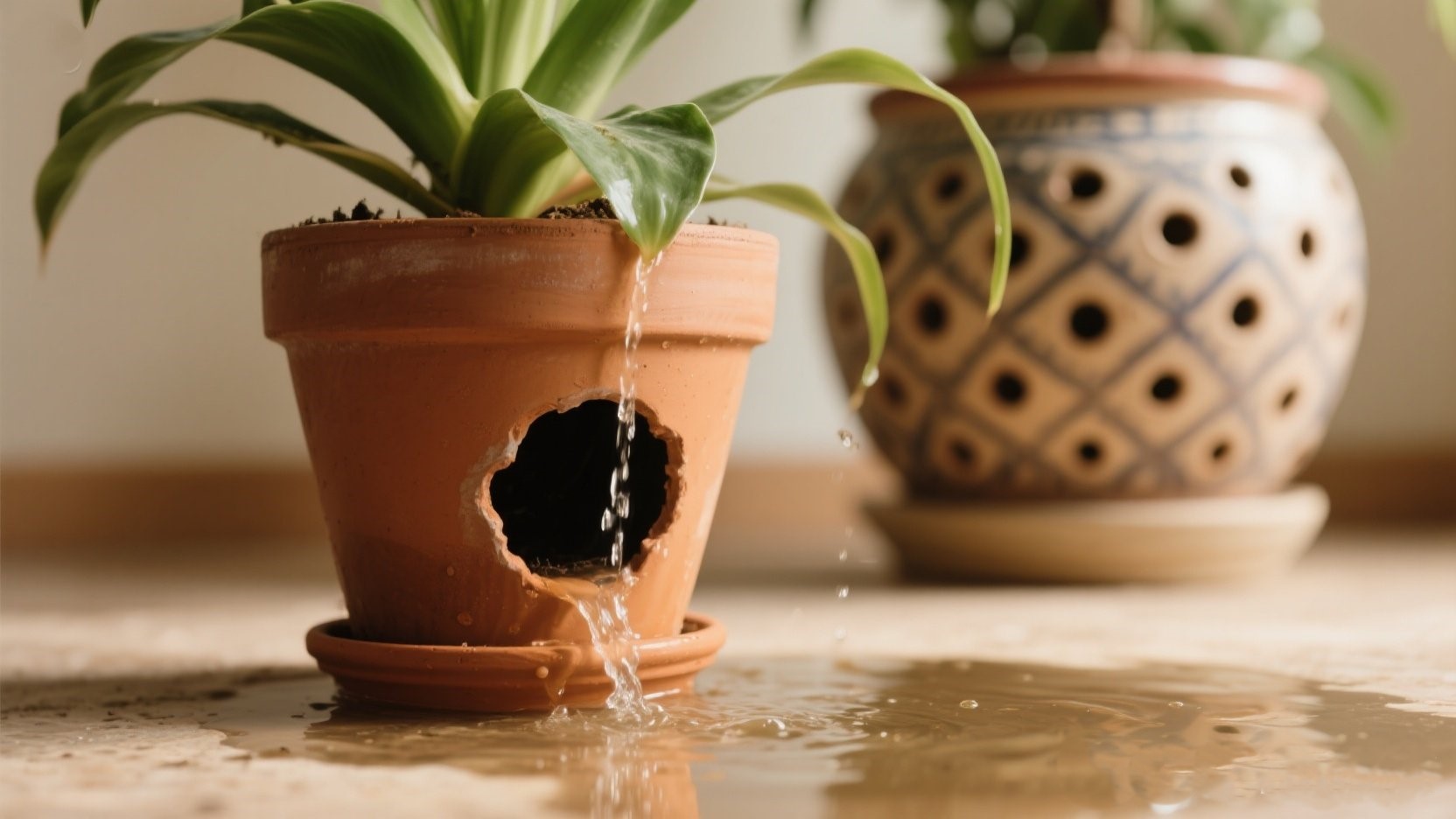
The answer is often simple — tiny drainage holes. Many plant enthusiasts believe that soil type or fertilizer is the most critical factor, but hole size can make or break your plant’s health.
This post explains why drainage matters more than soil alone, how to choose the right pot, and practical solutions for preventing root rot — drawn from real Reddit user experiences and horticultural best practices.
💧 Step 1: Why Drainage Is More Important Than You Think
Plants don’t drown in water — they drown in stagnant water around their roots. Tiny holes can trap excess moisture, no matter how well-draining your soil is.
- Small holes = slow drainage → soil stays wet longer → roots suffocate → root rot.
- Large holes = faster drainage → water moves freely → roots breathe → healthier growth.
Reddit users share horror stories:
“I switched from a cute ceramic pot with two tiny holes to a plastic pot with bigger holes. My monstera revived in two weeks.”
💡 Tip: It’s better to have a slightly larger hole and use a saucer than a tiny hole that keeps water stagnant.
🪴 Step 2: The Pot Material vs. Hole Myth
Many new plant parents choose ceramic or decorative pots first, assuming soil fixes everything. But the Reddit community often emphasizes:
- Material matters less than drainage — clay, ceramic, plastic all work if holes are adequate.
- Design-first pots often have tiny holes → worst for moisture-sensitive plants like orchids, ferns, or succulents.
- Consistency over aesthetics — pick a pot with proper holes first, then layer in design elements like plant stands or decorative outer pots.
“I used to love glassy pots, but every plant I put in them needed daily watering just to survive.” – Reddit user
🪓 Step 3: How Big Should the Hole Be?
The ideal drainage hole size depends on pot size and plant type:
| Pot Size | Recommended Hole Diameter | Notes |
|---|---|---|
| Small (4–6 inches) | 0.3–0.5 cm | One hole often enough |
| Medium (6–10 inches) | 0.5–0.8 cm | 1–2 holes recommended |
| Large (10+ inches) | 0.8–1.5 cm | Multiple holes for even drainage |
💡 Pro Reddit tip:
“If your plant is water-happy, go bigger. Succulents? Smaller holes are fine, but never fewer than one.”
🌿 Step 4: Signs Your Drainage Is Failing
Redditors frequently post pictures of plants with these symptoms:
- Yellowing leaves despite dry topsoil
- Mushy stems or roots
- Foul smell from soil
- Growth stagnation
Most of these issues are solvable by repotting into a pot with proper drainage, even before changing soil type.
🛠️ Step 5: Fixing Poor Drainage
- Drill extra holes — ceramic or clay pots can often be modified carefully.
- Layer with pebbles? – Reddit users warn: “Pebbles don’t improve drainage; they just create an artificial water table that can confuse watering habits.”
- Use a pot insert — grow in a smaller pot with adequate holes inside a decorative outer pot.
- Soil choice — complement hole size with well-draining soil, but never rely on soil alone.
💬 Reddit consensus:
“Drainage > soil > fertilizer. Fix the holes first, everything else comes second.”
🧠 Step 6: Takeaways From r/PlantClinic
- Hole size is often overlooked but critical for plant survival.
- Aesthetics should not override functionality — decorative pots without proper drainage are traps.
- Soil and fertilizer only work if water isn’t pooling around roots.
- Repotting into a pot with proper holes can resurrect plants faster than any other intervention.
“I used to water daily. Now my plant is happy with twice-a-week watering, all thanks to a proper hole.”
🍃 Final Thoughts
Tiny drainage holes are a hidden killer in plant care. If you’re frustrated by yellow leaves, root rot, or constant watering, the first thing to check isn’t soil or sunlight — it’s the size of your pot’s drainage holes.
Water wisely, choose functional pots, and let your plants breathe. Your green friends will thank you. 🌱