Beauty-first IPM: the design mindset 🌿✨
Integrated Pest Management (IPM) isn’t just a science plan—it can be your aesthetic brief. Start by deciding that every control tactic must also look intentional, like part of the styling. When beauty leads the brief, you’ll naturally choose solutions that are subtle, layered, and season-long.
Think of your garden like a well-dressed room: textiles, colors, and textures all work together to distract from flaws. In garden terms, that means airy netting, silvery foliage, and tidy edging that make minor chew marks fade into the scene. Prevention stays front-and-center, so you’re intervening lightly, not firefighting weekly. 💅🌱
Layer your “textiles”: insect netting as garden sheers 🧵🪴

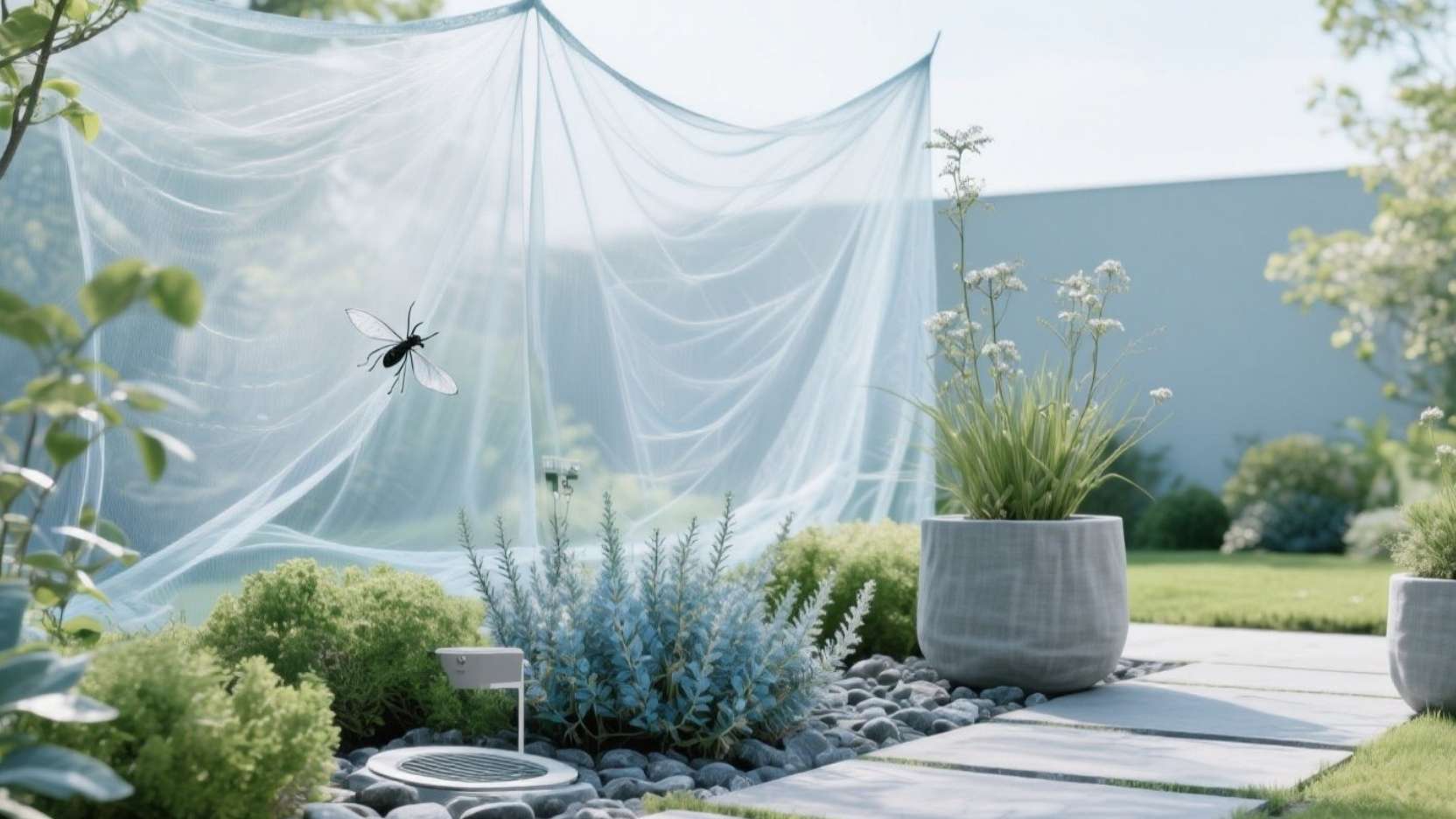
Use fine, breathable mesh as if you’re hanging sheers—drape it over low hoop tunnels or micro-frames so it reads as intentional, not clinical. Choose soft gray or off-white netting to harmonize with gravel paths and pale containers, avoiding stark white that shouts “utility.” Secure edges with matching pins or slim timber battens so lines stay crisp and elegant.
Where pollination isn’t required (leafy greens, brassica seedlings), keep the “sheers” closed until plants size up. For crops that need pollinators later, design a tidy “curtain tie-back” moment: roll and clip the mesh on flowering weeks. This choreography keeps visuals refined while preventing early-season aphid and moth pressure. 😌🦋
Front-bed stars: pick pest-resistant, look-forward cultivars 🌸🌤️

Choose cultivars bred for resistance—disease-resistant roses, downy-mildew-tolerant basils, bolt-resistant lettuces—so your front beds stay glossy with minimal intervention. Favor blue-green and silvery foliage (artemisia, lavender, dusty miller), which visually disguises minor chewing and drought stress. Mix in structural edibles like lacinato kale or red-veined chard that hold photo-worthy form.
Arrange by height and airflow: taller, breezy plants behind low mounding herbs to reduce humidity pockets. Wider spacing looks modern and limits disease spread, while mulch lines keep the composition clean. The result is showroom-ready beds that quietly shrug off common spring pests. 🌬️💙
Hide the “work”: camouflaging traps and baits 🎯🪵

Sticky cards are powerful for monitoring, but they’re not exactly chic. Tuck half-height cards within clipped thyme borders or behind dwarf lavender, so they’re functional from gardener view yet invisible curbside. Where you need soil-level traps, set them flush and veil with a thin layer of matching pebble or bark mulch.
Choose containers and accessories that match your palette—charcoal, terra-cotta, or ecru—so any necessary devices fade into the scene. For bait stations, nestle them in decorative cachepots with slotted bases, maintaining access while elevating the look. Your garden stays editorial even on pest-patrol days. 📸🪴
Spring IPM cadence: scout → identify → choose least-toxic control 🔍📅

Build a weekly ritual: slow walk, calm eyes, and a phone photo album labeled by bed. Note leaf undersides, new growth, and any sticky residue, then compare across weeks to catch trends early. Identification beats guesswork, saving you from mismatched treatments.
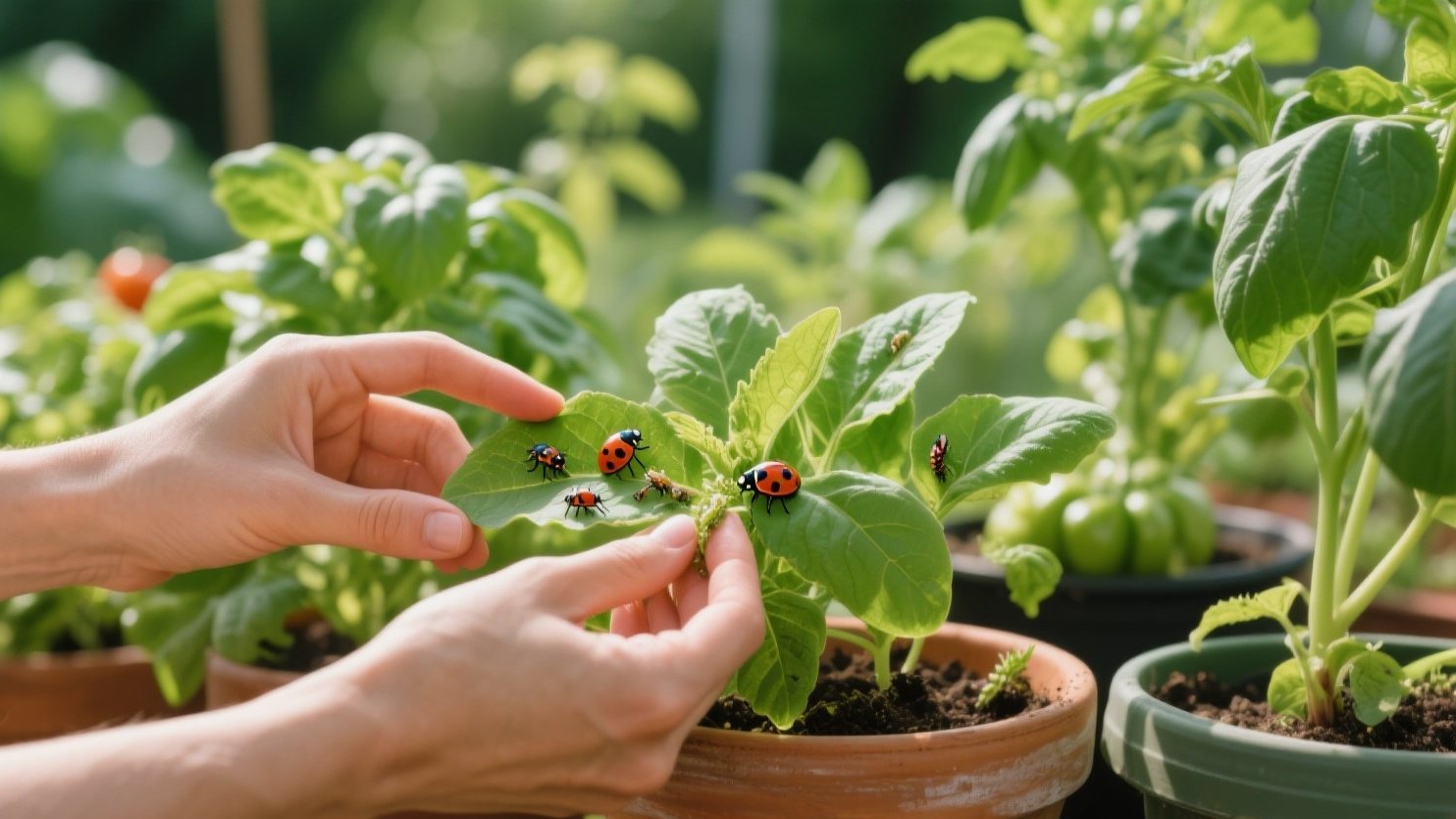
Start with cultural and physical controls—airflow, sanitation, targeted netting—before reaching for inputs. When needed, step up to least-toxic options: insecticidal soap for soft-bodied pests, horticultural oils during dormant/labelled windows, and spot-applied biologicals like Bt for specific larvae. Every choice should preserve pollinators and keep the design intact. 🐞✅
“What to do this week” sidebar (Spring version) 🗂️⏰
- Week 1: Install netting “sheers” over brassicas and leafy greens; edge beds; set two hidden sticky cards per 1–2 m².
- Week 2: Scout and photograph; thin dense patches for airflow; top up decorative mulch/pebbles where soil shows.
- Week 3: Spot-wash aphids with a gentle water stream in the morning; remove heavily infested leaves to break cycles.
- Week 4: Refresh clips and anchors; open netting for pollination if necessary; sanitize shears; reset sticky cards.
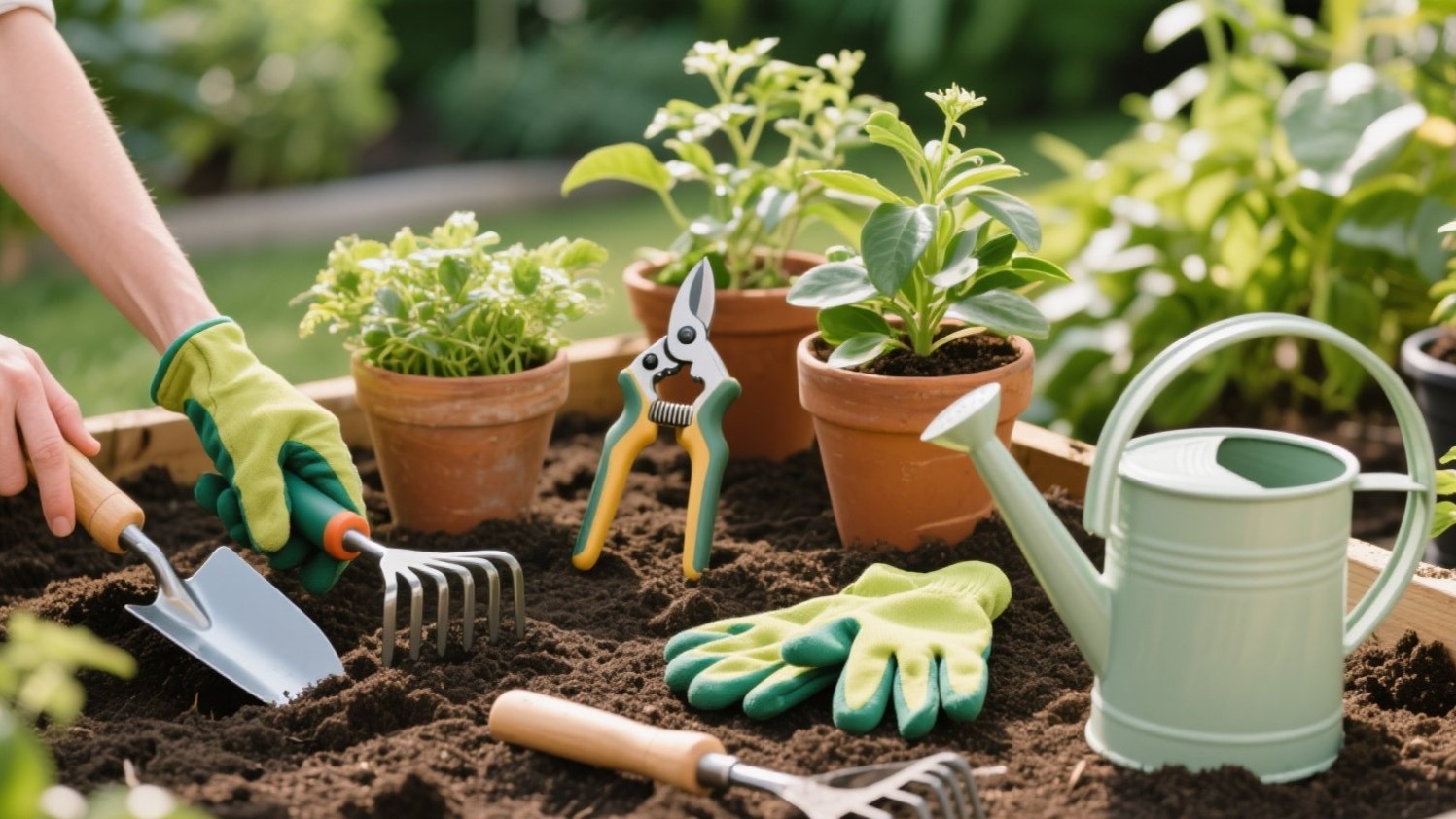
- Rolling: Water at soil level, not foliage; remove plant debris promptly; keep a small “IPM caddy” styled to match your palette.
These micro-habits turn prevention into a beautiful routine. By keeping tasks short and rhythmic, you prevent flare-ups that force heavy treatments. Your garden stays photo-ready and peaceful. 📅🌷
Visual palette: silvers, blue-greens, and soft structure 🎨🧊

Cool hues visually “blur” minor blemishes, so small chew marks don’t read as damage in photos or from the curb. Combine dusty miller, artemisia, lamb’s ear, blue fescue, and olive-toned herbs against slate gravel or pale pavers. Add verticals—yew cones, rosemary columns—for rhythm that draws eyes up, not into leaf surface.
Containers in matte ceramics (linen, clay, charcoal) echo interior design and frame edible blocks elegantly. Repeat materials across beds to reduce visual noise and emphasize form. The palette isn’t just pretty—it’s strategically forgiving. 🧯💎
Photogenic, nibble-tolerant plant list 📋🌼
Choose Artemisia ‘Powis Castle’, Dusty Miller (Senecio cineraria), Lavandula angustifolia, Stachys byzantina (lamb’s ear), Salvia officinalis, Helichrysum italicum (curry plant), Festuca glauca, and Santolina chamaecyparissus for the silver/blue-green backbone. Mix in Lacinato kale, Rainbow chard, Red Russian kale, Chive clumps, and Flat-leaf parsley for architectural edibles that handle a little browsing without looking ragged. For bloom, add Nepeta, Scabiosa ‘Butterfly Blue’, and Calendula—all charming under light pressure and friendly to beneficials.
Space generously (air is an input), prune spent material promptly, and keep edges crisp to maintain the “designed” look. If a plant struggles repeatedly, replace it with a tougher analog in the same color family to protect the palette. End result: resilient, elegant beds that photograph like a magazine spread—pests included, but barely seen. 📷👌