🌱 Introduction: When Hacks Go Viral — But Do They Really Work?
You’ve probably seen it before — a plant care hack circulating on TikTok or Pinterest that seems too clever to ignore. One of the most viral of them all? The ice cube watering trick. 🧊
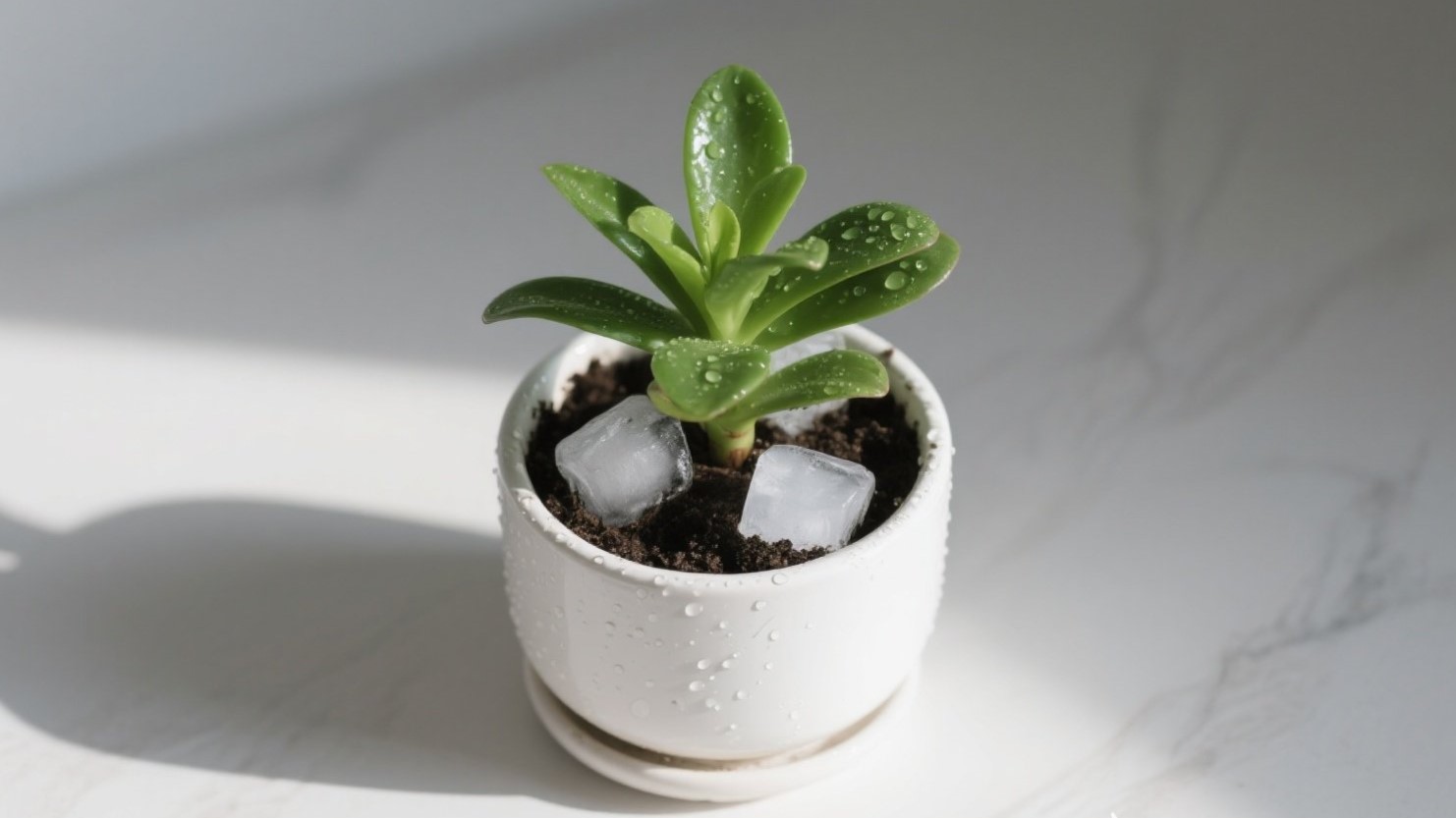
The premise sounds genius: instead of pouring water directly into your plant’s pot, you place a few ice cubes on the soil surface. As they melt, the idea goes, they’ll slowly release moisture into the soil, giving your plant just the right amount of hydration without flooding it.
But does this “controlled melt” method truly benefit your plants — or could it be secretly doing harm? Let’s dig in (literally) and uncover the truth about this frosty trend.
💧 How the Ice Cube Watering Trick Works

The concept originated as a way to prevent overwatering — one of the most common reasons houseplants die. The logic is simple:
- You place 2–3 ice cubes on top of the soil.
- As they melt, the soil absorbs moisture slowly and evenly.
- The gradual melting prevents excess runoff, helping roots take in water more efficiently.
For beginners, it sounds like the perfect low-effort system — less mess, less guessing, and no heavy watering cans involved. But while the method might work in some scenarios, plant science tells a slightly more complicated story.
🌿 When the Ice Cube Trick Actually Works
Let’s start with the good news: in certain cases, this method can be beneficial.
✅ For orchids and some tropical plants grown in bark-based or aerated media, the slow melt helps ensure the roots don’t stay submerged for too long.
✅ For small potted houseplants (like succulents, peace lilies, or African violets), it can help avoid accidental overwatering by delivering smaller doses of moisture.
✅ For busy plant owners, it’s an easy visual reminder — “one cube per week” can be a simple, non-intimidating schedule.
So yes, the ice cube trick can serve as a beginner-friendly watering control method, especially for people who tend to overdo it with the watering can.
But here’s where it gets tricky (pun intended).
⚠️ When the Ice Cube Trick Can Harm Your Plants
While ice might seem harmless, temperature shock is a real risk — especially for tropical species. 🌴
Most indoor plants evolved in warm, humid environments. When ice-cold water melts directly onto their roots, it can cause root stress or cellular damage, particularly in sensitive plants like pothos, calatheas, and ferns.
🧊 What can go wrong:
- Sudden cold exposure can stunt growth or damage root tissues.
- Soil bacteria and beneficial microbes may become less active in low temperatures.
- For plants with shallow roots, direct contact with ice can lead to root burn.
Additionally, this method doesn’t allow you to flush salts or mineral buildup from the soil — something periodic deep watering helps accomplish. Over time, that can lead to poor nutrient absorption and droopy, discolored leaves.
🔬 What Plant Experts Say
Most horticulturists and botanists agree: ice cubes are not a replacement for proper watering techniques.
The University of Vermont Extension and The Ohio State University Master Gardener Program both highlight that room-temperature water is ideal because it prevents thermal shock and encourages nutrient uptake.
However, they also note that small ice cube amounts won’t necessarily kill your plant — it’s just not the most efficient or natural way to water.
In short: it’s not a “plant killer,” but it’s not a magic fix either. 🌱
🌸 A Better Alternative: Controlled Watering Without the Chill
If you love the idea of controlled hydration, there are safer (and more plant-friendly) alternatives:
- Use a self-watering pot or insert.
→ These deliver consistent moisture without soaking roots. - Try the bottom-watering method.
→ Place your plant in a shallow tray of water for 10–15 minutes. Let it absorb from the drainage holes upward. - Measure your water.
→ Use a small cup or syringe to deliver precise amounts rather than pouring freely.
These methods mimic the intent of the ice cube hack — controlled hydration — without the temperature shock.
🌼 Final Thoughts: Clever Hack or Chilly Mistake?
The ice cube watering trick earns points for creativity — and it can work in specific low-risk situations. 🧊✨
But as with many viral “hacks,” it’s not a universal solution.
If your plants come from tropical regions (and most houseplants do), they’ll thank you for warm, consistent watering instead of surprise frost.
So, is it genius or gimmick?
✅ A little bit of both.
It’s clever for convenience, but it doesn’t replace understanding your plant’s true watering needs.
In the end, successful gardening isn’t about shortcuts — it’s about listening to your plants, learning their rhythms, and giving them the environment they’re meant to thrive in. 🌿💚