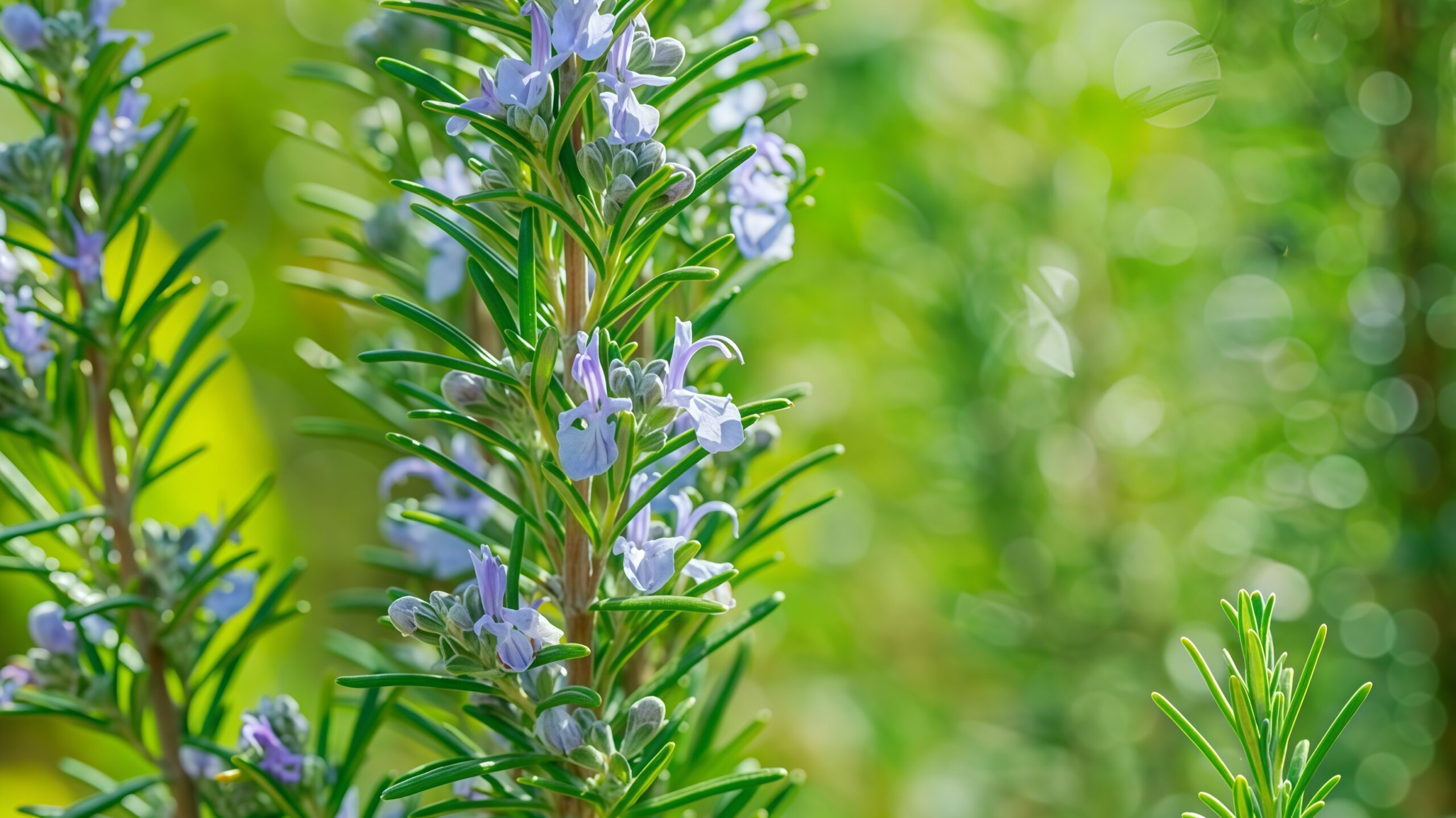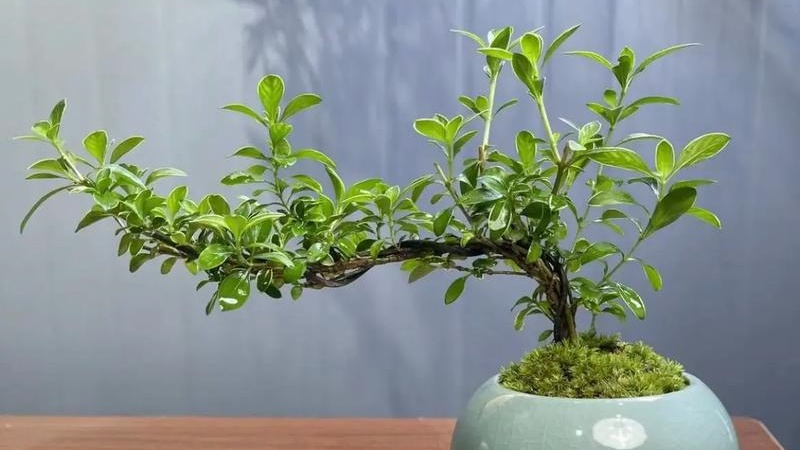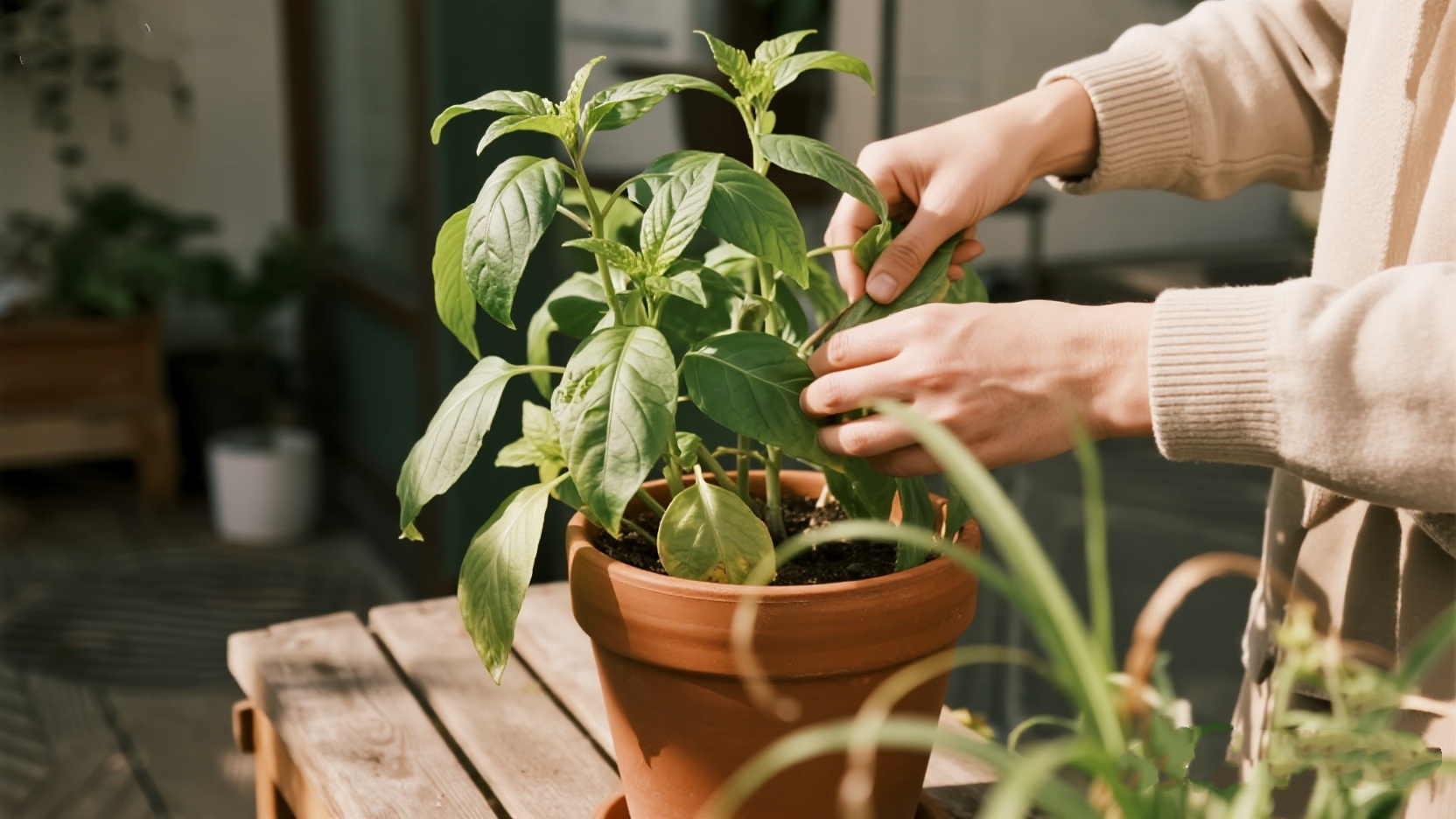
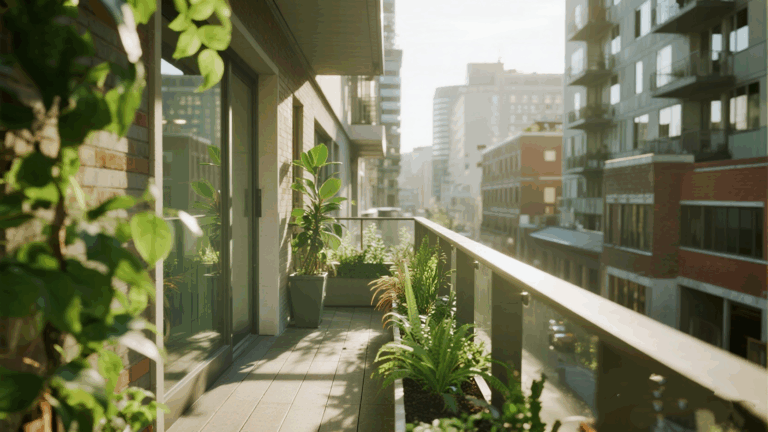
Living in a city apartment, a balcony can feel like your own small piece of paradise. It’s where morning light meets your coffee cup, where fresh air breaks up a day of screen time, and—with a little care—where your very first tomato might ripen. But for those just starting out, turning that compact concrete space into a green retreat can feel both inspiring and overwhelming.
Through shared stories and seasoned advice, urban gardeners around the world have shown that a thriving balcony garden depends less on square footage and more on smart, thoughtful choices.

1. Understand Your Light: Even a North-Facing Balcony Can Thrive
One of the most common concerns for beginners is whether their balcony gets enough sun. But as many gardeners have found, even a north-facing or partly shaded spot can host a surprising range of plants. One gardener proudly reported growing kale, chard, and strawberries with only a few hours of indirect light.
Some plants that do well in lower light include:
- Leafy greens like spinach, arugula, and lettuce
- Herbs such as mint, parsley, and cilantro
- Shade-tolerant flowers like impatiens and begonias
Getting to know your balcony’s light patterns—how many hours of direct sun it receives, and when—helps you pick the right plants from the start. If you have less than four hours of direct sunlight, focus on shade-tolerant greens and herbs.
2. Choose the Right Containers
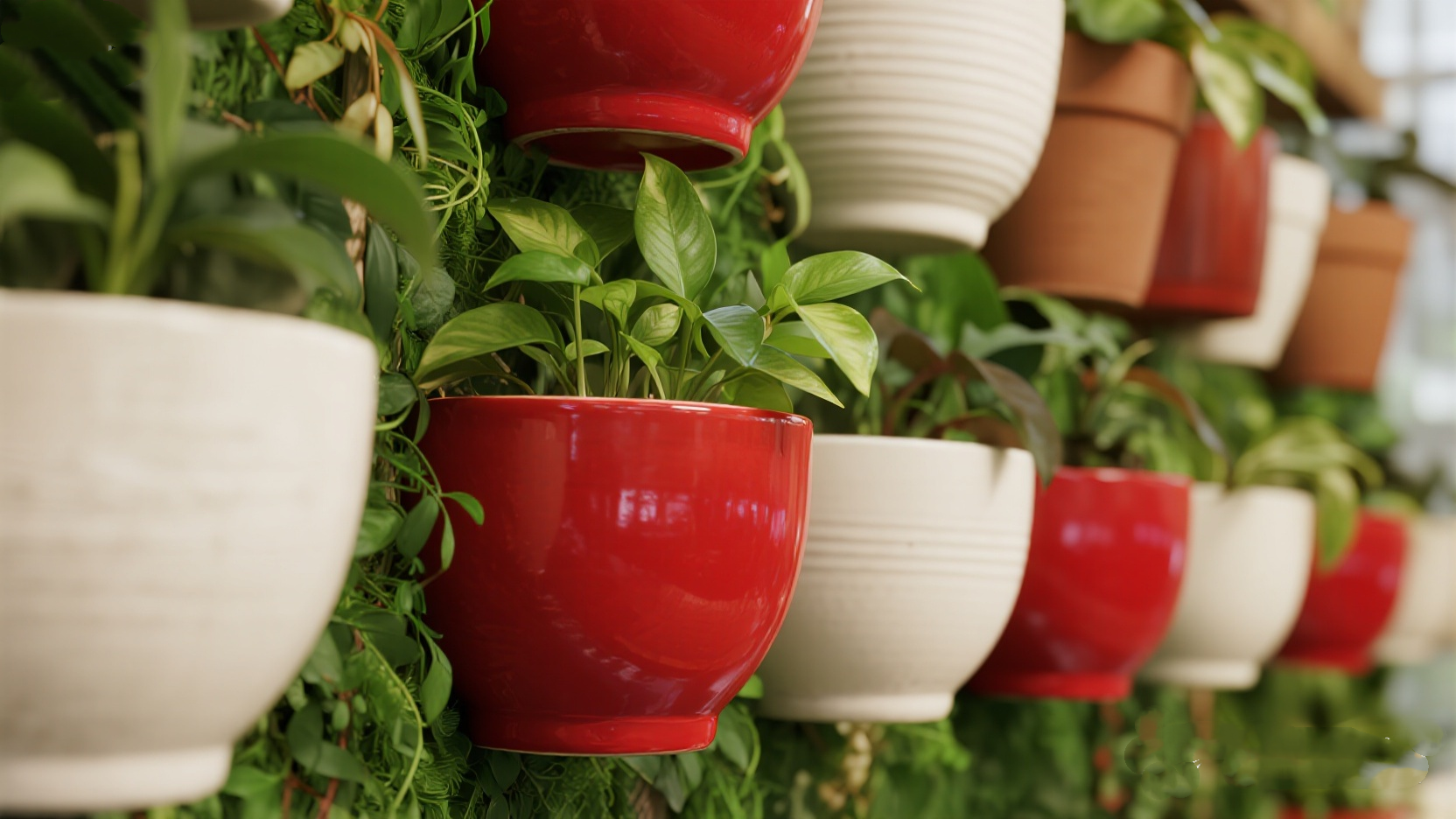
In balcony gardening, the container is just as important as what you grow. Beginners are often reminded: avoid pots that are too small. Shallow containers dry out quickly, overheat in the sun, and restrict root growth.

Opt for deeper pots—at least 10–12 inches—with good drainage. Fabric grow bags, self-watering planters, and even upcycled buckets can work beautifully. Another useful tip: group pots close together. This creates a more humid microclimate and reduces water loss.
3. Don’t Skimp on Soil
Heavy garden soil is a common pitfall. Balcony gardeners consistently recommend light, well-draining potting mixes, which often include compost, coco coir, and perlite for aeration. As one gardener shared, “When I stopped using heavy backyard soil and switched to a quality potting mix, my plants finally took off.”
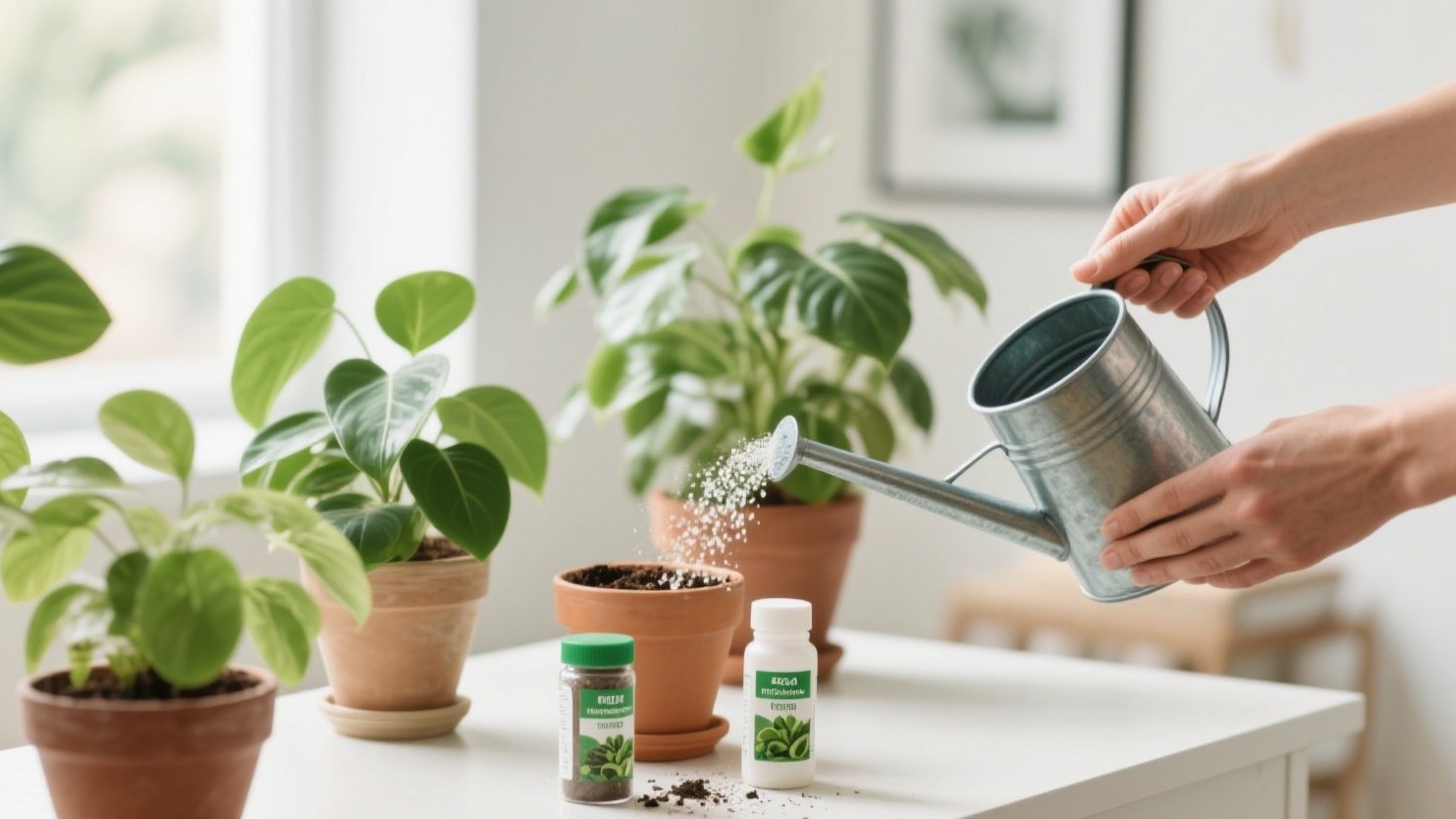
If your plants seem sluggish or pale, they may need more nutrients. A regular feed with organic fertilizer or compost tea every few weeks can prevent the “container fatigue” that often strikes by midsummer.
4. Water with Care
Over- or under-watering trips up many beginners. A simple method is the finger test: insert your finger about two inches into the soil—if it feels dry, it’s time to water.

Helpful watering habits include:
- Watering in the early morning to reduce evaporation
- Placing trays under pots to protect the balcony below
- Using self-watering containers if you’re often away
5. Start with Beginner-Friendly Plants
New gardeners do best with resilient, low-fuss varieties. A tried-and-true “starter pack” includes:
- Cherry tomatoes (compact and productive)
- Chillies or bell peppers
- Herbs like mint, basil, and thyme
- Strawberries in hanging baskets
- Fast-growing greens like lettuce and kale
Start with just two or three types. As you learn your balcony’s conditions—wind, light, temperature—you can gradually expand.
6. Manage Wind and Heat
Balconies can create their own microclimates: windy one day, scorching the next. Gardeners often use bamboo screens, trellises, or breathable cloth to soften strong gusts and provide partial shade. One gardener noted, “A simple windbreak saved my herbs from getting tattered.”
If your space gets intense sun, choose light-colored pots or add a shade cloth during heatwaves. Small adjustments can make a big difference.
7. Design a Space You Love
Balcony gardening isn’t just about growing plants—it’s about creating a place you want to be. Many gardeners add fairy lights, a small seat, or a soft outdoor rug to make the area inviting. In the words of one gardener:
“Now my balcony is my favorite room—I drink my tea surrounded by basil and forget the city entirely.”
Even if your harvest is small, the sense of peace a green balcony brings is its own reward.
8. Avoid Common Beginner Mistakes
Learning from others can help you sidestep frequent missteps, such as:
- Overcrowding pots, which leads to competition for light and nutrients
- Overwatering, a fast track to root rot in containers
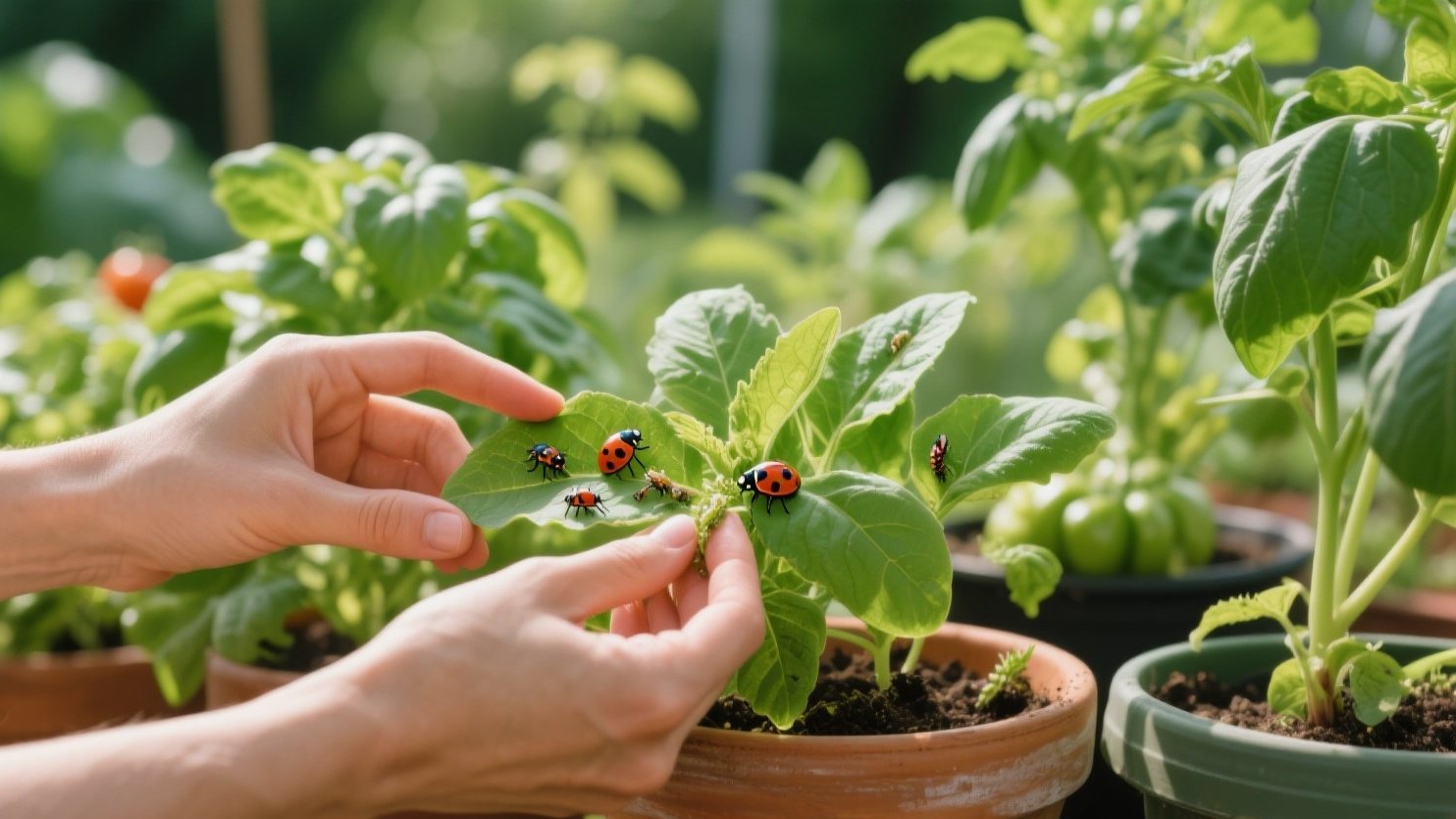
- Ignoring early signs of pests like aphids or spider mites
- Using dense garden soil instead of a light potting mix
- Expecting too much too soon—gardening is a practice of patience
9. Learn from Real Experience
What makes shared gardening advice so valuable is its honesty. You see not only the perfect harvests but also the setbacks and comebacks. This collective trial and error creates a living library of knowledge—a community growing together, even from afar.
10. Grow with Gratitude
Balcony gardening, at its heart, is about nurturing life where you are. Every new leaf or flower is a small victory that reconnects you to nature—and to yourself.
As one gardener reflected:
“My balcony may be small, but the joy it grows is bigger than my whole apartment.”
Whether you dream of fresh herbs, homegrown tomatoes, or simply a greener view, your balcony awaits. All it takes is a little light, a good pot, and a willingness to begin.