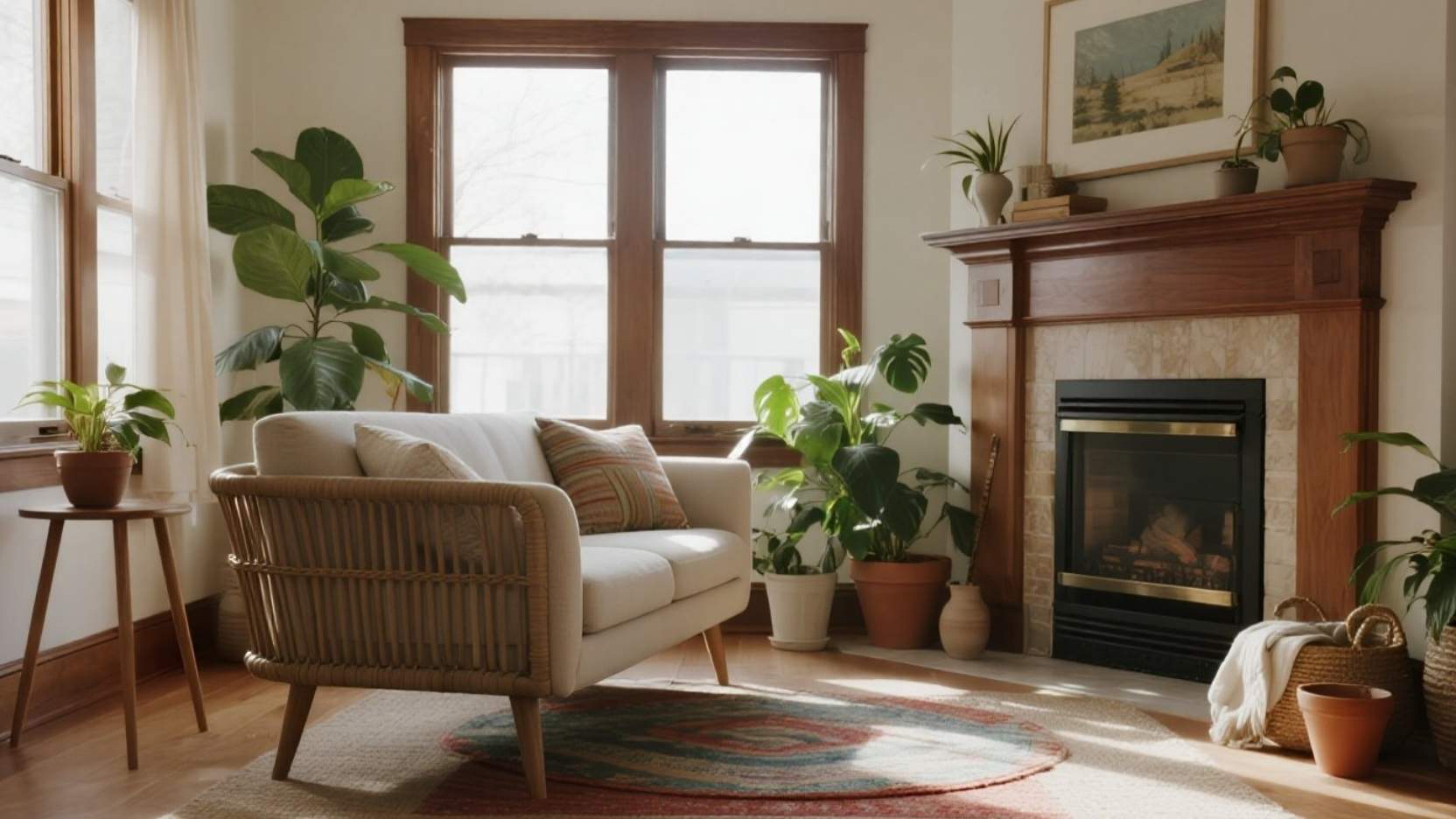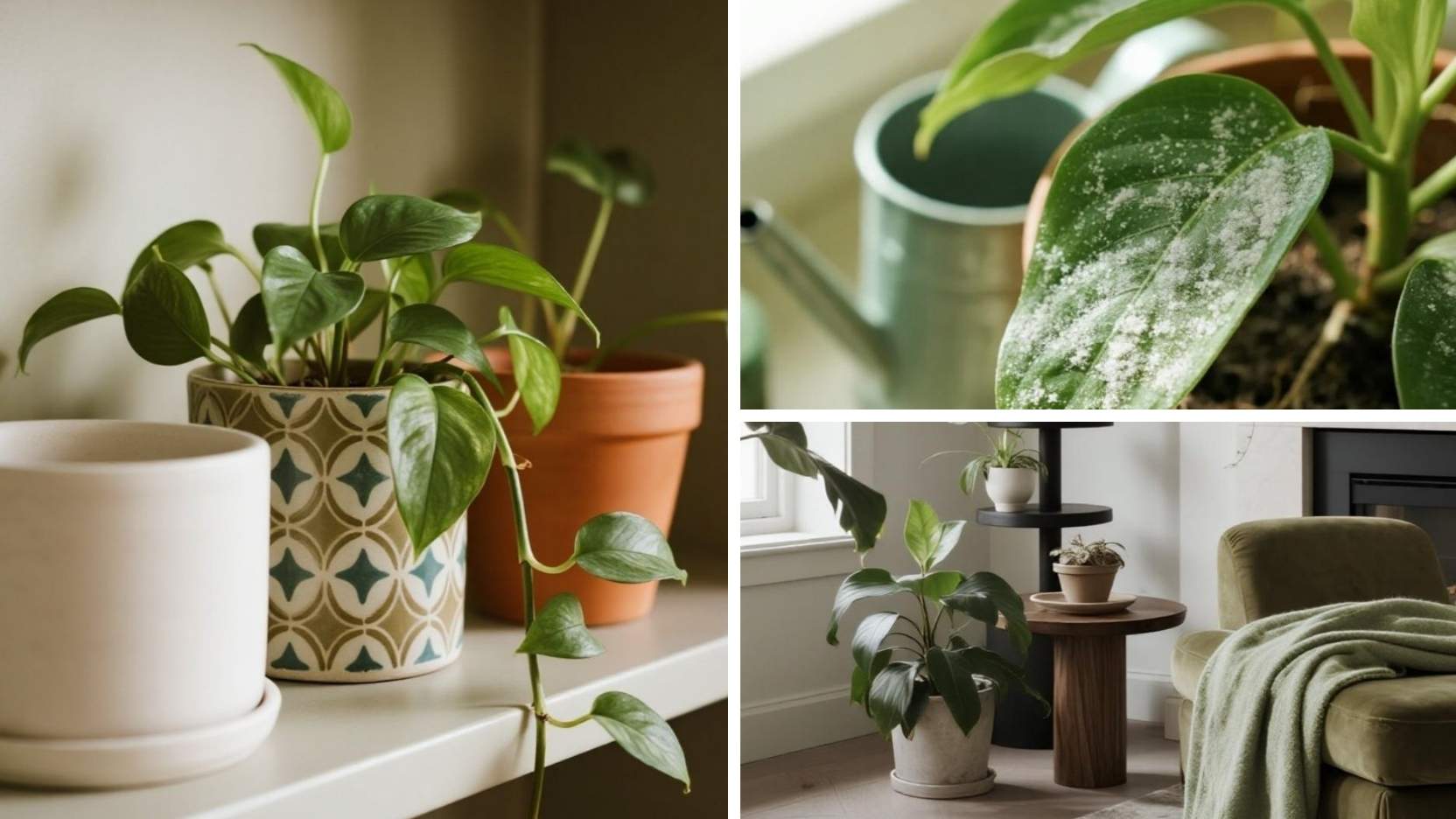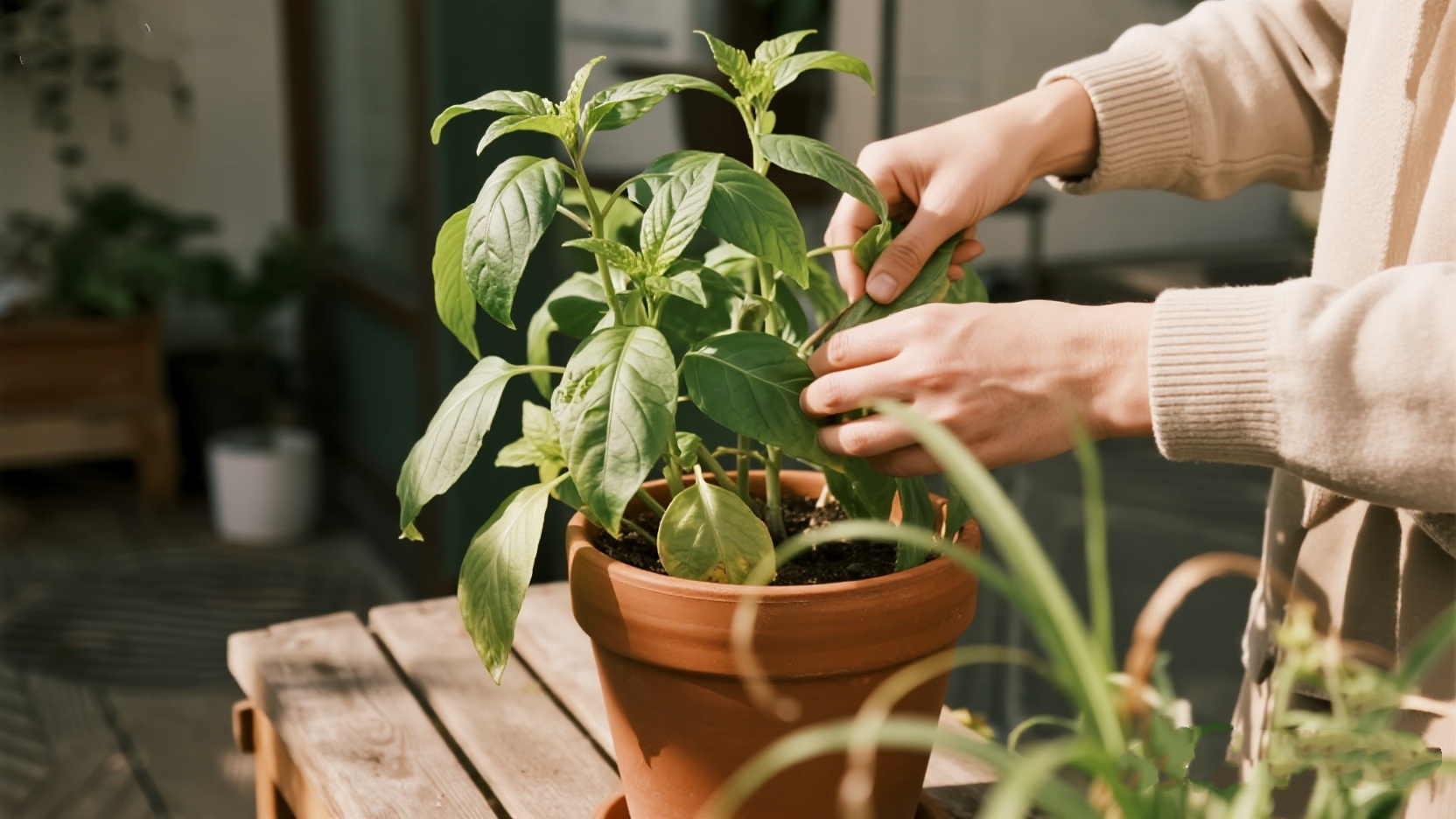
Modern people, whose freedom is confined by concrete and steel, always yearn deeply for the beauty of nature. As the place closest to nature at home, the balcony not only meets the needs of drying clothes, growing flowers, and planting greenery but also adds a touch of leisurely pleasure to life.
Although the balcony is just a corner of the home, thoughtful design can revitalize it into a vibrant, blooming space.

A sofa, a book,
A cup of tea, a glass of wine,
Flowers in the corner, a lazy cat—
These alone can create a wonderful ambiance.
Now, let’s explore how to build a miniature garden on your balcony from scratch.
STEP1: Determine the Purpose and Style of the Balcony
The functionality of a balcony shouldn’t be limited by conventional thinking. It can be artistic or homely—a small balcony can serve as a mini garden, a leisure area, a small dining spot, or even a playground for pets. Planting flowers, brewing tea, relaxing, having a barbecue, or enjoying the view are all great options.

Before deciding on the type of balcony garden, plan its main purpose.
If your balcony is small, focus on practicality: simple paving, potted plants, and lightweight outdoor furniture are the best combination.
For larger balconies or rooftop terraces, you can create a landscape balcony primarily for aesthetic enjoyment, tailored to the homeowner’s preferences.

Before creating a balcony garden, determine the overall style. In addition to personal preferences, consider the style of the entire home and the surrounding environment. For example, if the home has a classical Chinese style, a vintage eclectic garden theme may not be suitable.
STEP2: Choose Floor Paving
There are many options for balcony flooring, including composite wood flooring, plastic-wood flooring (a combination of wood and plastic), and homogeneous tiles.

The wear and slip resistance, from low to high, can be roughly ranked as: composite wood flooring < plastic-wood flooring < homogeneous tiles.
Plastic-wood and composite wood flooring are lightweight, come in rich colors and textures, and are easy to install.
Additionally, rustic-looking cement bricks are also suitable for outdoor flooring. They are lightweight, high in strength, and environmentally friendly, making them popular among consumers.

Of course, using materials like bluestone, pebbles, or granite for the terrace floor is also a good choice.
A paved balcony allows you to walk barefoot or place cushions and pillows. You can also add an outdoor rug to enhance comfort and create a cozy resting space.
STEP3: Choose Outdoor Furniture
Balcony furniture should not only be aesthetically pleasing but also lightweight and easy to clean. Wooden tables and chairs complement almost any balcony, while slim-legged furniture is compact and portable.

In addition to conventional tables and chairs, make the most of the vertical space by adding shelves, bookcases, or small tables.
If space allows, consider customizing a sofa to fit the balcony’s width.
A simple solution is to repurpose an old wooden coffee table with a cushion to create an instant sofa.
Rattan furniture, with its rustic and refreshing appeal, has become a trend in home decor, blending naturally with outdoor settings.
Steel or aluminum chairs are also practical, with their sleek, minimalist designs that harmonize well with the natural environment.
STEP4: Waterproofing
A common concern with balconies is waterproofing.

Modern waterproofing materials are advanced and highly functional. One such material is waterproof membrane, which serves as the first barrier in construction projects.
It effectively protects against damage from UV rays and temperature changes, offering excellent water resistance, flexibility, and anti-aging properties.
However, there are many types of waterproof membranes with varying performances. Choosing the right material significantly impacts the quality and durability of the waterproofing layer. Therefore, both material selection and construction techniques must be carefully considered to avoid future issues.
STEP5: Plants and Planters
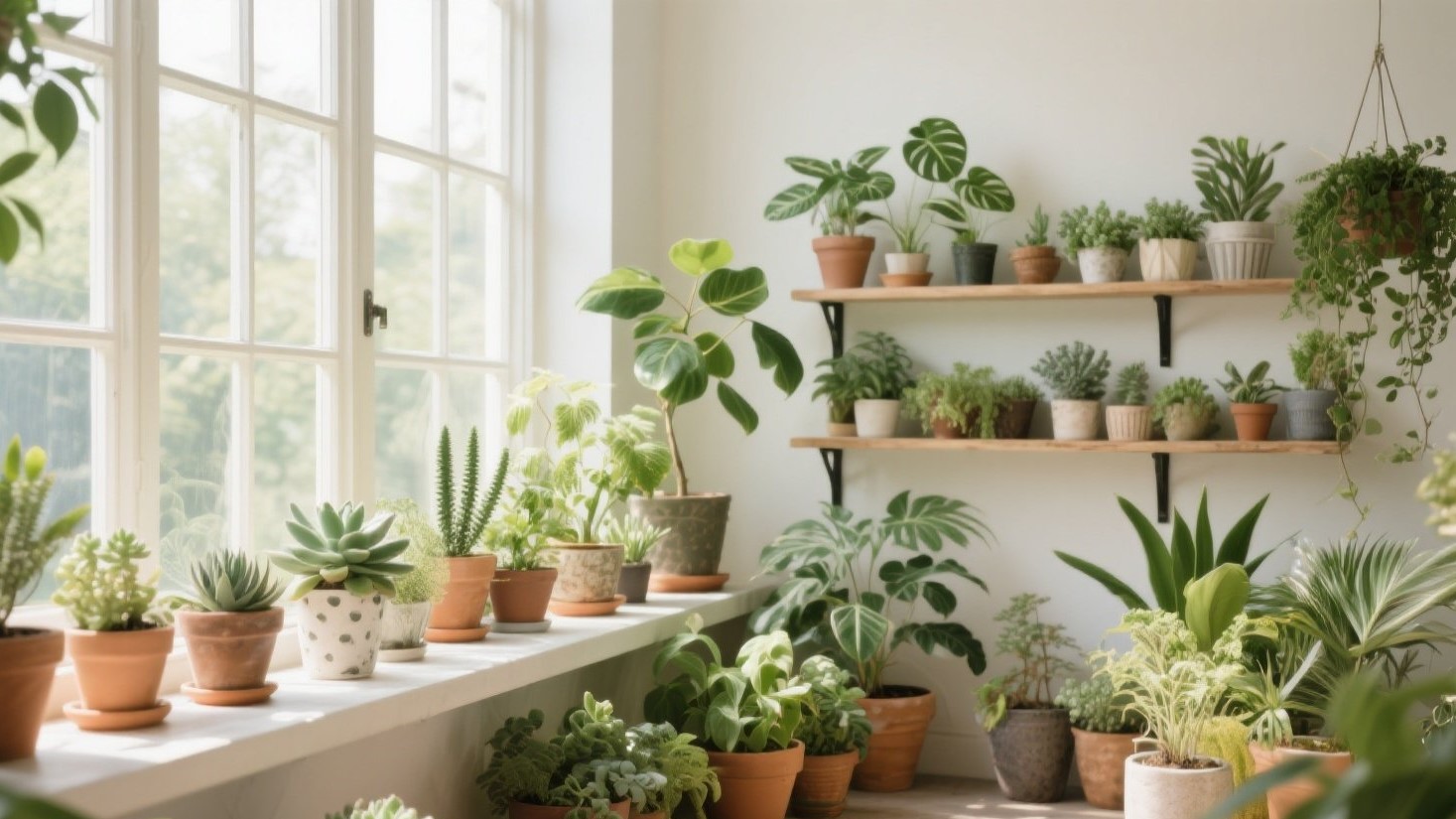
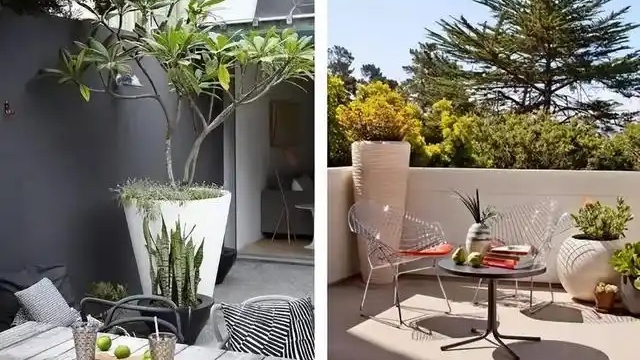
Since it’s a “balcony garden,” plants are the highlight. Given the limited area and functionality of a home balcony, it’s recommended to use a certain number of potted plants rather than built-in planters.

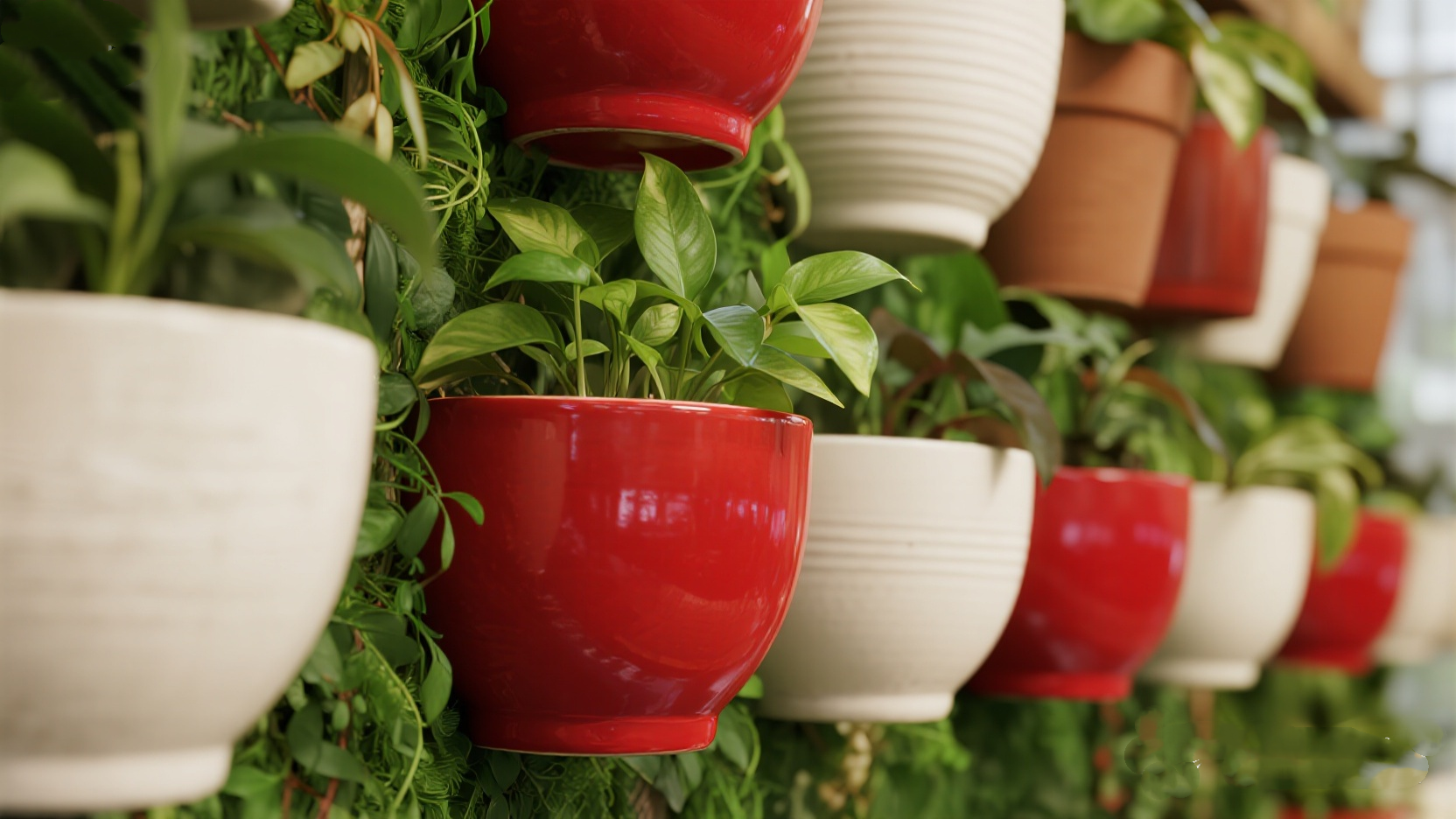
As carriers for plants, planters don’t need to be overly colorful or oddly shaped. Currently popular options include cement pots, coarse clay pots, or sets of black-and-white planters.
Although balconies are small, they offer ample vertical space. In addition to shelves and racks, walls and railings can be utilized. Search for “wall-mounted planters” or “multi-tier plant stands” online—they are very affordable.

Tips: Plants Suitable for Balconies
- Medium to Large Plants: Bird of Paradise, Monstera, Indian Rubber Plant, White Orchid, Buddha’s Hand, African Jasmine, Phoenix Bamboo, etc.
- Small Plants: Gardenia, Jasmine, Begonia, Bromeliad, Asparagus Fern, Aloe Vera, Pothos, etc.
- Climbing and Hanging Plants: Ivy, Lipstick Plant, Wire Grass, Cypress Vine, Morning Glory, Climbing Roses, Honeysuckle, etc.