The Bird of Paradise (Strelitzia reginae), with its stunning, crane-like flowers and dramatic, banana-tree-like leaves, is a dream plant for many. While it looks exotic, it’s surprisingly adaptable when you understand its basic needs. This guide will help you keep your plant thriving, whether you dream of those iconic blooms or simply want its lush foliage.
Bird of Paradise vs. White Bird of Paradise: A Quick Note
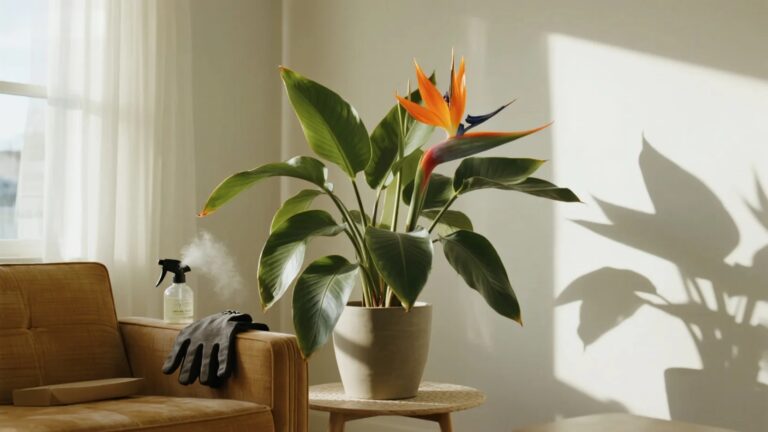
There are two common plants called “Bird of Paradise.” The one discussed here (Strelitzia reginae) is known for its orange and blue flowers and typically grows 3-5 feet tall indoors. The “White Bird of Paradise” (Strelitzia nicolai) is much larger, with tree-like proportions. The care is similar, but be sure you know which one you have!
1. Light: The Absolute Key to Growth (and Flowers!)
This is the most common mistake in Bird of Paradise care. This plant is a full sun lover in its native habitat.
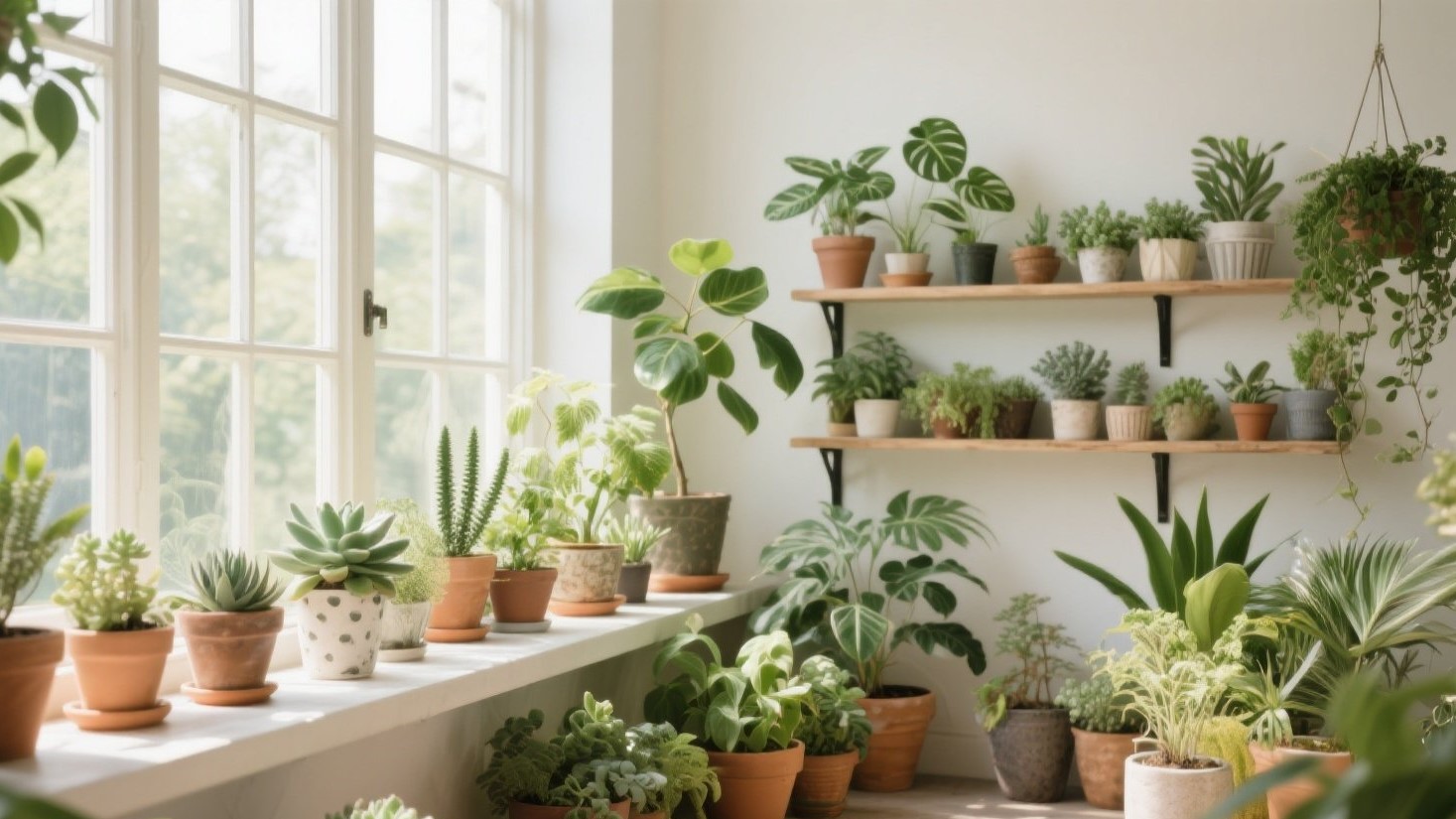
- For Lush Foliage & Flowers: Place it in your brightest spot. A south or west-facing window is ideal. It can handle several hours of direct indoor sun. Without enough light, growth will stall, and flowering will be impossible.
- Acclimation: If moving outdoors for the summer, acclimate it gradually to full sun to prevent leaf scorch. A little afternoon shade in very hot climates is beneficial.
- Myth Busting: It is not a low-light plant. A dark corner will lead to a slow decline.
2. Watering: The “Soak and Dry” Method
Think of it like a tropical plant that dislikes wet feet.
- How to Water: Water thoroughly until it runs out the drainage hole, then let the top few inches of soil dry out completely before watering again.
- How to Check: Stick your finger 2-3 inches into the soil. If it’s dry, it’s time to water. If it’s moist, wait.
- Seasonal Adjustment: Water more frequently in the bright, warm growing season and much less in the winter.
3. Soil and Repotting: Well-Draining is Non-Negotiable
- Soil Mix: Use a well-draining, peat-based potting mix. A cactus/succulent blend or a mix containing perlite and orchid bark works well to prevent waterlogging.
- Soil pH: It prefers slightly acidic to neutral soil. If your tap water is alkaline, you may see brown edges on the leaves. Using filtered water or occasionally using a fertilizer for acid-loving plants can help.
- Repotting: Repot every 1-2 years in spring or when you see roots growing out of the drainage hole. Only go up one pot size (1-2 inches larger). These plants actually bloom better when slightly root-bound.
4. Feeding: Fuel for Growth
- Growing Season (Spring-Fall): Feed monthly with a balanced, water-soluble fertilizer (e.g., 10-10-10) or one formulated for tropical foliage.
- For Encouraging Blooms: A fertilizer with a higher phosphorus content (the middle number) can help promote flowering in mature plants that receive enough light.
- Winter: Stop fertilizing in the winter when growth slows.
5. Temperature, Humidity & Cleaning
- Temperature: Keep in temperatures above 50°F (10°C). It thrives in normal household temperatures of 65-80°F.
- Humidity: While it adapts to average home humidity, it prefers higher levels. Brown, splitting leaves can be a sign of low humidity. Increase it by misting the leaves, using a humidifier, or placing it on a pebble tray.
- Cleaning: Wipe the large leaves regularly with a damp cloth to remove dust and allow them to breathe and absorb light efficiently.
6. Pruning and Propagation
- Pruning: Simply cut any old, yellowing, or damaged leaves at the base of the stem to keep the plant looking tidy. This directs energy to new growth.
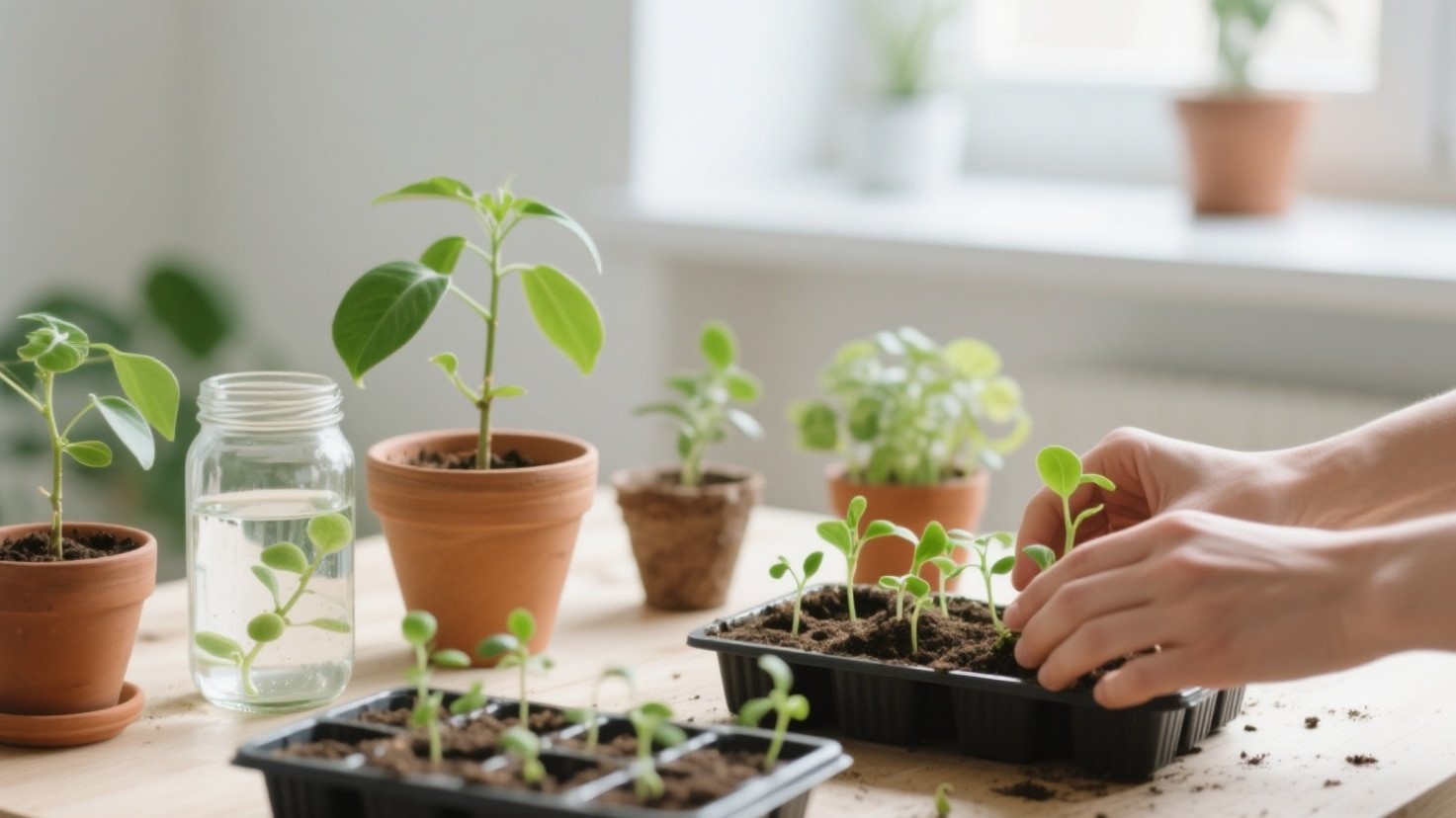
- Propagation: The easiest method is division. When you repot a mature, multi-stemmed plant, you can carefully separate the root ball into smaller clumps, ensuring each division has roots and at least one stem. Replant each division in its own pot.
Why Isn’t My Bird of Paradise Flowering?
Flowering typically requires a mature plant (4-5 years old), very bright light (often several hours of direct sun), and being slightly root-bound. If your plant is young or in moderate light, enjoy its spectacular foliage—it’s still a stunning houseplant.
By providing plenty of light and avoiding overwatering, your Bird of Paradise will reward you with a breathtaking, architectural presence in your home.